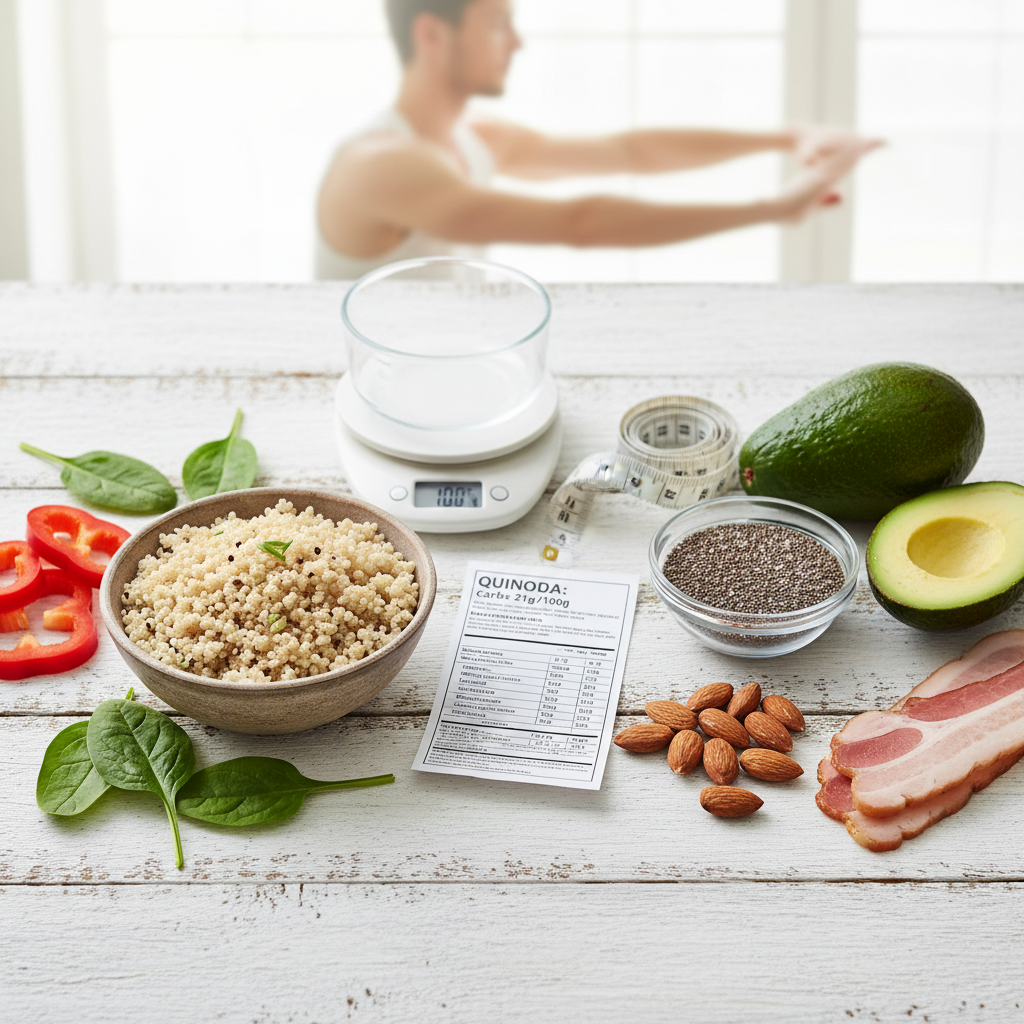

Quinoa is not typically considered suitable for a keto diet due to its relatively high carbohydrate content. While it offers numerous health benefits and is a great source of protein and fiber, those following a strict ketogenic regimen may need to seek alternatives that are lower in carbs. In this article, we’ll explore the carbohydrate content of quinoa, its nutritional profile, and some keto-friendly alternatives.
Understanding Quinoa’s Nutritional Profile

Quinoa is often hailed as a superfood due to its impressive nutritional composition. It is a complete protein, meaning it contains all nine essential amino acids that the body cannot produce on its own. This makes it an excellent option for vegetarians and vegans looking to increase their protein intake. However, despite its nutritional advantages, quinoa is relatively high in carbohydrates, with approximately 39 grams of carbohydrates per cooked cup. This level of carbohydrate can disrupt ketosis, the metabolic state that keto dieters aim to achieve, wherein the body burns fat for fuel instead of carbohydrates.
In addition to its protein content, quinoa is also a good source of dietary fiber, which aids in digestion and helps maintain stable blood sugar levels. It contains important vitamins and minerals such as magnesium, iron, B vitamins, and antioxidants. While these factors contribute to quinoa’s overall health benefits, they do not outweigh the potential complications it poses for those following a strict low-carb diet.
The Role of Carbohydrates in a Keto Diet
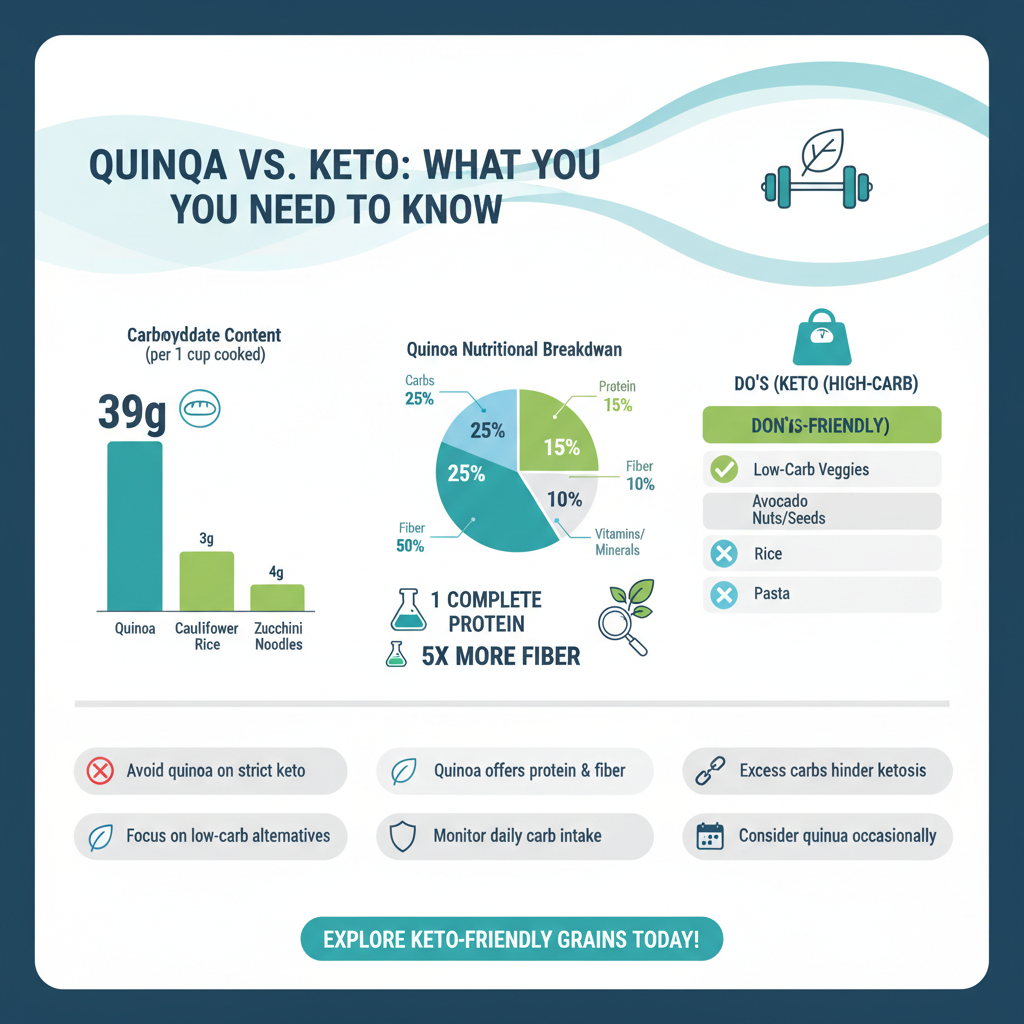
A ketogenic diet typically restricts carbohydrate intake to about 20-50 grams per day, depending on individual goals and metabolic responses. The primary objective of this restriction is to induce ketosis, a state where the body shifts from using glucose derived from carbohydrates as its primary energy source to using ketones from fat stores. High-carb foods like quinoa can hinder this process, making it challenging for individuals to maintain their desired state of ketosis.
When carbohydrates are consumed, they are broken down into glucose, which raises blood sugar levels and triggers insulin release. Insulin, a hormone that helps regulate blood sugar, also promotes the storage of fat. Therefore, eating foods high in carbohydrates can not only disrupt ketosis but also counteract the weight loss and metabolic benefits that many pursue on a ketogenic diet. For this reason, those committed to achieving and maintaining ketosis must be vigilant about their carb intake and consider alternatives that align with their dietary goals.
Health Benefits of Quinoa
Despite its high carbohydrate content, quinoa offers several health benefits that can be advantageous in a balanced diet. It is rich in vitamins, minerals, and antioxidants that support overall health. For instance, its high magnesium content can help reduce muscle cramps and improve sleep quality, while its iron content supports oxygen transport in the blood. Quinoa is also a significant source of antioxidants, which combat oxidative stress and inflammation in the body.
Furthermore, quinoa may help manage blood sugar levels due to its high fiber content. Fiber slows the absorption of sugar into the bloodstream, which can prevent spikes in blood sugar and insulin levels. This characteristic makes quinoa a more favorable option compared to other high-carb foods, particularly for those who are not strictly adhering to a ketogenic diet but still wish to maintain stable energy levels and overall health.
Keto-Friendly Alternatives to Quinoa
For those strictly following a keto diet, there are several low-carb alternatives to quinoa that can provide similar textures and nutritional benefits without compromising carbohydrate limits. One popular substitute is cauliflower rice, which is created by grating or processing cauliflower into rice-sized pieces. With only about 5 grams of carbohydrates per cup, cauliflower rice offers a versatile base for various dishes, from stir-fries to grain bowls.
Another excellent option is chia seeds, which are low in carbohydrates and high in fiber. When soaked in liquid, chia seeds form a gel-like consistency that can mimic the texture of grains in salads or puddings. Flaxseeds are another viable alternative; they are low in carbs and high in omega-3 fatty acids, providing heart health benefits alongside their nutritional profile.
Other low-carb vegetables such as zucchini noodles or spaghetti squash can also serve as replacements for traditional grain-based dishes. By incorporating these alternatives, individuals on a ketogenic diet can maintain variety in their meals while staying within their carbohydrate limits.
Incorporating Quinoa into a Balanced Diet
If you’re not strictly following a keto diet, quinoa can be part of a healthy diet in moderation. For individuals who engage in regular physical activity or have higher carbohydrate needs, quinoa can be a nutritious addition to meals. It can be strategically used in balanced dishes, where it is paired with low-carb vegetables and lean proteins to create a well-rounded meal.
For example, a quinoa salad loaded with spinach, tomatoes, cucumbers, and grilled chicken can provide a satisfying and nutrient-dense meal. It is essential to pay attention to portion sizes, as even healthy foods can contribute to excessive carbohydrate intake if consumed in large quantities. By balancing quinoa with other low-carb ingredients, individuals can enjoy its benefits while still adhering to their dietary goals.
Tips for Maintaining Ketosis
To maintain ketosis while enjoying a varied diet, it is crucial to focus on low-carb vegetables, healthy fats, and proteins. Foods such as leafy greens, avocados, nuts, seeds, and fatty fish should be staples in the ketogenic diet. Tracking daily carbohydrate intake is also a practical approach. Utilizing apps or food journals can help individuals stay within their carb limits and ensure they are meeting their macro goals.
Meal prepping can be an effective strategy for staying on track with a keto diet. By preparing meals in advance, individuals can avoid the temptation of high-carb convenience foods. Additionally, being mindful of hidden carbohydrates in sauces, dressings, and packaged foods is essential, as these can quickly add up and disrupt ketosis.
Quinoa may not be the best choice for those strictly adhering to a keto diet due to its carb content, but it can be incorporated in moderation for those who are less restrictive. Consider exploring low-carb alternatives to meet your dietary goals while enjoying diverse flavors in your meals. By understanding the nutritional profile of quinoa and its role in a balanced diet, individuals can make informed choices that align with their health objectives.
Frequently Asked Questions
Is quinoa considered keto-friendly?
Quinoa is not typically considered keto-friendly due to its relatively high carbohydrate content. A standard serving of cooked quinoa (about 1 cup) contains around 39 grams of carbs, which can significantly exceed the daily carb limit of the ketogenic diet, typically set at 20-50 grams. Therefore, while quinoa is a nutritious grain rich in protein and fiber, it may not align with the strict carbohydrate restrictions of a keto diet.
How can I incorporate quinoa into a low-carb diet?
If you’re looking to incorporate quinoa into a low-carb diet without exceeding your carb limits, consider using it in moderation. Instead of a full serving, you might mix a small amount of quinoa with low-carb vegetables or salads to add texture and nutrition while keeping carbs in check. Alternatively, you can explore other low-carb options like cauliflower rice or zucchini noodles as substitutes for quinoa.
Why do some people suggest quinoa as a healthy alternative on keto?
Some proponents suggest quinoa as a healthy alternative on keto due to its high protein content, essential amino acids, and rich nutrient profile. However, this perspective often overlooks the carbohydrate content, which can hinder ketosis. While quinoa offers various health benefits, it’s crucial to balance its consumption with other keto-friendly foods to maintain your desired macronutrient ratios.
What are the best low-carb alternatives to quinoa for a keto diet?
The best low-carb alternatives to quinoa for those on a keto diet include cauliflower rice, which is very low in carbohydrates and can be used in similar ways to quinoa. Other options include shirataki noodles, zucchini noodles, and riced broccoli, all of which provide a low-carb base for meals while offering similar textures and versatility as quinoa.
Which grains are acceptable on a keto diet?
Generally, grains are limited on a keto diet due to their high carbohydrate content. However, some people may include small amounts of certain low-carb grains like flaxseed meal, chia seeds, or even psyllium husk in moderation. These options provide fiber and nutrients without significantly impacting carbohydrate intake, making them more suitable for a keto lifestyle compared to traditional grains like quinoa, rice, or wheat.
References
- https://www.healthline.com/nutrition/quinoa-keto
- https://www.ncbi.nlm.nih.gov/pmc/articles/PMC4687691/
- https://www.webmd.com/diet/obesity/qa/is-quinoa-keto-friendly
- https://www.verywellfit.com/quinoa-and-the-keto-diet-5193131
- https://www.eatright.org/health/weight-loss/your-health-and-the-keto-diet
- Ketogenic.com | Start, Succeed & Sustain a Keto Diet