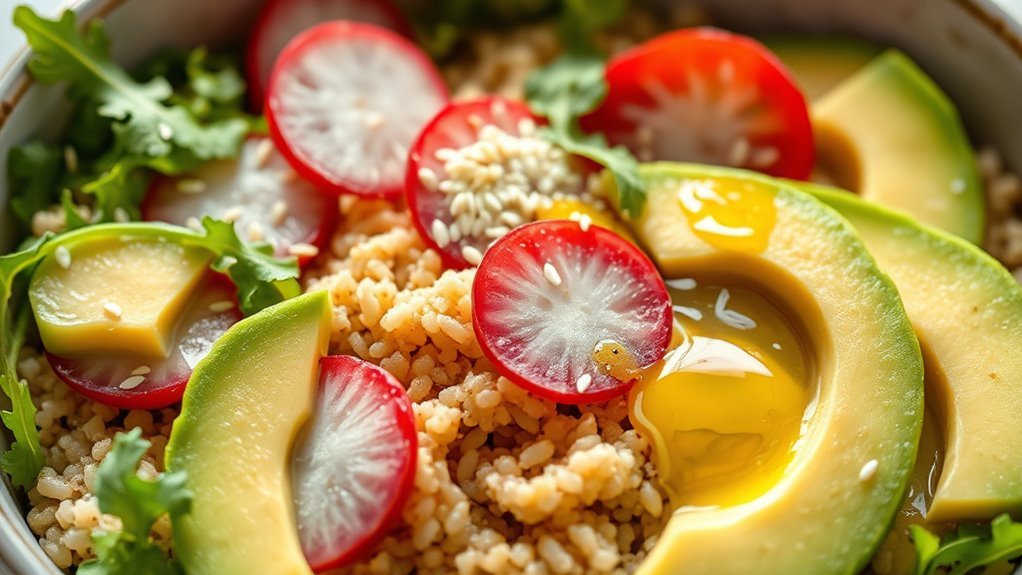

Quinoa isn’t considered keto-friendly due to its high carbohydrate content, which can hinder your ability to maintain ketosis. One cup of cooked quinoa has about 39 grams of carbs, exceeding typical ketogenic limits. While it’s a complete protein and packed with nutrients, portion control is essential if you’re intent on incorporating it. You might want to explore lower-carb alternatives to better align with your keto goals. There are other options that can keep your meals satisfying without the carb overload.
Understanding the Ketogenic Diet
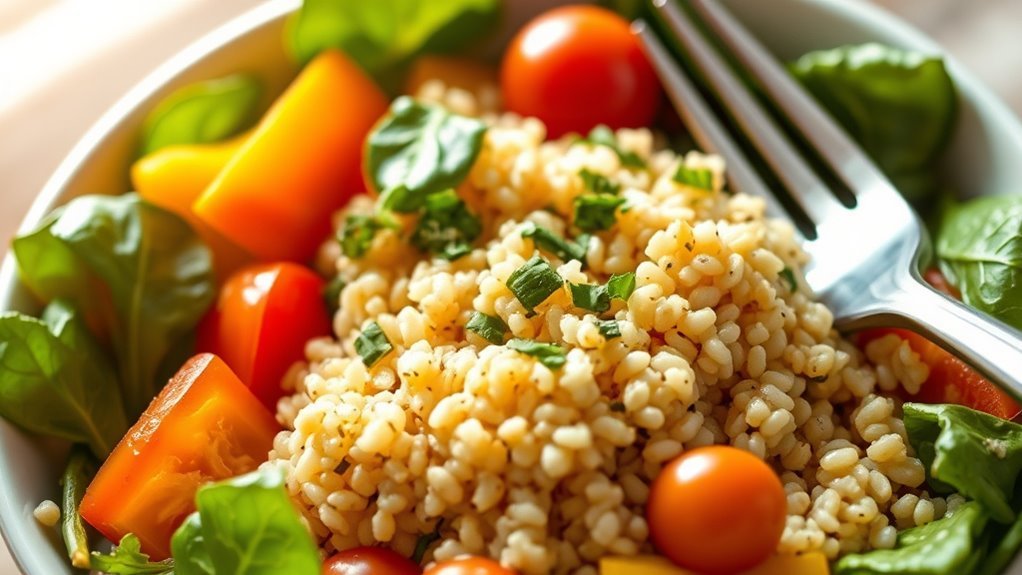
While many diets focus on calorie counting or food restrictions, the ketogenic diet fundamentally shifts the way your body processes energy. By adhering to keto principles, you greatly reduce carbohydrate intake, prompting your body to enter a state of ketosis. In this state, your body becomes adept at burning fat for fuel instead of relying on glucose. This metabolic shift can lead to increased energy levels and weight loss. There are various diet variations within the ketogenic framework, including standard, targeted, and cyclical keto, each catering to different lifestyles and goals. Understanding these principles can empower you to make informed choices that align with your desire for freedom in your dietary journey, promoting not just weight loss, but overall wellness. Additionally, many individuals experience increased energy levels while in ketosis, enhancing their daily performance and productivity.
Nutritional Profile of Quinoa
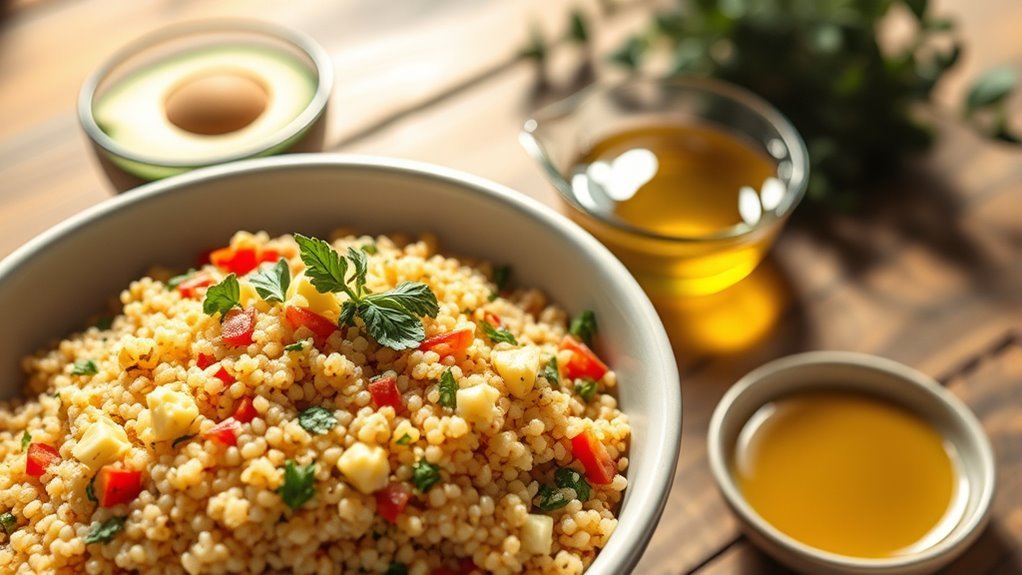
The ketogenic diet emphasizes a significant reduction in carbohydrate intake, which makes understanding alternative food options critical for maintaining ketosis. Quinoa boasts a unique nutritional profile that includes essential amino acids, making it a complete protein source. This grain is rich in fiber, vitamins, and minerals, contributing to various quinoa benefits such as improved digestion and heart health. While it’s higher in carbs than typical keto staples, quinoa can still be a valuable addition if you manage portion sizes. You can experiment with quinoa recipes that incorporate low-carb vegetables or healthy fats, allowing you to enjoy its nutritious properties without compromising your dietary goals. Balancing quinoa with keto-friendly components can enhance both your meals and your overall health.
Carbohydrate Content and Its Impact on Ketosis
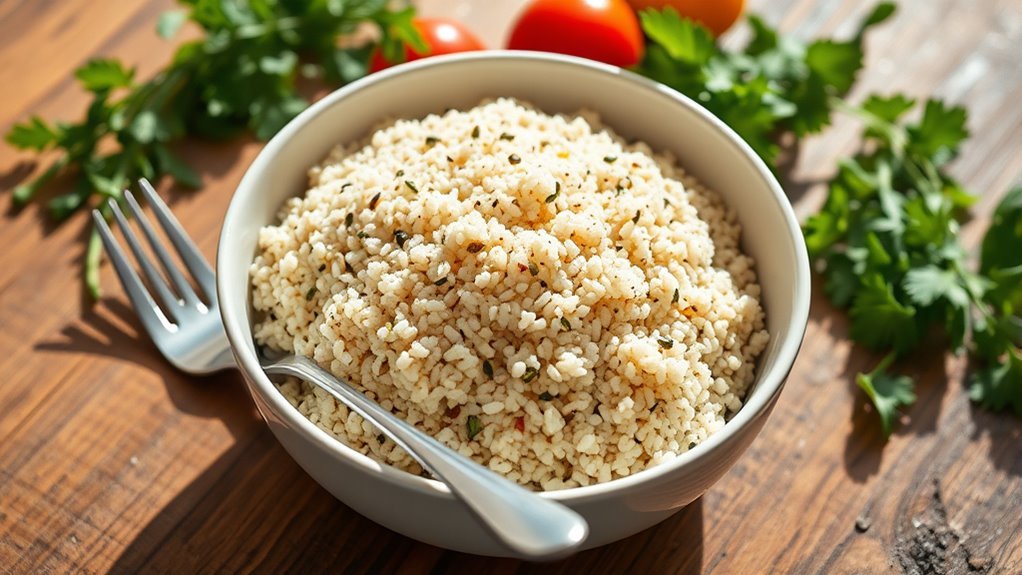
Understanding carbohydrate content is vital for anyone following a keto diet, as exceeding your carb limit can quickly disrupt ketosis. Quinoa, while nutritious, poses ketosis challenges due to its relatively high carb count.
- One cup of cooked quinoa contains about 39 grams of carbohydrates.
- Consuming quinoa may diminish your ability to maintain a state of ketosis.
- While quinoa benefits include being a complete protein, its carb content might not align with your keto goals.
Additionally, low-carb alternatives like cauliflower rice can help you stay on track with your keto diet. If you’re aiming for the freedom that comes with ketosis, it’s important to monitor your carb intake closely. Consider how quinoa fits into your overall dietary framework and weigh its benefits against the potential setbacks for maintaining ketosis.
Alternatives to Quinoa for a Keto Diet
If you’re looking for keto-friendly alternatives to quinoa, several options can help you stay within your carbohydrate limits while still providing essential nutrients. Cauliflower rice is a popular choice, offering a low-carb base for stir-fries or bowls. Zucchini noodles, or zoodles, are another fantastic substitute, perfect for adding a pasta-like texture to your meals without the carbs. Shirataki noodles are also worth considering; they’re made from konjac yam and contain minimal calories and carbs, making them an excellent option for those on a strict keto diet. Finally, almond flour can serve as a substitute in many recipes, providing healthy fats and protein while keeping your carb intake low. Each alternative supports your keto lifestyle without sacrificing flavor or variety. Additionally, incorporating low-carb leafy greens boosts nutrient intake and enhances the overall health benefits of your meals.
Tips for Incorporating Quinoa Mindfully in a Low-Carb Lifestyle
While quinoa is often celebrated for its nutritional benefits, incorporating it mindfully into a low-carb lifestyle requires some strategic planning. To make the most of quinoa without derailing your low-carb goals, consider these tips:
- Portion Control: Limit your serving size to about 1/4 cup cooked, balancing it with plenty of non-starchy vegetables.
- Pairing Ingredients: Use quinoa as a base for protein-rich dishes, like salads or bowls, to enhance satiety without overloading on carbs.
- Experiment with Quinoa Recipes: Try incorporating quinoa into soups or casseroles, where it can complement other low-carb ingredients.
Frequently Asked Questions
Can I Eat Quinoa on a Strict Keto Diet?
You can’t really eat quinoa on a strict keto diet. While it’s packed with nutrients, its carb content is too high for keto standards. Instead of quinoa, consider keto-friendly grains like cauliflower rice or shirataki noodles. These alternatives can keep your meals satisfying while staying within your carb limits. Embracing these options lets you enjoy variety without sacrificing your keto goals, giving you the freedom to explore flavors without the guilt.
How Does Quinoa Affect Weight Loss on Keto?
Quinoa can complicate weight loss on a keto diet due to its calorie content and carbohydrate levels. A typical serving size of quinoa contains around 222 calories and 39 grams of carbs, which can quickly surpass your daily carb limit. While it’s nutritious, if you’re aiming for ketosis, you’ll need to be cautious with portion sizes. Balancing quinoa with lower-carb options might help you maintain your keto goals while still enjoying its benefits.
What Are the Health Benefits of Quinoa?
Quinoa’s quality as an ancient grain offers a remarkable nutritional profile. It’s packed with protein, fiber, and essential amino acids, making it a superb support for your health. By incorporating quinoa into your diet, you can enhance satiety, stabilize blood sugar, and improve digestion. Its antioxidants also help combat inflammation, promoting overall wellness. So, if you’re seeking a satisfying superfood, quinoa’s your go-to grain for a nutritious boost!
Is Quinoa Gluten-Free?
Yes, quinoa’s gluten-free! If you’re dealing with gluten intolerance, it’s an excellent choice. Quinoa nutrition is impressive, providing essential amino acids, fiber, and vitamins. Unlike many grains, quinoa doesn’t contain gluten, making it safe for those with celiac disease or gluten sensitivity. Additionally, its versatility lets you enjoy it in various dishes without worrying about gluten contamination, giving you the freedom to indulge in nutritious meals without compromising your health.
How Does Cooking Affect Quinoa’s Carbohydrate Content?
Ever wondered how cooking can change quinoa’s carb profile? Cooking methods like boiling or steaming don’t actually reduce the carbohydrate content markedly; rather, they make carbs more digestible. While rinsing quinoa before cooking removes some saponins and may slightly lower the carb absorption, the overall carbohydrate reduction is minimal. So, if you’re seeking freedom from carbs, you might want to reconsider quinoa’s place on your plate despite its nutritious benefits.
References
- https://www.ncbi.nlm.nih.gov/pmc/articles/PMC5452220/
- https://www.healthline.com/nutrition/keto-diet-foods#what-to-eat
- https://www.webmd.com/diet/what-is-the-keto-diet
- https://www.verywellfit.com/quinoa-and-the-keto-diet-5192158
- https://www.mayoclinic.org/healthy-lifestyle/nutrition-and-healthy-eating/expert-answers/keto-diet/faq-20456916
- https://www.medicalnewstoday.com/articles/324236
- https://www.bbcgoodfood.com/howto/guide/what-keto-diet
- https://www.eatright.org/health/wellness/healthy-aging/the-ketogenic-diet-explained