

Quinoa is not considered keto-approved due to its relatively high carbohydrate content compared to the strict requirements of a ketogenic diet. While it is a nutritious food that offers several health benefits, its carbohydrate composition can disrupt the state of ketosis that is essential for those adhering to a keto lifestyle. In this article, we’ll explore why quinoa may not fit into a keto diet, its nutritional profile, and some alternatives that align more closely with keto principles.
Understanding Quinoa’s Nutritional Profile

Quinoa is classified as a whole grain and is often praised for its impressive nutritional profile. A single cooked cup of quinoa contains approximately 21 grams of carbohydrates, which is significant when considering the carbohydrate limits of a ketogenic diet. In addition to carbohydrates, quinoa is a source of protein, providing about 8 grams per cup, and it is rich in fiber, which contributes to digestive health.
Moreover, quinoa is unique among grains as it contains all nine essential amino acids, making it a complete protein. This characteristic is particularly beneficial for those following plant-based diets. Quinoa is also high in vitamins and minerals, including magnesium, iron, and B vitamins, which contribute to overall health. While these nutritional benefits make quinoa a valuable addition to many diets, its carbohydrate content is a crucial factor when considering its compatibility with a ketogenic approach.
The Keto Diet Explained
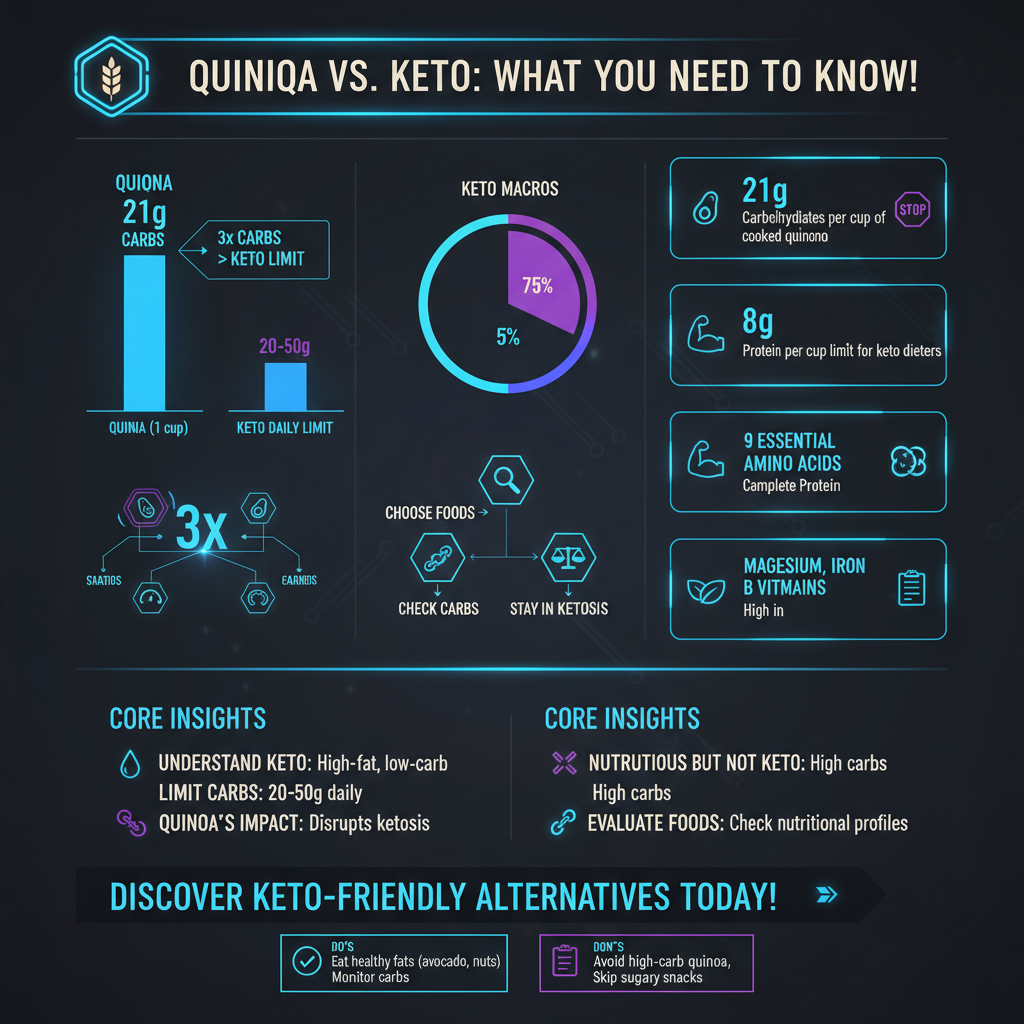

The ketogenic diet, commonly referred to as keto, is a high-fat, moderate-protein, and very low-carbohydrate eating plan designed to shift the body into a state of ketosis. In ketosis, the body becomes highly efficient at burning fat for energy and utilizes ketones—produced from fat breakdown—as its primary fuel source. To effectively enter and maintain this state, most individuals on a ketogenic diet limit their carbohydrate intake to 20-50 grams per day.
The focus of the keto diet is on consuming foods that are high in healthy fats, such as avocados, nuts, seeds, and oils, while minimizing the intake of sugars and grains. This macronutrient distribution is crucial for maintaining energy levels and achieving weight loss or other health goals associated with the keto lifestyle. Understanding these parameters is essential when evaluating foods like quinoa, which, despite its nutritional value, may not align with the strict carbohydrate limits of a keto regimen.
Why Quinoa Doesn’t Fit the Keto Diet
Quinoa’s carbohydrate content is the primary reason it does not fit well into a ketogenic diet. With about 21 grams of carbohydrates in a single cup, consuming even a modest serving can quickly exhaust the daily carbohydrate allowance for those aiming to stay within the keto limits. For instance, if an individual on a strict keto diet aims for a maximum of 20 grams of carbs per day, just one cup of quinoa would exceed this limit and potentially disrupt ketosis.
Additionally, quinoa is often marketed as a health food, which can lead to misconceptions about its suitability for low-carb diets. While it is indeed a nutrient-dense option, the presence of carbohydrates means that it can lead to elevated blood sugar levels, counteracting the metabolic state that keto dieters strive to achieve. Therefore, for individuals adhering to a strict ketogenic lifestyle, quinoa poses a challenge to maintaining the desired state of ketosis.
Alternatives to Quinoa on a Keto Diet
Given quinoa’s high carbohydrate content, individuals following a keto diet may want to explore various low-carb alternatives. One popular substitute is cauliflower rice, which provides a similar texture to grain-based dishes while containing only about 5 grams of carbohydrates per cup. Another excellent option is zucchini noodles (or “zoodles”), which are low in carbs and can be used in a variety of dishes, from stir-fries to pasta.
In addition to vegetable-based options, seeds offer another keto-friendly alternative. Chia seeds and flaxseeds are particularly beneficial, as they are high in healthy fats and fiber while being low in carbohydrates. For example, one ounce of chia seeds contains approximately 12 grams of carbohydrates but also provides 11 grams of fiber, resulting in only 1 gram of net carbs. Incorporating these alternatives can help individuals enjoy satisfying meals while remaining within their carbohydrate limits.
How to Incorporate Quinoa Wisely
For those who wish to include quinoa in their diet, moderation is key. It’s crucial to monitor portion sizes and pair quinoa with other low-carb foods to mitigate its impact on overall carbohydrate intake. For instance, using a small amount of quinoa as a side dish while ensuring the rest of the meal is composed of low-carb vegetables and healthy fats can help balance the meal.
Additionally, individuals can experiment with quinoa’s preparation to maximize its nutritional benefits while minimizing its downsides. For example, rinsing quinoa before cooking can help reduce its saponin content, which may enhance its digestibility. However, those who are strictly adhering to a keto diet should be cautious and consider whether the inclusion of quinoa aligns with their specific dietary goals.
Health Benefits of Quinoa Beyond Keto
Despite its incompatibility with a strict ketogenic diet, quinoa boasts numerous health benefits that make it a valuable addition to a balanced diet for individuals not following keto. As a rich source of antioxidants, quinoa can help combat oxidative stress and inflammation in the body. Its high fiber content supports digestive health and can aid in maintaining a healthy weight by promoting feelings of fullness.
Furthermore, quinoa is gluten-free, making it an excellent choice for those with gluten sensitivities or celiac disease. It also provides essential nutrients such as magnesium, which plays a critical role in various bodily functions, including muscle and nerve function, blood sugar control, and blood pressure regulation. For individuals seeking a nutritious, whole food option, quinoa remains a commendable choice outside of the constraints of a keto diet.
Quinoa is not keto-approved due to its higher carbohydrate content, which can interfere with maintaining ketosis. However, it can still be a healthy addition to a balanced diet for individuals who are not on a strict keto regimen. If you’re looking for alternatives, consider low-carb options that align better with keto principles. Always evaluate your dietary choices based on your health goals and nutritional needs, ensuring that your food choices contribute positively to your overall well-being.
Frequently Asked Questions
Is quinoa considered keto-friendly for a low-carb diet?
Quinoa is not typically considered keto-friendly due to its relatively high carbohydrate content. One cup of cooked quinoa contains about 39 grams of carbohydrates, which can significantly exceed the daily carb limit for those following a strict ketogenic diet. If you’re aiming for ketosis, it’s essential to monitor your carb intake carefully, and there are lower-carb alternatives like cauliflower rice or zucchini noodles that may be better suited for a keto lifestyle.
How does quinoa fit into a balanced low-carb diet?
While quinoa is not ideal for a strict ketogenic diet, it can be part of a balanced low-carb diet if consumed in moderation. It offers a complete protein source and is rich in fiber, which can be beneficial for overall health. Incorporating small portions of quinoa can provide essential nutrients while keeping carbohydrate intake in check, especially when paired with low-carb vegetables and healthy fats.
Why do some people consider quinoa a superfood despite its carb content?
Quinoa is often labeled a superfood due to its impressive nutrient profile. It is gluten-free, rich in protein, and contains all nine essential amino acids, making it a complete protein source. Additionally, quinoa is packed with vitamins, minerals, and antioxidants, which promote overall health. For individuals not strictly adhering to keto, quinoa can offer numerous health benefits when included in a balanced diet.
What are the best low-carb alternatives to quinoa for a keto diet?
If you’re seeking low-carb alternatives to quinoa while following a keto diet, consider options like cauliflower rice, shirataki noodles, and spiraled zucchini. These alternatives are lower in carbs and calories, allowing you to enjoy similar textures or bulk in your meals without compromising your ketogenic goals. Experimenting with these substitutes can help maintain variety in your diet while keeping carb counts low.
Which recipes can help incorporate quinoa into a low-carb meal plan?
While quinoa itself is not low in carbs, you can create balanced meals that include it in moderation. Consider recipes like quinoa-stuffed bell peppers, where quinoa is mixed with a high-fiber filling of vegetables and spices, or a quinoa salad with plenty of non-starchy veggies and a healthy fat source like avocado or olive oil. These dishes can help you enjoy quinoa while ensuring you remain aware of your overall carbohydrate intake.
References
- Quinoa
- https://www.health.harvard.edu/staying-healthy/the-truth-about-quinoa
- https://www.ncbi.nlm.nih.gov/pmc/articles/PMC6271779/
- https://www.healthline.com/nutrition/keto-diet-foods#quinoa
- Best diet for hypothyroidism: Good foods, what to avoid, and meal plan
- https://www.reuters.com/article/us-health-keto-diet-idUSKBN1W90IP