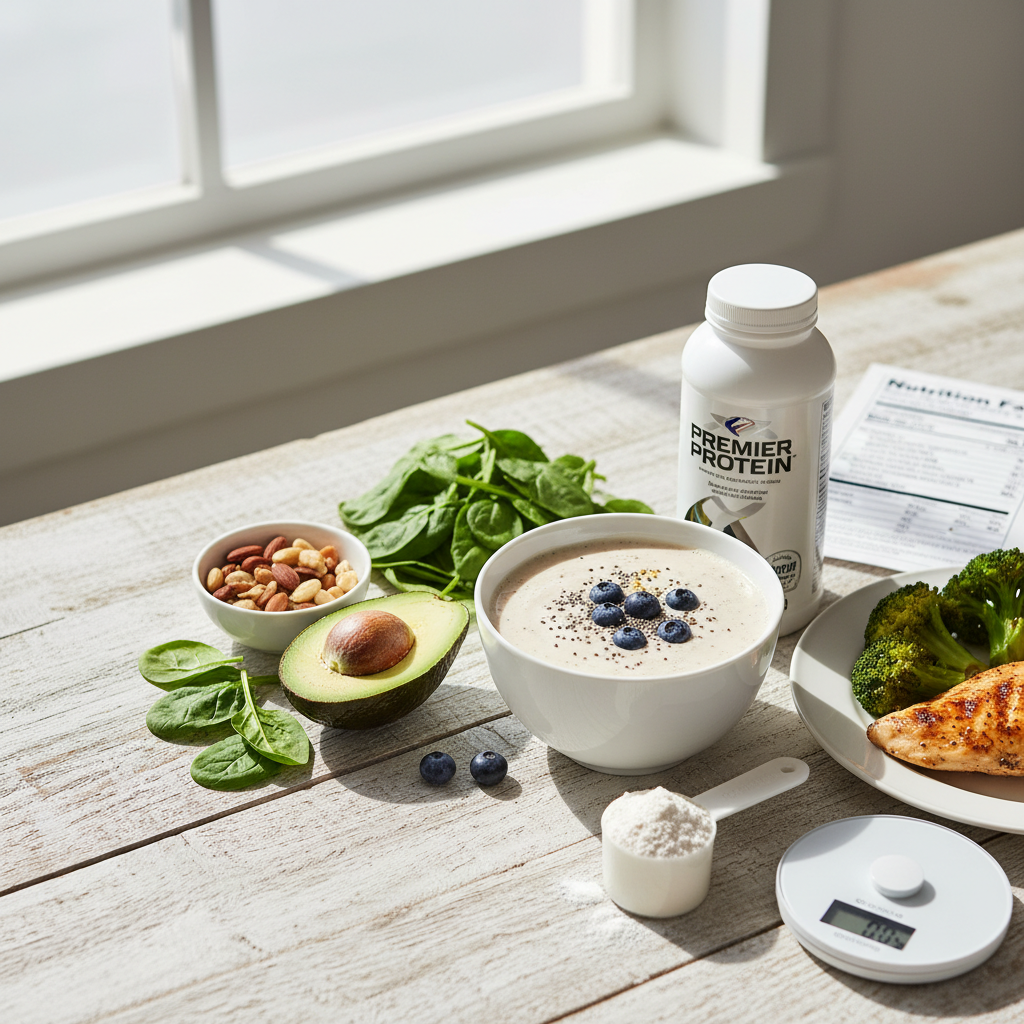

Premier Protein can be considered keto-friendly, depending on your dietary goals and how you incorporate it into your meal plan. With a low carbohydrate content and a high protein profile, Premier Protein shakes can be an effective addition to a ketogenic diet when consumed mindfully. In this article, we’ll explore the nutritional content of Premier Protein shakes, examine its compatibility with a ketogenic diet, and discuss practical ways to include it in your keto lifestyle.
Understanding the Ketogenic Diet

The ketogenic diet emphasizes low carbohydrate intake, high fat, and moderate protein. Its primary aim is to induce a state of ketosis, a metabolic process where the body shifts from using carbohydrates as its primary energy source to burning fat for fuel. By drastically reducing carbohydrate intake—typically to around 20-50 grams per day—individuals can encourage their bodies to enter ketosis. This metabolic state has been associated with numerous benefits, including weight loss, improved mental clarity, and enhanced energy levels. Understanding this foundation is crucial for evaluating whether products like Premier Protein align with your keto journey.
Nutritional Profile of Premier Protein
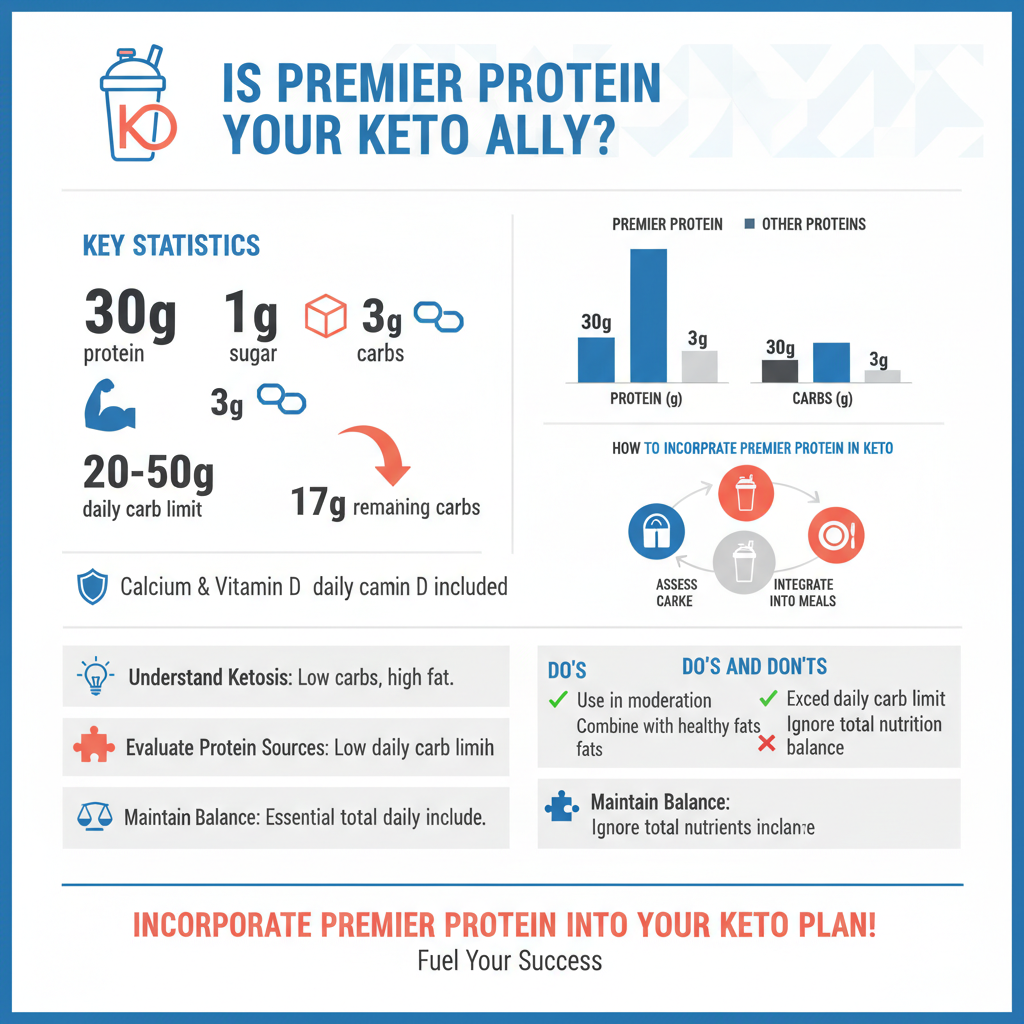

Each Premier Protein shake contains around 30 grams of protein and only 1 gram of sugar, which positions it as a strong protein source for those on a ketogenic diet. The shakes typically have about 3 grams of carbohydrates per serving, making them relatively low in carbs compared to many other protein supplements. Furthermore, they provide essential vitamins and minerals, such as calcium and vitamin D, contributing to overall nutritional intake. This impressive nutritional profile allows individuals to incorporate Premier Protein into their meal plans while adhering to their carbohydrate limits, making it a viable option for maintaining a balanced diet on keto.
Carbohydrate Content and Keto Compatibility
With only 3 grams of carbs, Premier Protein shakes can fit into a keto diet if consumed wisely. The ketogenic diet often focuses on maintaining a strict limit on carbohydrate intake, making it essential to consider how each food or supplement contributes to the overall daily carb count. Since Premier Protein shakes are low in carbohydrates, they can be incorporated without significantly impacting ketosis, provided that portion control is exercised. For example, if you have allocated 20 grams of carbs for the day, consuming a Premier Protein shake would leave you with 17 grams to use in other meals. Combining the shake with low-carb foods, such as leafy greens or nuts, can help maintain ketosis while providing a satisfying and nutritious meal.
Ideal Situations for Using Premier Protein on Keto
Premier Protein shakes are particularly advantageous in several scenarios for those following a keto diet. One ideal situation is post-workout recovery, where replenishing protein is essential for muscle repair and growth. The high protein content in Premier Protein shakes makes them a convenient option to support recovery after intense exercise. Additionally, if you find yourself short on time, these shakes can serve as a meal replacement or a quick snack that aids in meeting your protein goals without exceeding your carbohydrate limits. For instance, if you’re on the go, a Premier Protein shake can be consumed quickly and easily, providing both nourishment and convenience.
Potential Drawbacks of Premier Protein on Keto
Despite their benefits, there are potential drawbacks to consider when incorporating Premier Protein shakes into a keto diet. Some flavors may contain additives or artificial sweeteners, such as sucralose or acesulfame potassium, which could affect individual ketosis. While these ingredients are generally recognized as safe, some individuals on a keto diet prefer to avoid artificial sweeteners due to potential insulin responses or digestive issues. Therefore, it’s imperative to read labels carefully to identify any hidden sugars or carbohydrates that may be present in flavored options. Opting for the unflavored or naturally sweetened varieties can help mitigate these concerns.
Tips for Incorporating Premier Protein into a Keto Diet
To maximize the benefits of Premier Protein shakes while staying true to a ketogenic lifestyle, consider pairing them with healthy fats. For example, blending a shake with almond butter or avocado can create a well-rounded meal that not only enhances flavor but also adds healthy fats that are essential on a keto diet. Another practical suggestion is to use Premier Protein in keto-friendly recipes, such as smoothies or baked goods, to incorporate extra protein without excessive carbs. For instance, a smoothie made with Premier Protein, unsweetened almond milk, spinach, and a tablespoon of chia seeds can be both nutritious and satisfying. Additionally, using Premier Protein in recipes like keto-friendly pancakes or protein bars can help diversify your meals while keeping carbohydrates in check.
In summary, Premier Protein can be a functional part of a keto lifestyle when integrated thoughtfully. Its low carbohydrate content and high protein levels align well with the macronutrient requirements of a ketogenic diet. However, it is essential to remain vigilant about ingredient lists and to be mindful of how these shakes fit into your overall dietary goals. By exploring various ways to incorporate Premier Protein into your diet, you can enhance your nutritional intake while enjoying the benefits of a keto lifestyle. Evaluate your individual dietary needs and preferences to determine if Premier Protein is the right fit for your ketogenic journey.
Frequently Asked Questions
Is Premier Protein suitable for a keto diet?
Yes, Premier Protein can be suitable for a keto diet, as it is low in carbohydrates and high in protein. Each shake contains about 30 grams of protein and only 1 gram of sugar, making it a good choice for those looking to maintain a low-carb lifestyle. However, it’s essential to check the specific nutritional information of the flavor you choose, as some may vary in carb content.
How many carbs are in Premier Protein shakes?
Premier Protein shakes typically contain 1 to 3 grams of net carbs per serving, depending on the flavor. This low carb content aligns well with keto diet requirements, which typically allow for a daily intake of 20-50 grams of carbs. Always refer to the product label for the most accurate nutritional information.
Can I use Premier Protein shakes as meal replacements on keto?
Yes, Premier Protein shakes can be used as meal replacements on a keto diet, provided you balance them with healthy fats and low-carb foods throughout the day. Due to their high protein content and low carbs, they can help you feel full while aiding in muscle maintenance. However, make sure that your overall daily macronutrient intake fits within your keto guidelines.
Why might some people avoid Premier Protein on a keto diet?
Some individuals on a keto diet might avoid Premier Protein shakes due to concerns over artificial sweeteners and additives found in certain flavors. While these ingredients do not significantly impact carbohydrate levels, some people prefer to avoid them for health reasons or due to sensitivities. It’s crucial to read the ingredient list to determine whether the product aligns with your preferences.
What are the best ways to incorporate Premier Protein into a keto meal plan?
To effectively incorporate Premier Protein into a keto meal plan, consider using the shakes as a base for smoothies by adding spinach, avocado, or nut butter for extra healthy fats. You can also mix Premier Protein powder into recipes for keto-friendly baked goods or use it in breakfast dishes like pancakes or oatmeal alternatives. This versatility allows you to enjoy the protein benefits while staying within your dietary limits.
References
- https://www.healthline.com/nutrition/premier-protein-review
- https://www.verywellfit.com/premier-protein-shakes-review-5187895
- Are statins overprescribed for cardiovascular disease prevention?
- https://www.ncbi.nlm.nih.gov/pmc/articles/PMC6124971/
- https://www.sciencedirect.com/science/article/pii/S2212267217300547
- https://www.ncbi.nlm.nih.gov/pmc/articles/PMC5934828/