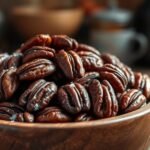
Pinto beans aren’t considered keto-friendly due to their high carbohydrate content, containing about 27 grams of carbs per cooked cup. This can disrupt ketosis, especially for those on a strict low-carb diet. While they do provide protein and fiber, their carb count makes them less suitable for a ketogenic lifestyle. However, there are creative ways to incorporate them into meals or explore lower-carb alternatives. Discovering your options may help you make more informed dietary choices.
Understanding the Ketogenic Diet

While many diets focus on calorie counting or portion control, the ketogenic diet, often referred to as keto, emphasizes a significant reduction in carbohydrate intake. By adhering to keto principles, you shift your body into a state of ketosis, where it burns fat for fuel instead of carbs. This means you’ll want to incorporate low carb foods, like leafy greens, avocados, and certain meats, while avoiding high-carb options such as grains and sugars. The goal is to limit your daily carb intake to about 20-50 grams. This approach can lead to weight loss and improved energy levels. Remember, though, it’s essential to maintain a balanced intake of healthy fats and proteins to support overall health while enjoying the freedom keto offers.
Nutritional Profile of Pinto Beans

When considering the nutritional profile of pinto beans, it’s essential to look at their carbohydrate content, which can impact a keto diet. These beans also offer significant protein and fiber benefits, contributing to satiety and digestive health. Understanding these aspects can help you make informed choices about incorporating pinto beans into your meal plan.
Carbohydrate Content Overview
Pinto beans are a nutritious legume that packs a significant carbohydrate content, making them a staple in many diets. With around 27 grams of carbs per cooked cup, they serve as a valuable carbohydrate source. However, if you’re exploring a keto lifestyle, it’s essential to take into account how these carbs can impact your overall intake. Pinto beans also contain fiber, which can slow down carb absorption, helping to stabilize blood sugar levels. This means you can enjoy them in moderation while still keeping your diet in check. Balancing pinto beans with low-carb foods can allow you the flexibility to incorporate their nutritional benefits without straying from your goals. So, understanding their carbohydrate profile is key to making informed choices.
Protein and Fiber Benefits
Although many people focus on carbohydrates when considering their diets, the protein and fiber content of pinto beans deserves attention as well. These beans are excellent protein sources, offering about 15 grams of protein per cooked cup. This makes them a valuable option for those seeking plant-based protein in their meals. Additionally, pinto beans are among the fiber rich foods, providing around 15 grams of dietary fiber per serving. This fiber not only promotes digestive health but also helps you feel fuller longer, which can be beneficial for weight management. Incorporating pinto beans into your diet can support your overall nutritional goals while allowing you the freedom to enjoy diverse and satisfying meals.
Carbohydrate Content Analysis

When considering pinto beans on a keto diet, it’s important to look at their carbohydrate content. A standard serving contains significant carbohydrates, but by calculating net carbs—total carbs minus fiber—you can get a clearer picture of their impact. Portion size also plays an important role in fitting beans into your daily carb limit while maintaining balance in your meals.
Pinto Beans Carbohydrate Count
If you’re considering incorporating pinto beans into a keto diet, it’s essential to look closely at their carbohydrate content. Pinto beans nutrition reveals that they contain about 27 grams of carbohydrates per cup when cooked. This amount can be significant, especially when you’re aiming to maintain a low carb intake. While pinto beans offer various health benefits, including fiber and protein, they might not be the best fit for a strict keto lifestyle. If you’re seeking low carb alternatives, you might want to explore options like zucchini or cauliflower, which provide similar textures without the higher carb content. Balancing your nutritional needs while staying within your carbohydrate limits is vital for achieving your dietary goals.
Net Carbs Calculation
Calculating net carbs is essential for anyone on a keto diet, especially when considering foods like pinto beans. To accurately perform net carb calculations, you’ll need to subtract the dietary fiber from the total carbohydrates. Here’s how to do it:
- Determine the total carbohydrates in pinto beans.
- Find the amount of dietary fiber present.
- Subtract the dietary fiber from the total carbohydrates.
- The result is your net carbs.
Pinto beans typically contain about 27 grams of carbs per cup, with around 9 grams of fiber. This means you’d be looking at approximately 18 grams of net carbs. Understanding these numbers helps you make informed choices while enjoying the freedom of your keto journey!
Portion Size Considerations
Understanding portion sizes is essential for managing your carbohydrate intake on a keto diet, especially with foods like pinto beans. A typical serving size is about half a cup, which contains roughly 15 grams of carbohydrates. This can quickly eat into your daily carb limit. If you want to enjoy pinto beans while staying keto-friendly, consider using them as a side dish or mixing them with low-carb ingredients, like leafy greens or avocados, to balance your meal. You might also try smaller portion sizes, like a quarter cup, to keep your carb count in check. Remember, moderation is key, so keep these serving suggestions in mind to maintain your freedom within your dietary goals.
Comparing Pinto Beans to Other Legumes
While pinto beans are a popular choice among many for their taste and versatility, comparing them to other legumes reveals significant differences in nutritional content and suitability for specific diets, particularly the ketogenic diet. Here’s a brief nutritional comparison of pinto beans and some legume alternatives:
- Chickpeas: Higher in carbs, making them less keto-friendly.
- Black beans: Similar to pinto beans in carbs, but lower in fiber.
- Lentils: Packed with protein but also higher in carbohydrates.
- Green peas: Nutritious but can push you over your carb limit on keto.
When considering which legume alternatives fit into your dietary goals, it’s crucial to weigh these factors carefully. Pinto beans can be enjoyed, but moderation is key if you’re aiming for a low-carb lifestyle.
How Pinto Beans Fit Into a Low-Carb Lifestyle
Pinto beans can still find a place in a low-carb lifestyle, but it’s important to approach their consumption mindfully. While they do contain carbohydrates, they also offer fiber and protein that can help you feel full and satisfied. When you include pinto beans in your meals, consider portion sizes to keep your carb intake in check. A small serving can complement a variety of dishes without derailing your low-carb goals. Balancing pinto beans with other low-carb foods like vegetables or healthy fats can enhance your meals while maintaining your desired macronutrient ratios. Ultimately, it’s about finding the right balance that allows you to enjoy pinto beans without compromising your low-carb lifestyle.
Creative Ways to Include Pinto Beans in Your Meals
If you’re looking to add variety to your meals, incorporating pinto beans can be both delicious and nutritious. Here are some creative ways to enjoy them:
- Pinto Bean Salads: Mix pinto beans with fresh veggies, avocado, and a zesty dressing for a revitalizing meal.
- Bean Dips: Blend pinto beans with garlic, lime juice, and spices for a flavorful dip perfect for veggies or low-carb chips.
- Taco Fillings: Use seasoned pinto beans as a hearty filling in lettuce wraps or low-carb tortillas.
- Soups and Stews: Add pinto beans to soups and stews for extra protein and fiber, enhancing both taste and texture.
These options not only enhance your meals but also contribute to a balanced diet. Enjoy experimenting!
Alternatives to Pinto Beans on a Keto Diet
For those following a keto diet, finding suitable alternatives to pinto beans can enhance your meals without compromising your low-carb goals. Consider using keto friendly legumes like black soybeans or edamame. These options provide protein and fiber while keeping carb counts low. You might also explore low carb substitutes such as cauliflower, which can replace beans in various dishes, or zucchini, which offers a similar texture. Additionally, incorporating nuts and seeds, like hemp hearts or chia seeds, can add nutrition and crunch to your meals. By diversifying your ingredients, you can maintain the richness of your diet while adhering to your keto lifestyle. Enjoy experimenting with these alternatives to keep your meals satisfying and compliant!
Frequently Asked Questions
Can I Eat Pinto Beans on a Strict Keto Diet?
You can’t eat pinto beans on a strict keto diet if you’re aiming to stay under 20-50 grams of carbs per day. Pinto beans have higher carb content, which impacts their keto compatibility. While they’re nutritious and provide fiber, their carbohydrate density can hinder ketosis. If you’re looking for low-carb alternatives, consider leafy greens or cauliflower. Always balance your choices to maintain your desired level of freedom in your dietary preferences.
What Are the Health Benefits of Pinto Beans?
Pinto beans boast a remarkable nutritional profile, offering about 15 grams of protein per cup and a whopping 13 grams of fiber. This high fiber content can help improve digestion and keep you feeling full longer, making them a great addition to your meals. Additionally, they’re rich in essential vitamins and minerals, such as iron and potassium, which support overall health. So, incorporating pinto beans into your diet can provide numerous health benefits.
How Do Pinto Beans Affect Ketosis?
Pinto beans can markedly impact ketosis due to their carbohydrate content. When you consume pinto beans, their carbs may hinder your ability to maintain a ketogenic state. If you’re aiming for ketosis, it’s essential to monitor your portion sizes and overall carb intake. While pinto beans offer health benefits, such as fiber and protein, you’ll need to be mindful of how they fit into your daily macro goals to stay in ketosis.
Are There Any Side Effects of Eating Pinto Beans?
Eating pinto beans can lead to some side effects, particularly digestive issues. Did you know that about 25% of people experience gas after consuming beans? This is due to their high fiber content and specific carbohydrates that can be hard to digest. While pinto bean nutrition offers great benefits, including protein and vitamins, it’s wise to start with small portions if you’re sensitive to these digestive effects. Balance is key to enjoying them!
Can I Substitute Pinto Beans in Keto Recipes?
You can definitely substitute pinto beans in keto recipes. There are several pinto bean alternatives that fit better within a low-carb diet. Consider using black soybeans, lentils, or other keto-friendly legumes like green beans or chickpeas in moderation. These options provide a similar texture while maintaining lower carb counts. Just keep an eye on portion sizes to stay within your daily carb limits, ensuring you enjoy your meals without compromising your keto goals.
Frequently Asked Questions about Pinto Beans and Keto Diet
1. Are pinto beans considered keto-friendly?
Pinto beans are not typically considered keto-friendly due to their relatively high carbohydrate content. A standard serving of cooked pinto beans contains approximately 27 grams of carbohydrates, which can take up a significant portion of the daily carb limit for those following a strict ketogenic diet. However, they can be included in small amounts for those who follow a more flexible keto approach.
2. What is the carbohydrate content of pinto beans?
A one-cup serving of cooked pinto beans contains about 27 grams of carbohydrates. While they are a good source of dietary fiber (about 9 grams per serving), which can help mitigate some of the carb impact, the overall carbohydrate count is still higher than what is typically allowed in a strict keto diet.
3. Can pinto beans fit into a low-carb diet?
Yes, pinto beans can fit into a low-carb diet, but moderation is key. If you are following a low-carb diet rather than a strict ketogenic diet, you can enjoy pinto beans in small portions while balancing your other carbohydrate sources. It’s important to monitor your overall carb intake to ensure you stay within your desired range.
4. What are the health benefits of pinto beans?
Pinto beans are rich in essential nutrients, including protein, fiber, vitamins, and minerals. They support digestive health, help regulate blood sugar levels, and provide lasting energy. Additionally, their high fiber content aids in feeling full, which can be beneficial for weight management. However, those on a keto diet should weigh these benefits against their carb content.
5. What are some keto-friendly alternatives to pinto beans?
If you’re looking for keto-friendly alternatives to pinto beans, consider using non-starchy vegetables, such as zucchini, cauliflower, or spinach, which are low in carbs. Additionally, legumes like black soybeans or edamame can be lower in carbs compared to traditional beans. Always check the nutritional information to ensure they fit within your carb limits.
References
- https://www.healthline.com/nutrition/low-carb-beans
- https://www.ncbi.nlm.nih.gov/pmc/articles/PMC7076454/
- https://www.medicalnewstoday.com/articles/320639
- https://www.dietdoctor.com/low-carb/food-list
- https://www.washingtonpost.com/food/2020/06/01/beans-keto-friendly/
- https://www.verywellfit.com/are-beans-keto-friendly-5190340
- https://www.webmd.com/diet/obesity/what-is-the-keto-diet
- https://www.bbcgoodfood.com/howto/guide/what-keto-diet