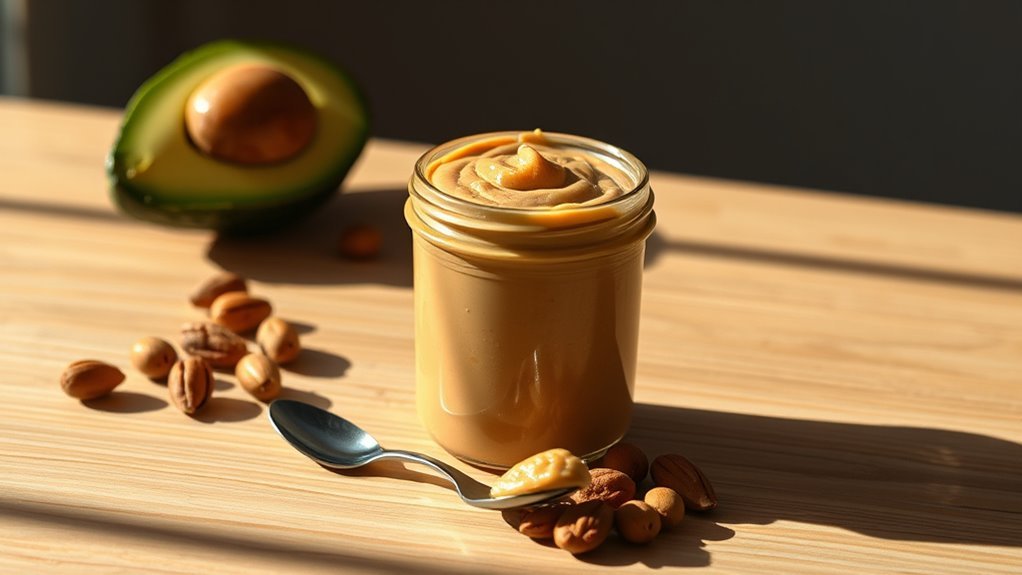

Yes, peanut butter can be a keto-friendly choice if selected carefully. It’s rich in healthy fats and protein, with low net carbs when you choose natural varieties without added sugars. A typical serving offers satiety and essential nutrients. Be mindful of portion sizes to stay within your carb limits. Additionally, exploring various ways to incorporate it into your meals can enhance your keto experience. There’s more to discover about peanut butter options and strategies that suit your diet.
Understanding the Ketogenic Diet
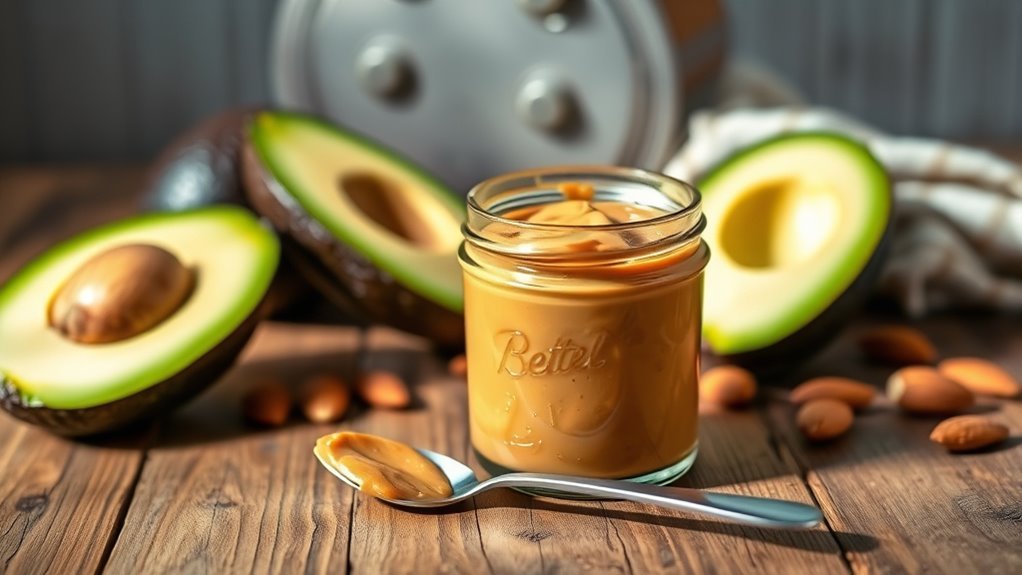
To understand the ketogenic diet, you need to grasp its fundamental premise: drastically reducing carbohydrate intake while increasing fat consumption. The keto principles emphasize that by limiting carbs, your body enters a state of ketosis, where it burns fat for fuel instead of glucose. This shift can lead to weight loss and improved energy levels. Dietary fats become your primary source of energy, replacing the carbohydrates you typically rely on. It’s essential to choose healthy fats, such as avocados, nuts, and olive oil, to support overall health. While the idea of eating more fat might seem counterintuitive, many find that this approach offers a sense of freedom from constant hunger, allowing for a more satisfying and sustainable way of eating.
Nutritional Profile of Peanut Butter
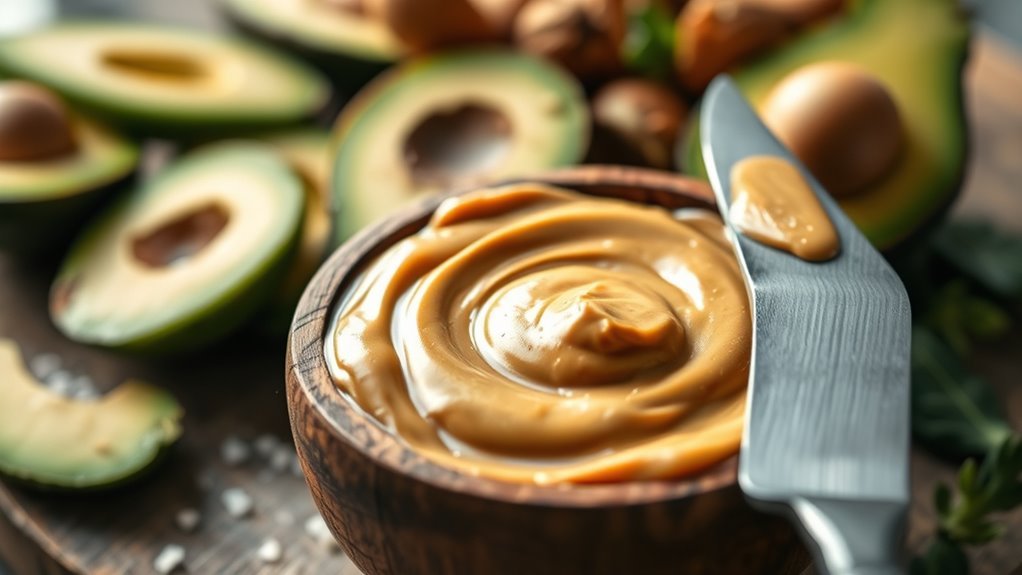
Peanut butter can be a tasty addition to a ketogenic diet, but understanding its nutritional profile is key to making the right choices. Here are some nutritional benefits of peanut butter that you should consider:
- High in Healthy Fats: It contains monounsaturated and polyunsaturated fats, which are beneficial for heart health.
- Rich in Protein: Peanut butter provides a good source of protein, helping you feel fuller for longer and supporting muscle maintenance.
- Packed with Nutrients: It’s loaded with vitamins and minerals like vitamin E, magnesium, and potassium, contributing to overall health.
Carbohydrate Content in Peanut Butter
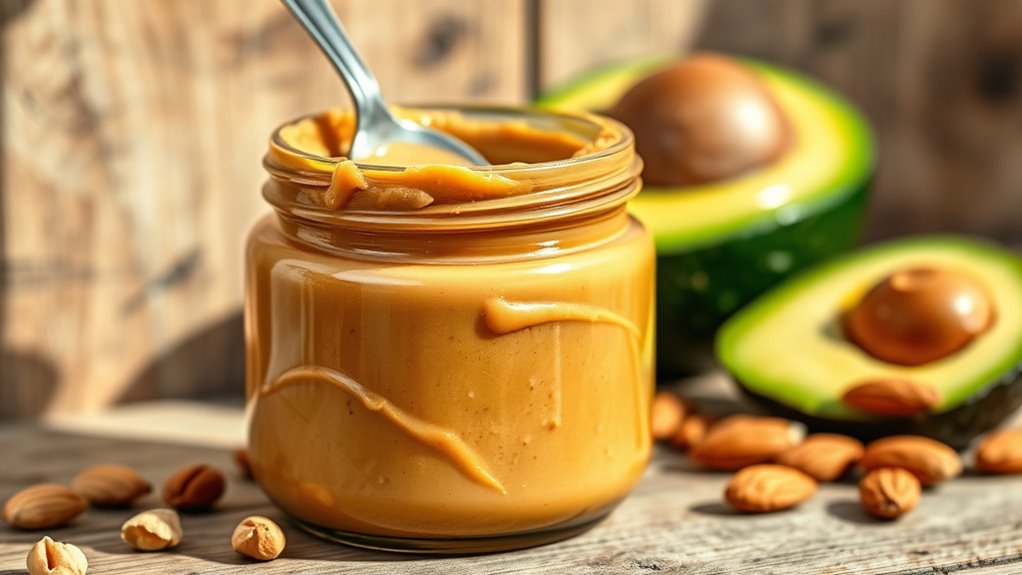
When considering peanut butter on a keto diet, it’s important to look at its carbohydrate content. Typically, a two-tablespoon serving has around 6-7 grams of total carbohydrates, but when you account for fiber, the net carbs can be lower. Understanding this nutritional breakdown will help you assess how it fits into your keto goals.
Nutritional Breakdown of Peanut Butter
Nut butter enthusiasts often wonder about its carbohydrate content, especially when following a keto diet. Peanut butter can be a delicious option, but understanding its nutritional breakdown is vital for your dietary choices. Here are some important points to take into account:
- Carbohydrate Content: Peanut butter typically contains around 6-8 grams of carbs per two-tablespoon serving, making it essential to check portions.
- Fat Content: It’s high in healthy fats, with about 16 grams per serving, which aligns well with keto principles.
- Nutritional Comparisons: Compared to other nut butters, like almond or cashew, peanut butter often has a slightly higher carb count but remains a popular choice for its taste and texture.
Net Carbs per Serving
A typical two-tablespoon serving of peanut butter contains about 4-6 grams of net carbs, depending on the brand and whether it’s sweetened or contains additives. When making nutritional comparisons, it’s essential to check the label for any hidden sugars or carbs that could impact your keto plan. Unsweetened, natural peanut butter generally offers the best carb profile.
For serving suggestions, you might enjoy it with celery sticks, or use it as a dip for keto-friendly veggies. Just remember, while peanut butter can fit into your ketogenic lifestyle, moderation is key. Balancing your intake with other low-carb foods will help you maintain your desired macros and enjoy the freedom of a varied diet.
Impact on Keto Goals
Peanut butter can be a satisfying addition to a keto diet, but its impact on your goals largely hinges on its carbohydrate content. To manage those peanut butter cravings while staying on track, consider these key points:
- Serving Size: Stick to a 2-tablespoon serving to keep carbs in check.
- Type of Peanut Butter: Opt for natural varieties without added sugars for a lower carb count.
- Balance With Other Foods: Pair peanut butter with low-carb snacks, like celery or cucumber, to maintain your keto macros.
Incorporating peanut butter as a keto snack can be enjoyable, but you’ll want to monitor your intake to guarantee it aligns with your overall dietary goals. Stay informed, and enjoy the freedom of choice within your keto lifestyle!
Types of Peanut Butter and Their Variations
When choosing peanut butter, you’ll find natural and processed varieties, each with distinct ingredients and nutritional profiles. Natural peanut butter typically contains just peanuts and possibly salt, while processed options often include added sugars and oils that can impact your keto diet. Additionally, flavored peanut butters can offer unique tastes, but it’s crucial to check their carbohydrate content to verify they fit within your dietary goals.
Natural vs. Processed Types
How do natural and processed peanut butter options stack up for those on a keto diet? When evaluating your choices, it’s crucial to weigh the benefits and potential health risks associated with each type. Natural peanut butter typically contains minimal ingredients, focusing on peanuts and possibly salt, while processed varieties often include added sugars and unhealthy oils.
Here are three key differences to reflect on:
- Ingredients: Natural peanut butter usually has natural ingredients, making it a cleaner choice.
- Nutritional Profile: Processed types may have higher carb counts due to added sugars.
- Health Risks: Consuming processed options can lead to unwanted weight gain and other health issues if you’re not careful.
Ultimately, choosing natural peanut butter can support your keto journey better.
Flavored Peanut Butter Options
Exploring the world of peanut butter can lead you to a variety of flavored options that add exciting twists to your keto-friendly meals. Flavored varieties like chocolate, cinnamon, or vanilla can enhance your snacks and recipes. However, it’s vital to pay attention to ingredient considerations. Some flavored peanut butters may contain added sugars or unhealthy oils that can disrupt your keto goals. Always check the label for net carbs and ingredient quality. Opt for brands that use natural flavorings and minimal additives. Experimenting with these options can make your keto journey more enjoyable while still keeping you within your dietary limits. So, don’t hesitate to indulge in a little flavor, but stay mindful of what’s in your jar!
How Peanut Butter Fits Into a Keto Meal Plan
While many might question the compatibility of peanut butter with a keto meal plan, it actually serves as a versatile option for those focused on low-carb eating. You can incorporate it into your diet in various ways:
- Keto Snacks: Pair peanut butter with celery or cucumber slices for a satisfying, low-carb treat.
- Peanut Butter Recipes: Use it in keto-friendly desserts, like fat bombs or smoothies, to boost flavor and healthy fats.
- Breakfast Options: Spread it on almond flour pancakes or add it to chia seed pudding for a hearty morning meal.
Portion Control: Serving Sizes on Keto
Understanding portion control is essential when following a keto diet, as even healthy foods can contribute to exceeding your carbohydrate limits if consumed excessively. To manage your intake effectively, you need to be mindful of serving sizes. Peanut butter, while nutritious, is calorie-dense, so measuring your portions can help you stay within your carb goals.
| Food Item | Suggested Serving Size |
|---|---|
| Peanut Butter | 2 tablespoons |
| Almonds | 1 ounce (about 23 nuts) |
| Avocado | 1/2 medium |
Health Benefits of Peanut Butter
Peanut butter offers a range of health benefits that can complement a keto diet, especially when consumed in moderation. Its nutritional benefits are numerous, making it a great addition to your meals. Here are three key advantages:
- Rich in Healthy Fats: Peanut butter contains monounsaturated fats, which can support heart health by reducing bad cholesterol levels.
- High in Protein: It provides a good source of plant-based protein, essential for muscle repair and growth.
- Packed with Nutrients: Peanut butter is rich in vitamins and minerals like vitamin E, magnesium, and potassium, contributing to overall well-being.
Alternatives to Peanut Butter on Keto
For those following a keto diet, finding alternatives to peanut butter can be essential for variety and nutritional balance. One popular substitute is almond butter, which offers a rich, nutty flavor and is low in carbs while being high in healthy fats and protein. It’s also packed with vitamins and minerals, making it a nutritious choice. Another excellent option is sunflower seed butter, perfect for those with nut allergies. It’s low in carbs and rich in vitamin E and magnesium, providing a different taste profile to keep your meals interesting. Both alternatives can easily be incorporated into smoothies, snacks, or as spreads, ensuring you maintain your keto lifestyle without sacrificing flavor or nutrition.
Tips for Choosing Keto-Friendly Peanut Butter
When you’re selecting a keto-friendly peanut butter, it’s important to pay attention to the ingredient list and nutritional content. Not all peanut butters are created equal, and some can sabotage your keto lifestyle. Here are three tips to keep in mind:
- Look for minimal ingredients: Choose brands with just peanuts and salt. Avoid added sugars or hydrogenated oils, as these can increase carb counts.
- Check the nutritional label: Aim for options with high healthy fats and low net carbs. A good balance is around 2-3 grams of net carbs per serving.
- Consider texture: Whether you prefer creamy or chunky, make sure it fits your taste for enjoyable keto snacks without compromising your health goals.
1. Is peanut butter allowed on a keto diet?
Yes, peanut butter can be included in a keto diet, as it is low in carbohydrates and high in healthy fats. However, it’s important to choose natural, unsweetened peanut butter without added sugars or hydrogenated oils. Always check the nutritional label to ensure it fits within your daily carb limits.
2. How many carbs are in peanut butter?
On average, a two-tablespoon serving of natural peanut butter contains about 6-8 grams of carbohydrates, with around 2-4 grams of fiber. This means the net carbs can be as low as 2-4 grams, making it a suitable option for those following a keto diet.
3. Can peanut butter kick you out of ketosis?
Peanut butter is unlikely to kick you out of ketosis if consumed in moderation and as part of a balanced keto diet. However, if you eat it in excessive amounts or choose varieties with added sugars, it could increase your carb intake beyond your limit, potentially affecting your state of ketosis.
4. What are the nutritional benefits of peanut butter on keto?
Peanut butter provides a good source of protein, healthy monounsaturated fats, and essential vitamins and minerals such as vitamin E, magnesium, and potassium. These nutrients can help support overall health, provide energy, and keep you feeling full, all of which can be beneficial on a keto diet.
5. Are there any alternatives to peanut butter for a keto diet?
Yes, there are several alternatives to peanut butter that are also keto-friendly. Some popular options include almond butter, macadamia nut butter, and sunflower seed butter. These alternatives can provide different flavors and nutrient profiles while still offering healthy fats and low carbs.
References
- https://www.healthline.com/nutrition/peanut-butter-keto
- https://www.medicalnewstoday.com/articles/324069
- https://www.ncbi.nlm.nih.gov/pmc/articles/PMC5452224/
- https://www.dietdoctor.com/low-carb/peanut-butter
- https://www.washingtonpost.com/food/2020/01/24/peanut-butter-keto-diet/
- https://www.cdc.gov/nutrition/index.html
- https://www.sciencedirect.com/science/article/pii/S2212267218301171
- https://www.nutrition.gov/topics/nutrition-101/healthy-eating-guide