

Peanut butter can be a good addition to a ketogenic diet if consumed in moderation and when choosing the right type. Its rich nutrient profile, including healthy fats and low carbohydrates, makes it a favorable option for those adhering to keto. However, understanding its nutritional aspects, benefits, and potential drawbacks is essential for effective incorporation into your diet. This article will explore the nutritional aspects of peanut butter, its benefits and drawbacks on a keto diet, and how to incorporate it effectively.
Nutritional Breakdown of Peanut Butter
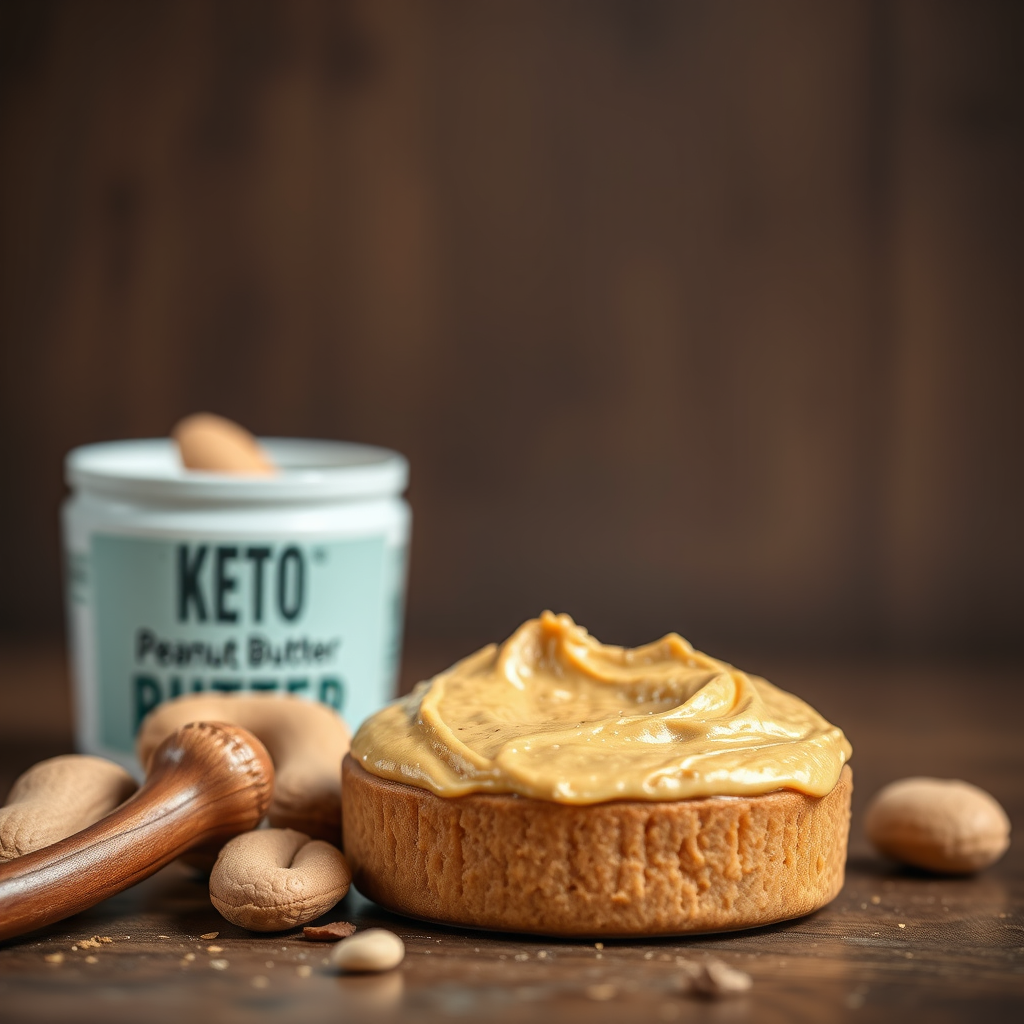
Peanut butter is predominantly composed of healthy fats, with a significant portion being monounsaturated and polyunsaturated fats, which are beneficial for heart health. A two-tablespoon serving of natural peanut butter typically contains around 16 grams of fat, 8 grams of protein, and only 6-8 grams of carbohydrates, depending on the brand. This low carbohydrate content is crucial for those on a ketogenic diet, which typically limits daily carb intake to around 20-50 grams. The protein content in peanut butter can also support muscle maintenance during ketosis, making it a versatile option for those looking to preserve lean muscle mass while losing fat.
Additionally, peanut butter is rich in several vitamins and minerals, including magnesium, vitamin E, and potassium. Magnesium plays a vital role in over 300 biochemical reactions in the body, and adequate levels can support energy production and muscle function. Vitamin E is an antioxidant that helps combat oxidative stress, while potassium is essential for maintaining proper nerve and muscle function. Together, these nutrients contribute to the overall health benefits of incorporating peanut butter into a keto diet.
Types of Peanut Butter for Keto
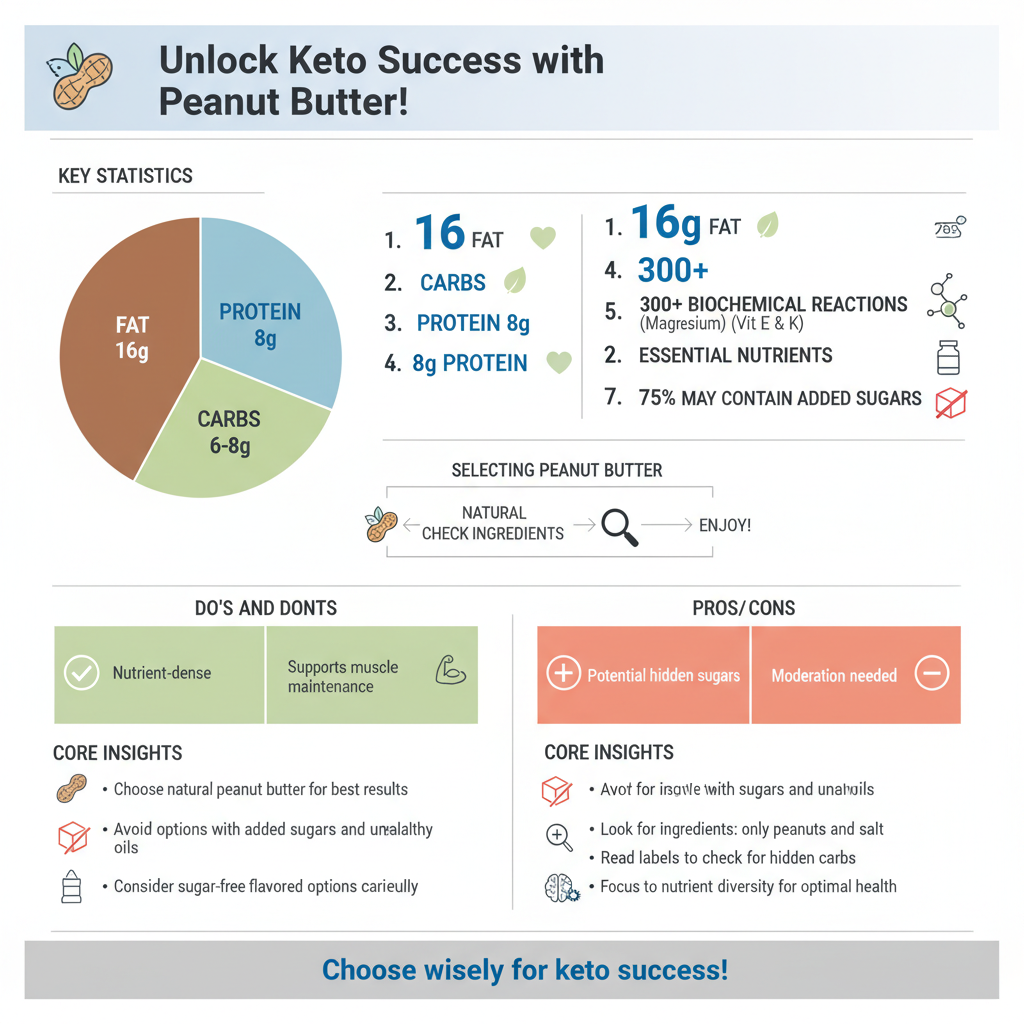
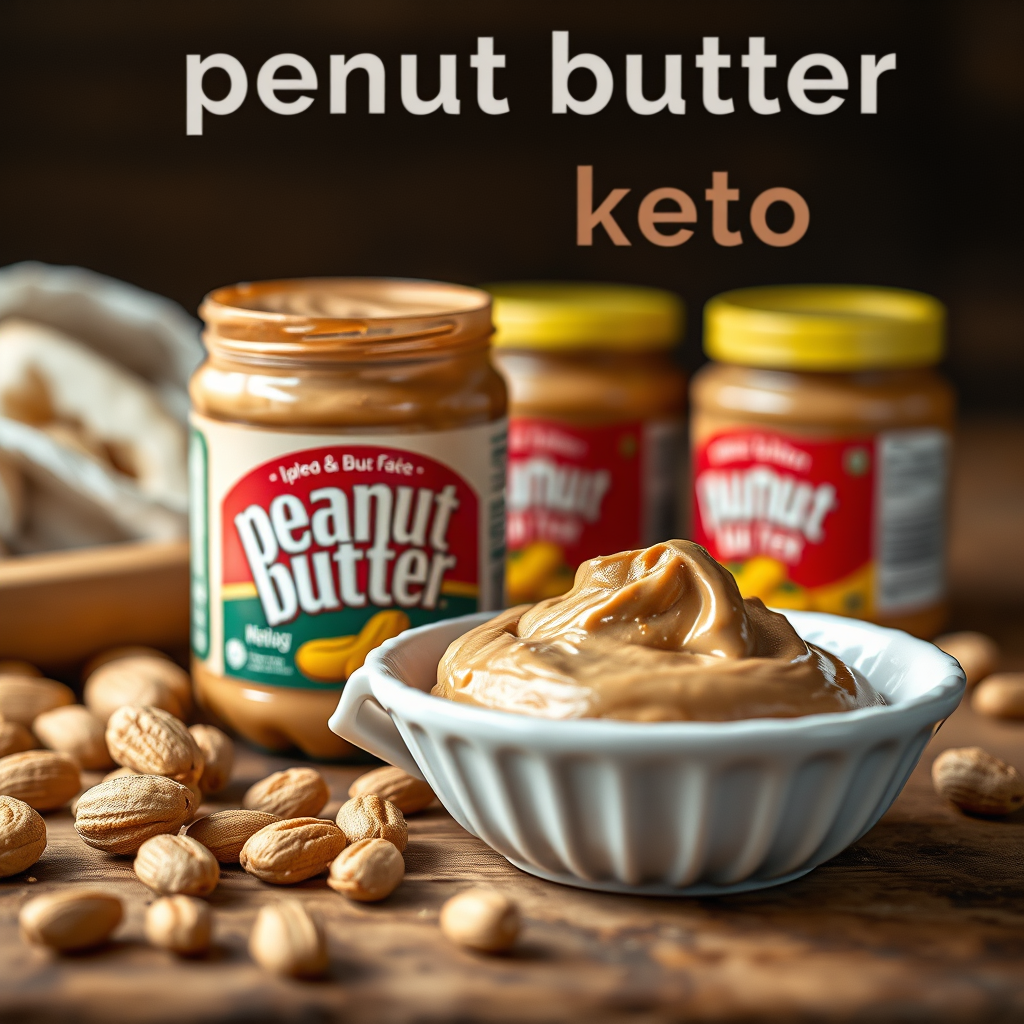
When selecting peanut butter for a keto diet, the type you choose matters significantly. Natural peanut butter is generally the best option, as it contains minimal additives and sugars. Look for products that list only peanuts (and possibly salt) in the ingredients, avoiding those with added sugars, which can sneak in unnecessary carbohydrates.
Sugar-free options are also available and can be beneficial for those who enjoy flavored peanut butter. Be cautious, however, as some brands may use sugar substitutes that can still impact blood sugar levels. Always read ingredient labels carefully to ensure there are no hidden carbs or unhealthy oils, such as hydrogenated oils, which can negate the health benefits of peanut butter.
It’s also worth noting that nut butters made from other nuts, like almond or cashew butter, can offer similar benefits and might be worth considering for variety in your diet.
Health Benefits of Peanut Butter on Keto
Incorporating peanut butter into a ketogenic diet can provide various health benefits. One of its primary advantages is its ability to serve as a source of energy while keeping carbohydrate intake low. This makes peanut butter an excellent snack option for those looking to maintain energy levels without compromising their ketosis state.
Moreover, peanut butter is packed with essential vitamins and minerals. The presence of magnesium helps in regulating blood pressure and supporting muscle function, while vitamin E aids in maintaining a healthy immune system. The combination of these nutrients can contribute to overall well-being, especially for those on a restrictive diet like keto.
Another significant benefit is that peanut butter may aid in satiety. The healthy fats and protein content can help you feel full longer, potentially reducing overall calorie intake and helping with weight management. This is particularly advantageous for individuals on keto who may struggle with hunger during the initial phases of the diet.
Potential Drawbacks of Peanut Butter on Keto
While peanut butter offers numerous benefits, it is not without its potential drawbacks. One significant concern is its high-calorie density. A two-tablespoon serving can contain around 190-200 calories, which can add up quickly if portions are not monitored. For those trying to lose weight, it’s crucial to be mindful of portion sizes to avoid excessive calorie intake that could hinder weight loss goals.
Additionally, some individuals may have sensitivities or allergies to peanuts. Peanut allergies are relatively common and can lead to severe reactions in some people. If you have a known sensitivity, it’s essential to avoid peanut butter altogether and consider alternative nut butters or other sources of healthy fats.
Lastly, peanut butter can trigger cravings for other carb-rich foods in some individuals. The taste and texture may lead to mindless snacking or overeating, especially if one is not careful about serving sizes. It’s important to be aware of your eating habits and how peanut butter affects your cravings and appetite.
How to Incorporate Peanut Butter into Your Keto Diet
Incorporating peanut butter into your keto diet can be both enjoyable and beneficial if done thoughtfully. Here are some practical ways to do so:
1. Use as a Spread: Spread natural peanut butter on low-carb bread or celery sticks for a satisfying snack. This can be an excellent way to curb hunger between meals without exceeding your carbohydrate limit.
2. Smoothies and Desserts: Add a tablespoon of peanut butter to smoothies or keto-friendly desserts to enhance flavor and nutritional value. It pairs well with unsweetened almond milk, spinach, and protein powder for a delicious and nutritious treat.
3. Portion Control: To avoid excessive calorie intake, always measure out your peanut butter servings. Using a kitchen scale or measuring spoons can help you keep your portions in check, ensuring you enjoy its benefits without overdoing it.
4. Keto Recipes: Explore various recipes that feature peanut butter, from fat bombs to cookies. These creative options can add variety to your diet while keeping it aligned with your keto goals.
Recipes Featuring Peanut Butter for Keto
There are numerous delicious recipes that showcase peanut butter while keeping carbohydrate content low. Here are a few to consider:
1. Keto Peanut Butter Cookies: Combine almond flour, natural peanut butter, an egg, and a sugar substitute for a simple, low-carb cookie. Bake at 350°F for about 10 minutes for a delightful treat that satisfies your sweet tooth without derailing your keto efforts.
2. Peanut Butter Fat Bombs: Mix peanut butter with coconut oil and a low-carb sweetener, then freeze them in silicone molds. These fat bombs make for a quick snack that can help keep you in ketosis.
3. Peanut Butter Smoothies: Blend unsweetened almond milk, a tablespoon of peanut butter, a handful of spinach, and ice for a creamy, nutritious breakfast option. This smoothie is low in carbs and high in healthy fats, perfect for starting your day.
Incorporating these recipes into your meal plan can help you enjoy the taste of peanut butter while adhering to your ketogenic lifestyle.
Peanut butter can be a valuable addition to a ketogenic diet when chosen wisely and consumed in moderation. Its healthy fats, protein content, and essential nutrients make it a nutrient-dense option for those looking to maintain their energy levels and support their overall health. However, being mindful of portion sizes and potential sensitivities is crucial for a successful keto experience. So, consider experimenting with various peanut butter recipes and find ways to incorporate this tasty ingredient into your diet while staying within your carbohydrate limits.
Frequently Asked Questions
Is peanut butter low in carbs and suitable for a keto diet?
Yes, peanut butter can be low in carbs and thus suitable for a ketogenic diet. A typical serving of natural peanut butter contains about 3-4 grams of net carbs per two tablespoons, making it a reasonable option for those aiming to maintain a low carbohydrate intake. However, it’s essential to choose varieties that are free from added sugars and hydrogenated oils to stay aligned with keto principles.
How can I incorporate peanut butter into my keto meal plan?
Incorporating peanut butter into your keto meal plan can be simple and delicious. You can use it as a spread on low-carb bread, mix it into smoothies for added creaminess, or use it in keto-friendly desserts like fat bombs. Just be mindful of portion sizes, as the calories can add up quickly, which is crucial when managing macronutrient intake on a ketogenic diet.
Why is peanut butter considered a good source of healthy fats for keto?
Peanut butter is considered a good source of healthy fats for a keto diet because it contains monounsaturated and polyunsaturated fats, which can help maintain heart health. Additionally, its fat content provides a satisfying feeling of fullness, which can help curb cravings and reduce overall calorie intake. Just ensure to opt for natural varieties to maximize the health benefits without unwanted additives.
What are the best types of peanut butter for a keto diet?
The best types of peanut butter for a keto diet are those that are labeled as “natural” or “no added sugar.” Look for brands that contain only peanuts and possibly a pinch of salt, avoiding those with added sugars or unhealthy oils. Brands like Smucker’s Natural and Crazy Richard’s offer great options that fit well within the ketogenic framework while providing rich flavor and texture.
Can peanut butter cause weight gain on a keto diet?
While peanut butter is a keto-friendly food, it can contribute to weight gain if consumed in excessive amounts due to its high-calorie density. It’s crucial to monitor portion sizes, as even healthy fats can lead to surplus calorie intake. To keep your weight in check while enjoying peanut butter, consider measuring your servings and balancing them within your overall daily macronutrient goals.