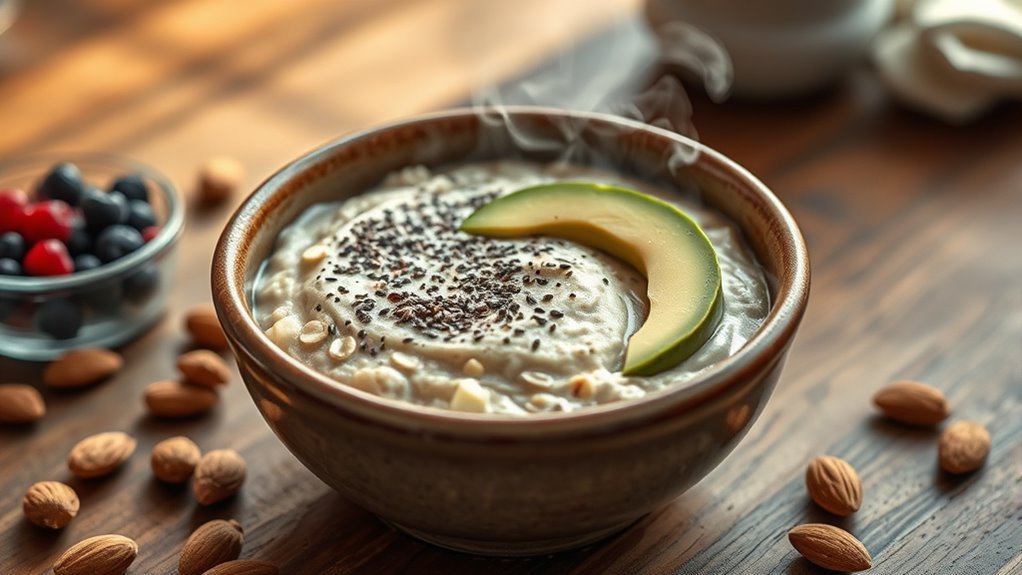

Oatmeal isn’t typically considered keto-friendly due to its high carbohydrate content. A standard serving contains about 27 grams of carbs, which can disrupt ketosis. However, if you’re keen on including oatmeal, portion control is essential. Mixing it with low-carb ingredients can help manage carb intake. Plus, there are numerous alternatives that may suit a ketogenic diet better. Discovering more about these options can empower your choices in sticking to your keto lifestyle.
Understanding the Ketogenic Diet

When you think about the ketogenic diet, it’s vital to understand its core principles, especially if you’re considering it for weight loss or health benefits. At its heart, the ketogenic diet emphasizes high fat, moderate protein, and very low carbohydrate intake. This macronutrient shift encourages your body to enter a state of ketosis, where it burns fat for fuel instead of glucose. By adhering to these ketogenic principles, many people report improved energy levels, mental clarity, and even reduced inflammation. However, it’s essential to approach this diet with balance, as not all fats are created equal. Understanding how this dietary shift can impact your health will empower you to make informed decisions while enjoying the freedom to choose foods that align with your goals. Limiting carbs is crucial for success on the ketogenic diet.
Nutritional Profile of Oatmeal
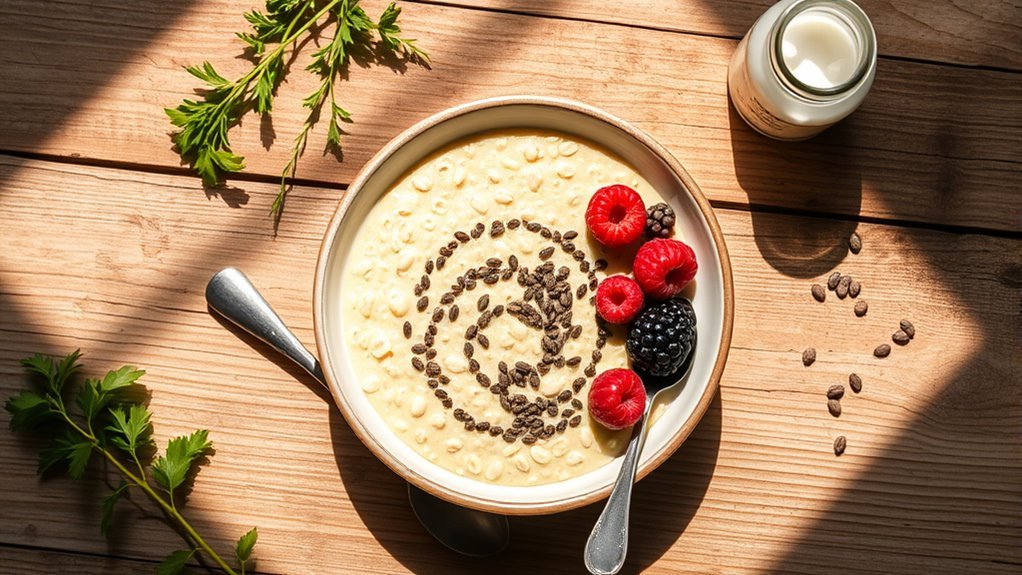
Oatmeal is often celebrated for its health benefits, but when considering its fit within a ketogenic diet, understanding its nutritional profile is essential. While oatmeal provides essential nutrients, it also comes with some drawbacks for those on keto.
| Nutrient | Benefits | Drawbacks |
|---|---|---|
| Fiber | Aids digestion | May increase carb intake |
| Protein | Supports muscle health | Lower compared to meats |
| Vitamins & Minerals | Boosts overall health | Some may be lost during processing |
Incorporating oatmeal can offer heart-healthy benefits and sustained energy. However, its carbohydrate content can be a concern for those strictly following keto. Balancing these factors is vital to making informed dietary choices, particularly because the ketogenic diet emphasizes low carbohydrates to maintain ketosis.
Carbohydrate Content in Oatmeal
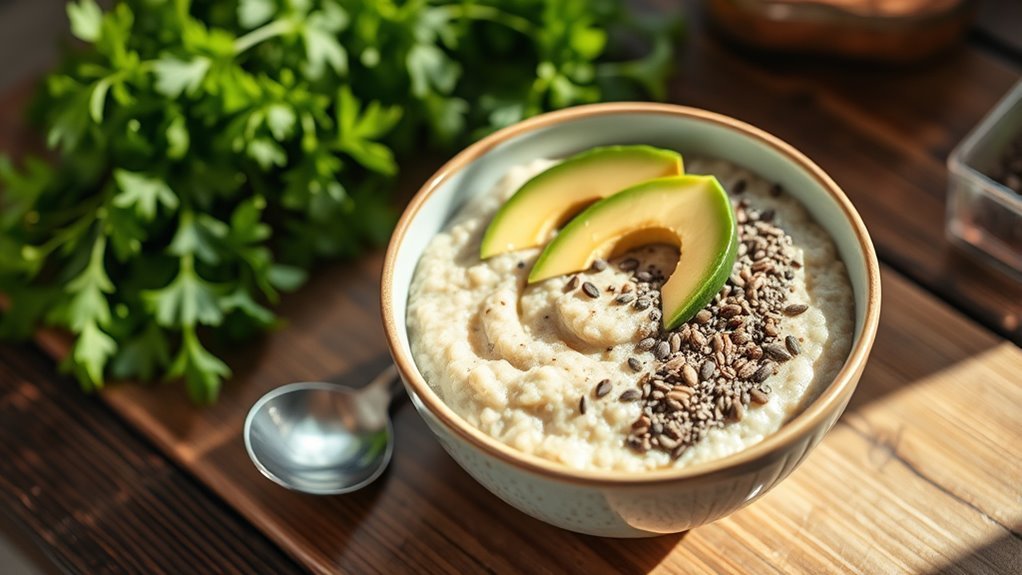
A typical serving of oatmeal contains around 27 grams of carbohydrates, which can pose a challenge for those adhering to a ketogenic diet. If you’re looking to keep your carb intake low, consider these oatmeal alternatives:
- Chia Seeds: High in fiber and low in carbs, they can be a great base for pudding.
- Flaxseed Meal: This can be used in low carb recipes for baked goods, adding a nutty flavor and nutrients.
- Coconut Flour: A versatile option for pancakes and muffins, it’s low in carbs and high in healthy fats.
Each of these alternatives provides a way to enjoy breakfast while staying within your carb limits. Embracing these options can help you maintain your keto lifestyle without feeling deprived. Additionally, it’s important to note that oatmeal milk typically contains around 16 grams of carbs per cup, which can also impact your daily carb intake on a ketogenic diet.
The Role of Fiber in a Keto Diet
When following a keto diet, understanding the role of dietary fiber is essential for your overall health. Fiber-rich foods can help you maintain digestive health while balancing your carbohydrate intake. By selecting the right fiber sources, you can stay within your carb limits and support your keto lifestyle effectively. Additionally, choosing fiber from low-carb sources can enhance your ability to maintain ketosis while promoting overall well-being.
Importance of Dietary Fiber
Dietary fiber plays an essential role in the overall success of a keto diet, often overlooked amidst the focus on low carbohydrates. Including fiber in your meals can offer numerous health benefits, particularly in supporting digestive health. Here are three key reasons to prioritize fiber:
- Promotes Regularity: Fiber helps maintain bowel health and prevents constipation, a common issue on low-carb diets.
- Enhances Satiety: It keeps you feeling full longer, making it easier to stick to your keto goals without feeling deprived.
- Stabilizes Blood Sugar: Fiber can help modulate blood sugar levels, reducing spikes and crashes that can disrupt your energy. Additionally, incorporating low-carb vegetables into your diet can significantly boost your fiber intake while adhering to keto guidelines.
Fiber-Rich Foods Selection
Incorporating fiber-rich foods into your keto diet not only supports digestive health but also enhances overall well-being. By including diverse fiber sources like avocados, chia seeds, and leafy greens, you can reap significant fiber benefits, such as improved gut health and reduced cravings. These foods help you stay satiated while keeping your carb intake low, allowing you to maintain ketosis. Plus, fiber aids in stabilizing blood sugar levels, which is vital for energy management. When you choose high-fiber vegetables and healthy fats, you create a fulfilling meal plan that promotes freedom in your dietary choices. Prioritizing these nutrient-dense options guarantees you’re not just following a keto diet, but thriving on it. Additionally, incorporating fruits like berries can provide essential vitamins while keeping carbs in check.
Balancing Carbs With Fiber
How can you effectively balance carbs with fiber on a keto diet? Achieving this balance is essential for staying in ketosis while enjoying the benefits of fiber. Here are three key fiber sources that can help you with carb balancing:
- Chia Seeds – Packed with fiber and low in net carbs, they can enhance your meals.
- Avocado – Not only a healthy fat, but it’s also a great fiber source, providing essential nutrients without spiking your carb intake.
- Leafy Greens – Foods like spinach and kale offer fiber while keeping carbs minimal, making them perfect for keto.
Incorporating these fiber sources can help you manage your overall carb intake while reaping the benefits of a high-fiber diet, keeping your gut healthy and satisfied. Additionally, including moderate carb sources like salted pistachios in your diet can provide healthy fats and protein while still maintaining a balanced carb intake.
How Oatmeal Affects Ketosis
While many people turn to oatmeal for its health benefits, it’s important to understand its impact on ketosis. Oatmeal is rich in carbohydrates, which can hinder your ability to maintain a ketogenic state. When you consume oatmeal, your body breaks down those carbs into glucose, potentially disrupting ketosis. That said, oatmeal does offer benefits like fiber and essential nutrients, which can support overall health. If you’re aiming for ketosis, you’ll need to evaluate the oatmeal benefits against its ketosis impact. For some, a small portion might fit within their carb limits, but for others, it could be best to explore alternatives that align more closely with a keto lifestyle. Moderation is key when considering high-carb foods like oatmeal in your diet, allowing for informed choices that suit your goals.
Alternatives to Traditional Oatmeal
If you’re looking for keto-friendly alternatives to traditional oatmeal, there are several options that can satisfy your cravings without compromising your dietary goals. Here are three delicious alternatives to take into account:
- Quinoa Porridge: Made with quinoa, almond flour, and flaxseed meal, this warm bowl can be topped with nut butters and hemp hearts for added richness.
- Chia Pudding: Combine chia seeds with coconut yogurt and a splash of almond milk. Let it sit overnight, and add berry toppings in the morning for a revitalizing treat.
- Zucchini Noodles: Spiralize zucchini and sauté it lightly. Mix it with nut butter and sunflower seeds for a savory twist that’s surprisingly filling.
These alternatives provide the texture and satisfaction you crave while aligning with your keto lifestyle. Additionally, they keep your carbohydrate intake in check, which is essential for maintaining ketosis.
Incorporating Oatmeal Into a Low-Carb Diet
When considering oatmeal in a low-carb diet, it’s crucial to look at its carb content and explore alternatives that might suit your goals better. Portion control can also play a significant role in managing your carb intake while still enjoying oatmeal. By understanding these factors, you can make informed choices that align with your dietary needs.
Oatmeal Carb Content
Oatmeal, often hailed for its health benefits, presents a unique challenge for those following a low-carb diet due to its carbohydrate content. You’ll need to be mindful of how oatmeal affects your daily carb intake. Here are some key points to take into account:
- Oatmeal Glycemic Index: Oatmeal has a moderate glycemic index, meaning it can raise blood sugar levels, which may not align with your low-carb goals.
- Oatmeal Serving Size: A typical serving size is about 1/2 cup of dry oats, containing roughly 27 grams of carbs, which can eat into your daily limit.
- Portion Control: Adjusting your portion can help; consider mixing oatmeal with low-carb ingredients to balance your meal.
Low-Carb Alternatives
Finding ways to incorporate oatmeal into a low-carb diet requires creativity and careful planning. You can explore low carb grains like flaxseed meal or chia seeds as oatmeal substitutes while still enjoying the texture and warmth of a hot breakfast. These keto substitutes are high in fiber and healthy fats, making them a satisfying choice. You might also consider blending oatmeal with unsweetened almond flour to create a hybrid that lowers the carb count while keeping some of the familiar flavors. Additionally, adding nuts or seeds can enhance the nutritional profile without greatly increasing carbs. By experimenting with these alternatives, you can enjoy the comforting experience of oatmeal while adhering to your low-carb lifestyle.
Portion Control Strategies
Although incorporating oatmeal into a low-carb diet can be tricky, portion control strategies can help you enjoy its benefits without overstepping your carb limits. Here are three effective strategies to evaluate:
- Measure Your Portions: Use a kitchen scale or measuring cups to keep your oatmeal servings to around 1/4 cup dry, which helps maintain appropriate portion sizes.
- Mix with Low-Carb Ingredients: Combine oatmeal with nuts, seeds, or low-carb fruits to enhance flavor and nutritional value while keeping carbs in check.
- Practice Mindful Eating: Slow down and savor each bite. This helps you feel satisfied with smaller portions, reducing the likelihood of overeating.
Recipes for Keto-Friendly Oatmeal
How can you enjoy a hearty breakfast while sticking to a keto diet? You can explore various keto oatmeal recipes that replace traditional oats with creative oatmeal substitutes. For instance, you might try chia seed pudding, where chia seeds are soaked in almond milk, creating a thick and satisfying texture. Another option is using ground flaxseed mixed with water, producing a warm, porridge-like dish. You could also experiment with cauliflower rice sautéed with cinnamon and sweetener for a unique twist. Topping these dishes with nuts, seeds, or berries can enhance flavor while keeping your carb count low. Additionally, incorporating low-carb alternatives such as berries can help you satisfy your sweet tooth without jeopardizing your dietary goals. These alternatives not only satisfy your morning cravings but also keep you aligned with your keto goals, allowing for freedom in your breakfast choices.
Common Misconceptions About Oatmeal and Keto
Many people think oatmeal is off-limits on a keto diet due to its carbohydrate content, but the reality is more nuanced. It’s important to contemplate the role of fiber, which can lower the net carbs you consume. Understanding these distinctions can help clarify whether oatmeal fits into your keto lifestyle.
Oatmeal Carbohydrate Content
When considering whether oatmeal fits into a keto diet, it is essential to understand its carbohydrate content. Oatmeal typically contains a significant amount of carbs, which can be a concern for those following a strict keto regimen. Here are three key points to keep in mind:
- Oatmeal Serving Sizes: A standard serving (about 1/2 cup dry) contains roughly 27 grams of carbohydrates.
- Glycemic Index: Oatmeal has a moderate glycemic index, meaning it can impact blood sugar levels, especially if consumed in larger amounts.
- Keto Compatibility: For a keto diet, limiting carb intake is important, so consider alternatives or smaller servings if you crave oatmeal.
Understanding these factors can help you make informed choices while enjoying the freedom of a varied diet.
Fiber vs. Net Carbs
While oatmeal is often praised for its health benefits, misconceptions about fiber and net carbs can lead to confusion for those following a keto diet. Many people think that all carbs are created equal, but fiber benefits your health by promoting digestion and satiety without greatly impacting blood sugar levels. When calculating net carbs, you subtract fiber from total carbohydrates, which can make oatmeal seem more keto-friendly than it really is. A typical serving of oatmeal contains a considerable amount of carbs, even when accounting for fiber. So, if you’re committed to a strict keto lifestyle, it’s crucial to evaluate how oatmeal fits into your overall carb intake. Understanding these concepts can empower your dietary choices, allowing you to enjoy freedom in your food selections.
Final Thoughts on Oatmeal and Keto Compatibility
Although oatmeal is often praised for its health benefits, its compatibility with a ketogenic diet can be a bit more complex. While you may appreciate the fiber and nutrients oatmeal offers, it’s important to evaluate how it fits within your keto lifestyle. Here are three key points to keep in mind:
Oatmeal’s health benefits must be weighed against its high carb content when following a ketogenic diet.
- Carb Content: Oatmeal is high in carbohydrates, which can disrupt ketosis if consumed in excess.
- Serving Size: If you choose to include oatmeal, limit your portion to manage carb intake effectively.
- Alternatives: Explore low-carb options, like chia seeds or flaxseed meal, to enjoy the benefits without the carbs.
Ultimately, balancing oatmeal’s benefits with your dietary goals is vital for maintaining a successful keto lifestyle.
Frequently Asked Questions
Can I Eat Oatmeal During Intermittent Fasting on Keto?
You can’t eat oatmeal during intermittent fasting on keto if you want to stick to keto guidelines. Imagine a plate filled with rich, creamy fats versus a bowl of hearty oats; the choice becomes clear. While fasting rules allow flexibility, oats are high in carbs, which could disrupt your ketosis. Instead, focus on low-carb options, like eggs or avocados, to satisfy your hunger while keeping you aligned with your goals for both fasting and keto.
What Are the Best Toppings for Keto Oatmeal?
For keto oatmeal, consider toppings like almond butter or coconut cream to boost healthy fats. You can add chia seeds or flaxseeds for extra fiber and omega-3s. Unsweetened shredded coconut and a sprinkle of cinnamon can enhance flavor without adding carbs. If you want a little sweetness, a few berries or a sugar-free sweetener could work. These toppings not only make your oatmeal delicious but also keep you aligned with your keto goals.
How Does Oatmeal Affect Weight Loss on Keto?
Oatmeal can be a double-edged sword in your weight loss journey while on keto. While it’s often seen as a wholesome choice, its carbs might hinder your progress. Instead, consider keto alternatives like chia seeds or flaxseed meal, which provide fiber without the carbs. This way, you can enjoy the benefits of feeling full and satisfied without straying from your weight loss goals. Balance is key to achieving the freedom you desire.
Is Instant Oatmeal Ever Considered Keto-Friendly?
Instant oatmeal isn’t typically considered keto-friendly due to its higher carbohydrate content. If you’re looking for keto alternatives, consider options like chia seeds, flaxseeds, or nut-based cereals, which provide fiber and healthy fats while keeping carbs low. You can enjoy the convenience of instant oatmeal, but be mindful of portion sizes and ingredient labels. Balancing your choices will help you stay on track with your keto goals while enjoying some freedom in your diet.
Can Oatmeal Be Combined With Other Keto Foods?
Yes, you can combine oatmeal with other keto foods, but it’s essential to choose wisely. While traditional oatmeal isn’t keto-friendly, you might consider oatmeal alternatives like chia seeds or flaxseed meal. These can be mixed with low-carb ingredients—like almond milk, nuts, or berries—for a satisfying keto breakfast. Just remember to keep your carb intake in check and focus on maintaining that delicious balance between flavors and nutritional goals!
References
- https://www.healthline.com/nutrition/oatmeal-keto-friendly
- https://www.medicalnewstoday.com/articles/321765
- https://www.ncbi.nlm.nih.gov/pmc/articles/PMC7073059/
- https://www.cdc.gov/nutrition/index.html
- https://www.webmd.com/diet/obesity/what-is-the-keto-diet
- https://www.nutrition.gov/topics/nutrition-basics
- https://www.reuters.com/article/us-health-keto-oatmeal-idUSKCN1V10QQ
- https://www.dietitiansofcanada.ca/Your-Health/Nutrition-Articles/Keto-Diet-FAQs
- https://www.hsph.harvard.edu/nutritionsource/healthy-weight/diet-reviews/
- https://www.eatright.org/health/wellness/preventing-illness/keto-diet-faqs