

Oat flour is generally not considered keto-friendly due to its higher carbohydrate content compared to other low-carb flour alternatives. While oat flour has various nutritional benefits, its significant carbohydrate load makes it unsuitable for those adhering strictly to ketogenic guidelines. In this article, we will explore why oat flour may not fit into a traditional ketogenic diet, examine its nutritional profile, and suggest potential substitutes for those following keto guidelines.
Understanding the Keto Diet

The ketogenic diet emphasizes low carbohydrate intake, typically under 20-50 grams per day, to shift the body’s primary energy source from glucose to fat. This metabolic state, known as ketosis, allows the body to burn stored fat for fuel, leading to weight loss and improved energy levels. The diet is characterized by a high fat, moderate protein, and very low carbohydrate intake, which is essential for achieving and maintaining ketosis. For individuals seeking to lose weight or manage conditions like diabetes, understanding the strict carbohydrate limitations is crucial for success on this diet.
Nutritional Profile of Oat Flour
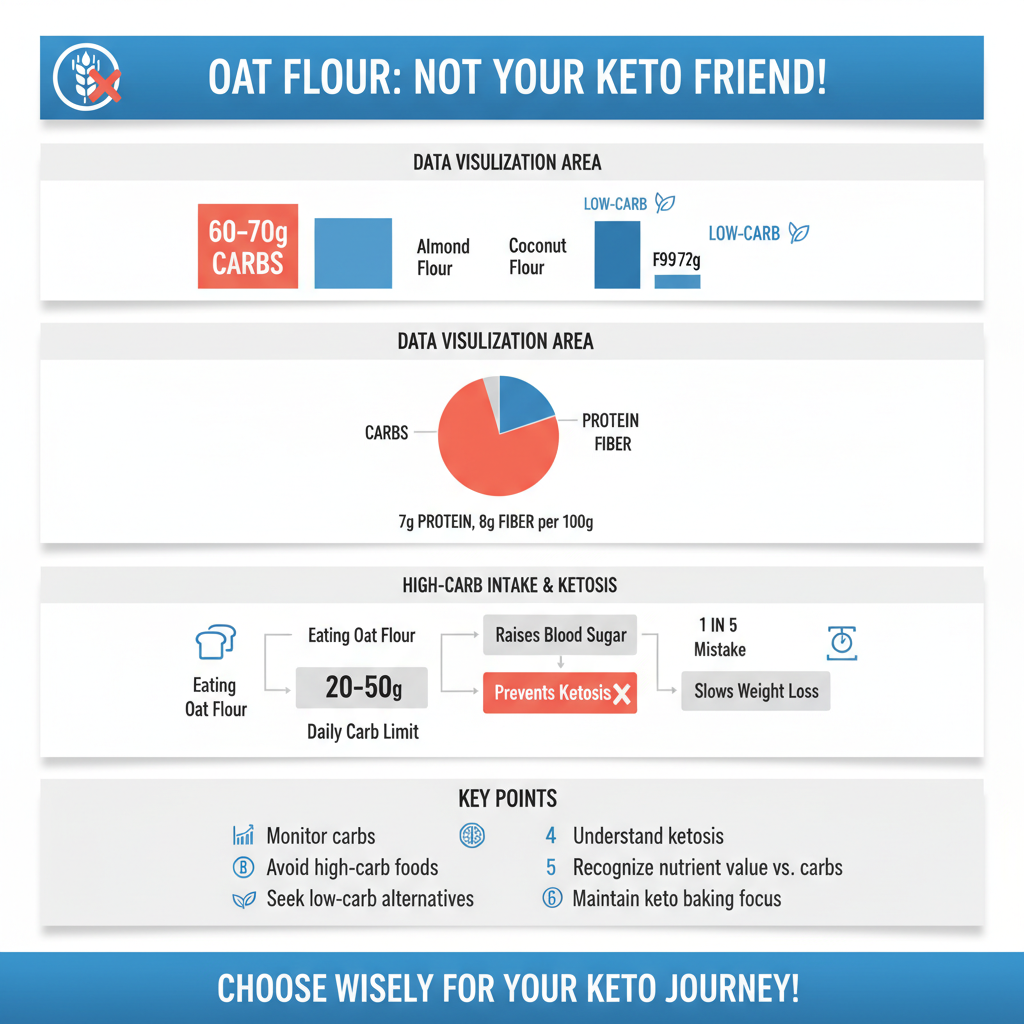

Oat flour contains approximately 60-70 grams of carbohydrates per 100 grams, which is significantly higher than many keto-friendly alternatives. While it does provide beneficial nutrients, including dietary fiber, protein, vitamins, and minerals, its carbohydrate content can quickly surpass an individual’s daily limit on a ketogenic diet. For example, 100 grams of oat flour also contains around 7 grams of protein and 8 grams of fiber, which can be valuable in a balanced diet; however, these benefits are overshadowed by the flour’s high carbohydrate count. Consequently, incorporating oat flour into a keto diet can lead to elevated blood sugar levels, hindering the ability to achieve or maintain ketosis.
The Impact of Carbohydrates on Ketosis
Consuming high-carbohydrate foods like oat flour can significantly hinder the process of ketosis and impede weight loss efforts. When carbohydrate intake exceeds the body’s threshold, it can revert to burning glucose for energy instead of fat. This shift can lead to weight gain, fatigue, and an absence of the desired metabolic benefits associated with ketosis. For individuals committed to a ketogenic lifestyle, it is essential to monitor carbohydrate intake closely to maintain a state of ketosis. Thus, even small amounts of oat flour can disrupt the delicate balance required to stay within the ketogenic parameters.
Alternatives to Oat Flour for Keto Baking
Fortunately, there are several low-carb flour alternatives to oat flour that are well-suited for baking on a ketogenic diet.
– Almond Flour: This nut-based flour is low in carbohydrates and high in healthy fats, making it an excellent substitute for oat flour. Almond flour contains about 10 grams of carbohydrates per 100 grams, along with a good amount of protein and fiber. It is versatile and can be used in a wide range of recipes, from cookies to bread, often providing a moist texture.
– Coconut Flour: Another popular low-carb option, coconut flour is made from dried coconut meat and is also low in carbohydrates, containing approximately 25 grams per 100 grams. However, it is highly absorbent, so recipes may require additional liquid or adjustments to maintain the desired consistency. Coconut flour is rich in fiber and can add a subtle sweetness to baked goods, complementing the flavors of other ingredients.
Both almond and coconut flour can be combined to create a unique flour blend that enhances texture and flavor in keto baking, allowing for creative culinary exploration without compromising dietary goals.
Incorporating Oat Flour in a Balanced Diet
For individuals who are not strictly adhering to the ketogenic diet, oat flour can be a healthy addition when consumed in moderation. It provides numerous benefits, such as improved digestion due to its high fiber content, which can aid in maintaining a healthy gut. Additionally, the complex carbohydrates found in oat flour can lead to sustained energy levels, making it a favorable option for those engaging in regular physical activity. When included as part of a balanced diet, oat flour can contribute to overall health and well-being, offering a source of vitamins and minerals that support various bodily functions.
However, those on a ketogenic diet should carefully weigh the benefits against the risks of exceeding carbohydrate limits. For those who enjoy the flavor and texture of oat flour, it may be best utilized in special occasions or combined with low-carb options to minimize its impact on overall carbohydrate intake.
Tips for Successful Keto Baking
When venturing into keto baking, here are some essential tips to ensure successful outcomes:
– Check Nutritional Labels: Always read the nutritional information on any ingredients used, as even small amounts of hidden carbs can accumulate and disrupt ketosis.
– Experiment with Flour Blends: Combining different low-carb flours can help achieve desired textures and flavors in baked goods. For instance, mixing almond flour with psyllium husk or flaxseed meal can enhance the structure in bread recipes.
– Adjust Recipes: Many traditional baking recipes require adjustments when using low-carb flours. Be prepared to experiment with the ratios of wet and dry ingredients to achieve the perfect consistency.
– Monitor Portions: Even low-carb options can add up; practicing portion control ensures you remain within your daily carbohydrate limits.
By following these tips, you can create delicious keto-friendly baked goods that satisfy cravings while keeping you on track with your dietary goals.
The exploration of oat flour’s compatibility with a keto diet reveals that it is not a good fit due to its high carb content. However, understanding its nutritional benefits and exploring low-carb alternatives can help you maintain your ketogenic lifestyle while still enjoying delicious baked goods. For more keto-friendly recipes and tips, explore our other articles!
Frequently Asked Questions
Is oat flour considered keto-friendly?
Oat flour is generally not considered keto-friendly due to its relatively high carbohydrate content. A typical serving of oat flour contains around 24 grams of carbs per 1/4 cup, which can significantly impact your daily carb limit on a ketogenic diet. For those strictly adhering to keto, it’s advisable to look for low-carb alternatives like almond flour or coconut flour that can fit better into your meal plans.
Can I use oat flour in keto baking recipes?
While some may attempt to use oat flour in keto baking, it’s important to note that it may not yield the desired low-carb results. If you choose to use oat flour, consider reducing the quantity and combining it with other low-carb flours to keep the carb count in check. Many keto-friendly recipes substitute oat flour with almond or coconut flour, which can provide similar textures without the high carbs.
What are the best low-carb alternatives to oat flour for a keto diet?
The best low-carb alternatives to oat flour for a keto diet include almond flour, coconut flour, and flaxseed meal. Almond flour is particularly popular due to its nutty flavor and versatility in various recipes, while coconut flour is highly absorbent and requires adjustments in liquid content. These alternatives not only help reduce carbohydrate intake but also provide healthy fats, making them more suitable for a keto lifestyle.
How does oat flour affect blood sugar levels compared to other flours?
Oat flour tends to have a higher glycemic index compared to low-carb alternatives, which means it can cause a more significant spike in blood sugar levels. This can be a concern for individuals managing diabetes or those following a ketogenic diet. In contrast, low-carb flours like almond and coconut flour have a lower glycemic impact, making them better options for maintaining stable blood sugar levels.
Why do some people choose to include oat flour in their diet despite it being high in carbs?
Some people opt to include oat flour in their diet because it offers a source of whole grains, fiber, and essential nutrients like vitamins and minerals. While it may not align with strict keto guidelines, those following more flexible low-carb diets or those looking for healthier baking options may find oat flour beneficial for its nutritional profile. It’s all about individual dietary preferences and goals, so moderation and mindful consumption are key.