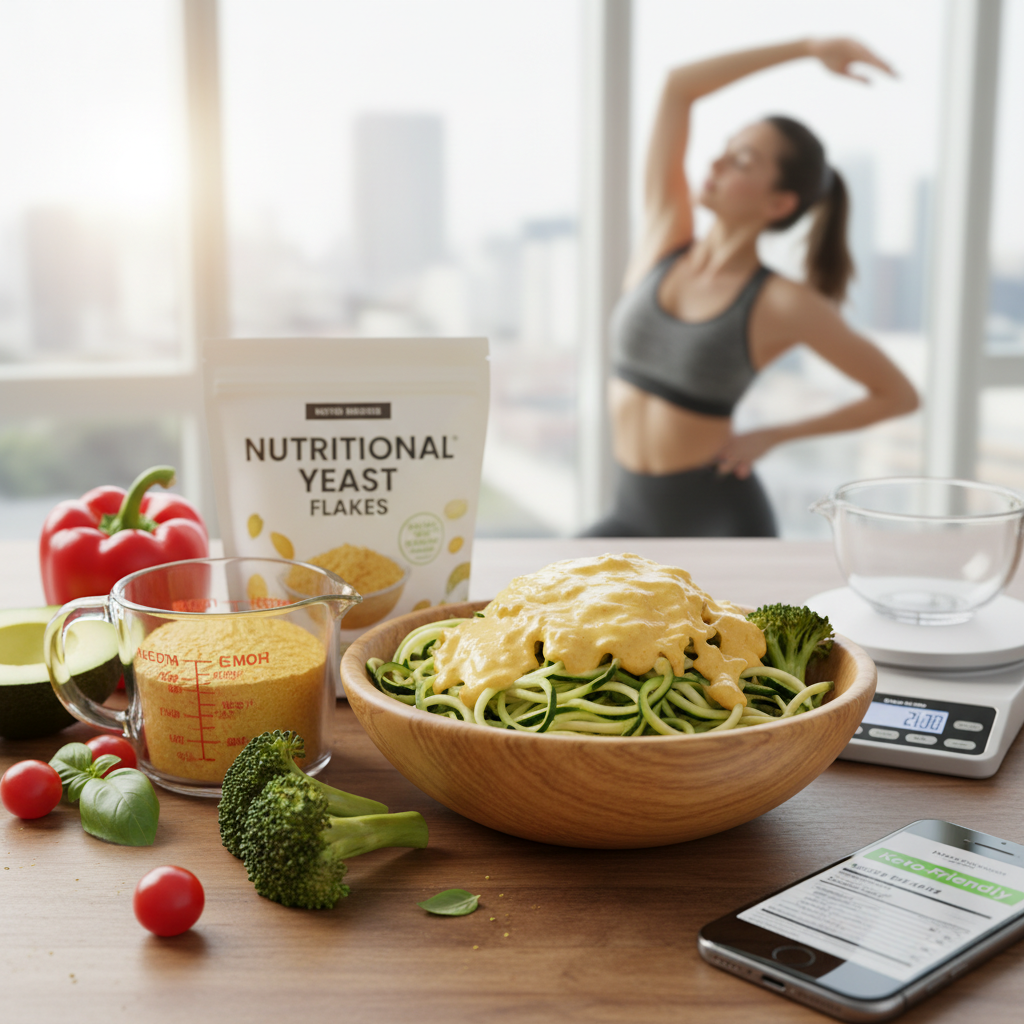

Nutritional yeast is generally considered keto-friendly due to its low carbohydrate content and high nutritional value. This unique ingredient not only fits well within the parameters of a ketogenic diet but also enhances meals with its deliciously cheesy flavor and a wealth of essential nutrients. In this article, we’ll explore what nutritional yeast is, its benefits for a ketogenic diet, and practical ways to incorporate it into your meals while maintaining ketosis.
What is Nutritional Yeast?

Nutritional yeast is a deactivated form of yeast derived from Saccharomyces cerevisiae, a species of yeast used in baking and brewing. Unlike active yeast, which ferments and causes dough to rise, nutritional yeast is inactive and is primarily used as a seasoning and dietary supplement. It is rich in vitamins, particularly B vitamins such as B1 (thiamine), B2 (riboflavin), B3 (niacin), B6 (pyridoxine), and B12 (cobalamin), which are crucial for energy production, brain health, and red blood cell formation. Additionally, it has a naturally cheesy, nutty flavor, making it a popular choice for vegans and those looking to reduce dairy in their diets.
Nutritional yeast is available in the form of flakes, granules, or powder and can be found in health food stores, supermarkets, and online. Its versatility and nutrient density make it a valuable addition to various dietary approaches, particularly the ketogenic diet.
Nutritional Profile of Nutritional Yeast
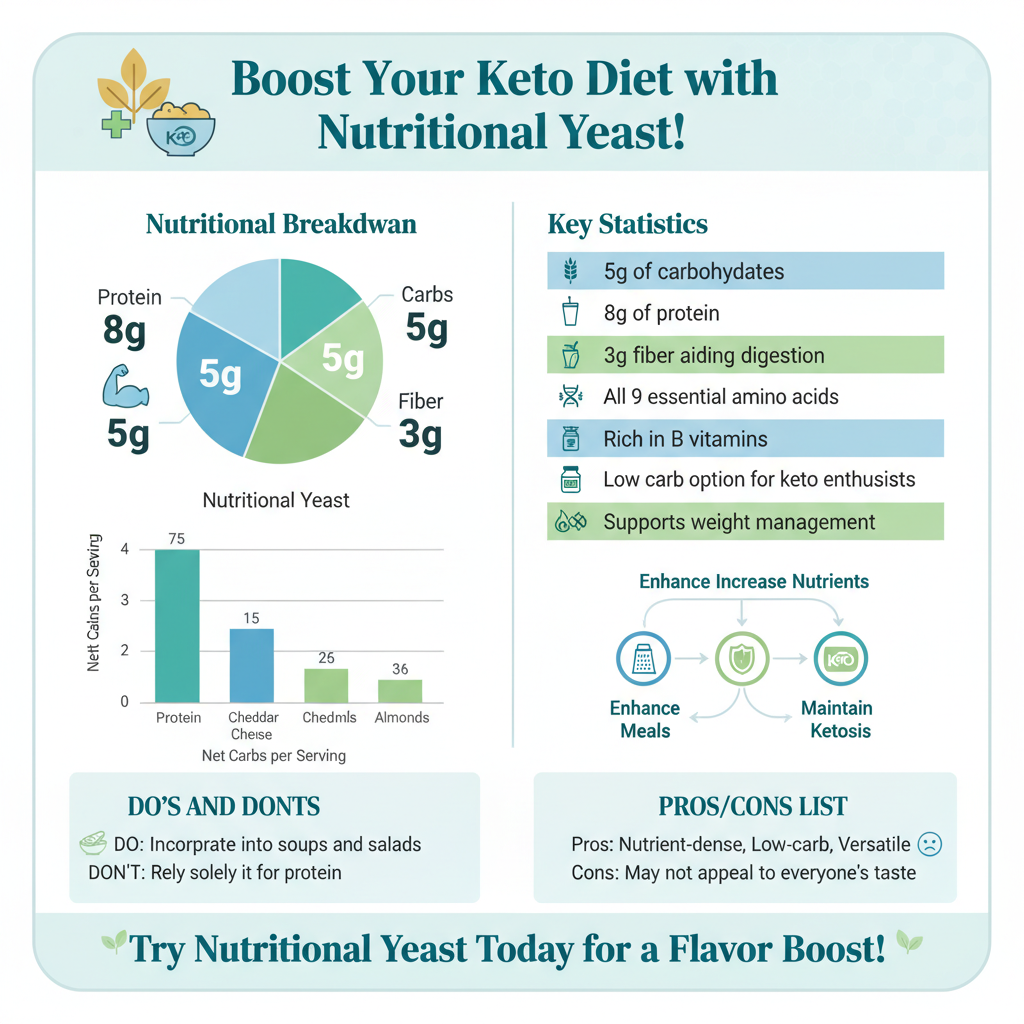

One of the standout features of nutritional yeast is its impressive nutritional profile. Typically, a serving (about two tablespoons) contains approximately 5 grams of carbohydrates, 8 grams of protein, and 3 grams of fiber. This low carbohydrate content makes it a suitable option for those following a ketogenic diet, where the goal is to minimize carbohydrate intake to promote fat burning.
Moreover, nutritional yeast is an excellent source of protein, providing all nine essential amino acids, which are vital for the body’s functions, especially for those adhering to a plant-based diet. Its high fiber content also promotes digestive health and can aid in maintaining a feeling of fullness, which is beneficial for those looking to manage their weight on a keto diet.
Benefits of Nutritional Yeast on a Keto Diet
Incorporating nutritional yeast into a ketogenic diet offers numerous benefits.
First, it boosts nutrient intake without adding significant carbohydrates. Since many ketogenic foods can be limited in variety, nutritional yeast acts as a fantastic supplement to enhance the nutritional density of meals without compromising ketosis.
Second, nutritional yeast adds an umami flavor profile to dishes, making meals more enjoyable and varied. This is especially important in a ketogenic diet, where some might find themselves missing the flavors and textures of traditional high-carb foods. By using nutritional yeast, individuals can create satisfying dishes that keep their taste buds engaged.
Lastly, nutritional yeast is often fortified with additional nutrients, including zinc and selenium, which are essential for immune function and overall health. This fortification provides an extra layer of nutritional support, making it a valuable addition for those on restrictive diets.
How to Use Nutritional Yeast on a Keto Diet
Utilizing nutritional yeast in your meals can be both simple and delicious. Here are some practical ways to incorporate it into a ketogenic diet:
1. Sprinkle on Salads and Vegetables: Nutritional yeast can be sprinkled over salads, roasted vegetables, or steamed greens for an added cheesy flavor. This is an excellent way to enhance the taste while keeping meals keto-friendly.
2. Keto-Friendly Popcorn: For a low-carb snack, consider making popcorn using cheese or nutritional yeast instead of traditional butter and salt. This not only adds flavor but also packs a nutritional punch.
3. Incorporate into Sauces and Soups: Mix nutritional yeast into sauces, dips, or soups to create a creamy texture without the carbs. For example, it can be combined with coconut milk or almond milk to create a delicious vegan cheese sauce.
4. Baked Goods: If you’re experimenting with keto-friendly baking, nutritional yeast can be added to bread or cracker recipes to enhance flavor and nutritional content.
These methods not only make meals more enjoyable but also ensure that you’re receiving the benefits of this nutrient-rich ingredient while adhering to your ketogenic lifestyle.
Potential Concerns or Considerations
While nutritional yeast is generally safe and beneficial for most individuals, there are some considerations to keep in mind:
– Yeast Sensitivities: Some individuals may experience sensitivities or allergies to yeast. If you have a known yeast allergy or experience digestive issues after consuming yeast, it’s best to consult a healthcare provider before incorporating nutritional yeast into your diet.
– Not a Primary Protein Source: Although nutritional yeast contains a good amount of protein, it should not be relied upon as the primary protein source in a keto diet. It is best combined with other protein-rich foods, such as meat, eggs, or legumes, to meet your daily protein needs.
– Fortified Varieties: When purchasing nutritional yeast, be aware that not all brands are the same. Some may be fortified with additional vitamins, while others may not. It’s essential to read labels to ensure you’re getting the nutrients you seek.
Recipes Featuring Nutritional Yeast
To help inspire you to incorporate nutritional yeast into your meals, here are a couple of keto-friendly recipes that showcase its versatility:
1. Keto-Friendly Cheese Sauce:
– Ingredients: 1 cup unsweetened almond milk, 1/2 cup nutritional yeast, 1 tablespoon coconut flour, garlic powder, salt, and pepper to taste.
– Instructions: In a saucepan, whisk together almond milk, nutritional yeast, and coconut flour over medium heat. Stir continuously until thickened. Season with garlic powder, salt, and pepper. This sauce can be used over steamed vegetables or zoodles (zucchini noodles) for a satisfying meal.
2. Savory Nut and Seed Snacks:
– Ingredients: 1 cup mixed nuts (almonds, walnuts, pecans), 1/2 cup pumpkin seeds, 2 tablespoons nutritional yeast, olive oil, and spices of your choice (such as paprika or garlic powder).
– Instructions: Preheat the oven to 350°F (175°C). Toss nuts and seeds with olive oil, nutritional yeast, and spices. Spread the mixture on a baking sheet and roast for 10-15 minutes until golden. Enjoy as a crunchy snack or sprinkle on salads.
FAQs About Nutritional Yeast and Keto
As nutritional yeast gains popularity, many questions arise regarding its use in a ketogenic diet. Here are some common inquiries:
– What is the recommended serving size?: A typical serving size is about two tablespoons, which provides a good balance of nutrients without excessive calories or carbs.
– How should I store nutritional yeast?: It should be stored in a cool, dry place in an airtight container. Refrigeration can extend its shelf life, especially if you purchase it in bulk.
– Are there alternatives to nutritional yeast for flavoring?: While nutritional yeast offers a unique flavor, alternatives like grated Parmesan cheese or certain spices can be used, albeit with different nutritional profiles.
– Does nutritional yeast impact ketosis?: No, due to its low carbohydrate content, nutritional yeast will not hinder your ability to maintain ketosis when consumed in moderation.
Nutritional yeast is a versatile and nutritious ingredient that fits well within a ketogenic diet, providing essential nutrients and enhancing the flavor of meals without adding significant carbs. As you’ve seen, its numerous benefits, adaptability, and delightful flavor make it an excellent addition to your keto pantry. Consider incorporating it into your meals for a delicious and healthy boost. For more tips and recipes, explore our blog and start your keto journey today!
Frequently Asked Questions
Is nutritional yeast keto-friendly?
Yes, nutritional yeast is considered keto-friendly as it is low in carbohydrates and high in protein. Typically, a two-tablespoon serving of nutritional yeast contains around 2 grams of carbohydrates, making it a suitable option for those following a ketogenic diet. Additionally, it provides essential nutrients like B vitamins, which can be beneficial when restricting certain food groups.
How can I incorporate nutritional yeast into my keto diet?
You can easily incorporate nutritional yeast into your keto diet by using it as a seasoning or topping. Sprinkle it on salads, popcorn, or roasted vegetables for a cheesy flavor without the carbs. It can also be added to sauces, soups, or casseroles to enhance the nutritional profile and add depth to your dishes.
What are the nutritional benefits of nutritional yeast for keto dieters?
Nutritional yeast is packed with several nutritional benefits for keto dieters, including a high content of complete protein, essential amino acids, and B vitamins such as B12, which is crucial for those on a plant-based keto diet. It also contains minerals like zinc and selenium, which support overall health. This makes it a versatile supplement to help meet nutritional needs while maintaining a low-carb lifestyle.
Why is nutritional yeast considered a good cheese substitute in a keto diet?
Nutritional yeast is often considered a good cheese substitute in a keto diet due to its naturally cheesy, nutty flavor and creamy texture when mixed into dishes. It is dairy-free, making it suitable for those who are lactose intolerant or following a vegan keto diet. Its low carbohydrate content and high protein levels further enhance its appeal as a flavorful, nutritious alternative to traditional cheese.
Which brands of nutritional yeast are best for keto diets?
When selecting nutritional yeast for a keto diet, look for brands that offer unfortified, organic options without added sugars or fillers. Popular brands such as Bragg, Bob’s Red Mill, and Frontier Co-op provide high-quality nutritional yeast that is typically low in carbs and rich in flavor. Always check the nutrition label to ensure it aligns with your dietary needs and preferences.
References
- Nutritional yeast
- https://www.healthline.com/nutrition/keto-diet-foods
- https://www.ncbi.nlm.nih.gov/pmc/articles/PMC6838975/
- https://www.verywellfit.com/nutritional-yeast-nutrition-and-benefits-5199200
- High-dose vitamin C: Can it kill cancer cells? – Mayo Clinic
- https://www.foodnetwork.com/recipes/articles/nutritional-yeast-what-is-it-and-how-to-use-it