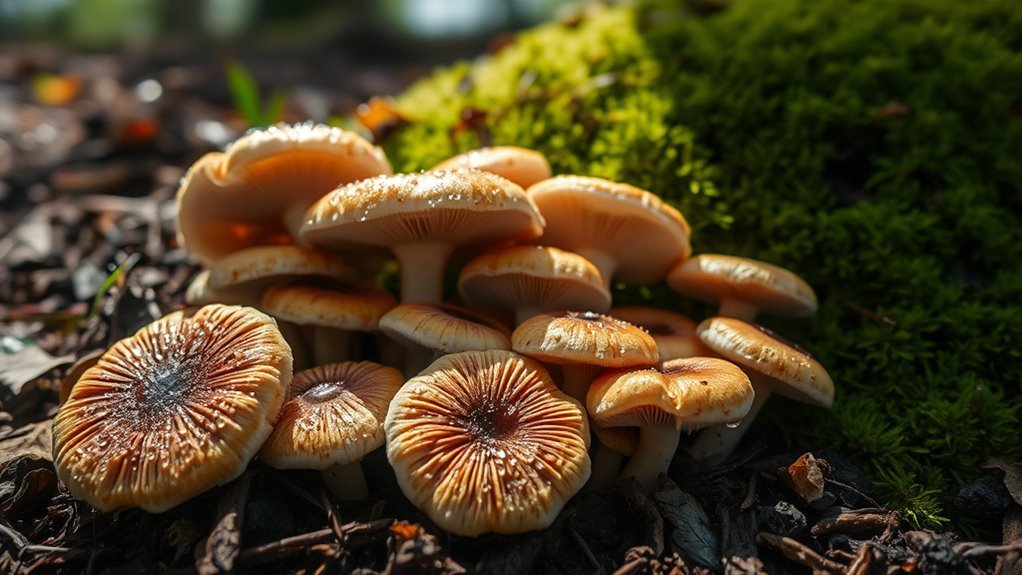

Yes, mushrooms are keto-friendly! They’re low in carbs, with varieties like shiitake and oyster containing only 1.5g to 3.9g of carbs per 100g. Rich in B vitamins, selenium, and antioxidants, mushrooms also support your immune system and provide dietary fiber for better digestion. Plus, they’re versatile in cooking, making them a great meat substitute in various dishes. If you’re interested, there’s much more to discover about incorporating mushrooms into your keto meal plan.
Nutritional Profile of Mushrooms
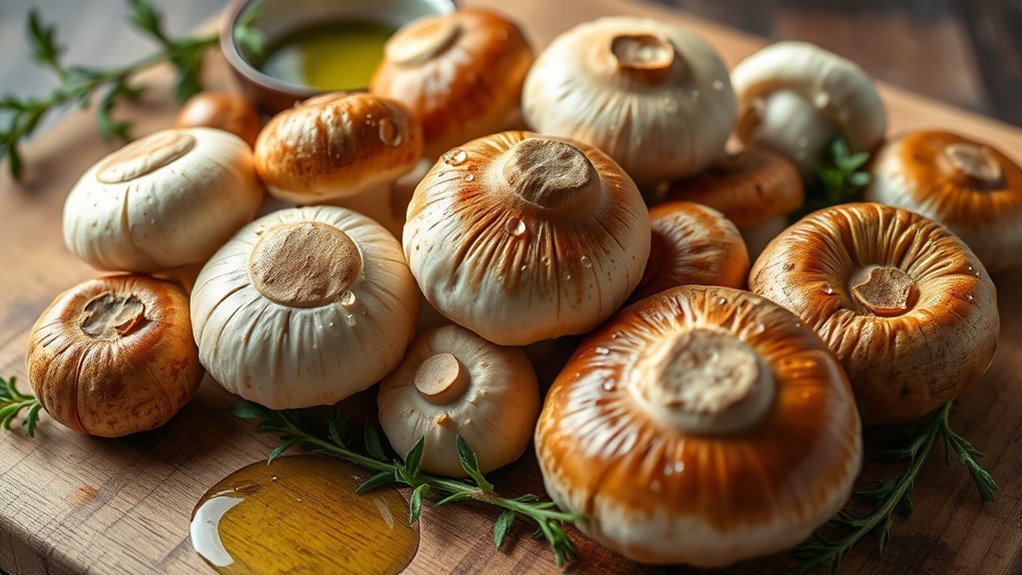
Mushrooms are a low-calorie food that packs a surprising nutritional punch. With various mushroom varieties like shiitake, portobello, and cremini, they offer an array of health benefits. These fungi are rich in essential nutrients, including B vitamins, selenium, and antioxidants, which can support your immune system and overall well-being. They’re also a good source of dietary fiber, promoting gut health and aiding digestion. Plus, mushrooms are low in carbs, making them a great option for those following a keto diet. Incorporating these nutrient-dense foods into your meals can enhance flavor without adding significant calories. So, whether you sauté them, grill them, or toss them in salads, mushrooms can be a valuable addition to your healthy eating routine. Furthermore, certain varieties of mushrooms may improve heart health and support weight management.
Types of Mushrooms and Their Carb Counts
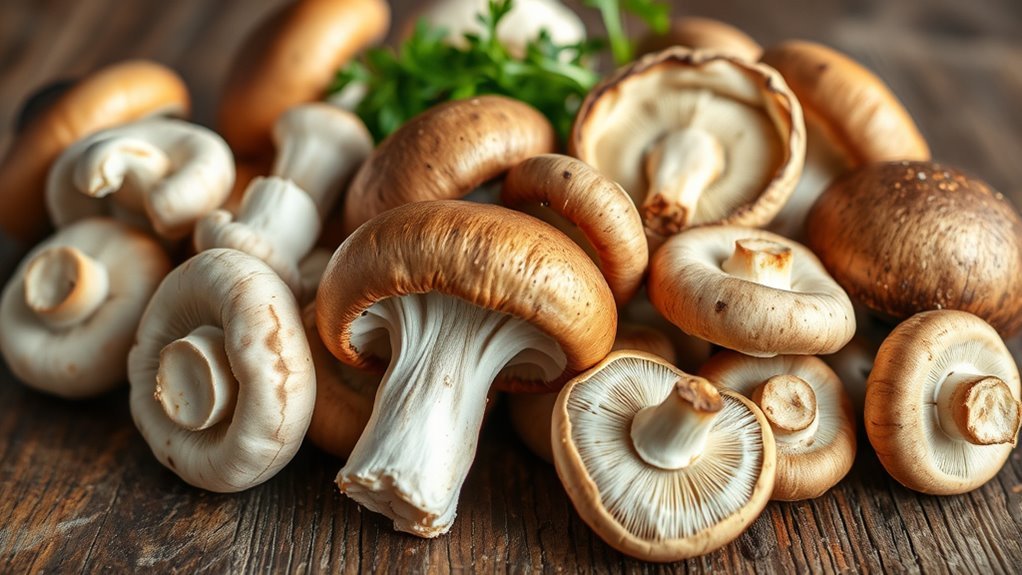
When considering a keto diet, it’s crucial to know which types of mushrooms are low in carbs. Varieties like shiitake, portobello, and white button mushrooms offer different nutritional profiles that can fit well into your meal plan. Let’s explore these options and their carb counts to help you make informed choices.
Low-Carb Mushroom Varieties
If you’re following a keto diet, knowing which types of mushrooms fit your low-carb lifestyle can be quite helpful. Several mushroom varieties are not only low in carbs but also versatile for various culinary uses. Here are some you might consider incorporating into your meals:
- Shiitake: Rich in flavor, with about 1.5g of carbs per 100g.
- Portobello: Great for grilling, containing around 3.9g of carbs per 100g.
- Button: The classic choice, offering approximately 3.3g of carbs per 100g.
- Cremini: Similar to button mushrooms, with around 3.4g of carbs per 100g.
- Oyster: Mild taste with about 2.3g of carbs per 100g.
These low-carb options can enhance your dishes while keeping your carb count in check. Enjoy exploring their unique flavors!
Nutritional Profiles Explained
Understanding the nutritional profiles of different mushroom varieties can help you make informed choices while following a keto diet. For instance, white button mushrooms contain about 2 grams of carbs per 100 grams, while portobello mushrooms have roughly 4 grams. Shiitake mushrooms are also low-carb, with around 7 grams per 100 grams. Incorporating mushrooms into your diet can provide significant antioxidant properties that protect cells from oxidative stress.
You can explore various cooking techniques—sautéing, grilling, or roasting—to enhance their flavors without adding extra carbs. Incorporating these mushroom varieties into your meals not only adds depth to your dishes but also keeps your carb count low. By knowing the carb counts and experimenting with different preparations, you can enjoy mushrooms freely while staying true to your keto lifestyle.
Health Benefits of Including Mushrooms in Your Diet
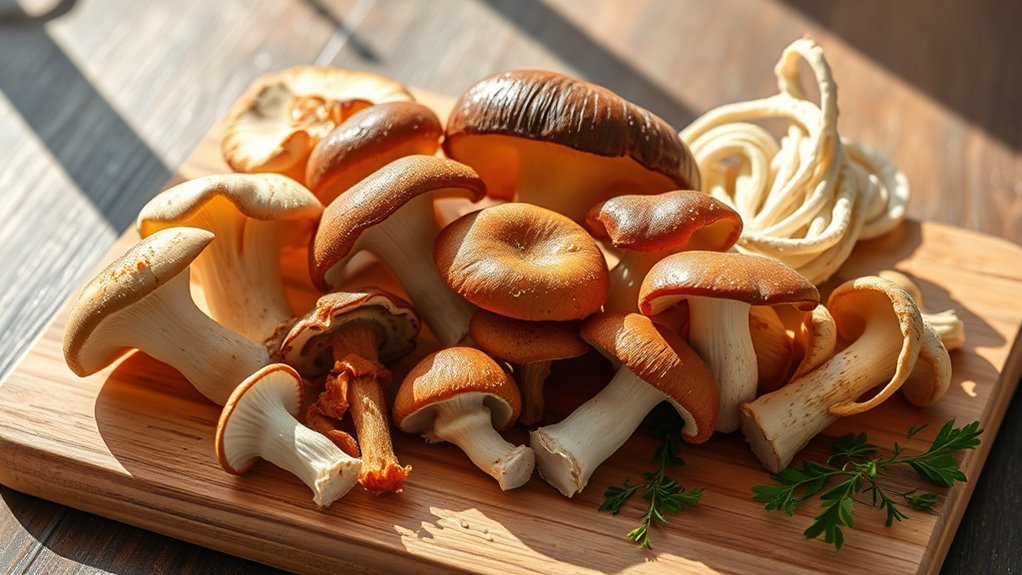
Mushrooms are packed with essential nutrients, making them a valuable addition to your diet. Their antioxidant properties can help combat oxidative stress, while their low-carb versatility allows you to enjoy them in various keto-friendly meals. By including mushrooms, you’re not just enhancing flavor; you’re also boosting your overall health.
Nutrient Density of Mushrooms
While you might think of mushrooms as just a flavorful addition to your meals, their nutrient density offers significant health benefits that can enhance your diet. Including various mushroom varieties can improve your nutrient absorption and provide essential vitamins and minerals. Here are some benefits you might enjoy:
- Low in calories, making them a great option for weight management
- Rich in B vitamins, which support energy metabolism
- A good source of selenium, an important antioxidant
- Contains fiber, promoting digestive health
- Offers potassium for heart health and blood pressure regulation
Antioxidant Properties Explained
Although many foods boast antioxidant properties, mushrooms stand out due to their unique composition and health benefits. They contain several compounds, such as ergothioneine and glutathione, which exhibit significant antioxidant effects. These compounds help combat free radicals—unstable molecules that can cause oxidative stress and damage cells. Including mushrooms in your diet can support your body’s natural defense mechanisms, potentially reducing the risk of chronic diseases linked to oxidative damage. Research highlights that different mushroom varieties, like shiitake and maitake, may provide varying levels of these beneficial compounds. By opting for mushrooms, you’re not just adding flavor; you’re also investing in your health. So, consider incorporating them into your keto-friendly meals for a tasty and nutritious boost.
Low-Carb Versatility Benefits
Incorporating low-carb foods into your diet can be a challenge, but mushrooms offer a versatile solution that aligns perfectly with keto principles. These little fungi are not only low in carbs but also packed with nutrients, making them ideal for a variety of low carb recipes. Here are some benefits of including mushrooms in your meals:
- Low in calories, high in fiber
- Rich in vitamins and minerals
- Great meat substitute in dishes
- Enhance flavor without adding carbs
- Easy to incorporate into various cuisines
How to Incorporate Mushrooms Into a Keto Meal Plan
Mushrooms can easily become a staple in your keto meal plan, thanks to their low-carb content and rich flavor. Start by incorporating them into your mushroom meal prep—sautéing, grilling, or roasting them as a side dish. You can also add mushrooms to salads, omelets, and stir-fries for extra texture and nutrients. For a delicious twist, try making stuffed mushrooms, filling them with cream cheese, herbs, and spinach for a satisfying snack or appetizer. You’ll find that their umami flavor enhances many dishes while keeping your carb count low. Plus, mushrooms are packed with vitamins and minerals, making them a nutritious choice that aligns perfectly with a keto lifestyle. Enjoy the freedom to experiment with this versatile ingredient!
Delicious Keto Mushroom Recipes to Try
If you’re looking to spice up your keto meal rotation, trying out some delicious mushroom recipes can be a game changer. Mushrooms are versatile and packed with flavor, making them a perfect addition to your dishes. Here are some tasty keto-friendly mushroom recipes to try:
- Stuffed mushrooms with cream cheese and herbs
- Mushroom risotto using cauliflower rice
- Sautéed mushrooms with garlic and butter
- Mushroom tacos wrapped in lettuce leaves
- Creamy mushroom sauce over grilled chicken
You can also whip up a mushroom omelette for breakfast, enjoy a comforting mushroom soup, or create a fresh mushroom salad. Don’t forget about mushroom pizza with a low-carb crust! Additionally, incorporating low-carb leafy greens with your mushrooms can enhance the nutrient profile of your meals. Enjoy experimenting with these delightful flavors!
Potential Risks and Considerations
While mushrooms can be a flavorful addition to your keto meals, there are some potential risks and considerations to keep in mind. First, be aware of mushroom allergies, which can cause symptoms like digestive distress or skin reactions in sensitive individuals. If you suspect an allergy, it’s best to consult a healthcare professional. Additionally, certain mushrooms may contain potential toxins, especially if foraged from the wild. Consuming these can lead to serious health issues. Always purchase mushrooms from reputable sources to minimize this risk. Finally, moderation is key; while mushrooms are low in carbs, overconsumption may lead to digestive discomfort. Being informed about these factors can help you enjoy mushrooms safely within your keto lifestyle. Moreover, understanding the carbohydrate content of various mushrooms can assist in maintaining your daily carb limits effectively.
Comparing Mushrooms to Other Low-Carb Vegetables
When considering your low-carb options, it’s essential to compare mushrooms with other vegetables that fit seamlessly into a keto diet. Various mushroom varieties, like shiitake and portobello, offer low-carb benefits, but how do they stack up against other veggies? Here are some carb comparisons to keep in mind:
- Spinach: 1g net carbs per 100g
- Zucchini: 3g net carbs per 100g
- Cauliflower: 3g net carbs per 100g
- Broccoli: 4g net carbs per 100g
- Bell Peppers: 4g net carbs per 100g
Mushrooms often fall within a similar range, making them a versatile and keto-friendly choice. High fiber content in mushrooms can also support digestion, so whether you’re sautéing, grilling, or adding them to soups, they can enhance your meals and keep your carb count low.
Final Thoughts on Mushrooms and the Keto Diet
Although many people gravitate toward more traditional vegetables on a keto diet, mushrooms deserve a prominent place on your plate due to their impressive nutritional profile. Their low carb content and rich vitamins make them an excellent choice for keto compatibility. With various mushroom varieties available, you can easily incorporate them into your meals for added flavor and nutrients.
| Mushroom Variety | Net Carbs (Per 100g) |
|---|---|
| White | 3.3g |
| Portobello | 3.9g |
| Shiitake | 6.7g |
| Oyster | 3.3g |
Incorporating mushrooms can enhance your keto journey while providing essential nutrients. Additionally, mushrooms are a great source of low carbohydrate content, making them a perfect fit for your ketogenic meals. So, don’t underestimate these delightful fungi!
Frequently Asked Questions
Can I Eat Mushrooms Raw on a Keto Diet?
Yes, you can eat mushrooms raw on a keto diet! Raw mushrooms offer benefits like being low in carbs and high in nutrients, making them perfect for your keto lifestyle. They’re versatile, too—try adding them to salads or as a crunchy snack. If you’re looking for something warm, keto mushroom recipes can include sautéed or grilled options, enhancing their flavor while keeping you within your carb limits. Enjoy the freedom of incorporating them into your meals!
Are All Mushrooms Suitable for a Keto Diet?
Yes, most mushroom varieties are suitable for a keto diet! Think of mushrooms as little nutrient-packed powerhouses—they’re low in carbs and high in fiber, making them a fantastic choice. Varieties like shiitake, portobello, and cremini not only add flavor but also offer nutritional benefits, including vitamins D and B. Just remember, while most mushrooms fit the bill, always check specific types to verify they align with your keto goals!
How Do Mushrooms Affect Ketosis?
Mushrooms can positively affect ketosis due to their low carbohydrate content and high fiber levels. Various mushroom varieties, like shiitake and portobello, are excellent choices that won’t disrupt your carb intake. Their ability to provide essential nutrients while promoting ketosis benefits, such as improved energy levels and better fat utilization, makes them a fantastic addition to your diet. Enjoying mushrooms allows you the freedom to explore flavors without sacrificing your ketogenic goals.
What’s the Best Way to Store Mushrooms?
To preserve mushrooms’ delicate essence, you’ll want to embrace proper storage techniques. Keep them in a paper bag in the fridge, where cool, dry air creates ideal storage conditions. Avoid plastic, as it traps moisture, leading to spoilage. For longer preservation, consider sautéing or dehydrating them, locking in flavor and nutrients. Using these mushroom preservation techniques, you’ll guarantee your fungi remain fresh and flavorful, ready to elevate your culinary adventures.
Can Mushrooms Trigger Allergic Reactions?
Yes, mushrooms can trigger allergic reactions in some people, known as mushroom allergies. Common symptoms include itching, hives, gastrointestinal issues, or even respiratory problems. It’s important to know your body and be aware of any reactions you might have after consuming mushrooms. If you suspect an allergy, it’s best to consult with a healthcare professional for proper evaluation and guidance. Staying informed can help you enjoy your meals without worry.
References
- https://www.healthline.com/nutrition/keto-diet-foods#vegetables
- https://www.ncbi.nlm.nih.gov/pmc/articles/PMC6465596/
- https://www.mushroomcouncil.com/mushrooms-and-the-keto-diet/
- https://www.verywellfit.com/keto-friendly-vegetables-5114405
- https://www.medicalnewstoday.com/articles/321737#types-of-mushrooms
- https://www.washingtonpost.com/food/2020/05/19/mushrooms-keto-diet/
- https://www.ncbi.nlm.nih.gov/pmc/articles/PMC6611956/
- https://www.eatright.org/food/nutrition/dietary-guidelines-and-myplate/keto-diet-101
- https://www.mushroominfo.com/health-benefits/
- https://www.cdc.gov/nutrition/resources-publications/healthy-eating.html