

Yes, MSG, or monosodium glutamate, can fit into your keto diet. It’s a low-calorie flavor enhancer that won’t greatly impact ketosis when consumed in moderation. MSG enhances umami flavors in savory dishes while adding minimal sodium and calories. However, be mindful of individual sensitivities and sodium intake. Balancing its use with your overall dietary goals is key. If you’re curious about the benefits and tips for using MSG, there’s more to explore.
What Is MSG and How Is It Used?
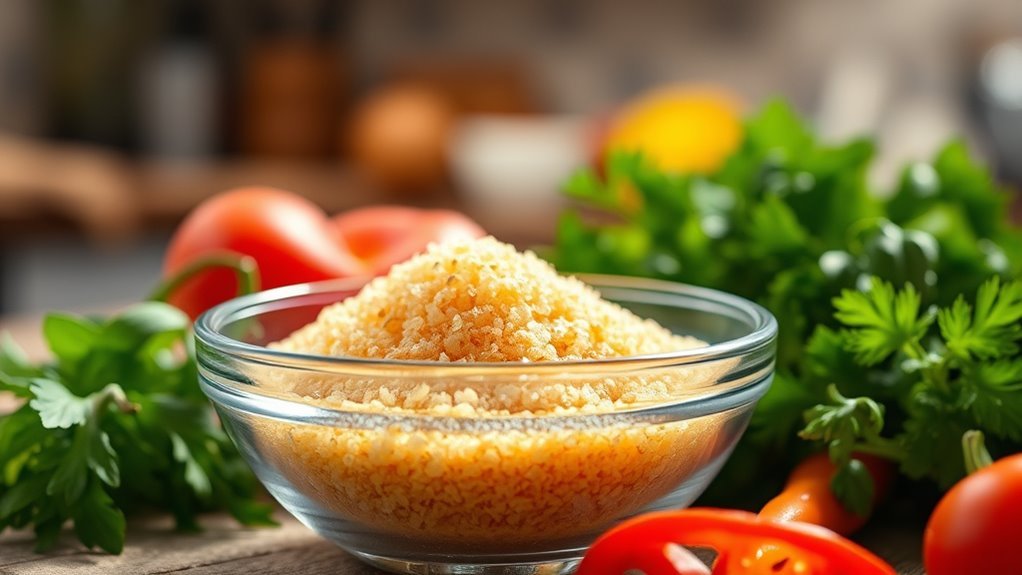
While you might have encountered MSG (monosodium glutamate) in various food products or recipes, it’s essential to understand what it is and how it’s commonly used. MSG is a flavor enhancer derived from natural sources like fermented foods, including soy sauce and certain cheeses. Its primary MSG uses include improving taste in savory dishes, processed snacks, and even restaurant meals. You’ll often find it in Asian cuisine, where it amplifies umami flavors. While some people express concerns over MSG, scientific studies generally deem it safe for consumption in moderation. By knowing its sources and applications, you can make informed choices about including MSG in your diet while enjoying the freedom to explore diverse culinary experiences.
The Nutritional Profile of MSG
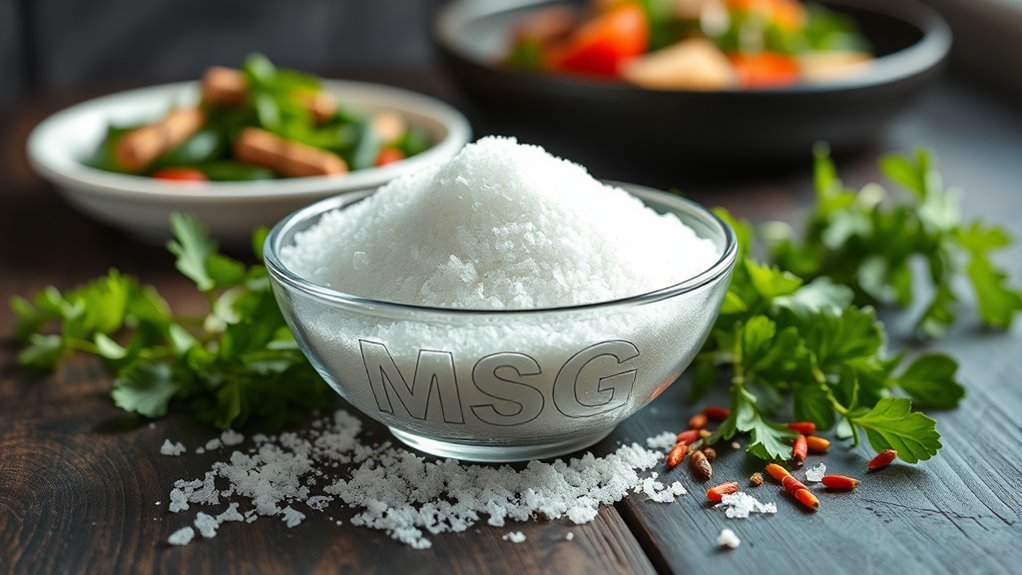
Although MSG is often associated with flavor enhancement, its nutritional profile is quite simple. It contains minimal calories and no significant nutrients. Here’s a quick look at its key aspects:
- Calories: MSG has negligible calories, making it an option for those watching their intake.
- Sodium: It contains sodium, which can contribute to your daily intake, but it can enhance flavors without needing as much salt.
- Amino Acids: MSG is a source of glutamate, an amino acid that can provide some nutritional benefits, especially in flavoring dishes.
While MSG can enhance flavors, you should always consider its use within the context of your overall diet. Balancing flavor enhancement with nutritional needs is key to enjoying food freedom.
Does MSG Affect Ketosis?

MSG’s minimal calorie content and its role as a flavor enhancer lead many to wonder how it fits into a ketogenic lifestyle. The good news is that research indicates MSG doesn’t greatly impact ketosis. When consumed, MSG undergoes typical metabolism, breaking down into amino acids, which your body can utilize without disrupting your ketone production. This means that, if you’re careful with portion sizes, adding MSG to your meals likely won’t interfere with your ketosis impact. However, individual responses may vary, so it’s important to listen to your body. Overall, incorporating MSG can add flavor to your dishes while maintaining your keto goals, granting you the freedom to enjoy your meals without sacrificing your dietary preferences.
Benefits and Drawbacks of Using MSG on Keto
When considering the benefits and drawbacks of using MSG on a ketogenic diet, it’s essential to weigh its flavor-enhancing properties against potential health concerns. While MSG can elevate your meals, it’s important to be aware of the following:
- Flavor enhancement: It can make low-carb dishes more appealing, encouraging you to stick to your diet.
- Health implications: Some individuals may experience sensitivities or adverse reactions, though research is mixed.
- Sodium content: MSG contains sodium, which could affect blood pressure or hydration levels if consumed in excess.
Ultimately, it comes down to your personal tolerance and dietary goals. Balancing the flavor benefits with any health implications will help you make an informed choice on incorporating MSG into your keto journey.
Tips for Incorporating MSG Into a Keto Diet
How can you effectively incorporate MSG into your keto diet without compromising your health goals? Start by exploring MSG recipes that enhance flavor while keeping your carb count low. Use MSG to season meats and vegetables, adding umami without extra calories. During keto meal planning, consider incorporating MSG in marinades or dressings to elevate simple dishes.
Frequently Asked Questions
Is MSG Safe for People With Food Allergies?
MSG can be safe for many people, but if you’ve got MSG allergies or sensitivity, it might trigger reactions like headaches or nausea. It’s crucial to listen to your body and consult with a healthcare professional if you suspect an issue. While most individuals tolerate MSG well, those with sensitivities should avoid it to maintain their freedom from discomfort. Always check ingredient labels to make informed choices about what you consume.
Can MSG Cause Headaches or Migraines?
Yes, MSG can cause headaches or migraines in some individuals. Research indicates that certain people may have sensitivities to MSG, making it a potential headache trigger. However, migraine research shows that reactions vary widely among individuals. While some may experience headaches after consuming MSG, others may not notice any effects at all. If you suspect MSG might trigger headaches for you, it’s best to monitor your intake and consult with a healthcare professional.
Does MSG Contain Any Carbohydrates?
MSG doesn’t contain carbohydrates; it’s primarily composed of sodium and glutamate, making its nutrition profile quite simple. Think of MSG as a key that releases flavor without adding any weight in carbs. You can enjoy its taste-enhancing qualities without worrying about impacting your dietary goals. It’s essential to approach MSG with balance, understanding its composition while embracing the freedom to season your meals without compromising your nutritional choices.
What Are the Health Implications of Long-Term MSG Consumption?
Long-term MSG consumption may pose some health risks, though research is mixed. Some studies suggest potential links to obesity, metabolic syndrome, and increased appetite. However, many health organizations deem MSG safe in moderation. It’s important to listen to your body and monitor any adverse reactions you might experience. If you’re concerned, consider reducing your intake and opting for natural flavoring alternatives. Your health and well-being should always come first!
Can MSG Be Used in Vegan or Vegetarian Diets?
Yes, you can definitely use MSG in vegan or vegetarian diets. Imagine a steaming bowl of savory soup, enhanced with the umami kick of MSG. It’s a powerful flavor enhancer, perfect for plant-based dishes. However, if you’re seeking alternatives, consider nutritional yeast or mushroom powder—both add depth without the use of MSG. Just remember, balance is key; moderation in any ingredient guarantees you enjoy your meals while maintaining a healthy lifestyle.
Is MSG keto-friendly?
Yes, MSG (monosodium glutamate) is keto-friendly. It contains no carbohydrates, making it suitable for a ketogenic diet, which typically restricts carbohydrate intake to promote ketosis. MSG is primarily used as a flavor enhancer, and its low-carb profile aligns well with the goals of a ketogenic lifestyle.
What is MSG made of?
MSG is a sodium salt of glutamic acid, an amino acid that occurs naturally in many foods, such as tomatoes, cheese, and mushrooms. It is produced through fermentation, similar to the process used to make yogurt or vinegar. The final product is a white crystalline powder that enhances the umami flavor in dishes.
Are there any health concerns associated with MSG?
While MSG is generally recognized as safe by the FDA, some individuals may experience mild symptoms known as “Chinese Restaurant Syndrome,” which can include headaches or flushing. However, these reactions are rare and not well-supported by scientific evidence. For most people, MSG can be consumed without adverse effects, but if you have sensitivities, it’s best to limit your intake.
Can I use MSG in my keto recipes?
Absolutely! MSG can be used in keto recipes to add flavor without adding carbs. It can enhance the taste of meats, vegetables, and sauces, making it a versatile ingredient in keto cooking. Just remember to use it in moderation, as with any seasoning, to avoid overwhelming other flavors.
How does MSG affect the body on a ketogenic diet?
On a ketogenic diet, the primary focus is on reducing carbohydrate intake to encourage the body to burn fat for fuel. MSG does not contain carbohydrates and does not affect blood sugar levels, making it compatible with this dietary approach. It can enhance the enjoyment of meals, which is important for adherence to the diet.
References
- https://www.ncbi.nlm.nih.gov/pmc/articles/PMC5855202/
- https://www.healthline.com/nutrition/msg
- https://www.verywellhealth.com/monosodium-glutamate-msg-and-keto-5199782
- https://www.sciencedirect.com/science/article/pii/S0197455613002128
- https://www.wikiwand.com/en/Monosodium_glutamate
- https://www.ketodietapp.com/Blog/post/what-is-msg-is-it-keto-friendly
- https://www.fda.gov/food/food-additives-petitions/monosodium-glutamate-msg
- https://www.cdc.gov/nutrition/micronutrient-malnutrition/what-is-msg.html