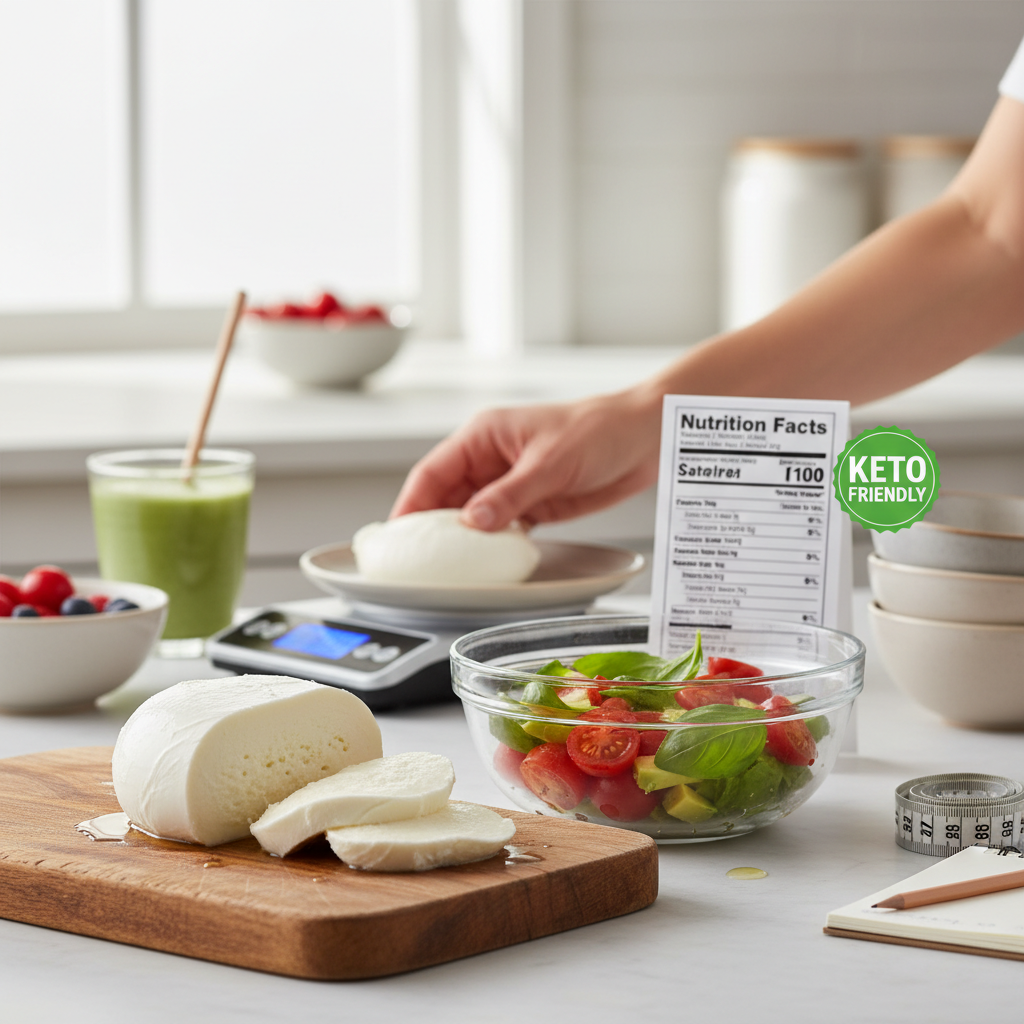

Mozzarella is generally considered keto-friendly due to its low carbohydrate content and high fat levels. This Italian cheese is an excellent option for those following a ketogenic diet, as it can help maintain ketosis while offering a rich source of essential nutrients. In this article, we’ll explore the nutritional profile of mozzarella, how it fits into a ketogenic diet, and offer tips for incorporating it into your meals while maintaining ketosis.
Nutritional Profile of Mozzarella
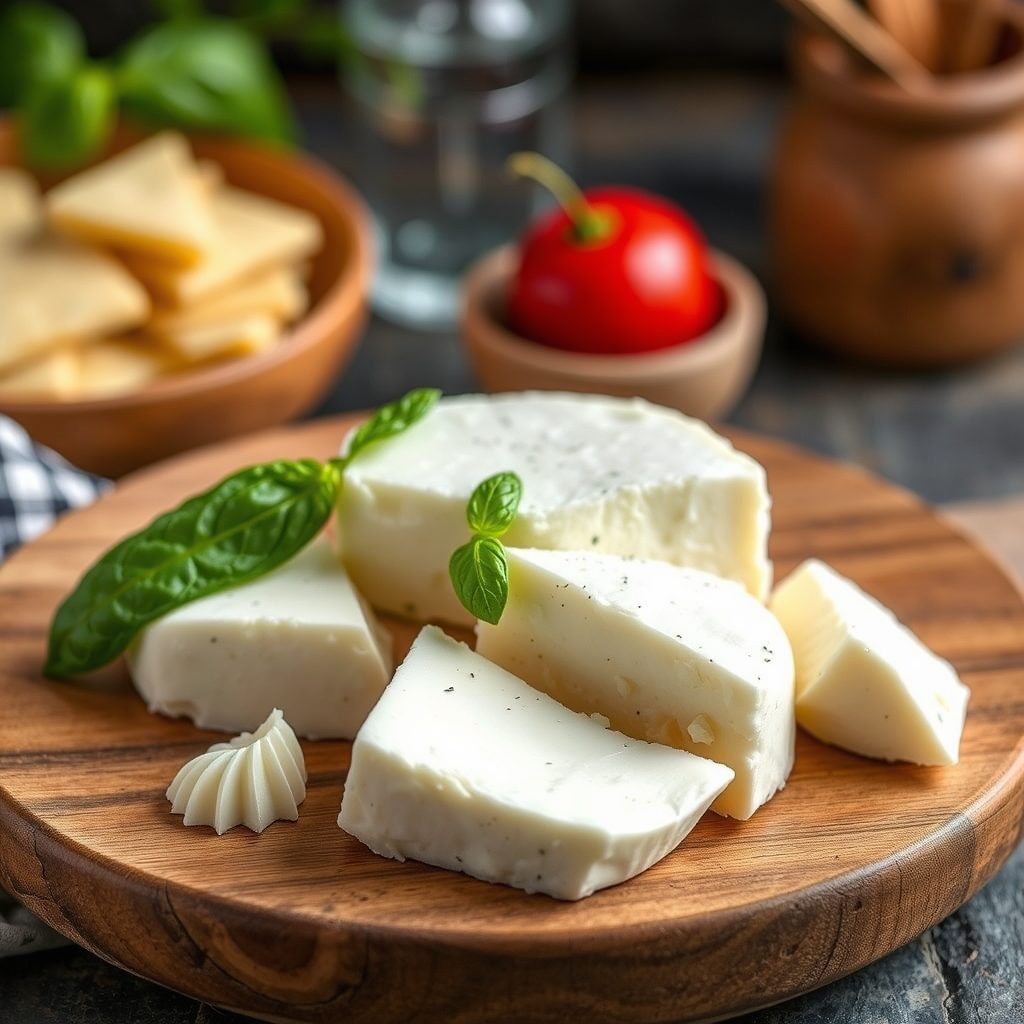
Mozzarella is a cheese that stands out for its favorable nutritional profile, especially for those adhering to a low-carb lifestyle. Typically, mozzarella contains about 1 gram of carbohydrates per ounce, making it an ideal choice for those on a ketogenic diet. The low carbohydrate content ensures that it won’t interfere with ketosis, the metabolic state where the body burns fat for fuel instead of carbohydrates.
In addition to its low carb count, mozzarella is rich in protein and fat. An ounce of mozzarella typically provides around 6-7 grams of protein and 5-6 grams of fat. The high fat content not only contributes to the creamy texture and delicious flavor of mozzarella but also promotes satiety, helping to curb hunger and reduce overall calorie intake. Furthermore, mozzarella is a source of essential nutrients, including calcium and phosphorus, which are vital for bone health and metabolic function.
Types of Mozzarella and Their Carb Counts
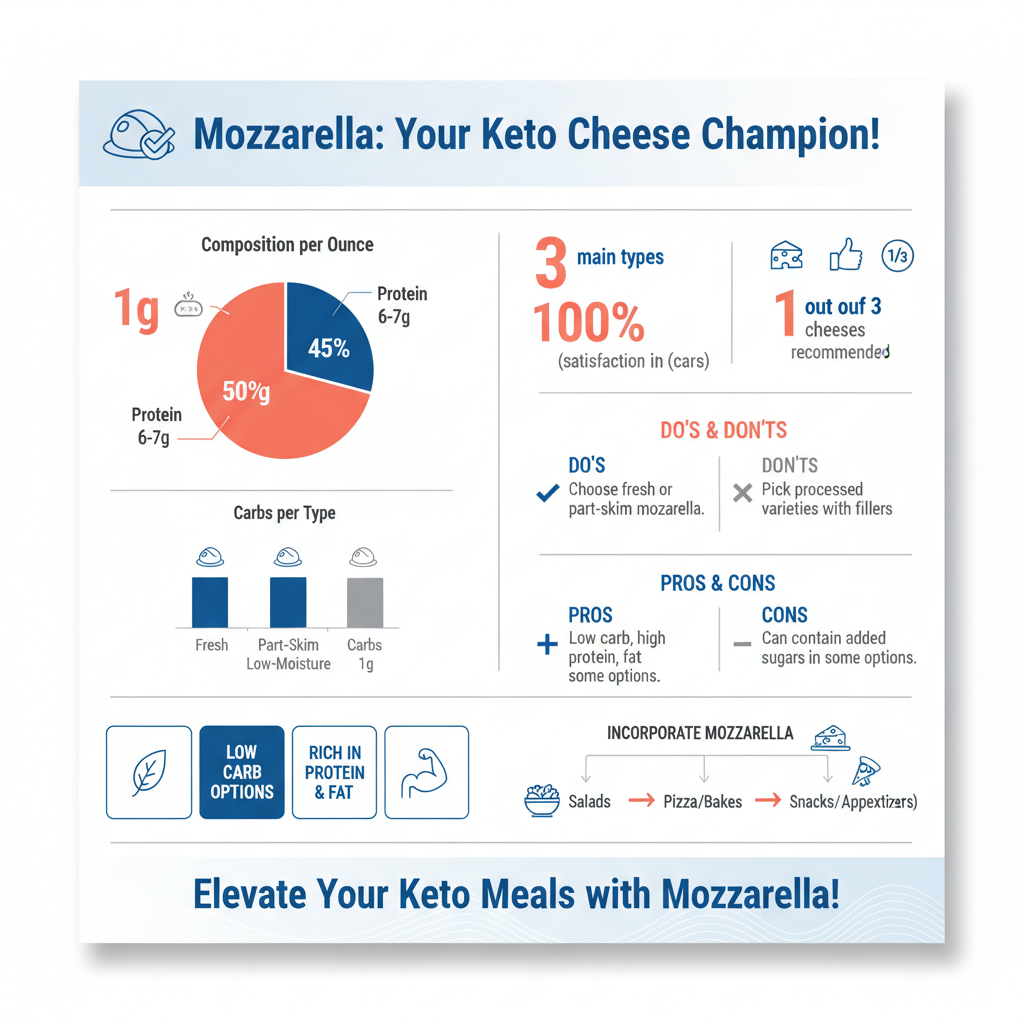
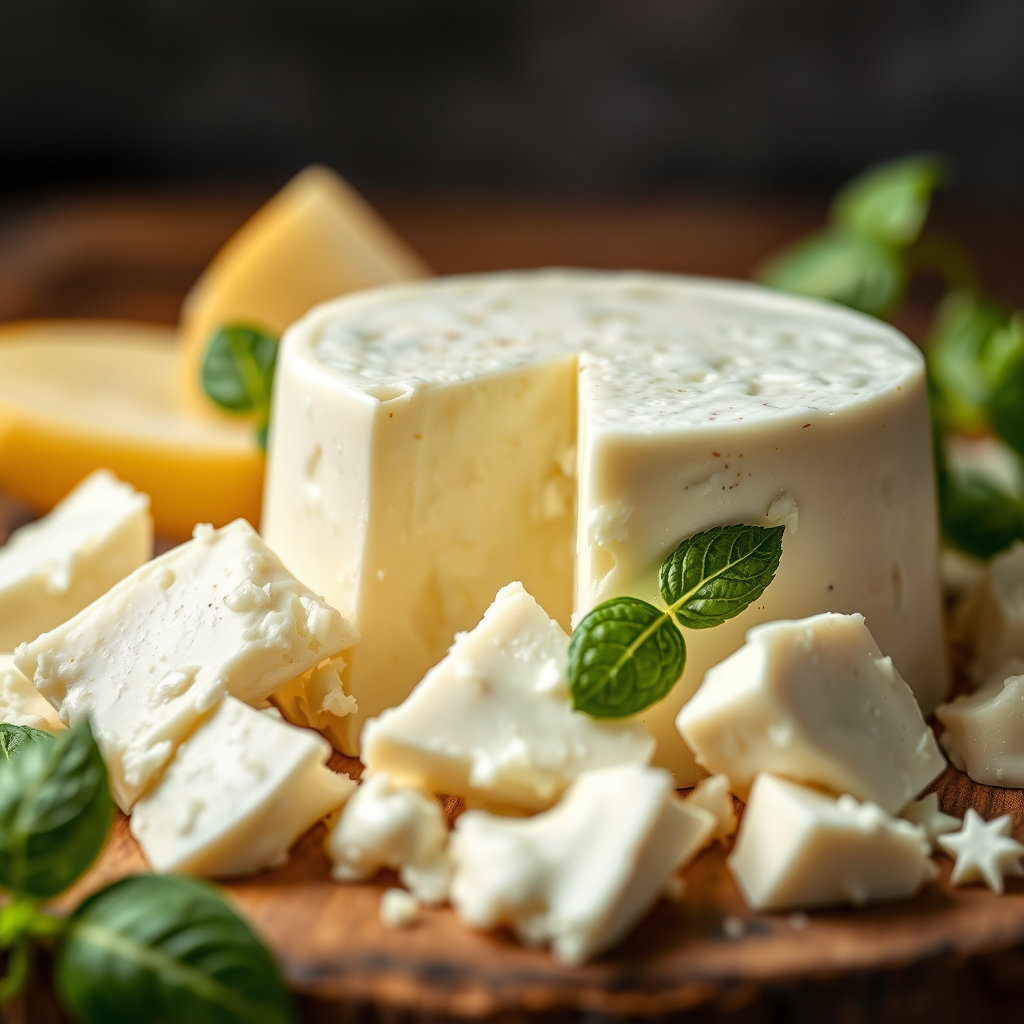
When considering mozzarella for a ketogenic diet, it’s important to understand the different types available and their respective nutritional profiles. The two primary varieties are fresh mozzarella and part-skim mozzarella.
Fresh mozzarella, often found in water or brine, tends to have a slightly higher moisture content and is typically made from whole milk. It contains approximately 1 gram of carbs per ounce, similar to part-skim mozzarella, which is made from partially skimmed milk. Part-skim mozzarella has a firmer texture and is often used in cooking, such as on pizzas or in lasagna.
Low-moisture mozzarella, another commonly used type, is aged longer, resulting in a firmer cheese that is suitable for shredding. This variety also maintains a low carb count, generally around 1 gram per ounce, making it a versatile option for various recipes. When selecting mozzarella, always check the nutrition label, as some processed varieties may contain added sugars or fillers that can increase carbohydrate content.
Benefits of Mozzarella on a Keto Diet
Incorporating mozzarella into a ketogenic diet offers several health benefits. One of the primary advantages is its rich supply of essential nutrients. Mozzarella is an excellent source of calcium, which plays a critical role in maintaining bone density and supporting muscle function. A single serving can provide about 20% of the daily recommended intake of calcium, making it a valuable addition to your diet.
Furthermore, the protein content in mozzarella is beneficial for muscle maintenance and repair, especially for those engaged in regular exercise. Protein is essential for supporting lean muscle mass, which can be particularly important during weight loss phases when the body may lose muscle along with fat.
Additionally, mozzarella’s fat content contributes to the overall caloric intake necessary for those following a ketogenic diet, which emphasizes higher fat consumption. This can help ensure that your body remains in ketosis, allowing for effective fat burning and energy production.
How to Incorporate Mozzarella into Keto Meals
Incorporating mozzarella into your meals can be both enjoyable and easy. Here are some creative ideas:
– Salads: Add chunks of fresh mozzarella to salads for a creamy texture and flavor boost. Pair it with low-carb vegetables like spinach, arugula, and cucumbers, and dress with olive oil and vinegar for a satisfying meal.
– Pizzas: Use a cauliflower crust or almond flour crust to create a delicious keto pizza topped with low-carb tomato sauce, fresh mozzarella, and your choice of low-carb toppings like pepperoni, mushrooms, and bell peppers.
– Casseroles: Mozzarella melts beautifully, making it perfect for casseroles. Try a zucchini lasagna, substituting zucchini slices for pasta layers, and layer with marinara sauce, ground meat, and mozzarella for a hearty dish.
– Stuffed Vegetables: Hollow out bell peppers or zucchini and fill them with a mixture of ground meat, spices, and shredded mozzarella. Bake until the vegetables are tender and the cheese is bubbly.
Combining mozzarella with low-carb vegetables not only enhances flavor but also contributes to a balanced meal that adheres to keto guidelines.
Potential Downsides to Consider
While mozzarella is a keto-friendly option, there are some potential downsides to keep in mind. One concern is the presence of added sugars in certain processed mozzarella products. Always read the ingredient labels carefully to avoid hidden carbs that could disrupt your ketogenic state.
Another consideration is portion control. Mozzarella is calorie-dense, and overconsumption can lead to a calorie surplus, potentially hindering weight loss goals. It’s important to enjoy mozzarella in moderation and ensure it fits within your daily macronutrient goals.
Additionally, some individuals may experience lactose intolerance or sensitivity, which can manifest as digestive discomfort after consuming dairy products. If you’re unsure of how your body reacts to mozzarella, consider starting with small portions and monitoring your response.
Recipe Ideas Featuring Mozzarella
Here are some quick and easy keto-friendly recipes that highlight mozzarella’s versatility:
– Caprese Salad: Layer fresh mozzarella slices, tomatoes, and basil leaves. Drizzle with balsamic vinegar and olive oil for a refreshing appetizer or side dish.
– Cheesy Garlic Bread: Use a low-carb bread base, spread with garlic butter, and top with shredded mozzarella. Bake until the cheese is melted and bubbly for a satisfying snack.
– Mozzarella-Stuffed Meatballs: Incorporate mozzarella cubes into meatballs made with ground beef or turkey. Bake the meatballs and serve with sugar-free marinara sauce for a delicious main course.
– Zucchini Pizza Bites: Slice zucchini into rounds, top with marinara sauce, shredded mozzarella, and your favorite toppings. Bake until the cheese is melted and golden for a fun appetizer.
These recipes not only showcase mozzarella’s delicious flavor but also keep your meals aligned with a ketogenic lifestyle.
Frequently Asked Questions about Mozzarella and Keto
As you navigate your ketogenic journey, you may have questions regarding mozzarella. Here are some common queries:
– What is the recommended portion size for mozzarella on a keto diet? A typical serving size is about 1 ounce, which contains approximately 1 gram of carbs. Adjust your portions based on your overall dietary goals and macronutrient needs.
– Are there any alternatives to mozzarella for a keto diet? If you’re looking for variety, consider other low-carb cheeses such as cheddar, gouda, or cream cheese, all of which can be utilized in similar ways as mozzarella.
– Is mozzarella safe for those with lactose intolerance? While mozzarella is lower in lactose compared to many other dairy products, individuals with lactose intolerance may still experience discomfort. Opt for lactose-free versions if needed, or consume in moderation.
In summary, mozzarella is a keto-friendly cheese that can be easily incorporated into your diet. With its low carb content and rich flavor, it adds variety and nutrition to your meals. Explore different types of mozzarella and try out the recipe ideas to enjoy this delicious cheese while staying on track with your keto lifestyle!
Frequently Asked Questions
Is mozzarella cheese considered keto-friendly?
Yes, mozzarella cheese is considered keto-friendly due to its low carbohydrate content. A typical serving of mozzarella contains about 1 gram of carbs per ounce, making it an excellent choice for those following a ketogenic diet. Additionally, mozzarella is high in fat and protein, which aligns well with the macronutrient goals of keto dieters.
How can I incorporate mozzarella into my keto diet?
There are numerous ways to incorporate mozzarella into your keto diet. You can use it as a topping for keto-friendly pizzas made with almond flour or cauliflower crust, add it to salads for extra flavor and texture, or enjoy it melted in dishes like zucchini lasagna. Mozzarella sticks or caprese salad with fresh basil and tomatoes are also great options that keep carbs low while maximizing taste.
What types of mozzarella are best for a keto diet?
When choosing mozzarella for a keto diet, opt for whole milk or fresh mozzarella over low-fat versions, as they typically contain higher fat content and fewer additives. Fresh mozzarella also tends to have lower carbohydrates compared to processed or part-skim varieties. Always check the nutrition label to ensure you’re selecting the most keto-friendly option.
Why is mozzarella a good cheese choice for the keto lifestyle?
Mozzarella is an excellent cheese choice for the keto lifestyle primarily because of its low carbohydrate content and high-fat profile. It provides essential nutrients like calcium and vitamin B12 while being versatile enough to use in various dishes. Its creamy texture and mild flavor make it easy to pair with other keto-friendly ingredients, enhancing meal variety without sacrificing dietary goals.
Can I eat too much mozzarella on a keto diet?
While mozzarella is keto-friendly, moderation is key to maintaining a balanced diet. Overconsumption of mozzarella can lead to excessive calorie intake and potentially disrupt your macronutrient balance. It’s important to monitor portion sizes and ensure that mozzarella fits within your daily carb, fat, and protein limits to achieve optimal results on your keto journey.
References
- Mozzarella
- https://www.healthline.com/nutrition/keto-diet-foods
- https://www.health.harvard.edu/staying-healthy/the-ketogenic-diet
- https://www.ncbi.nlm.nih.gov/pmc/articles/PMC6342545/
- https://www.medicalnewstoday.com/articles/324769
- https://www.webmd.com/diet/obesity/what-is-the-keto-diet
- https://www.cdc.gov/healthyweight/healthy_eating/index.html
- https://www.verywellfit.com/what-is-the-keto-diet-4165152