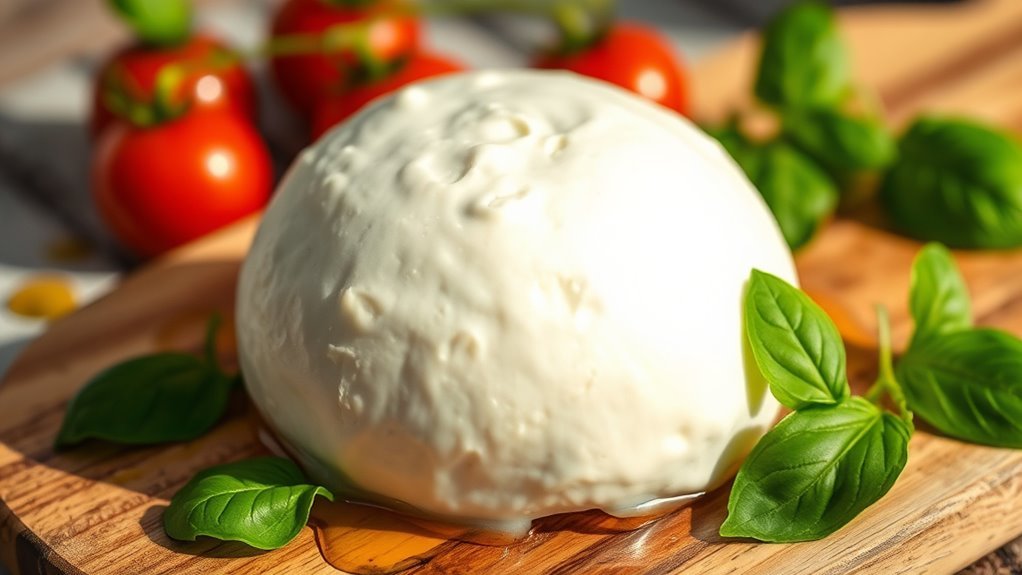

Yes, mozzarella cheese is keto-friendly! It’s low in carbohydrates, with less than 1 to 3 grams per ounce, depending on the type. This high-protein cheese also contains healthy fats, which can help you feel full and support your low-carb meal plan. Mozzarella can easily fit into various recipes and snacks, adding flavor and creaminess. There’s more to discover about how to incorporate mozzarella into your keto lifestyle and other cheese options as well.
Understanding the Keto Diet
When you commence a ketogenic diet, you’re fundamentally shifting your body’s primary energy source from carbohydrates to fats. This transformation is rooted in keto principles, which emphasize high dietary fats and low carbohydrates. By drastically reducing your carb intake, your body enters a state called ketosis, where it efficiently burns fat for fuel instead of glucose. This switch not only helps with weight loss but may also enhance mental clarity and energy levels. Incorporating healthy dietary fats, such as avocados, nuts, and olive oil, is essential for maintaining this state. It’s important to balance your meals, ensuring you get the right nutrients while enjoying the freedom this lifestyle offers. Understanding these core concepts will empower you on your keto journey.
Nutritional Profile of Mozzarella Cheese
When considering mozzarella cheese for your keto diet, it’s important to look at its nutritional profile. You’ll find that mozzarella offers a favorable macronutrient breakdown, along with essential vitamins and minerals, while also being relatively low in calories. Understanding these aspects can help you determine how it fits into your dietary goals.
Macronutrient Breakdown
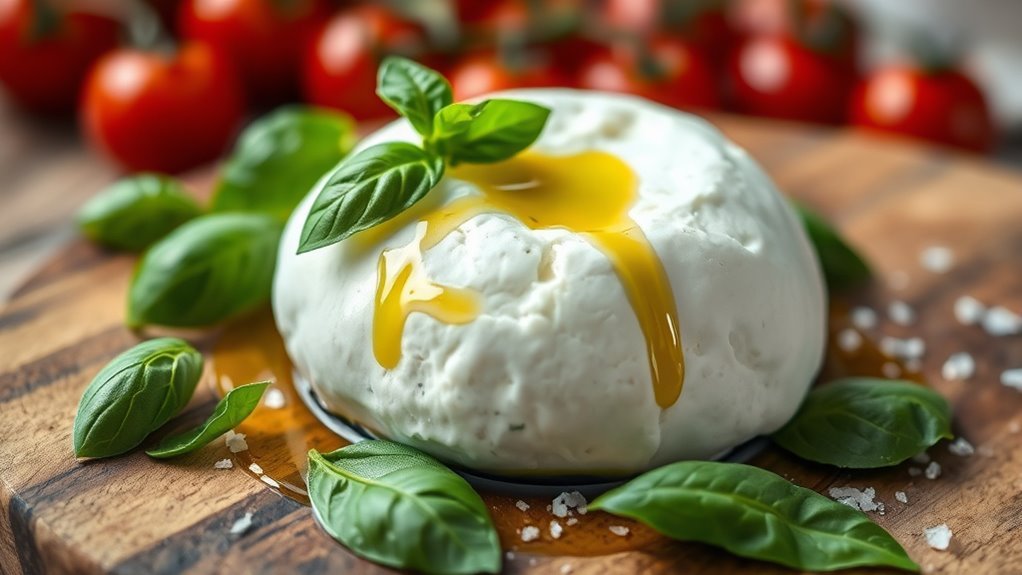
Mozzarella cheese can be a valuable addition to a keto diet, thanks to its favorable macronutrient profile. Typically, a one-ounce serving contains about 6 grams of protein, 5 grams of fat, and less than 1 gram of carbohydrates, making it an ideal choice for low-carb eating. Among mozzarella varieties, fresh mozzarella tends to have slightly higher moisture content, while part-skim options offer a different fat-to-protein ratio. Proper cheese storage is essential to maintain freshness and flavor; wrapping it in parchment paper and keeping it in an airtight container can extend its shelf life. By incorporating mozzarella into your meals, you can enjoy a delicious cheese while staying aligned with your keto goals, enhancing culinary freedom and flexibility.
Vitamins and Minerals
Although cheese is often viewed primarily as a source of fat and protein, mozzarella also packs a variety of vitamins and minerals that contribute to its nutritional value. Its impressive calcium content supports bone health and muscle function, making it a great addition to your diet. Here’s a closer look at its vitamin profile:
- Calcium: Essential for strong bones and teeth.
- Vitamin B12: Important for nerve function and energy production.
- Phosphorus: Works with calcium to build bones and teeth.
- Vitamin A: Contributes to eye health and immune function.
Incorporating mozzarella into your meals not only adds flavor but also boosts your nutrient intake, helping you maintain a balanced diet while embracing a keto lifestyle.
Caloric Content
While many cheese varieties can be high in calories, mozzarella offers a relatively moderate caloric content, making it a preferable choice for those on a keto diet. This balance allows you to enjoy its creamy texture without compromising your daily caloric intake.
Here’s a caloric comparison of mozzarella with other cheeses based on typical serving sizes:
| Cheese Type | Calories per 1 oz |
|---|---|
| Mozzarella | 85 |
| Cheddar | 113 |
| Parmesan | 110 |
Carbohydrate Content of Mozzarella
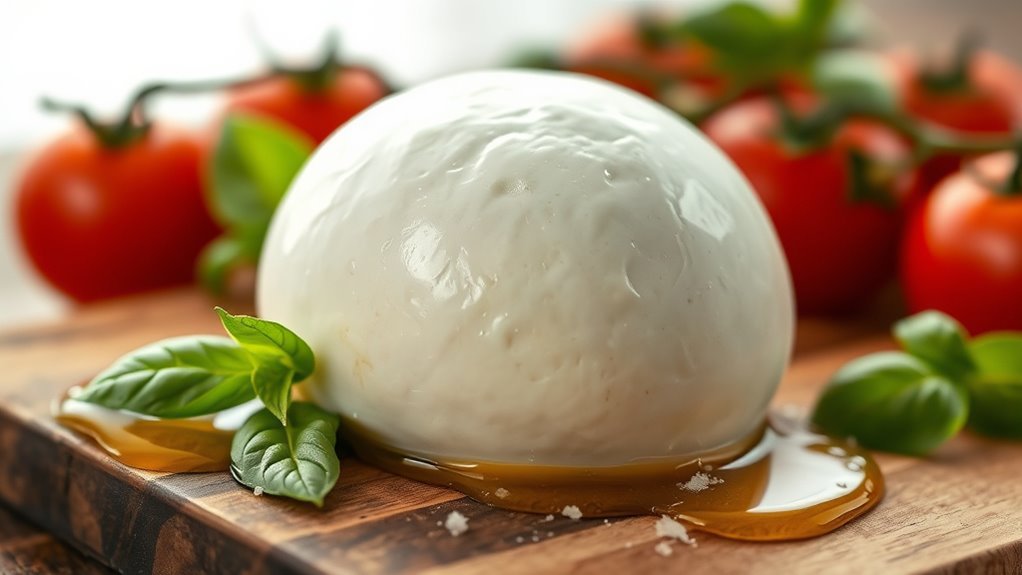
When considering mozzarella cheese on a keto diet, its carbohydrate content is an essential factor. Most mozzarella varieties are low in carbs, making them suitable for your dietary needs. Here’s a quick overview of their carb content:
Mozzarella cheese is low in carbs, making it a great choice for keto dieters.
- Fresh Mozzarella: Typically around 1 gram of carbs per ounce.
- Part-Skim Mozzarella: Contains about 2 grams of carbs per ounce.
- Low-Fat Mozzarella: May have up to 3 grams of carbs per ounce.
- String Cheese: Usually about 1 gram of carbs per stick.
These options allow you to enjoy cheese while sticking to your carb limits. If you’re looking for carb alternatives, consider pairing mozzarella with low-carb veggies or using it in keto-friendly recipes to enhance your meals without compromising your diet.
Health Benefits of Mozzarella Cheese
Mozzarella cheese isn’t just delicious; it also boasts a nutrient-rich profile that can support your overall health. Packed with essential vitamins and minerals, it plays a role in promoting bone health, thanks to its calcium content. Incorporating mozzarella into your diet can be a tasty way to enhance your nutrition while enjoying the flavors you love.
Nutrient-Rich Profile
Cheese lovers can rejoice, as mozzarella boasts a nutrient-rich profile that offers several health benefits. This versatile cheese can be part of a balanced diet, especially for those enjoying keto-friendly meals. Here are some key benefits:
- High in Protein: Mozzarella varieties provide a solid protein source, essential for muscle health and satiety.
- Rich in Calcium: This cheese supports bone health and strength, making it a great addition to your diet.
- Low in Carbs: Ideal for low-carb diets, mozzarella can fit seamlessly into your meal plan.
- Contains Healthy Fats: The fats in mozzarella can help keep you full and satisfied.
Pairing mozzarella with fresh vegetables or low-carb crackers enhances your culinary freedom while enjoying its health perks!
Supports Bone Health
While many foods can contribute to bone health, mozzarella cheese stands out due to its high calcium content. Calcium is essential for maintaining bone density, and mozzarella offers a delicious way to incorporate this crucial nutrient into your diet. It’s important to take into account various calcium sources, especially if you’re following a keto-friendly lifestyle.
Here’s a brief comparison of mozzarella cheese and other calcium sources:
| Calcium Source | Calcium (mg per 100g) |
|---|---|
| Mozzarella Cheese | 505 |
| Almonds | 264 |
| Broccoli | 47 |
| Sardines (with bones) | 382 |
| Tofu | 253 |
Including mozzarella cheese in your meals can support your overall bone health while keeping your diet enjoyable and satisfying.
How Mozzarella Fits Into a Keto Meal Plan
If you’re looking to incorporate mozzarella into your keto meal plan, you’ll find that it aligns well with the low-carb principles of this diet. Mozzarella is versatile and can enhance your meals and snacks. Here are some great ways to include it:
- Keto snacks: Pair mozzarella sticks with olives or pepperoni for a satisfying snack.
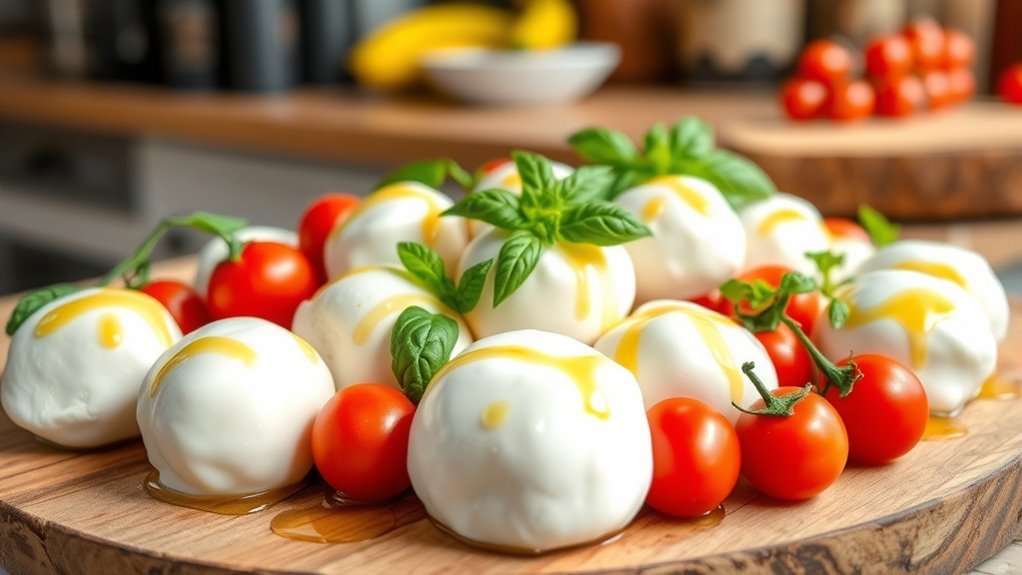
- Salads: Add mozzarella balls to your salads for extra creaminess and flavor.
- Baked dishes: Top zucchini lasagna with mozzarella for a cheesy finish.
- Stuffed veggies: Fill bell peppers with mozzarella and other low-carb ingredients for a delicious meal.
These mozzarella pairings can make your keto journey enjoyable while keeping your carb intake in check.
Different Types of Mozzarella Cheese
When considering mozzarella, it’s important to recognize that not all mozzarella is created equal. Fresh mozzarella offers a delicate texture, while low moisture mozzarella is firmer and ideal for cooking. If you’re seeking something unique, buffalo mozzarella, or mozzarella di bufala, is made from water buffalo milk and is richer in flavor. Smoked mozzarella adds a distinct taste that can elevate dishes. For snacking, mozzarella sticks and mozzarella balls are popular choices. If you prefer a creamy twist, burrata cheese combines fresh mozzarella with a rich center. Organic mozzarella caters to health-conscious consumers, and vegan mozzarella provides a plant-based alternative. Each type has its own characteristics, so consider your preferences when choosing the right mozzarella for your meals.
Portion Control and Serving Suggestions
Understanding the different types of mozzarella cheese can help you enjoy it in moderation, especially on a keto diet. Keeping portion sizes in check is essential for staying within your carb limits while savoring mozzarella’s rich flavor.
Here are some serving ideas to reflect on:
- Caprese Salad: Combine fresh mozzarella with tomatoes and basil for a revitalizing dish.
- Cheese Platter: Pair mozzarella with olives and nuts for a satisfying snack.
- Stuffed Peppers: Fill bell peppers with mozzarella and low-carb veggies for a hearty meal.
- Zucchini Boats: Hollow out zucchini, fill with marinara and mozzarella, then bake.
Common Keto Recipes Using Mozzarella
While mozzarella cheese is a versatile ingredient, it shines particularly bright in keto recipes, thanks to its low carbohydrate content and rich flavor. One popular option is mozzarella sticks, which are easy to make by coating cheese in almond flour and baking or frying them until golden. These make a great snack or appetizer. Another fantastic use for mozzarella is in cheese wraps, where you melt the cheese into thin sheets that can replace traditional tortillas. Fill them with your favorite low-carb ingredients for a delicious, satisfying meal. Both recipes allow you to enjoy the creamy texture and taste of mozzarella while staying within your carb limits, making them perfect for any keto lifestyle. Enjoy the freedom to indulge!
Alternative Cheese Options for Keto Dieters
If you’re looking to mix things up or explore new flavors while sticking to a keto diet, there are plenty of alternative cheese options that can complement your meals. Here are four great options to take into account:
- Vegan Cheese: Made from plant-based ingredients, it’s often lower in carbs, making it a suitable choice for keto dieters.
- Nut-Based Cheese: Typically made from almonds or cashews, these cheeses are rich in healthy fats and can be very satisfying.
- Cream Cheese: High in fat and low in carbs, it’s perfect for spreading or mixing into recipes.
- Goat Cheese: Lower in lactose and carbs compared to cow’s milk cheeses, it offers a tangy flavor that enhances various dishes.
Exploring these options can help maintain variety in your keto lifestyle!
Frequently Asked Questions about Mozzarella Cheese and Keto
1. Is mozzarella cheese low in carbohydrates?
Yes, mozzarella cheese is low in carbohydrates, making it a suitable option for those following a ketogenic diet. A typical serving of mozzarella cheese contains about 1 gram of carbs, which fits well within the daily carb limit for keto dieters, generally set at around 20-50 grams per day.
2. What are the nutritional benefits of mozzarella cheese?
Mozzarella cheese is not only low in carbs but also rich in protein, calcium, and healthy fats. It provides about 6-7 grams of protein and 5-6 grams of fat per ounce, contributing to satiety and muscle maintenance, which is important on a keto diet. Additionally, mozzarella contains vitamins and minerals, including vitamin B12, phosphorus, and riboflavin.
3. Can I eat mozzarella cheese every day on a keto diet?
While mozzarella cheese can be included daily in a keto diet, moderation is key. It’s important to balance your intake of cheese with other nutrient-dense foods to ensure you are receiving a variety of vitamins and minerals. Overconsumption of cheese may lead to excess calories and potentially hinder weight loss efforts, so aim for a reasonable serving size each day.
4. Are there any types of mozzarella cheese that are better for keto?
Fresh mozzarella and part-skim mozzarella are both good options for a keto diet. Fresh mozzarella is typically lower in calories and carbs compared to processed varieties. When choosing mozzarella, opt for those without added sugars or fillers. Checking the labels can help you make the best choice for your keto lifestyle.
5. How can I incorporate mozzarella cheese into my keto meals?
Mozzarella cheese can be enjoyed in various ways on a keto diet. You can add it to salads, use it as a topping for keto-friendly pizzas, or include it in casseroles. It also works well in dishes featuring vegetables, such as zucchini noodles or stuffed bell peppers. Additionally, mozzarella can be melted for a delicious dip or paired with meats for a satisfying meal.
References
- https://www.healthline.com/nutrition/mozzarella-cheese-keto-friendly
- https://www.ncbi.nlm.nih.gov/pmc/articles/PMC6470852/
- https://www.fooddata.central.gov.au/
- https://www.ketogenic.com/guide-to-mozzarella-cheese-on-keto/
- https://www.webmd.com/diet/obesity/what-is-the-keto-diet
- https://www.verywellfit.com/is-mozzarella-cheese-keto-friendly-5195032
- https://www.nutrition.gov/topics/nutrition-101/what-nutrition-facts
- https://www.healthychildren.org/English/healthy-living/nutrition/Pages/cheese.aspx