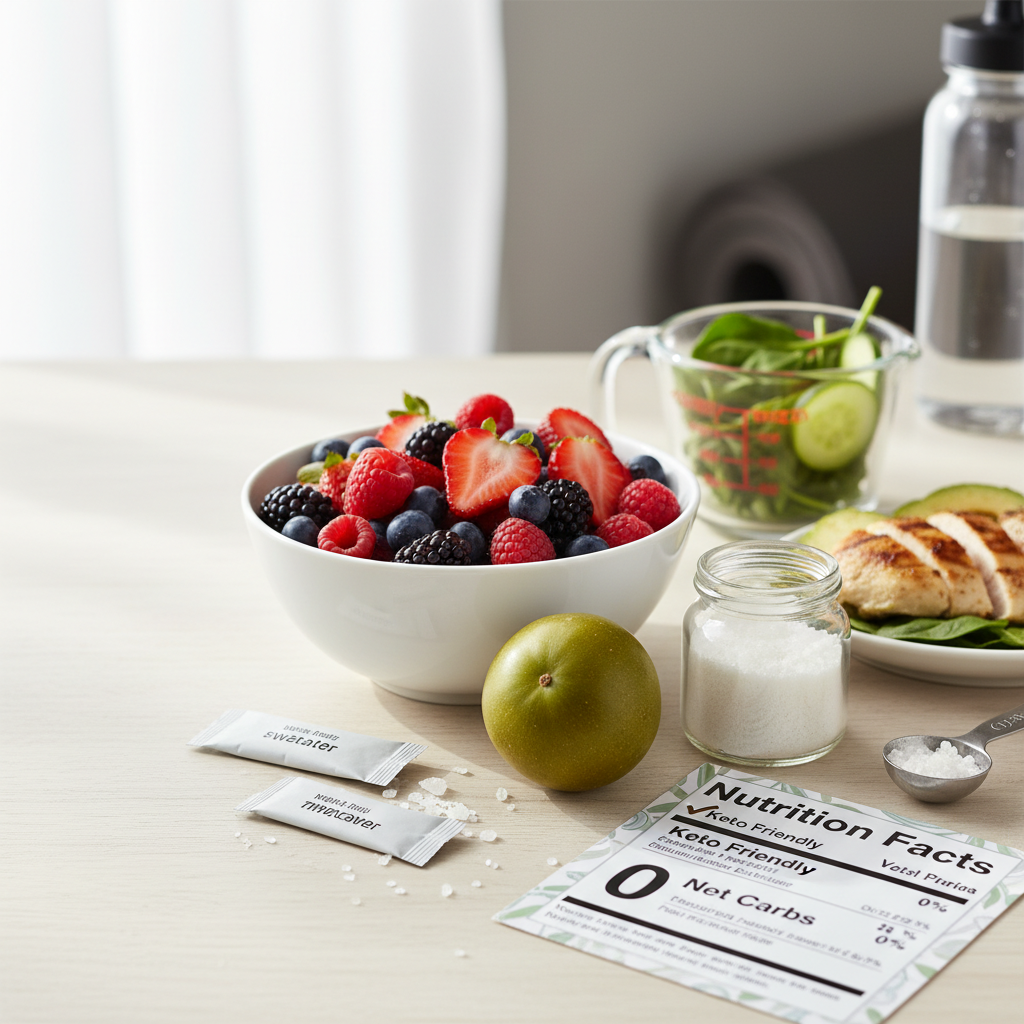

Monk fruit is indeed keto-friendly, making it an excellent sugar substitute for those following a ketogenic diet. This natural sweetener contains zero calories and zero carbohydrates, allowing you to enjoy sweetness without impacting your ketosis. In this article, we’ll explore the benefits of monk fruit, how it fits into a keto diet, and what to consider when incorporating it into your meals.
Understanding Monk Fruit
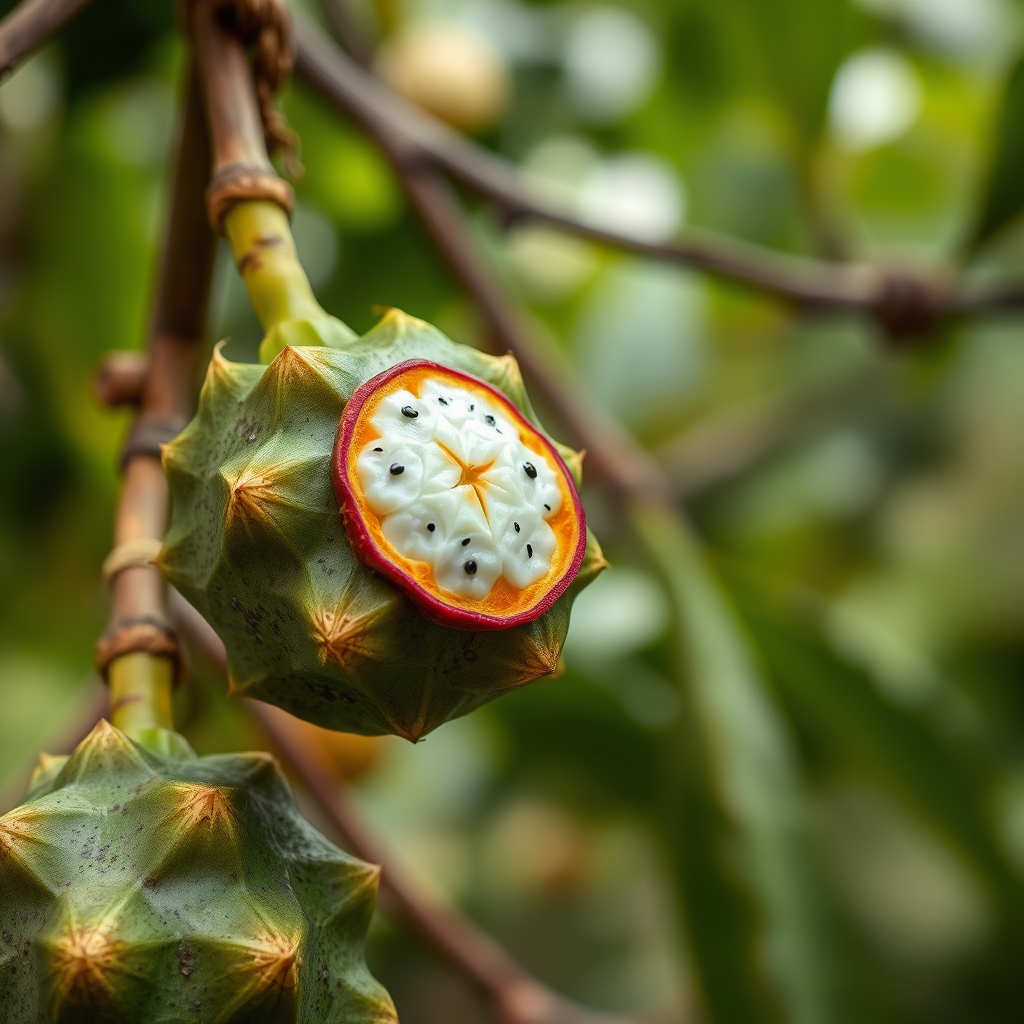
Monk fruit, also known as luo han guo, is a small green gourd native to Southeast Asia, specifically Southern China. The fruit has been used for centuries in traditional Chinese medicine, praised for its natural sweetness and potential health benefits. The sweetness of monk fruit comes from its unique compounds called mogrosides, which are about 150 to 200 times sweeter than sugar. This means only a tiny amount is needed to achieve the desired sweetness, making monk fruit an attractive alternative for those looking to reduce their sugar intake. In addition to its sweetness, monk fruit is free from harmful chemicals and additives, making it a preferable choice over artificial sweeteners.
Nutritional Profile of Monk Fruit
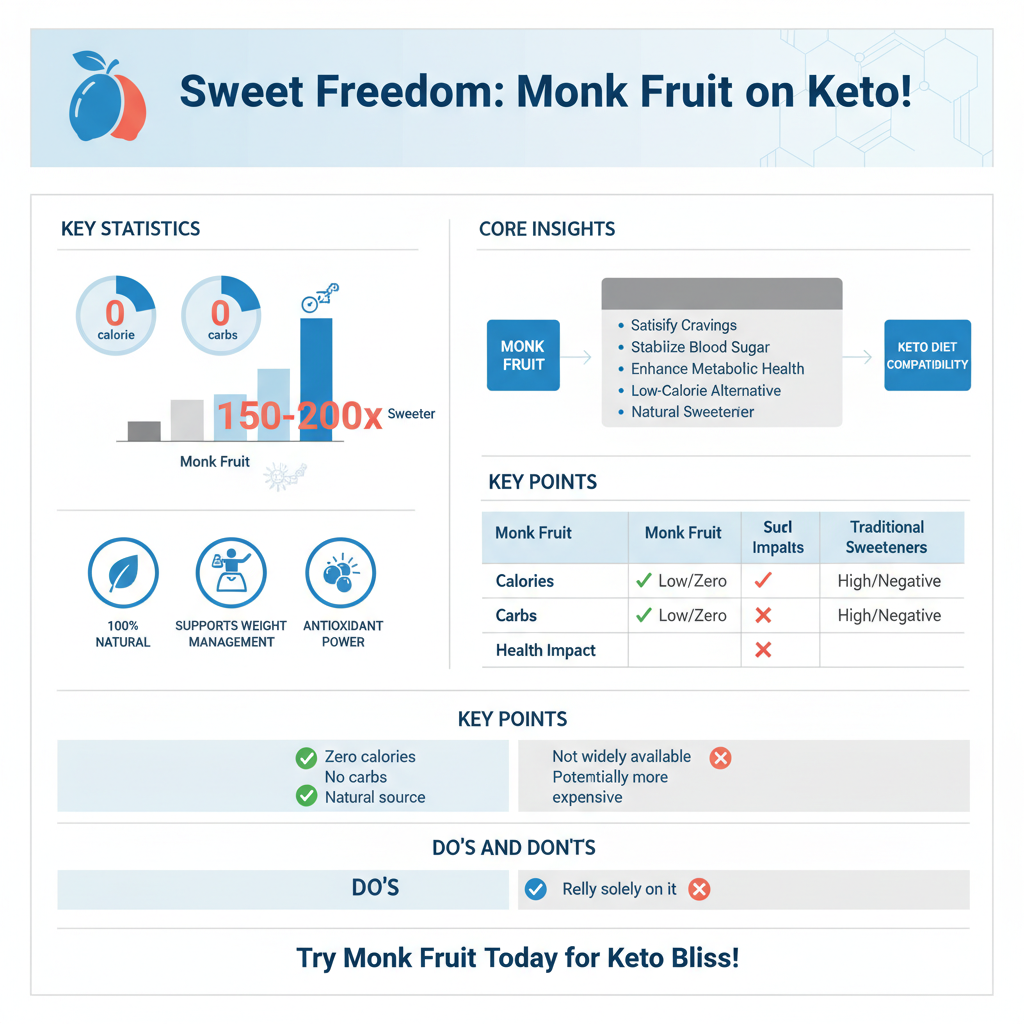

Monk fruit’s nutritional profile is impressive for those adhering to a ketogenic diet. It contains zero calories and carbohydrates, which aligns perfectly with the principles of keto that emphasize low-carb, high-fat intake. The primary beneficial components of monk fruit are mogrosides, which are powerful antioxidants that may help combat oxidative stress in the body. These antioxidants not only enhance the sweet flavor but may also provide additional health benefits, such as anti-inflammatory properties and potential support for metabolic health. The absence of calories and carbs enables keto dieters to indulge their sweet tooth without the risk of spiking blood sugar levels, an essential factor in maintaining ketosis.
Benefits of Using Monk Fruit on Keto
Choosing monk fruit as a sweetener offers several advantages for those on a ketogenic diet. Firstly, it helps satisfy sweet cravings without affecting blood sugar levels, which is crucial for maintaining ketosis and overall metabolic balance. Unlike conventional sweeteners, monk fruit does not provoke an insulin response, allowing keto dieters to enjoy their favorite flavors without guilt. Additionally, monk fruit supports weight management by providing a low-calorie alternative to sugar, making it easier to stay within caloric limits while still enjoying delicious food. This can be particularly beneficial for individuals looking to lose weight or maintain a healthy weight as part of their keto journey.
How to Use Monk Fruit in Cooking and Baking
Monk fruit is available in various forms, including granulated, liquid, and powdered, making it versatile for different culinary applications. When using monk fruit in recipes, it is essential to consider the type of product, as the sweetness level can vary. Many monk fruit products can be used in a 1:1 ratio with sugar, but it is advisable to check the packaging for specific recommendations. This versatility means that monk fruit can seamlessly integrate into a wide array of recipes, from desserts like cakes and cookies to beverages like coffee and smoothies. Additionally, monk fruit can be used in savory dishes, such as sauces and marinades, to add a hint of sweetness without the carbs.
Potential Drawbacks to Consider
While monk fruit is an excellent option for many, there are some potential drawbacks to consider. Some individuals may experience digestive issues, such as bloating or gas, if they consume large amounts of monk fruit due to the presence of certain sugar alcohols or fiber content in specific products. It’s important to start with small amounts and monitor how your body reacts. Another consideration is that monk fruit may not provide the same texture or structure as sugar in certain recipes. For instance, in baking, sugar contributes to moisture and browning, which may require adjustments when substituting monk fruit. Experimentation with ratios and combinations of other keto-friendly ingredients may be necessary to achieve the desired results.
Popular Monk Fruit Products
Several brands have emerged in the market offering monk fruit-based sweeteners, making it easier for consumers to find suitable options. Notable products include Monk Fruit in the Raw and Lakanto, which provide convenient and accessible ways to incorporate monk fruit into your diet. When selecting monk fruit products, it is wise to choose those that contain minimal additional ingredients to avoid hidden sugars and unnecessary additives. Some brands blend monk fruit with other keto-friendly sweeteners, such as erythritol, which can enhance flavor and texture while keeping the carbohydrate count low. Always read labels carefully to ensure that the products align with your dietary goals.
Tips for Choosing Monk Fruit Products
When selecting monk fruit products, it’s crucial to check labels for added sugars or artificial ingredients to ensure they align with your keto goals. Many monk fruit sweeteners are combined with other sweeteners to balance the flavor, but not all combinations are created equal. Opting for monk fruit products that are primarily monk fruit-based and free from fillers will provide the best health benefits. Additionally, consider trying products that offer a blend of monk fruit and other keto-friendly sweeteners, such as stevia or erythritol, which can enhance the overall sweetness without adding carbs. This balanced approach can help avoid the aftertaste sometimes associated with pure monk fruit while still adhering to your dietary restrictions.
Monk fruit is a versatile and beneficial sweetener for those on a keto diet. By understanding its properties, benefits, and how to incorporate it into your meals, you can enjoy a sweet taste without the carbs. Its zero-calorie and zero-carb profile makes it an exceptional choice for sweetening a variety of dishes. Explore different monk fruit products and recipes to enhance your keto journey, ensuring that your diet remains enjoyable and satisfying while staying true to your health goals.
Frequently Asked Questions
Is monk fruit keto friendly for my low-carb diet?
Yes, monk fruit is keto friendly as it contains zero calories and zero carbohydrates, making it an excellent sugar substitute for those following a ketogenic diet. Unlike traditional sweeteners, monk fruit does not spike blood sugar levels, allowing you to enjoy sweet flavors without compromising your daily carb limit.
How does monk fruit compare to other low-carb sweeteners on the keto diet?
Monk fruit is often compared to other low-carb sweeteners like stevia and erythritol. While all these options are suitable for a keto diet, monk fruit stands out because it has a unique taste profile that closely mimics the sweetness of sugar without any aftertaste. Additionally, it does not have the digestive side effects that some people experience with sugar alcohols like erythritol.
Why should I choose monk fruit over artificial sweeteners while on keto?
Choosing monk fruit over artificial sweeteners is beneficial because monk fruit is a natural sweetener derived from the monk fruit plant, avoiding the potential health concerns associated with artificial options like aspartame or sucralose. Furthermore, monk fruit is rich in antioxidants, providing additional health benefits while helping you maintain your low-carb eating habits.
What are the best ways to use monk fruit in keto recipes?
Monk fruit can be used in various keto recipes, including baked goods, beverages, and sauces. It is available in liquid, powder, and granulated forms, making it versatile for sweetening coffee, tea, smoothies, or even homemade desserts like keto brownies. When substituting monk fruit for sugar, it’s essential to follow specific conversion ratios, as it is often much sweeter than cane sugar.
Which brands of monk fruit sweeteners are recommended for a keto diet?
Some highly recommended brands of monk fruit sweeteners for a keto diet include Monk Fruit in the Raw, Lakanto, and Pure Monk. These brands offer high-quality, natural monk fruit products that are free from additives and fillers, ensuring you get the purest form of sweetness while staying compliant with your dietary restrictions. Always check the ingredient label to confirm that the product aligns with your keto goals.
References
- Monk Fruit Sweetener: Weight Loss Effect, Safety, and Benefits
- https://www.ncbi.nlm.nih.gov/pmc/articles/PMC6472784/
- https://www.webmd.com/diet/what-is-monk-fruit
- https://www.thekitchn.com/what-is-monk-fruit-229254
- https://www.verywellfit.com/monk-fruit-sweetener-5184945