

Miso soup can be considered keto-friendly when consumed in moderation, as it is generally low in carbohydrates. This traditional Japanese dish, made primarily from fermented soybeans, offers a rich umami flavor and numerous health benefits. In this article, we will explore the nutritional aspects of miso soup, its ingredients, and how it fits into a ketogenic diet, allowing you to make an informed decision about including it in your meal plan.
Understanding Miso Soup
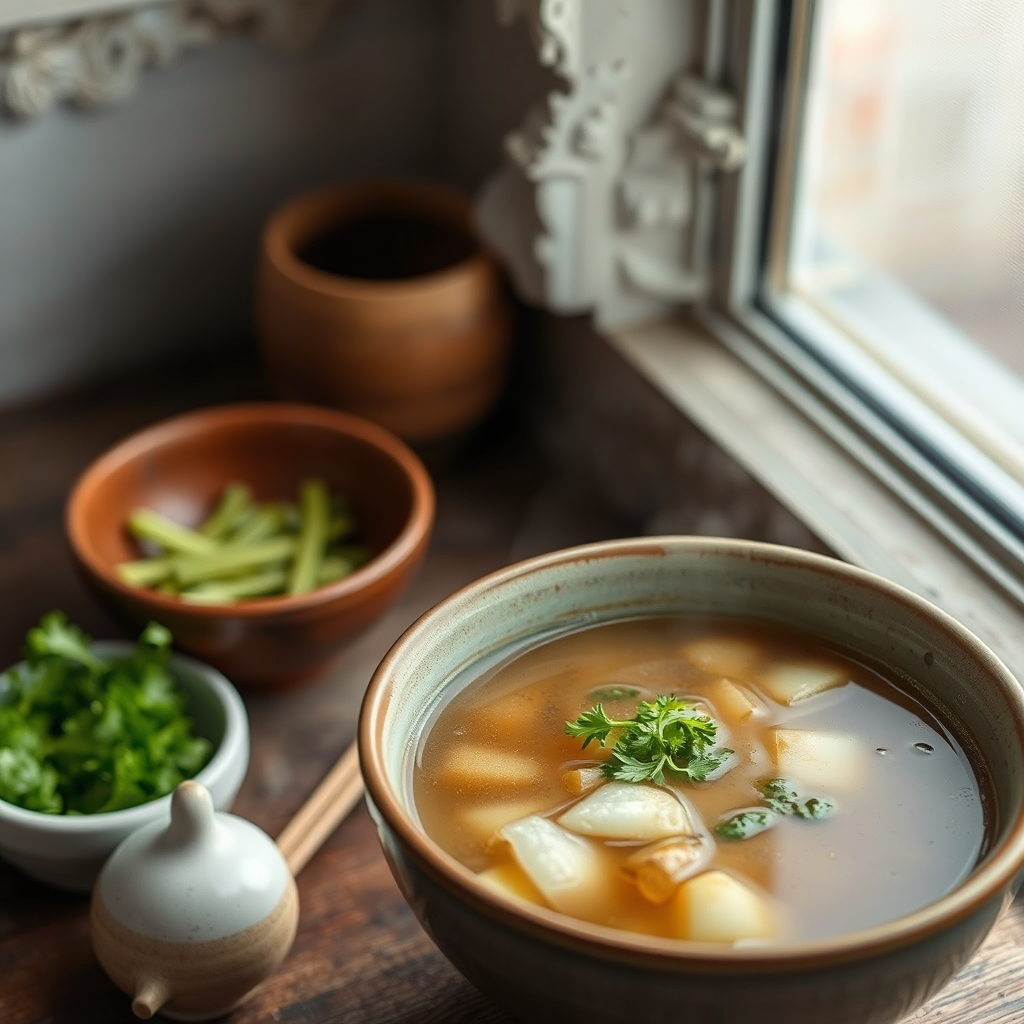
Miso soup is a staple in Japanese cuisine, known for its comforting warmth and distinctive taste. The key ingredient, miso paste, is produced through the fermentation of soybeans, salt, and a mold called koji, which also contributes to its probiotic properties. The fermentation process not only enhances the nutritional profile of the miso but also gives it a complex flavor that varies depending on the type of miso used.
Traditional miso soup usually consists of a dashi broth, which is a simple Japanese stock made from kelp and bonito flakes. In addition to the miso paste and dashi, common add-ins include tofu, which adds protein and texture, alongside seaweed like wakame and garnishes such as green onions. This combination not only makes for a flavorful dish but also provides a variety of nutrients, making it a popular choice for health-conscious individuals.
Nutritional Breakdown
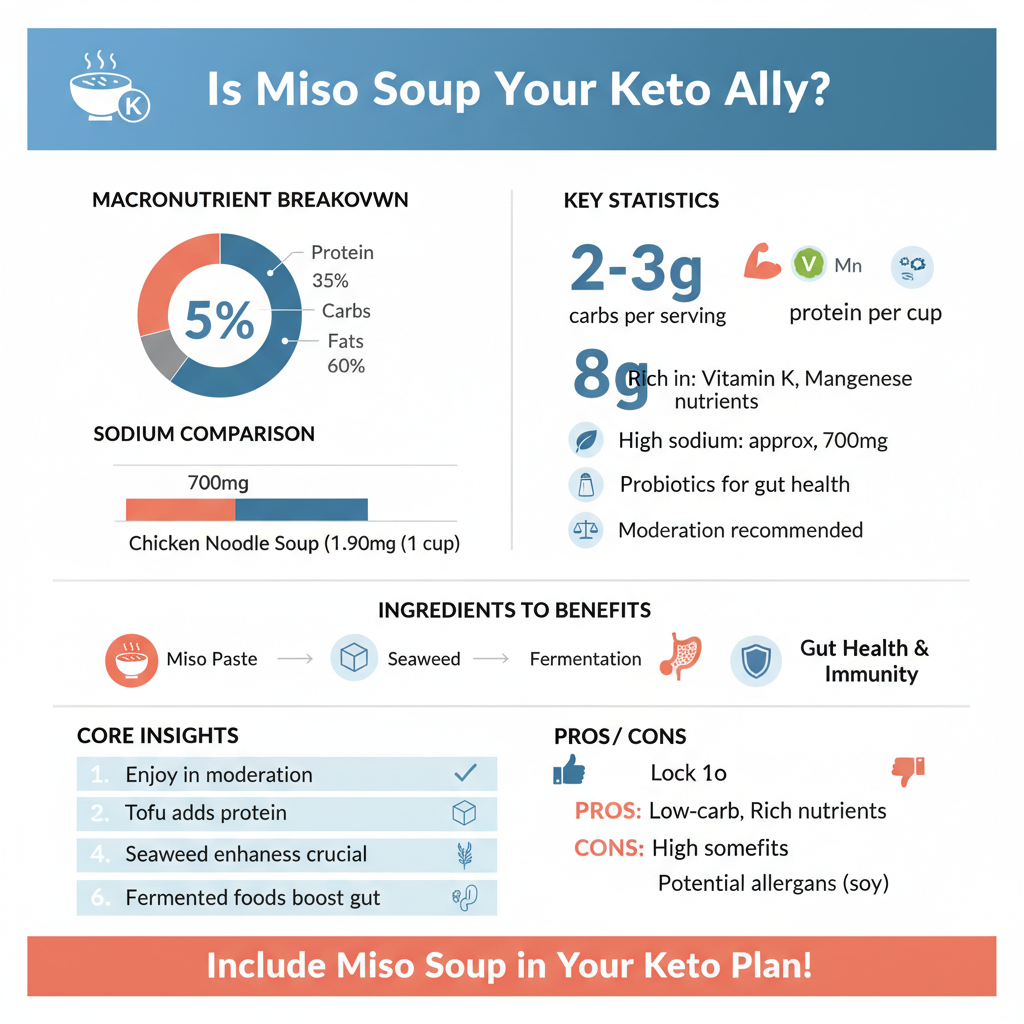
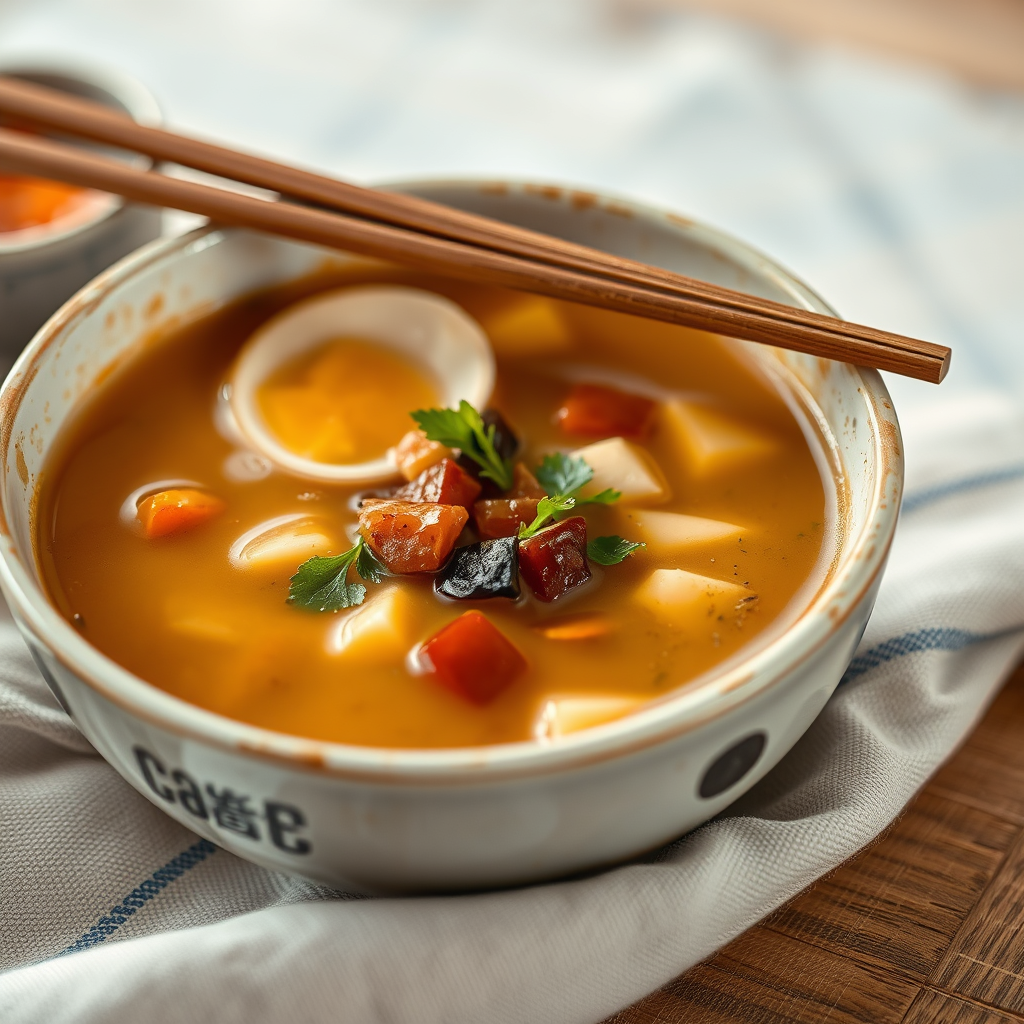
Understanding the nutritional makeup of miso soup is crucial for those following a ketogenic diet. A standard serving of miso soup typically contains approximately 2-3 grams of carbohydrates, making it a low-carb option suitable for keto enthusiasts. The primary source of protein in miso soup comes from tofu, which can vary in content depending on the amount used, but generally provides a good protein boost.
Additionally, miso paste is rich in vitamins and minerals, including vitamin K, manganese, and copper. The probiotics found in miso can also aid in gut health, enhancing digestion, and boosting immunity. However, it’s important to remember that while miso soup is low in carbs, it does contain sodium, so moderation is key, especially for individuals monitoring their salt intake.
Ingredients Impacting Keto Compatibility
When considering the keto-friendliness of miso soup, the ingredients play a critical role.
– Miso Paste: As mentioned, miso paste is the core component of the soup. It is packed with beneficial probiotics, which contribute to a healthy gut microbiome. However, its sodium content can be quite high, so it is advisable to use it sparingly, particularly for those who need to control their sodium intake.
– Add-ins: Tofu and seaweed are excellent low-carb options that align well with a ketogenic diet. Tofu is not only low in carbs but also provides a source of protein, making it a favorite among those opting for plant-based diets. Seaweed, on the other hand, is exceptionally low in calories and carbohydrates while being rich in vitamins and minerals. It is essential to be cautious with any additional ingredients, such as noodles or starchy vegetables, which can significantly increase the carb count of your soup.
By carefully selecting the ingredients and keeping an eye on portion sizes, miso soup can easily fit into a keto lifestyle.
Portion Control and Serving Suggestions
Portion control is vital when enjoying miso soup on a ketogenic diet. To keep the carb counts low, it is advisable to stick to a small bowl rather than a large serving. This way, you can enjoy the flavors without overindulging in carbohydrates.
For a more balanced meal, consider pairing your miso soup with keto-friendly protein sources such as grilled chicken, fish, or shrimp. This combination not only enhances the meal’s nutritional profile but also ensures that you remain satiated longer. Additionally, incorporating low-carb vegetables like spinach or bok choy can add more bulk and nutrients to your soup without significantly increasing carbohydrate intake.
Alternatives to Traditional Miso Soup
If you’re looking to reduce carbohydrates even further, consider substituting cauliflower rice for traditional noodles in your miso soup. Cauliflower rice is an excellent low-carb alternative that can add a satisfying texture without the extra carbs.
Another option is to explore variations using different types of miso paste. For example, white miso (shiro miso) tends to be sweeter and has a slightly different nutritional profile, often containing fewer carbohydrates than darker varieties. Experimenting with different types of miso can not only enhance the flavor of your soup but also allow you to find the best fit for your dietary needs.
Conclusion
In summary, miso soup can be a keto-friendly option when enjoyed in moderation and with mindful ingredient choices. With its low carbohydrate content and rich nutritional profile, it offers a delicious way to incorporate healthy ingredients into your diet. As always, be aware of portion sizes and consider accompanying dishes to maintain your ketogenic goals. Whether you choose to enjoy it as a standalone dish or part of a complete meal, making a bowl at home using low-carb ingredients can provide you with a nutritious and satisfying experience. Embrace the versatility of miso soup and explore its potential within your ketogenic lifestyle!
Frequently Asked Questions
Is miso soup keto-friendly?
Yes, miso soup can be keto-friendly, depending on its ingredients. Traditional miso soup is primarily made from miso paste, which is fermented soybeans, and usually contains minimal carbohydrates. However, it’s essential to be cautious of any added ingredients like tofu or noodles, which can increase the carb count. Opting for a simple miso soup with low-carb vegetables is a great way to enjoy this dish while adhering to a ketogenic diet.
What are the nutritional benefits of miso soup on a keto diet?
Miso soup is rich in essential nutrients, making it a nutritious choice for those on a keto diet. It contains probiotics from the fermentation process, which can aid digestion and promote gut health. Additionally, miso is a good source of protein, vitamins, and minerals, such as vitamin K and manganese, contributing to overall wellbeing while keeping carbohydrates low.
How can I make keto-friendly miso soup at home?
To make keto-friendly miso soup at home, start by dissolving 1-2 tablespoons of miso paste in hot water to create the broth. Add low-carb vegetables like spinach, zucchini, or mushrooms for added flavor and nutrition. You can also include seaweed and a protein source like shredded chicken or boiled eggs. Avoid adding noodles or high-carb ingredients to keep the soup aligned with your keto goals.
Which types of miso paste are best for a keto diet?
When choosing miso paste for a keto diet, opt for white or yellow miso, as they tend to have lower carbohydrate content compared to red miso. Always check the label for added sugars or fillers, which can increase the carb count. Look for organic, non-GMO varieties to ensure a cleaner ingredient profile that aligns with your keto lifestyle.
Why should I consider incorporating miso soup into my keto meal plan?
Incorporating miso soup into your keto meal plan is beneficial due to its low carbohydrate content and rich nutrient profile. It offers hydration, warmth, and comfort while being versatile enough to adapt with various low-carb ingredients. Additionally, the probiotics in miso can help balance gut health, which is essential for anyone on a restrictive diet, making it a wholesome addition to your keto journey.
References
- Miso
- https://www.healthline.com/nutrition/keto-friendly-foods
- https://www.ncbi.nlm.nih.gov/pmc/articles/PMC6313445/
- Vitamin K deficiency: Causes, symptoms, and treatment
- https://www.webmd.com/diet/obesity/what-is-keto-diet
- https://www.health.harvard.edu/staying-healthy/the-ketogenic-diet
- https://www.ncbi.nlm.nih.gov/pmc/articles/PMC6313342/