

Metamucil can fit into a keto diet, but it’s essential to choose the right product and be mindful of your overall carbohydrate intake. This popular fiber supplement, primarily made from psyllium husk, can help with digestive health, which is particularly beneficial for those following a low-carb lifestyle. In this article, we’ll explore how Metamucil aligns with keto principles, its fiber content, and tips for incorporating it into your diet.
Understanding Metamucil’s Composition
Metamucil primarily contains psyllium husk, a soluble fiber known for its digestive benefits. Psyllium is derived from the seeds of the Plantago ovata plant and is recognized for its ability to absorb water, forming a gel-like substance that aids in bowel regularity. This is particularly advantageous for individuals on a keto diet, where dietary changes can sometimes lead to digestive discomfort.
When considering Metamucil for your keto regimen, it’s crucial to check the product label for added sugars or flavorings that may contain carbohydrates. Many flavored varieties of Metamucil, such as those with citrus or berry flavors, can have added sugars that significantly increase their carbohydrate content. For the most keto-friendly option, look for Metamucil products that are labeled as sugar-free or those that do not contain additional flavoring agents.
Carb Content and Keto Compatibility
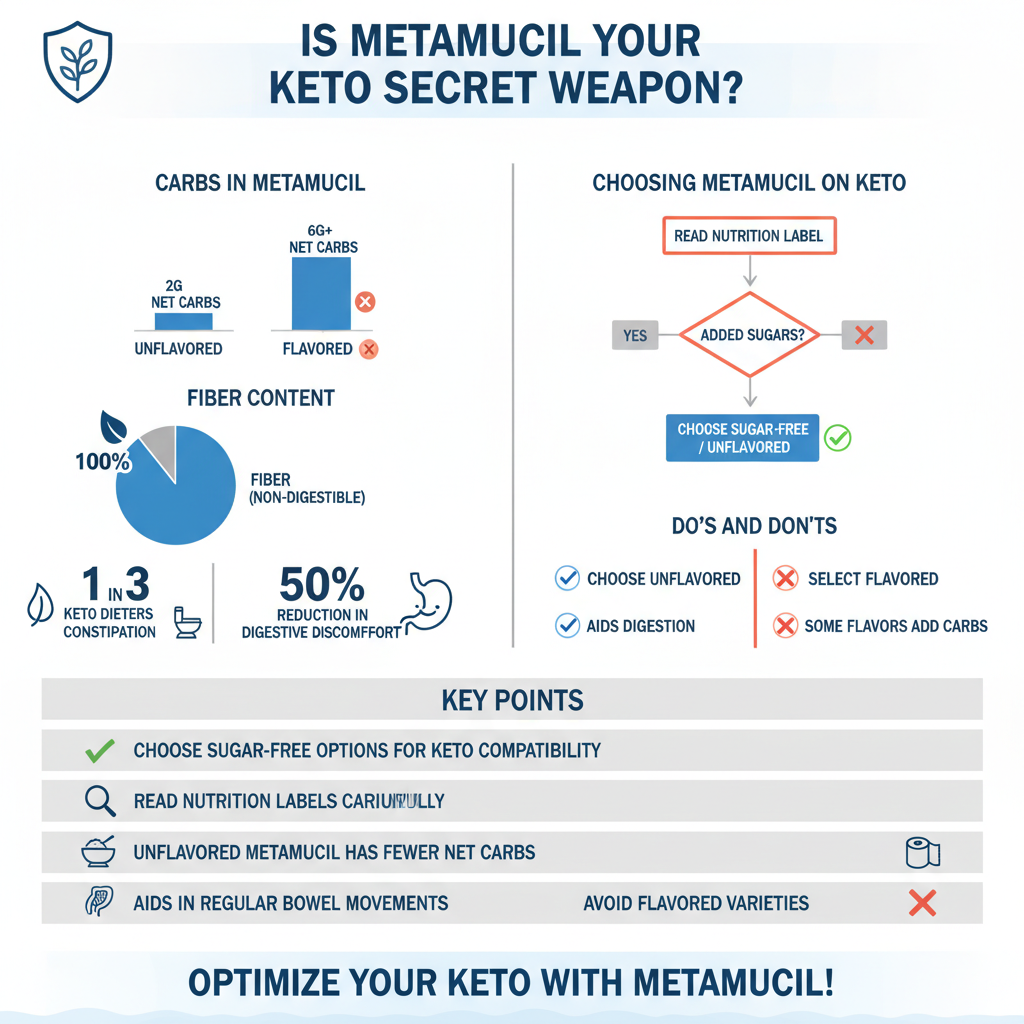
Analyzing the net carbs in different Metamucil products is essential for ensuring keto compatibility. The net carbohydrate count is calculated by subtracting fiber content from total carbohydrates, as fiber is not digested and does not impact blood sugar levels. Most Metamucil products contain about 2 to 3 grams of carbohydrates per serving, but this can vary based on the formulation.
Aim for options with minimal added ingredients to keep carb counts low. For instance, the unflavored Metamucil powder typically contains fewer net carbs compared to flavored versions. Always read the nutrition facts carefully and consider sticking to the recommended serving size to prevent unintended excess carbohydrate intake.
Health Benefits of Fiber on Keto
Fiber plays a crucial role in digestive health, especially when transitioning to a ketogenic diet. A common issue faced by many individuals on low-carb diets is constipation, due to reduced intake of fibrous foods like fruits and grains. Incorporating Metamucil into your routine can help mitigate these effects by promoting regular bowel movements and overall gut health.
Additionally, fiber can help manage appetite and stabilize blood sugar levels, which is particularly beneficial for those looking to maintain their weight or prevent cravings while in ketosis. By integrating fiber sources like Metamucil, you can support your digestive system during this metabolic shift, making the transition smoother and more comfortable.
Recommended Metamucil Products for Keto
Identifying the right Metamucil varieties that are lower in carbs or sugar-free is key to successfully incorporating this supplement into your keto diet. Some of the best options include the unflavored Metamucil powder, which typically has the lowest carbohydrate content and no added sugars.
Another option is Metamucil’s sugar-free formula, which is sweetened with artificial sweeteners instead of sugar, helping to keep carb counts down. It’s worth noting that while these products can be beneficial, individuals should monitor their tolerance to any artificial sweeteners, as they can affect digestion differently.
How to Incorporate Metamucil into Your Keto Diet
Integrating Metamucil into your daily routine can be simple and effective. One way to do this is by adding it to smoothies or keto-friendly recipes, which can enhance the fiber content without significantly increasing carbs. For example, blending Metamucil into a low-carb protein shake or using it in baking recipes that feature almond flour can provide a fiber boost while keeping your meal plan aligned with keto guidelines.
Additionally, using Metamucil as a thickening agent for soups or sauces can also be a creative way to incorporate more fiber into your diet. However, it’s essential to be mindful of portion sizes to ensure you stay within your daily carb limits. Adhering to the recommended serving size of Metamucil can help you enjoy its benefits without exceeding your carbohydrate goals.
Monitoring Your Body’s Response
As with any dietary change, keeping track of how your body reacts to added fiber while on keto is important. Individual responses to fiber can vary significantly; some may experience improved digestion and regularity, while others might find that too much fiber leads to discomfort or bloating.
It’s advisable to start with a smaller serving of Metamucil and gradually increase it as your body adjusts. Additionally, maintaining open communication with healthcare providers or nutritionists can help tailor your fiber intake to fit your personal health goals and dietary needs.
In summary, Metamucil can be a valuable addition to a keto diet, provided that you choose the right product and remain mindful of your overall carbohydrate intake. By exploring the various Metamucil options available, from sugar-free varieties to unflavored formulations, you can enhance your fiber intake without compromising your keto lifestyle. Incorporating Metamucil mindfully into your routine can yield positive digestive health outcomes and support your journey toward achieving your dietary goals.
Frequently Asked Questions
Is Metamucil keto friendly for those following a low-carb diet?
Yes, Metamucil can be considered keto friendly, but it’s essential to choose the right formulation. The original Metamucil powder contains psyllium husk, which is low in net carbs, making it suitable for a ketogenic diet. However, some flavored versions may contain added sugars or carbohydrates that could disrupt ketosis, so always check the nutrition label before consuming.
How can I incorporate Metamucil into my keto meal plan?
You can easily incorporate Metamucil into your keto meal plan by mixing it into smoothies, yogurt, or low-carb baked goods to increase your fiber intake without significantly raising your carb count. Adding Metamucil to your diet can help maintain digestive health, which is often a concern for those on a high-fat, low-carb diet. Just remember to drink plenty of water to avoid any digestive discomfort.
Why is fiber important on a ketogenic diet, and does Metamucil provide sufficient fiber?
Fiber is crucial on a ketogenic diet because it aids in digestion, helps maintain bowel regularity, and can prevent the common issue of constipation that many experience when consuming fewer carbohydrates. Metamucil provides a significant source of soluble fiber, primarily through psyllium husk, which can help meet your daily fiber needs while keeping carb intake low. Aim for a variety of fiber sources to ensure a balanced diet.
What are the potential side effects of using Metamucil while on a keto diet?
While Metamucil is generally safe for most people, potential side effects can include bloating, gas, or abdominal discomfort, especially if you increase your fiber intake too quickly. On a ketogenic diet, it’s essential to introduce Metamucil gradually to allow your digestive system to adjust, and always ensure you’re hydrated, as fiber absorbs water. If you experience severe discomfort, consult a healthcare professional.
Which Metamucil products are best for a ketogenic lifestyle?
The best Metamucil products for a ketogenic lifestyle are those that are sugar-free and contain minimal carbohydrates. The Metamucil Sugar-Free Smooth Powder or the capsules are excellent options, as they provide the necessary fiber without the added sugars that can interfere with ketosis. Always read the labels to confirm the carbohydrate content and ensure you’re staying within your daily limits.
References
- https://www.ncbi.nlm.nih.gov/pmc/articles/PMC6313440/
- https://www.healthline.com/nutrition/metamucil-keto
- https://www.webmd.com/diet/what-to-know-about-keto-diet
- https://www.mayoclinic.org/healthy-lifestyle/nutrition-and-healthy-eating/expert-answers/metamucil/faq-20058094
- https://www.medicalnewstoday.com/articles/metamucil-for-weight-loss
- https://www.cdc.gov/healthyweight/assessing/bmi/adult_bmi/english_bmi_calculator/bmi_calculator.html
- https://www.dietitian.com.au/faq/metamucil-and-keto/