

Maple syrup is not considered keto-friendly due to its high sugar content and carbohydrate levels. While it may be a natural sweetener, those following a ketogenic diet should be cautious and opt for alternatives that fit within their carb limits. In this article, we will explore the nutritional profile of maple syrup, its impact on ketosis, potential alternatives, and how to make informed choices while maintaining a keto lifestyle.
Nutritional Profile of Maple Syrup
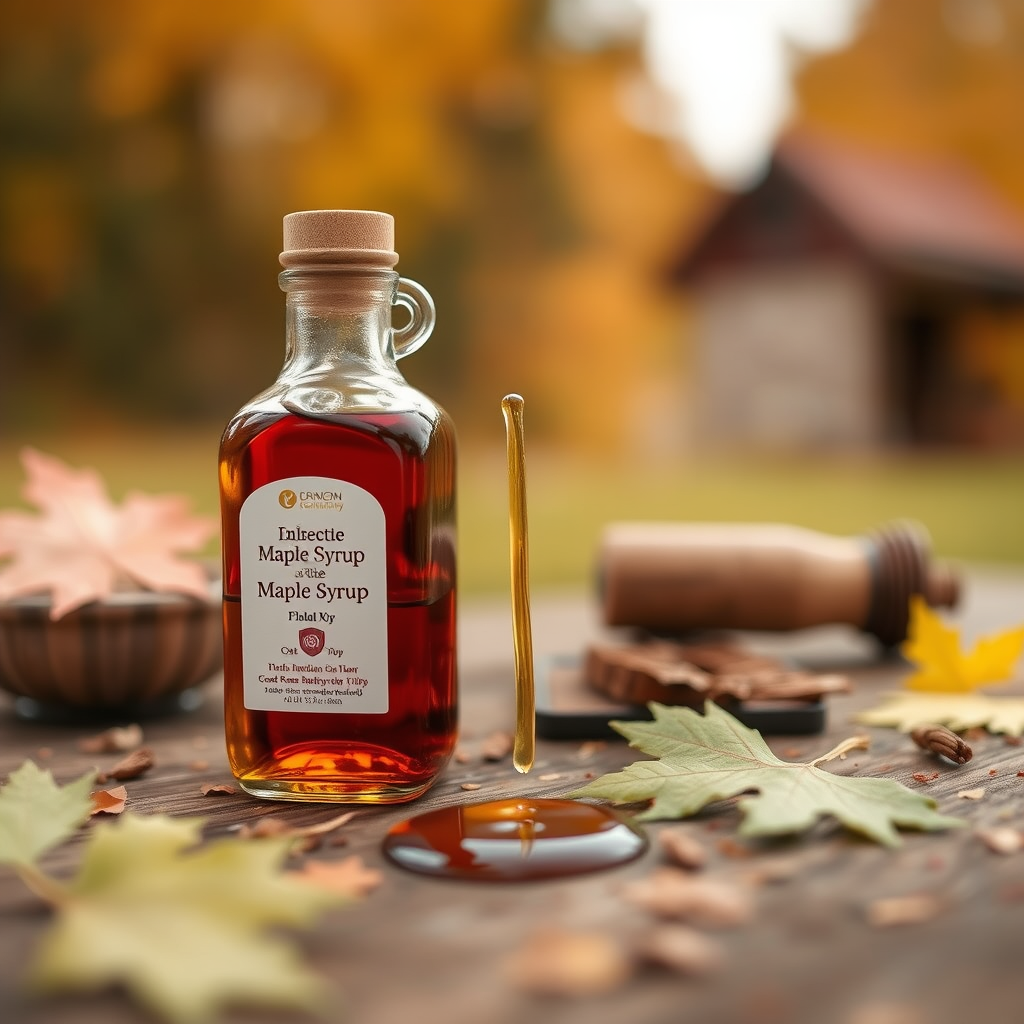
Maple syrup is often celebrated for its rich flavor and natural origins, but it is essential to examine its nutritional profile closely. A typical serving size of maple syrup, which is about one tablespoon, contains approximately 13.4 grams of carbohydrates. This high carbohydrate content primarily comes from sugars, including sucrose, glucose, and fructose. For individuals on a ketogenic diet, which typically limits daily carbohydrate intake to around 20-50 grams, consuming even a small amount of maple syrup can take up a significant portion of their carb allowance.
In addition to carbohydrates, maple syrup does provide some vitamins and minerals. It is a source of manganese and zinc, both of which play roles in antioxidant activity and immune function. However, the benefits of these nutrients are often overshadowed by the syrup’s high sugar content, making it a less ideal choice for those seeking to adhere to a ketogenic lifestyle. The nutritional trade-off raises questions about whether the occasional indulgence in maple syrup is worth the potential disruption to ketosis.
Impact on Ketosis
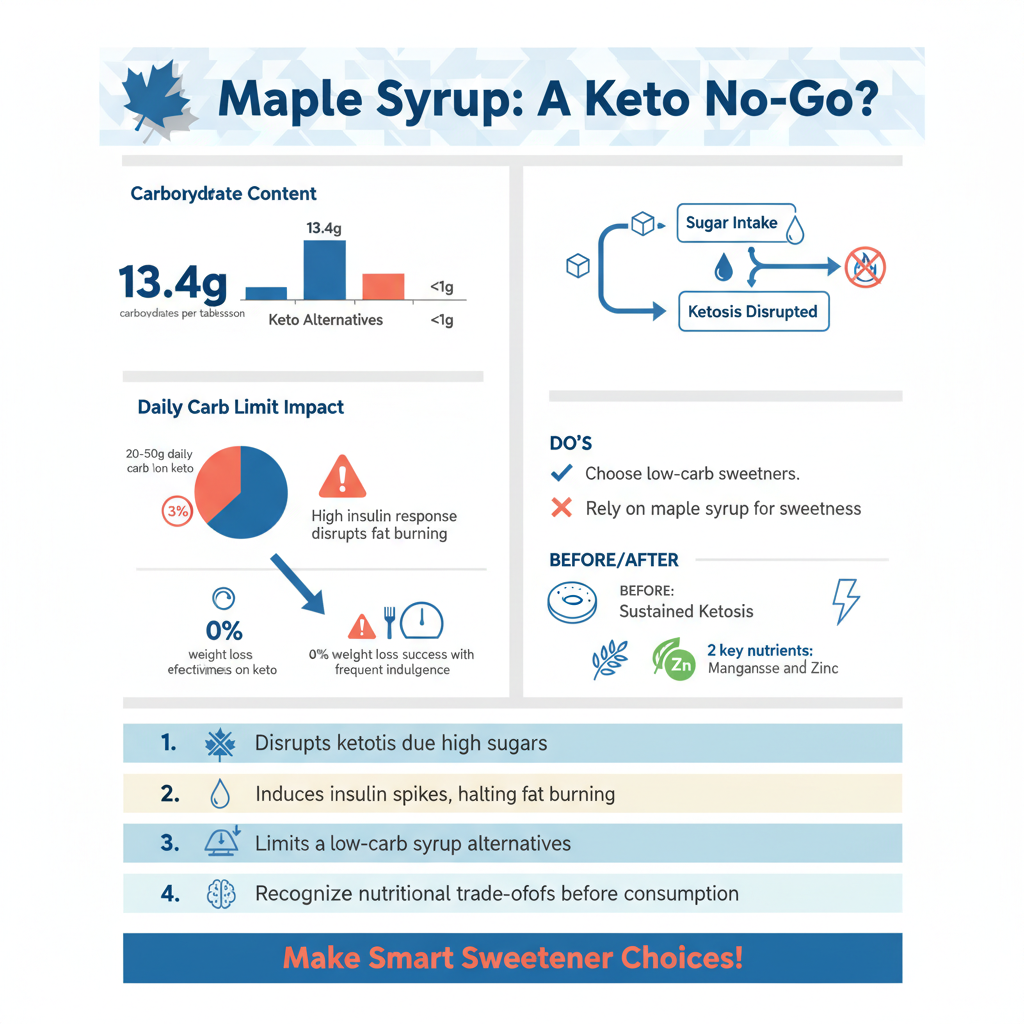
The primary goal of a ketogenic diet is to encourage the body to enter a state of ketosis, where it burns fat for fuel instead of carbohydrates. Consuming high-carb foods like maple syrup can disrupt this delicate state. The body reacts to sugar intake by increasing blood glucose levels, prompting a corresponding insulin response to manage that glucose. This spike in insulin can lead to a shift away from fat burning, thus hindering the effectiveness of the ketogenic diet.
Regular consumption of maple syrup can pose challenges for sustained weight loss efforts associated with keto. Since the diet emphasizes low carb intake to promote fat oxidation, indulging in sugary options like maple syrup may not only stall weight loss progress but also lead to cravings for other high-carb foods. Therefore, while maple syrup may be a delightful addition to pancakes or waffles, it is important to recognize its potential impact on ketosis and overall dietary goals.
Alternatives to Maple Syrup on Keto
Fortunately, there are several keto-friendly alternatives to maple syrup that allow you to enjoy sweetness without derailing your dietary efforts. Sugar-free maple-flavored syrups made with natural sweeteners like erythritol or stevia can provide similar flavors without the carbohydrate load. Erythritol, a sugar alcohol, is low in calories and is not metabolized by the body, making it an excellent choice for those on a ketogenic diet.
Other low-carb sweeteners worth considering include monk fruit and allulose. Monk fruit is derived from the monk fruit plant and contains zero calories, making it a popular choice for those seeking a natural sweetener without the carbs. Allulose, on the other hand, is a rare sugar that offers a similar taste to sugar but with minimal impact on blood glucose levels. By incorporating these alternatives into your diet, you can satisfy your sweet cravings while remaining within your carb limits.
How to Use Maple Syrup Sparingly
If you find yourself craving maple syrup and wish to indulge occasionally, it’s crucial to use it sparingly and strategically. Limiting your portion sizes can help you manage your carbohydrate intake effectively. Consider measuring out half a tablespoon instead of a full tablespoon to reduce the carb count.
Additionally, pairing maple syrup with high-fat foods can help mitigate blood sugar spikes. For instance, drizzling a small amount of maple syrup over a serving of full-fat Greek yogurt or incorporating it into a dish with avocado can slow the absorption of sugar into the bloodstream. This approach allows you to enjoy the flavor without drastically affecting your ketosis.
Recipes Incorporating Low-Carb Sweeteners
Experimenting with low-carb sweeteners can open up a world of delicious keto-friendly recipes. For instance, you can create keto pancakes using almond flour and a sugar-free syrup alternative to achieve the classic breakfast experience without the carbs.
For dessert, consider making keto brownies sweetened with erythritol, or enjoy a chia seed pudding flavored with monk fruit. Marinades and dressings can also benefit from these sweeteners; a low-carb BBQ sauce made with allulose can add flavor to grilled meats without the sugar. By substituting maple syrup with approved low-carb sweeteners, you can enjoy delightful meals while adhering to your keto lifestyle.
Tips for Staying on Track with Keto
Maintaining a successful ketogenic diet requires diligence and attention to detail, especially when it comes to hidden sugars and carbohydrates. Always read labels carefully to identify any hidden sugars in packaged products. Many items that are marketed as “healthy” or “natural” can contain unexpected carbohydrates that may disrupt your diet.
Tracking your daily carb intake is also crucial. Use a food diary or an app to log your meals and snacks, ensuring that you remain within your carbohydrate limits. This practice not only helps you stay accountable but also provides insights into how different foods affect your body and ketosis.
Sticking to a ketogenic lifestyle means being mindful of the foods you consume, including sweeteners like maple syrup. While it may not fit the keto profile, understanding its effects and exploring alternatives can help you maintain your dietary goals. Consider trying low-carb sweeteners and experimenting with recipes to satisfy your sweet tooth without compromising your keto journey. By making informed choices and staying aware of your carb intake, you can successfully navigate the challenges of a ketogenic lifestyle.
Frequently Asked Questions
Is maple syrup keto-friendly for a low-carb diet?
Maple syrup is generally not considered keto-friendly due to its high sugar content. A single tablespoon of pure maple syrup contains approximately 13.4 grams of carbohydrates, which can quickly exceed the daily carb limit for a ketogenic diet. While it can be used sparingly in small amounts, those on strict keto should look for alternative sweeteners that have little to no carbohydrates, such as erythritol or stevia.
What are some low-carb alternatives to maple syrup?
If you’re following a keto diet and want a sweetener similar to maple syrup, consider low-carb alternatives like sugar-free maple syrup, which is often made with monk fruit or erythritol. Other options include coconut nectar, which has a lower glycemic index, or homemade keto-friendly syrup made from blending water, sweetener, and a touch of vanilla for flavor. These options allow you to enjoy sweet flavors without the high carb count of traditional maple syrup.
Why is maple syrup considered high in carbohydrates?
Maple syrup is derived from the sap of maple trees and is concentrated through boiling, which results in a syrup that is rich in natural sugars. The primary sugars found in maple syrup are sucrose, glucose, and fructose, all of which contribute to its high carbohydrate content. For this reason, while maple syrup may be a natural sweetener, it is not suitable for those who need to restrict their carbohydrate intake, such as individuals on a ketogenic or low-carb diet.
How can I incorporate maple syrup into my diet without exceeding my carb limit?
If you wish to incorporate a small amount of maple syrup into your keto diet, it’s essential to do so in moderation. Consider measuring out a teaspoon to drizzle over low-carb pancakes or baked goods, ensuring you account for the carbs in your overall daily intake. Additionally, you might use it as a flavoring in recipes where it can be balanced with other low-carb ingredients to minimize its impact on your carb limit.
Which brands of maple syrup are the healthiest options?
When selecting maple syrup, look for 100% pure maple syrup, as it contains no additives or artificial ingredients. Organic varieties are also a good choice, as they are sourced from sustainably managed forests and free from harmful pesticides. Brands like Grade A Maple Syrup and Crown Maple are often recommended for their purity and quality, but always check the label to ensure you’re getting a product that fits your dietary needs, particularly if you are managing sugar intake.
References
- https://www.healthline.com/nutrition/keto-friendly-sweeteners
- https://www.ncbi.nlm.nih.gov/pmc/articles/PMC5821971/
- https://www.webmd.com/diet/what-is-the-keto-diet
- https://www.mayoclinic.org/healthy-lifestyle/nutrition-and-healthy-eating/expert-answers/keto-diet/faq-20451251
- https://www.verywellfit.com/keto-diet-5192844