

Keto can affect cholesterol levels in various ways. While some people see an increase in HDL (good) cholesterol, others may experience a rise in LDL (bad) cholesterol. Your individual response will depend on factors like diet composition and personal health. Eating healthy fats and managing saturated fat intake is essential. Regular monitoring is important to understand your cholesterol status. If you’re curious about how to tailor the keto diet for your needs, there’s plenty more information available on this topic.
Understanding Cholesterol: The Basics

Cholesterol, a waxy substance found in your body, plays an essential role in various functions, including hormone production and cell membrane formation. There are two main cholesterol types: LDL (low-density lipoprotein), often referred to as “bad” cholesterol, and HDL (high-density lipoprotein), known as “good” cholesterol. Maintaining a balance between these is imperative for heart health. Your dietary sources can greatly influence these levels; saturated fats and trans fats found in processed foods can raise LDL cholesterol, while healthy fats from nuts, seeds, and fish can boost HDL. Understanding these dynamics empowers you to make informed choices, promoting your well-being and freedom to live a healthy lifestyle. Keep in mind that moderation and balance are key to managing cholesterol effectively.
What Is the Ketogenic Diet?
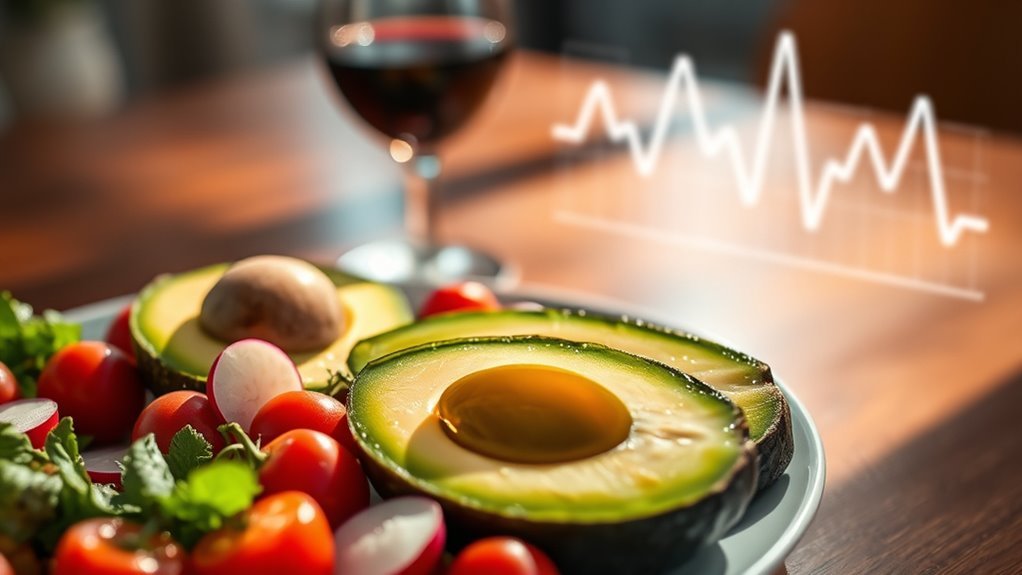
If you’re looking to understand the ketogenic diet, you’ll find it’s a low-carbohydrate, high-fat eating plan designed to shift your body into a state of ketosis. Here are some keto basics and diet principles to evaluate:
- Carbohydrate Reduction: Typically, carb intake is limited to about 20-50 grams per day.
- Increased Fat Consumption: Healthy fats become your primary energy source, making up about 70-75% of your daily calories.
- Moderate Protein: Protein intake is moderate, around 20-25% of your daily calories, to maintain muscle mass without kicking you out of ketosis.
- Ketosis Goal: The ultimate goal is to encourage the body to burn fat for fuel instead of carbohydrates.
This diet can offer freedom in food choices while promoting various health benefits.
The Science Behind Ketosis and Fat Metabolism
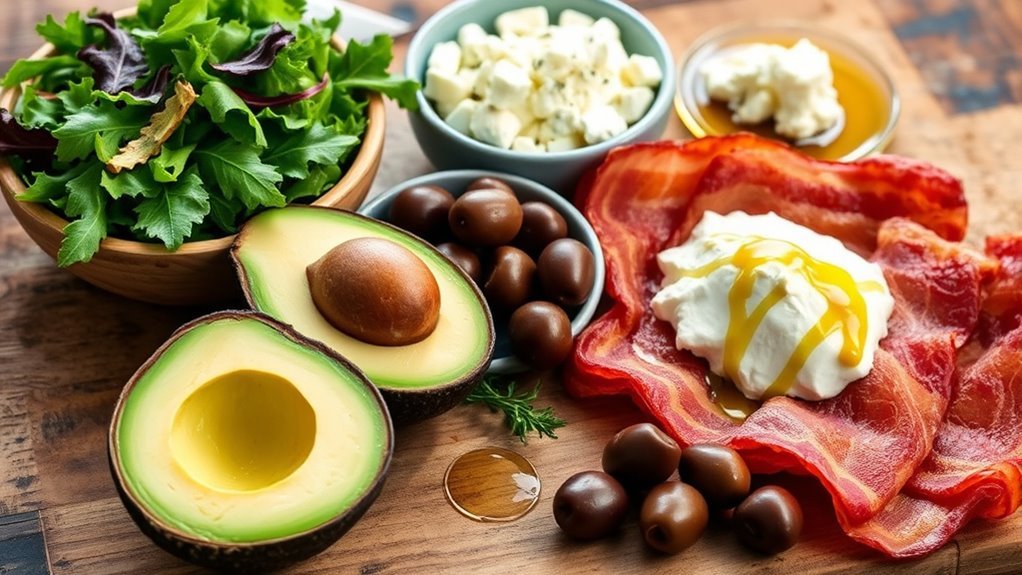
When you’re in ketosis, your body shifts from using carbohydrates to burning fat for energy, which can impact your cholesterol levels. This metabolic state increases the production of ketones, which may influence how your body handles fat and cholesterol. Understanding this process can help you make informed decisions about the ketogenic diet and its effects on your health.
Ketosis and Fat Burning
As your body enters ketosis, it shifts from relying on carbohydrates for energy to burning fat stores, which can markedly impact fat metabolism. This process brings several ketosis benefits, particularly through fat adaptation. Here’s how it works:
- Increased Fat Oxidation: Your body becomes more efficient at converting fat into energy.
- Stable Blood Sugar Levels: With fewer carbs, your blood sugar stabilizes, reducing cravings.
- Enhanced Energy Levels: Many report improved stamina and endurance as fat becomes the primary fuel source.
- Weight Loss: As you burn fat, you may naturally shed excess weight.
These changes not only support fat metabolism but also promote a sense of freedom in your dietary choices, allowing you to thrive on a ketogenic path.
Cholesterol Levels Explained
Cholesterol, often seen as a villain in the domain of heart health, plays an essential role in the body, particularly when considering the effects of a ketogenic diet. Understanding cholesterol types—LDL (low-density lipoprotein) and HDL (high-density lipoprotein)—is vital. While LDL is often labeled as “bad,” it’s important to note that not all LDL particles are harmful. In a keto diet, you might consume more saturated fats from dietary sources like meat and dairy, which can impact your cholesterol levels. Balancing these fats with healthy sources, such as avocados and nuts, can help maintain ideal levels. Ultimately, it’s about finding a dietary approach that supports your health goals while being mindful of how cholesterol types interact.
How Keto Affects Cholesterol Levels
When you follow a keto diet, you might notice changes in your cholesterol levels, including shifts in LDL and HDL. Research shows that while some people experience increased LDL cholesterol, others see improvements in HDL and lower triglycerides. Understanding these changes is essential for managing inflammation and overall heart health on a ketogenic diet.
LDL and HDL Changes
While many people turn to the ketogenic diet for weight loss, its impact on cholesterol levels, particularly LDL and HDL, is a crucial consideration. Here’s how Keto typically affects these cholesterol types:
- LDL Reduction: Some studies show that following a Keto diet can lead to a reduction in LDL cholesterol levels.
- HDL Increase: Many individuals experience an increase in HDL cholesterol, often referred to as the “good” cholesterol.
- Particle Size: Keto may shift LDL particles to a larger, less harmful size.
- Individual Variation: Responses can vary; some might see increases in LDL, emphasizing the need for regular monitoring.
Understanding these changes can empower you to make informed choices about your health journey while on a ketogenic diet.
Triglycerides and Inflammation Levels
Although many people focus on LDL and HDL when considering the effects of a ketogenic diet, triglycerides and inflammation levels are also important factors that can considerably influence heart health. Research shows that a ketogenic diet can lead to significant reductions in triglyceride levels, which is beneficial for cardiovascular wellbeing. Additionally, the diet promotes inflammation reduction, further supporting heart health.
| Factor | Keto Effect |
|---|---|
| Triglyceride Levels | Decrease |
| Inflammation Levels | Reduction |
| Heart Health | Improvement |
The Role of Saturated Fats in the Keto Diet
As you explore the keto diet, understanding the role of saturated fats is vital, especially if you’re concerned about high cholesterol. While saturated fats have been vilified in the past, their impact on heart health is nuanced. Here are some key saturated fat sources to take into account:
Understanding saturated fats is crucial on the keto diet, especially regarding heart health and cholesterol concerns.
- Coconut oil – Often praised for its medium-chain triglycerides, which may support energy.
- Butter – A staple in many keto recipes, it can be enjoyed in moderation.
- Cheese – Packed with nutrients, it can add flavor and richness but should be consumed mindfully.
- Fatty cuts of meat – They provide essential nutrients but balance is fundamental for overall health.
Understanding how these fats fit into your diet can help you make informed choices while enjoying the freedom the keto lifestyle offers.
Potential Benefits of Keto for Cholesterol Management
If you’re considering the keto diet for managing high cholesterol, it’s important to recognize its potential benefits. Research suggests that a ketogenic diet can improve HDL (good cholesterol) levels while potentially lowering triglycerides. By greatly reducing carbohydrate intake, your body shifts to burning fat for energy, which may positively impact cholesterol profiles. Many people experience weight loss on keto, which is also linked to improved cholesterol management. Additionally, the diet emphasizes whole, nutrient-dense foods, which can contribute to a healthier lifestyle overall. However, individual responses vary, so it’s essential to monitor your cholesterol levels closely and consult with a healthcare professional. Embracing keto benefits could be a step towards better cholesterol management, but balance and awareness are key.
Expert Opinions: Nutritionists Weigh In
When considering a keto diet, it’s essential to understand how it can affect your cholesterol levels. Nutritionists emphasize the importance of maintaining a balanced diet, even within the high-fat framework of keto, to guarantee your overall heart health. By weighing expert opinions, you can make a more informed decision about whether keto is right for you.
Cholesterol Levels Impact
While the ketogenic diet has gained popularity for weight loss, its impact on cholesterol levels is a topic of considerable debate among nutritionists. Many people hold cholesterol misconceptions, leading to confusion about how dietary choices affect heart health. Here’s a balanced view on cholesterol levels:
- LDL and HDL: Keto may raise LDL (bad) cholesterol but can also elevate HDL (good) cholesterol.
- Triglycerides: Many report reduced triglyceride levels, which is a positive sign.
- Individual Variation: Responses to the diet vary; not everyone experiences increased cholesterol.
- Whole Foods Matter: Focusing on whole, nutrient-dense foods can mitigate negative impacts.
Navigating these nuances can empower you to make informed dietary choices while considering your cholesterol health.
Nutritional Balance Importance
Although many people are drawn to the ketogenic diet for its potential weight loss benefits, nutritionists emphasize that maintaining nutritional balance is essential for overall health, especially when considering cholesterol levels. It’s vital to prioritize nutrient diversity in your meals. A diet too high in saturated fats, often associated with keto, can lead to increased cholesterol levels. To counteract this, focus on balanced meals that include a variety of vegetables, healthy fats, and lean proteins. Incorporating foods rich in omega-3 fatty acids, like fish, can support heart health. Remember, it’s not just about cutting carbs; it’s about ensuring your body gets the essential nutrients it needs while pursuing your health goals. Freedom in your diet comes with informed choices.
Monitoring Cholesterol While on Keto
Monitoring cholesterol levels is essential for anyone adopting a ketogenic diet, especially since this high-fat eating plan can greatly impact lipid profiles. To effectively manage your cholesterol while on keto, consider these key steps:
Monitoring cholesterol is crucial on a ketogenic diet, as this high-fat approach can significantly affect lipid profiles.
- Regular Testing: Schedule cholesterol monitoring every 3-6 months to track changes.
- Know Your Numbers: Understand your LDL, HDL, and triglyceride levels to gauge your health.
- Dietary Adjustments: If your cholesterol rises, reassess your fat sources—opt for healthier fats like avocados and olive oil.
- Consult a Professional: Work with a healthcare provider to tailor your keto approach, ensuring it aligns with your cholesterol goals.
Alternative Diets for High Cholesterol
If you find that your cholesterol levels are high on a ketogenic diet, exploring alternative dietary options can be beneficial. The Mediterranean diet emphasizes whole foods, healthy fats, and omega-3 sources, promoting heart health. A plant-based diet, rich in fiber-rich foods, can also lower cholesterol levels while offering a range of nutrients. Additionally, the DASH diet focuses on portion control and balanced meals to support cardiovascular wellness. If you prefer a low-carb approach, consider incorporating intermittent fasting, which can enhance metabolic health without compromising nutrition. Making lifestyle changes, such as prioritizing whole foods and healthy fats, can help you find the right balance for your health. Remember, everyone’s body is different, so choose what suits you best.
Making an Informed Decision: Is Keto Right for You?
When considering whether the ketogenic diet is right for you, it’s essential to examine how it aligns with your individual health goals and lifestyle. Here are some factors to think about:
- Personal Health History: Consult with a healthcare professional to evaluate how keto might affect your cholesterol levels.
- Diet Preferences: Consider whether a low-carb, high-fat diet fits your taste and daily routine.
- Sustainability: Reflect on whether you can maintain this diet long-term without feeling restricted.
- Energy Levels: Pay attention to how your body responds regarding energy and overall well-being.
Ultimately, making an informed decision about keto involves understanding your unique needs and being open to adapting your approach as necessary.
1. Is the ketogenic diet safe for individuals with high cholesterol?
The ketogenic diet can be safe for some individuals with high cholesterol, but it largely depends on the person’s overall health, type of cholesterol, and specific dietary choices. While some studies suggest that keto can help improve HDL (“good”) cholesterol levels and lower triglycerides, it may also raise LDL (“bad”) cholesterol levels in some people. It’s crucial to consult with a healthcare provider before starting the keto diet, especially if you have existing cholesterol concerns.
2. How does the ketogenic diet affect cholesterol levels?
The ketogenic diet is high in fats and low in carbohydrates, which can lead to changes in cholesterol levels. Some people experience an increase in LDL cholesterol, while others may see improvements in overall cholesterol profiles, including higher HDL levels. The response can vary significantly among individuals, so regular monitoring of cholesterol levels is important while following the diet.
3. What types of fats are recommended on a ketogenic diet for heart health?
On a ketogenic diet, it’s important to focus on healthy fats to promote heart health. Recommended sources include avocados, olive oil, nuts, seeds, and fatty fish like salmon. These fats are beneficial for heart health and can help improve cholesterol profiles. It’s advisable to limit saturated fats from sources like red meat and full-fat dairy, as excessive consumption may negatively impact cholesterol levels.
4. Can the ketogenic diet lead to a decrease in triglyceride levels?
Yes, the ketogenic diet has been associated with decreased triglyceride levels in many individuals. The low carbohydrate intake helps reduce insulin levels and promotes fat burning, which can lead to lower triglyceride concentrations. However, individual responses may vary, so it’s essential to monitor your levels and adjust the diet if necessary.
5. Should I consult a doctor before starting a ketogenic diet if I have high cholesterol?
Absolutely. Consulting with a healthcare professional before starting the ketogenic diet is crucial, especially if you have high cholesterol or other underlying health conditions. A doctor or a registered dietitian can help assess your individual health status, provide personalized recommendations, and monitor your cholesterol levels throughout the dietary changes.
References
- https://www.ncbi.nlm.nih.gov/pmc/articles/PMC6520661/
- https://www.heart.org/en/news/2021/04/26/keto-diet-what-you-need-to-know
- https://www.health.harvard.edu/blog/the-keto-diet-and-your-heart-2021011921891
- https://www.mayoclinic.org/healthy-lifestyle/nutrition-and-healthy-eating/expert-answers/keto-diet-and-cholesterol/faq-20058006
- https://www.webmd.com/diet/what-to-know-about-the-keto-diet
- https://www.verywellhealth.com/keto-diet-and-cholesterol-5192975
- https://www.cdc.gov/heartdisease/cholesterol.htm
- https://www.nhlbi.nih.gov/health-topics/cholesterol
- https://www.heartfoundation.org.au/healthy-eating/eating-for-heart-health/keto-diet-and-heart-health