
The keto diet can impact your cholesterol levels, sometimes raising LDL (bad cholesterol) while often increasing HDL (good cholesterol). While many experience lower triglycerides, some may face risks with high saturated fat intake. It’s important to monitor your individual responses and consider the balance of fats in your diet. Understanding these dynamics helps you maintain heart health. If you’re curious about how to navigate these changes effectively, there’s more to explore on this topic.
Understanding Cholesterol: The Basics

Although cholesterol often gets a bad rap, it’s essential for many bodily functions, including hormone production and cell membrane integrity. There are two primary cholesterol types: low-density lipoprotein (LDL) and high-density lipoprotein (HDL). LDL is often labeled “bad” cholesterol because it can lead to plaque buildup in arteries, while HDL is considered “good” cholesterol as it helps remove LDL from the bloodstream. Understanding these cholesterol functions is important for maintaining health. Your body needs cholesterol to produce vitamin D, certain hormones, and bile acids that aid in digestion. So, while it’s crucial to monitor your cholesterol levels, remember that cholesterol itself isn’t the enemy; it’s about finding balance and making informed choices that support your well-being.
How the Keto Diet Affects Cholesterol Levels

When you follow a keto diet, you might notice changes in your cholesterol levels, particularly with LDL and HDL. Research suggests that while LDL may increase for some, HDL often rises as well, which can be beneficial. Additionally, many keto dieters experience a significant reduction in triglyceride levels, contributing to overall heart health.
LDL and HDL Changes
As you begin the keto diet, it’s important to understand how it can influence your cholesterol levels, particularly LDL (low-density lipoprotein) and HDL (high-density lipoprotein). Research shows that consuming higher amounts of dietary fats can shift your cholesterol metabolism. While some may experience an increase in LDL, others see a rise in HDL, which is beneficial for heart health.
| Cholesterol Type | Typical Change | Implications |
|---|---|---|
| LDL | May increase | Potential risks |
| HDL | Often increases | Cardiovascular benefit |
| Overall Balance | Varies | Individual response |
Understanding these changes can help you navigate your health journey on the keto diet while empowering you to make informed choices.
Triglyceride Levels Impact
While the keto diet is often praised for its potential to improve body composition, it can also importantly impact your triglyceride levels. Research suggests that by considerably reducing carbohydrate intake, the keto diet may lead to a decrease in triglyceride levels for many individuals. This reduction occurs because the diet limits common triglyceride sources, such as sugars and refined grains, while promoting healthy fats. However, it’s crucial to approach this diet mindfully; some may experience increased triglycerides due to excessive consumption of saturated fats. Balancing your fat sources and including omega-3 fatty acids can help guarantee you’re on the right track. Ultimately, monitoring your triglyceride levels is key to understanding how the keto diet is affecting your cholesterol profile.
The Role of Saturated Fats in a Keto Diet
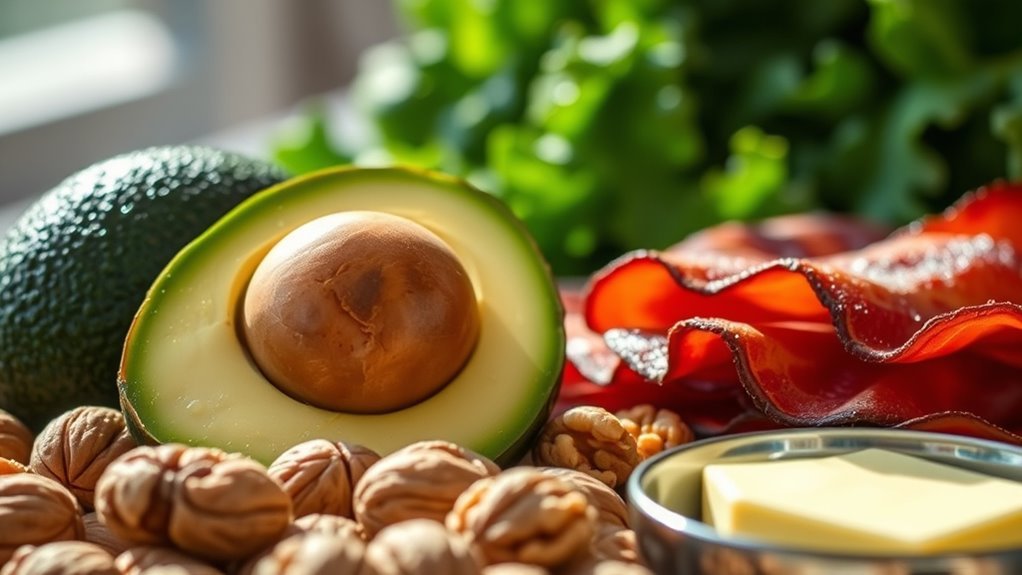
Although saturated fats have often been vilified in discussions about heart health, they play an essential role in the ketogenic diet. Your body requires fats for energy, and saturated fats can be a valuable source. They help maintain ketosis, which can lead to weight loss and improved metabolic health.
Here are some common saturated fat sources:
| Saturated Fat Source | Benefits |
|---|---|
| Coconut Oil | Supports metabolism |
| Butter | Rich in vitamins |
| Fatty Cuts of Meat | Provides essential amino acids |
| Cheese | Source of protein and calcium |
In moderation, these saturated fat sources can fit into a well-formulated keto diet, allowing you the freedom to enjoy diverse foods while potentially benefiting your overall heart health.
Comparing LDL and HDL Cholesterol: What Matters?
When it comes to cholesterol, understanding LDL and HDL is vital for your health. LDL, often labeled as “bad” cholesterol, can lead to plaque buildup in arteries, while HDL, the “good” cholesterol, helps remove excess cholesterol from your bloodstream. Balancing these two types is essential for evaluating your overall cardiovascular risk, especially on a keto diet.
LDL Cholesterol Explained
Understanding LDL cholesterol is crucial for anyone traversing the complexities of heart health, especially within the context of the keto diet. Low-Density Lipoprotein (LDL) plays an important role in your body, but its levels can vary based on diet and lifestyle. Here’s what you should know about LDL:
- LDL functions: It transports cholesterol to cells for energy and membrane formation.
- LDL sources: Dietary fats, particularly saturated fats, can elevate LDL levels.
- Health implications: High LDL is often linked to increased heart disease risk.
- Management: A balanced approach, focusing on healthy fats and regular exercise, can help maintain ideal LDL levels.
Being informed about LDL helps you make empowered choices for your heart health while following a keto diet.
HDL Cholesterol Importance
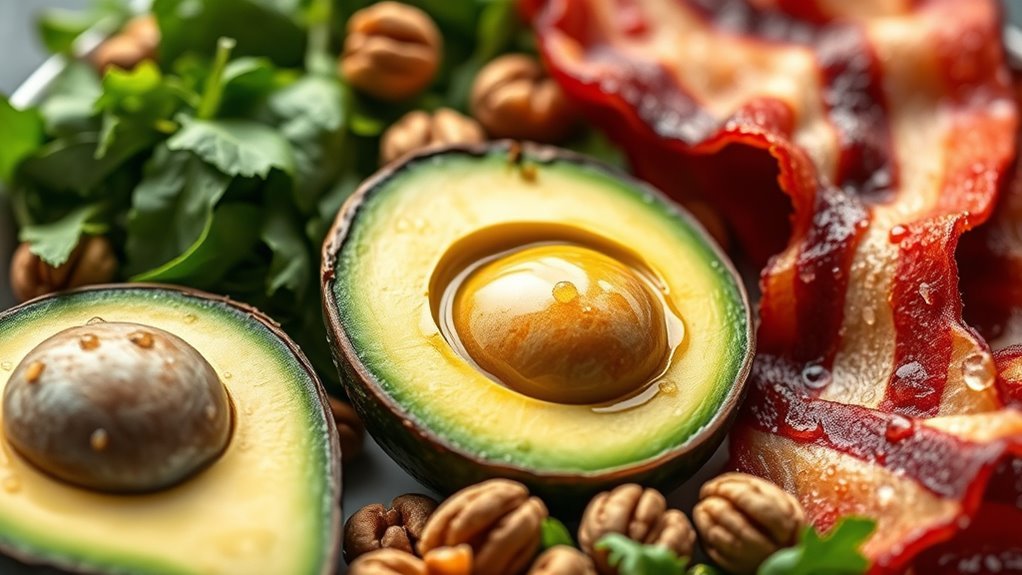
While LDL cholesterol often gets the spotlight in discussions about heart health, HDL cholesterol also plays a significant role that shouldn’t be overlooked. HDL cholesterol, often referred to as “good” cholesterol, helps transport excess cholesterol to the liver for removal from the body, reducing the risk of heart disease. The benefits of HDL cholesterol extend beyond mere numbers; higher levels are linked to a lower risk of cardiovascular issues. To boost your HDL levels, consider incorporating healthy fats from sources like avocados, nuts, and olive oil into your diet. Regular physical activity can also increase HDL cholesterol. Balancing both LDL and HDL cholesterol is essential for maintaining ideal heart health and overall well-being.
Potential Risks of Long-Term Keto Dieting
Although the keto diet can lead to significant weight loss and improved metabolic health for many, long-term adherence to this high-fat, low-carbohydrate regimen may carry potential risks that shouldn’t be overlooked. Consider the following:
The keto diet may offer weight loss benefits, but long-term adherence poses risks that deserve careful consideration.
- Nutrient Deficiencies: Restricting carbs can limit your intake of essential vitamins and minerals.
- Increased Cholesterol Levels: A high intake of saturated fats could raise LDL cholesterol for some individuals.
- Gastrointestinal Issues: Many people report digestive discomfort due to low fiber intake.
- Keto Sustainability: Maintaining adherence over the long term can be challenging, potentially leading to yo-yo dieting.
Understanding these risks is vital for anyone considering long-term keto dieting. It’s about balancing your dietary choices while prioritizing your overall health and well-being.
Making Informed Choices: Balancing Keto and Cholesterol Health
Making informed choices about your diet is key, especially when it comes to the keto lifestyle and its impact on cholesterol levels. While the keto diet offers numerous benefits, like weight loss and improved energy, it can also affect your heart health. Prioritizing high-quality fats, such as avocados and olive oil, can support cholesterol management without compromising your goals. It’s essential to monitor your lipid levels regularly and consult a healthcare professional to guarantee your dietary choices align with your overall health. Balancing keto and cholesterol health means you can enjoy the freedom of this lifestyle while still caring for your heart. Remember, informed decisions lead to sustainable results, allowing you to thrive on your keto journey.
Frequently Asked Questions about the Keto Diet and Cholesterol
1. Does the keto diet raise cholesterol levels?
The impact of the keto diet on cholesterol levels can vary from person to person. For some individuals, the high intake of fats may lead to an increase in LDL (low-density lipoprotein) cholesterol, often referred to as “bad” cholesterol. However, many people on a keto diet also experience an increase in HDL (high-density lipoprotein) cholesterol, which is considered “good” cholesterol. It’s essential to monitor your cholesterol levels regularly and consult with a healthcare professional to understand how the diet affects you specifically.
2. What types of fats are recommended on the keto diet?
On a keto diet, it’s crucial to focus on healthy fats. Recommended sources include avocados, nuts, seeds, olive oil, and fatty fish like salmon. It’s advisable to limit saturated fats from processed meats and full-fat dairy products, as these can potentially raise LDL cholesterol levels. Instead, prioritize unsaturated fats, which can provide health benefits and may help maintain a healthier cholesterol profile.
3. Can the keto diet be harmful for people with existing cholesterol issues?
For individuals with pre-existing cholesterol issues or heart disease, the keto diet may pose risks if not properly managed. It’s important for such individuals to work closely with healthcare providers to tailor the diet to their specific health needs. Regular monitoring of cholesterol levels and overall cardiovascular health is essential to ensure that the diet does not exacerbate existing conditions.
4. Are there any studies on the keto diet’s effect on cholesterol?
Several studies have examined the keto diet’s effects on cholesterol levels. Some research indicates that while LDL cholesterol may increase in some individuals, others experience a significant rise in HDL cholesterol, which can be beneficial. Additionally, many studies suggest that a low-carb, high-fat diet can lead to weight loss and improved overall metabolic health, which can positively influence cholesterol levels in the long term. However, more research is needed to fully understand these effects.
5. How can I maintain healthy cholesterol levels while on a keto diet?
To maintain healthy cholesterol levels on a keto diet, focus on incorporating more sources of unsaturated fats, such as olive oil, avocados, and nuts, while limiting saturated fats. Include plenty of fiber-rich vegetables and avoid processed foods. Regular exercise and maintaining a healthy weight can also contribute to better cholesterol management. Additionally, routine check-ups with your healthcare provider are crucial for monitoring your cholesterol levels and making adjustments to your diet as necessary.
References
- https://www.ncbi.nlm.nih.gov/pmc/articles/PMC5859492/
- https://www.health.harvard.edu/blog/the-keto-diet-a-closer-look-2020080420637
- https://www.who.int/news-room/fact-sheets/detail/healthy-diet
- https://www.heart.org/en/news/2020/09/08/the-keto-diet-and-your-heart-health
- https://www.medicalnewstoday.com/articles/324160
- https://www.eatright.org/health/wellness/preventing-illness/the-ketogenic-diet-and-heart-health
- https://www.mayoclinic.org/healthy-lifestyle/nutrition-and-healthy-eating/expert-answers/keto-diet/faq-20449429