

Many diabetics wonder if the ketogenic diet is a safe option for managing their condition. While some studies suggest that keto can help regulate blood sugar levels, it may also pose risks for certain individuals. This article will explore the potential impacts of the keto diet on diabetes management, helping you make an informed decision about whether this dietary approach aligns with your health needs and goals.
Understanding the Ketogenic Diet

The ketogenic diet, commonly known as keto, consists predominantly of high-fat, low-carbohydrate foods. By drastically reducing carbohydrate intake—typically to around 5-10% of total calories—this diet encourages the body to enter a state of ketosis. In ketosis, the body shifts from using glucose as its primary fuel source to utilizing ketones, which are produced from fat. This metabolic shift can lead to significant changes in energy levels, hunger cues, and blood sugar control. For diabetics, the reduction of carbohydrates is particularly noteworthy, as carbohydrates have a direct impact on blood glucose levels. By minimizing carb intake, the keto diet may potentially lead to lower blood sugar levels and improved glycemic control.
Potential Benefits of Keto for Diabetics
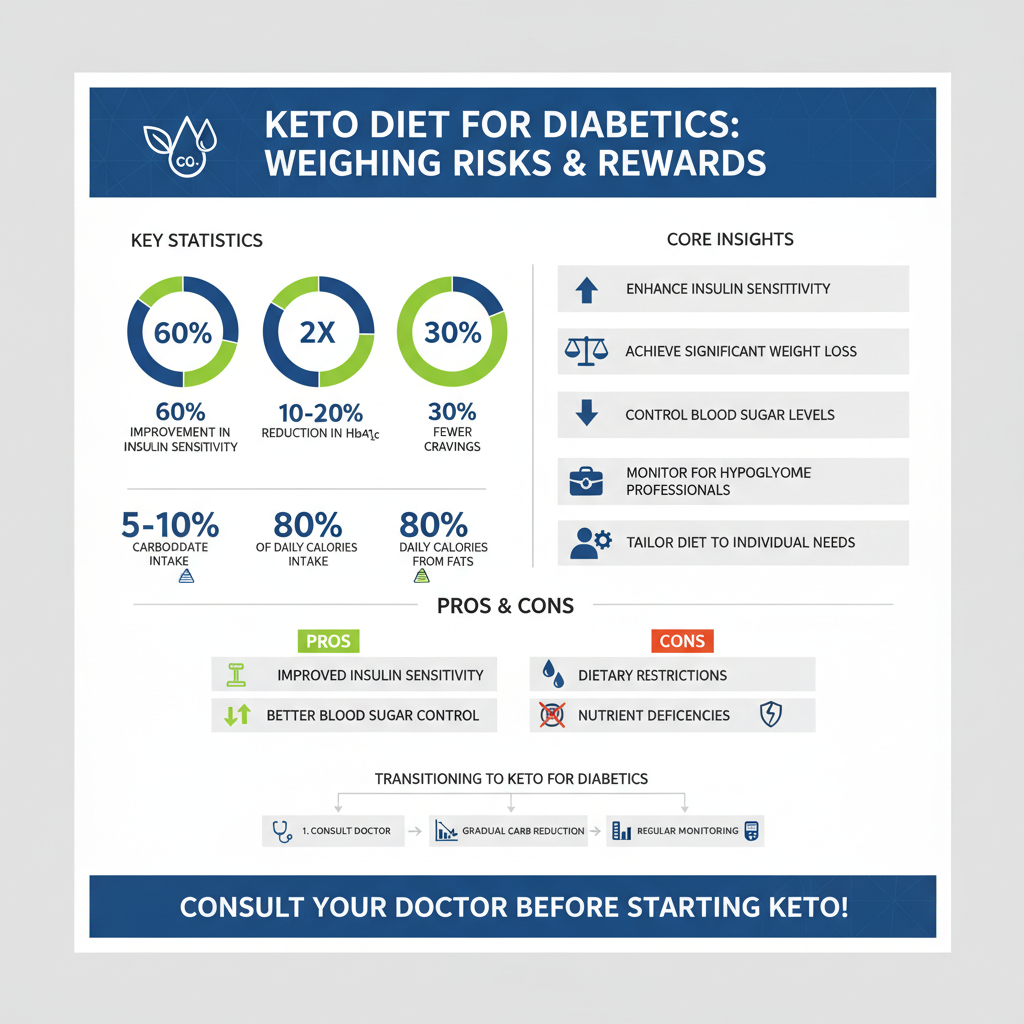

Several studies have indicated that the ketogenic diet may offer specific benefits for individuals with diabetes. One notable advantage is the potential improvement in insulin sensitivity. Research suggests that a low-carb, high-fat diet can lead to a decrease in insulin resistance, allowing the body to use insulin more effectively. This can be particularly beneficial for those with type 2 diabetes, where insulin resistance is a significant concern.
Additionally, weight loss is often associated with the keto diet, which can further enhance diabetes management. Many diabetics struggle with obesity, and even modest weight loss can lead to better blood sugar control and a reduced risk of diabetes-related complications. A study published in the journal “Nutrition & Metabolism” found that participants with diabetes who followed a ketogenic diet experienced more substantial weight loss compared to those on a standard low-fat diet. This weight loss can result in improvements in blood pressure, cholesterol levels, and overall metabolic health.
Risks and Concerns of Keto for Diabetics
Despite its potential benefits, the ketogenic diet also poses certain risks and concerns for individuals with diabetes. The most significant risk is the potential for hypoglycemia, particularly for those who are on insulin or other glucose-lowering medications. When carbohydrate intake is drastically reduced, the body may not receive enough glucose, leading to dangerously low blood sugar levels. This can result in symptoms such as dizziness, confusion, and even loss of consciousness.
Moreover, the restrictive nature of the keto diet can lead to nutritional deficiencies. With limited food variety, individuals may miss out on essential vitamins, minerals, and fiber. A lack of dietary fiber, in particular, can affect digestive health and may exacerbate blood sugar fluctuations. Diabetics must be mindful of these potential deficiencies and consider supplementation or careful planning to ensure they meet their nutritional needs while following a ketogenic diet.
Monitoring Blood Sugar Levels
For diabetics considering the keto diet, frequent monitoring of blood sugar levels is crucial. This proactive approach can help prevent dangerous fluctuations and ensure that blood glucose remains stable. By regularly checking blood sugar levels, individuals can make necessary adjustments to their diet or medication in real time. Continuous glucose monitors (CGMs) can be particularly useful for those on a ketogenic diet, as they provide real-time feedback on glucose trends and fluctuations.
Additionally, collaborating with healthcare providers is essential. Diabetics should not undertake significant dietary changes without consulting their healthcare team. A registered dietitian or diabetes educator can help tailor the ketogenic approach to the individual’s specific health needs, ensuring that they maintain adequate nutrition while managing their blood sugar effectively.
Personalization and Individual Considerations
It is important to recognize that not every diabetic will respond to the ketogenic diet in the same way. Individual health status, lifestyle factors, and personal preferences play a significant role in determining whether keto is a suitable dietary approach. Factors such as age, type of diabetes, current health conditions, and medication regimen can all influence how one’s body responds to a ketogenic diet.
For instance, individuals with type 1 diabetes may face different challenges compared to those with type 2 diabetes when adopting a keto diet. Additionally, some people may find the strict nature of keto difficult to maintain long-term, leading to potential non-compliance and subsequent blood sugar instability. Consulting with a registered dietitian or healthcare provider can help individuals assess their readiness for the ketogenic diet and develop a personalized plan that aligns with their health goals.
Alternatives to Keto for Diabetes Management
For those who are hesitant about the ketogenic diet or experience adverse effects, there are alternative dietary approaches that can also support diabetes management. The Mediterranean diet, for example, emphasizes whole foods, including fruits, vegetables, whole grains, healthy fats, and lean protein. This diet has been linked to improved blood sugar control and a reduced risk of cardiovascular disease, making it an excellent option for diabetics seeking a balanced approach to nutrition.
Another alternative is a plant-based diet, which focuses on whole, minimally processed foods derived from plants. This diet is rich in fiber, vitamins, and minerals, and has been shown to improve insulin sensitivity and promote weight loss. Balancing macronutrients while emphasizing whole foods can lead to sustainable health outcomes without the stringent carbohydrate restrictions associated with keto.
Ultimately, the best dietary approach for diabetes management will depend on the individual’s health goals, preferences, and lifestyle. Exploring various options and tailoring dietary choices to personal needs can lead to better adherence and improved overall health.
It is essential to weigh the pros and cons of the keto diet for diabetes management before making a decision. Consulting with a healthcare professional can provide valuable insights and help determine the best dietary approach for your individual needs and health goals. Whether you choose to embrace the ketogenic lifestyle or explore other dietary options, informed choices are key to successful diabetes management.
Frequently Asked Questions
Is the ketogenic diet safe for diabetics?
The ketogenic diet can be safe for many diabetics, particularly those with type 2 diabetes, as it may help improve insulin sensitivity and lower blood sugar levels. However, it’s crucial for diabetics to consult with their healthcare provider before starting a keto diet, as individual responses can vary, and adjustments to medication may be necessary to avoid hypoglycemia.
How does a keto diet affect blood sugar levels in diabetics?
A ketogenic diet typically results in lower carbohydrate intake, which can lead to reduced blood sugar spikes and improved overall glycemic control. By shifting the body’s metabolism to burn fat for fuel instead of carbohydrates, many diabetics experience more stable blood sugar levels, making it an appealing option for managing diabetes effectively.
What are the potential risks of a keto diet for diabetics?
While the ketogenic diet can offer benefits for diabetics, potential risks include the possibility of nutrient deficiencies, ketoacidosis in type 1 diabetics, and the need for careful monitoring of blood sugar levels. It’s essential for individuals to work closely with healthcare providers to navigate these risks and ensure that the diet is implemented safely and effectively.
Which foods should diabetics avoid on a keto diet?
Diabetics on a ketogenic diet should avoid high-carb foods such as grains, sugars, starchy vegetables, and most fruits. Instead, they should focus on nutrient-dense, low-carb options like leafy greens, healthy fats (avocados, olive oil), and high-quality proteins (fish, poultry) to maintain ketosis while managing their blood sugar levels effectively.
What is the best way for diabetics to start a ketogenic diet?
The best way for diabetics to start a ketogenic diet is to first consult with a healthcare professional to tailor the plan to their specific needs. Gradually reducing carbohydrate intake while increasing healthy fats and proteins, along with tracking blood sugar levels, can help ensure a smooth transition into ketosis while minimizing any potential risks associated with the diet.
References
- https://www.ncbi.nlm.nih.gov/pmc/articles/PMC7071456/
- https://www.diabetes.org/healthy-living/recipes-nutrition/what-is-the-keto-diet
- https://www.cdc.gov/diabetes/basics/what-is-diabetes.html
- https://www.healthline.com/nutrition/keto-diet-and-diabetes
- https://www.ncbi.nlm.nih.gov/pmc/articles/PMC6520732/
- https://www.ncbi.nlm.nih.gov/pmc/articles/PMC8010587/
- https://www.mayoclinic.org/healthy-lifestyle/nutrition-and-healthy-eating/expert-answers/keto-diet-and-diabetes/faq-20458870