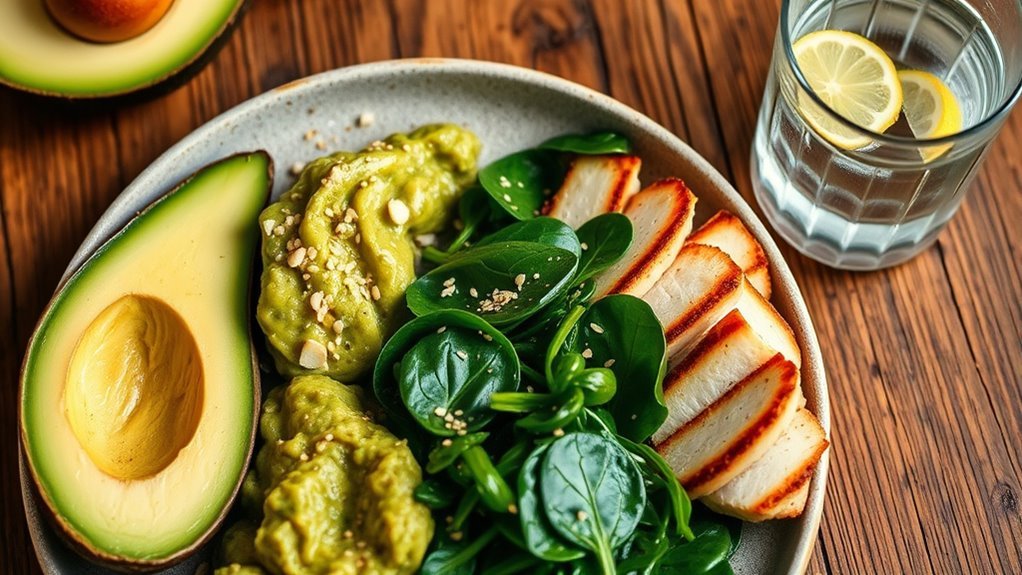

Yes, the ketogenic diet is a strict low-carb diet. It limits carbohydrate intake to typically less than 20 grams per day, promoting the body’s shift to fat as its primary energy source through a process called ketosis. This approach can lead to weight loss and improved metabolic health. However, it’s important to evaluate potential risks, including nutrient deficiencies and digestive issues. If you’re curious about how the keto diet compares to other low-carb options, there’s more to explore.
Understanding the Ketogenic Diet
While many people associate the ketogenic diet with low carb eating, it’s essential to understand its unique principles and goals. Originating in the 1920s as a treatment for epilepsy, keto’s history reflects a focus on metabolic health rather than mere weight loss. Many misconceptions surround the diet; for example, it’s not just a restriction of carbs but a strategic increase in fats to shift your body into ketosis. This metabolic state allows your body to burn fat for energy instead of glucose. Understanding these nuances empowers you to make informed decisions about your health. By recognizing the true essence of keto, you can embrace a lifestyle that enhances freedom in your food choices while promoting overall well-being.
The Science Behind Ketosis
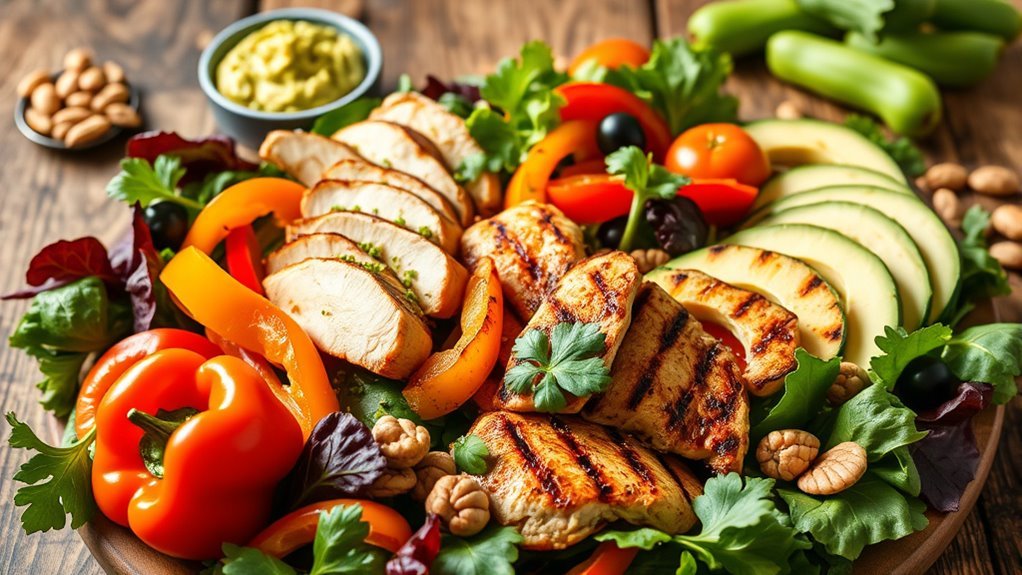
Understanding the science behind ketosis is essential for anyone considering the ketogenic diet. Ketosis mechanisms involve the body shifting from glucose as its primary fuel to burning fat, which produces ketones. This metabolic adaptation occurs when carbohydrate intake is greatly reduced, prompting the liver to convert fatty acids into ketones for energy. As you embrace this state, your body becomes efficient at utilizing fat stores, which can lead to weight loss and increased energy levels. However, it’s vital to note that this change can take time, and individual responses may vary. By understanding these processes, you empower yourself to make informed choices, ultimately leading to a more liberated approach to your health and diet.
Comparing Keto to Other Low-Carb Diets
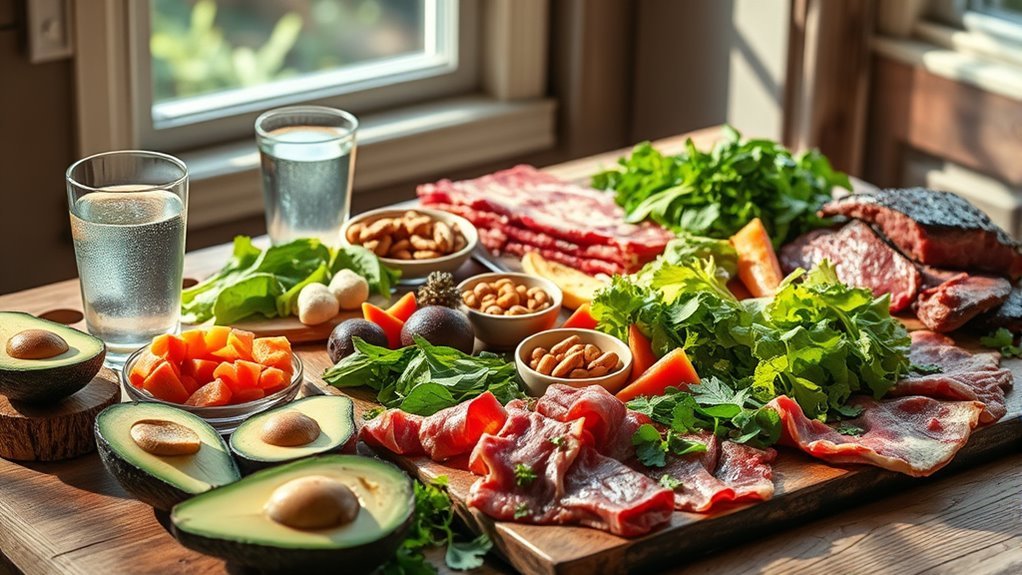
As you explore the ketogenic diet, it’s important to compare it with other low-carb diets to see how they stack up against each other. While the keto diet emphasizes high fats, some low-carb variations offer different macronutrient balances. Here’s a quick Keto comparison:
| Diet Type | Carb Intake | Fat Intake |
|---|---|---|
| Ketogenic | < 20g/day | 70-80% of calories |
| Atkins | 20-150g/day | Moderate |
| Paleo | 50-150g/day | Varies |
| South Beach | 40-120g/day | Moderate to Low |
Each approach has its benefits and drawbacks, allowing you the freedom to choose what suits your lifestyle best. Understanding these variations can empower your dietary choices.
Macronutrient Ratios in Keto
In a ketogenic diet, the ideal macronutrient breakdown typically consists of about 70-75% fat, 20-25% protein, and only 5-10% carbohydrates. It’s vital to monitor your protein intake, as too much can kick you out of ketosis, while sufficient fat is essential for energy and satiety. Understanding these ratios will help you maintain the balance needed for effective ketogenic living.
Ideal Macronutrient Breakdown
When considering the keto diet, it’s vital to grasp the ideal macronutrient breakdown that sets it apart from other low-carb diets. This precise ratio is important for effective keto meal planning and macronutrient tracking. Typically, you’ll want to aim for:
- Fat: 70-75% of your daily intake
- Protein: 20-25% of your daily intake
- Carbohydrates: 5-10% of your daily intake
- Fiber: Included in your carb count, but keeps you feeling full
These ratios help your body enter ketosis, where it burns fat for fuel instead of carbohydrates. Understanding this breakdown empowers you to make informed choices, ensuring you enjoy the freedom of a keto lifestyle while achieving your health goals.
Protein Consumption Guidelines
Protein plays an essential role in the ketogenic diet, making up about 20-25% of your daily macronutrient intake. You should focus on high-quality protein types like lean meats, fish, eggs, and plant-based sources such as tofu and tempeh. Maintaining a balanced daily intake of protein helps support muscle maintenance and overall health, particularly as you’re reducing carbs. However, it’s vital not to overconsume protein, as excess can be converted into glucose, potentially disrupting ketosis. Aiming for approximately 0.6 to 1.0 grams of protein per pound of lean body mass is a good guideline. This approach allows you to enjoy the benefits of protein while staying within the keto framework, giving you the freedom to explore various protein sources.
Fat Intake Importance
While many people focus on cutting carbs in the ketogenic diet, understanding the importance of fat intake is essential for achieving and maintaining ketosis. Your body relies on dietary fats as its primary energy source, so choosing the right fat sources is vital. Aim for a balanced macronutrient ratio where fats comprise about 70-75% of your daily calories.
Consider these healthy fat sources:
- Avocados and avocado oil
- Nuts and seeds
- Olive oil and coconut oil
- Fatty fish like salmon
Incorporating a variety of these dietary fats can enhance satiety, support brain health, and provide essential nutrients. Embracing fat in your diet not only fuels your body but also empowers your journey toward health and freedom.
Potential Benefits and Risks of Keto
As you explore the ketogenic diet, it is essential to weigh both its potential benefits and risks. Many individuals experience impressive keto health benefits, such as weight loss, improved energy levels, and better mental clarity. Some studies suggest that a ketogenic approach can help manage certain health conditions, like epilepsy and type 2 diabetes. However, it’s important to acknowledge the keto potential risks, which may include nutrient deficiencies, digestive issues, and an increased risk of heart disease due to high saturated fat intake. Additionally, the diet can be difficult to maintain long-term, potentially leading to yo-yo dieting. By understanding both sides, you can make an informed choice about whether the keto diet aligns with your personal health goals and lifestyle.
Choosing the Right Diet for You
After considering the potential benefits and risks of the ketogenic diet, it’s important to reflect on what diet truly suits you. Everyone’s journey is unique, and several factors can influence your choice. Think about your dietary preferences and lifestyle considerations. Ask yourself:
- What are your health goals?
- How do your culinary habits fit into a particular diet?
- Do you have any dietary restrictions or personal tolerance issues?
- Can you maintain long-term sustainability with this diet?
These questions will help you evaluate if keto or another dietary approach aligns with your metabolic factors and lifestyle. Ultimately, the right diet should empower you, not limit you, allowing freedom in your food choices while supporting your well-being.
Is the Keto diet a low carb diet?
Yes, the Keto diet is a type of low carb diet. It significantly reduces carbohydrate intake and replaces it with fat. The main goal of the Keto diet is to induce a state of ketosis, where the body becomes efficient at burning fat for energy instead of carbohydrates. Typically, the Keto diet restricts carbs to about 5-10% of total daily caloric intake, contrasting with the standard low carb diet that may allow for higher carbohydrate consumption.
What are the main differences between Keto and other low carb diets?
The primary difference between the Keto diet and other low carb diets is the macronutrient ratio. Keto typically consists of approximately 70-80% fats, 15-20% protein, and only 5-10% carbohydrates. In contrast, other low carb diets may have a more balanced macronutrient profile, allowing for higher protein intake and a slightly higher carbohydrate percentage. Additionally, the Keto diet aims for ketosis, where the body relies on ketones produced from fat breakdown, while other low carb diets may not strictly adhere to this metabolic state.
Can I follow a Keto diet if I don’t want to eliminate all carbs?
While the traditional Keto diet requires strict carb limitation, some individuals may adopt a more flexible approach, often referred to as “targeted Keto” or “cyclical Keto.” These variations allow for higher carb intake around workouts or during specific days of the week. However, to achieve ketosis, it is essential to monitor your carb intake closely and understand how your body responds to different levels of carbohydrates.
What types of foods are typically allowed on a Keto diet?
On a Keto diet, foods that are high in healthy fats and low in carbohydrates are encouraged. These include fatty cuts of meat, fish, eggs, dairy products (like cheese and butter), healthy oils (such as olive oil and coconut oil), nuts, seeds, and non-starchy vegetables (like spinach, broccoli, and cauliflower). It is important to avoid sugary foods, grains, most fruits, and starchy vegetables to maintain the low carb requirement of the diet.
What are the potential benefits of following a Keto diet?
The Keto diet may offer several potential benefits, including weight loss, improved mental clarity, and increased energy levels. By utilizing fat as the primary energy source, some individuals report reduced hunger and cravings. Additionally, Keto has been studied for its potential therapeutic effects on certain medical conditions such as epilepsy, type 2 diabetes, and metabolic syndrome. However, it’s important to consult with a healthcare professional before starting any new diet, especially one as restrictive as Keto.
References
- https://www.ncbi.nlm.nih.gov/pmc/articles/PMC6360153/
- https://www.healthline.com/nutrition/keto-diet-vs-low-carb-diet
- https://www.webmd.com/diet/obesity/keto-diet
- https://www.mayoclinic.org/healthy-lifestyle/nutrition-and-healthy-eating/expert-answers/keto-diet/faq-20455227
- https://www.ncbi.nlm.nih.gov/books/NBK499877/
- https://www.who.int/news-room/fact-sheets/detail/healthy-diet
- https://www.cdc.gov/healthyweight/healthy_eating/index.html
- https://www.heart.org/en/healthy-living/healthy-eating/eat-smart/nutrition-basics/what-is-the-ketogenic-diet
- https://www.hsph.harvard.edu/nutritionsource/healthy-weight/low-carb-diets/