

The ketogenic diet is not inherently high in protein; it typically emphasizes a high-fat and low-carbohydrate intake. However, some variations of the keto diet can include higher protein levels. Understanding the nuances between traditional keto and high-protein keto diets is essential for anyone looking to optimize their nutritional approach. In this article, we’ll explore what constitutes a high-protein keto diet, its benefits, and how it compares to traditional keto, ultimately helping you make informed dietary choices.
Understanding the Keto Diet

The standard ketogenic diet (SKD) is designed to shift the body’s metabolism away from carbohydrates and toward fat. This is achieved through a macronutrient breakdown of approximately 70-75% fats, 20-25% proteins, and a mere 5-10% carbohydrates. The primary goal of this dietary approach is to enter ketosis, a metabolic state where the body becomes efficient at burning fat for fuel instead of relying on glucose derived from carbohydrates.
In this state, the liver converts fatty acids into ketones, which then serve as an alternative energy source for the brain and body. As a result, individuals often experience reduced hunger levels and enhanced mental clarity. Moreover, the SKD has gained popularity for its potential benefits in weight loss, insulin sensitivity, and even certain neurological conditions. Understanding these foundational principles is crucial for anyone considering the keto diet, as they set the stage for understanding the variations that exist, including the high-protein keto diet.
What is a High-Protein Keto Diet?
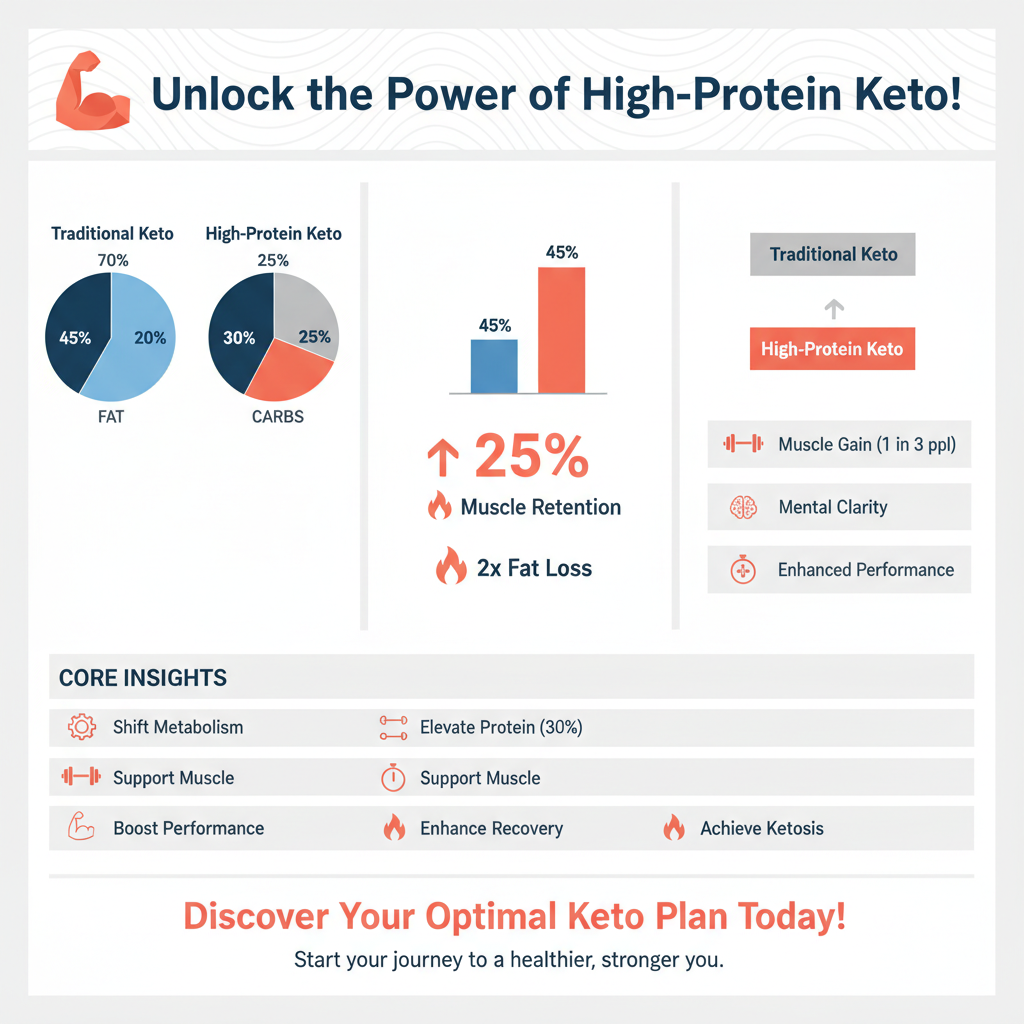

A high-protein keto diet is essentially an adaptation of the traditional ketogenic approach, where protein intake is elevated, typically comprising around 30% of total calories. This shift from the standard model allows for greater emphasis on protein sources while still maintaining a low carbohydrate intake.
For instance, while traditional keto might encourage a moderate intake of protein to avoid gluconeogenesis (the process where excess protein is converted to glucose), a high-protein keto diet seeks to find a balance that supports muscle retention and growth. This can be particularly beneficial for individuals who are active, looking to build muscle, or aiming to maintain muscle mass while losing weight. Athletes or those engaged in resistance training often gravitate toward this variation as it provides the necessary amino acids to support recovery and performance.
Benefits of a High-Protein Keto Diet
Adopting a high-protein keto diet can offer several advantages:
1. Supports Muscle Retention: One of the most significant benefits is the preservation of lean muscle mass during weight loss. Increased protein intake provides essential amino acids that are vital for muscle repair and growth, especially for those who engage in regular physical activity. Research indicates that higher protein diets can lead to better outcomes in muscle retention compared to lower protein approaches.
2. Enhances Satiety: Protein is known for its satiating properties, helping individuals feel fuller for longer periods. This can be particularly advantageous in a weight-loss context, as enhanced satiety may lead to reduced overall caloric intake, making it easier to maintain a caloric deficit without constantly battling hunger.
3. Potentially Boosts Metabolism: Higher protein intake can also increase the thermic effect of food (TEF), which is the energy expended during digestion, absorption, and metabolism of nutrients. This means that consuming more protein can slightly increase the number of calories burned, further supporting weight loss efforts.
4. Improves Body Composition: A high-protein diet, combined with regular exercise, can lead to a more favorable body composition by promoting fat loss while preserving muscle, which is crucial for long-term health and metabolic efficiency.
Potential Drawbacks of a High-Protein Keto Diet
While there are numerous benefits to a high-protein keto diet, several potential drawbacks warrant consideration:
1. Risk of Gluconeogenesis: One concern is that excess protein intake can lead to gluconeogenesis, where the body converts surplus protein into glucose. This can potentially affect ketosis, making it harder to maintain the metabolic state that the ketogenic diet aims to achieve.
2. Nutrient Imbalance: With a significant focus on protein, there is a risk of not consuming enough healthy fats, which should remain the primary energy source in a ketogenic framework. It’s essential to ensure that the diet still includes adequate amounts of healthy fats to support overall health and hormonal balance.
3. Need for Macronutrient Tracking: Individuals following a high-protein keto diet may find it necessary to engage in careful tracking of their macronutrient intake. This can be cumbersome and may lead to dietary fatigue if not managed correctly. Maintaining the desired fat-to-carb ratio while increasing protein levels requires diligence and planning.
How to Implement a High-Protein Keto Diet
Implementing a high-protein keto diet effectively involves strategic planning:
1. Choose Quality Protein Sources: Focus on high-quality protein sources, such as lean meats (chicken, turkey), fish (salmon, tuna), eggs, and dairy (Greek yogurt, cheese). These foods provide essential amino acids without excessive carbohydrates.
2. Balance Fat Intake: Adjust your fat intake to ensure that it remains the primary source of calories. Incorporate healthy fats such as avocados, olive oil, nuts, and seeds to maintain the ketogenic principle of high fat.
3. Monitor Your Macronutrients: Use food tracking apps or journals to monitor your daily intake. This will help you stay within your target macronutrient ratios and ensure you are not inadvertently consuming too many carbs or not enough fats.
4. Stay Hydrated: Adequate hydration is vital when following any diet, especially one like keto, which can cause water loss during the initial stages as glycogen stores are depleted.
5. Consult a Professional: If unsure about how to balance your macronutrients effectively, consider seeking advice from a registered dietitian or nutritionist who specializes in ketogenic diets. They can provide personalized guidance tailored to your individual health goals.
Comparing High-Protein and Standard Keto
The fundamental difference between a standard keto diet and a high-protein keto diet lies in their macronutrient distribution. The standard keto emphasizes fat as the primary source of energy, while high-protein keto provides more protein to support muscle retention and overall satiety.
For individuals focused on weight loss without the need for significant muscle preservation, the standard ketogenic approach may suffice. However, those who are more active, engaged in resistance training, or concerned about muscle loss during weight reduction may find the high-protein variation more aligned with their goals. Ultimately, the choice between the two diets will depend on individual preferences, lifestyle factors, and health objectives.
In summary, while the traditional keto diet is not high in protein, there are variations that allow for increased protein intake. A high-protein keto diet can provide significant benefits, including muscle retention, enhanced satiety, and improved body composition, but it also requires careful consideration of macronutrient balance to avoid pitfalls. Understanding your individual goals can help you determine which approach is best for you. If you’re considering adjusting your diet, consulting a healthcare professional or a nutritionist for personalized guidance is highly recommended.
Frequently Asked Questions
Is the ketogenic diet high in protein?
The ketogenic diet is primarily high in fats, moderate in protein, and very low in carbohydrates. While protein intake is important for muscle maintenance and overall health, the ketogenic approach emphasizes healthy fats as the primary macronutrient to induce ketosis. Generally, protein should make up about 20-25% of total caloric intake, which is lower than many traditional high-protein diets.
How much protein should I consume on a keto diet?
On a ketogenic diet, protein intake typically ranges from 0.6 to 1.0 grams of protein per pound of lean body mass. This equates to approximately 15-25% of your total daily calories. It’s important to tailor your protein intake based on your activity level, body composition goals, and overall caloric needs to maintain ketosis effectively.
Why is protein intake limited on a keto diet?
Protein intake is limited on a keto diet to prevent gluconeogenesis, a process where excess protein can be converted into glucose, potentially kicking the body out of ketosis. The goal of the ketogenic diet is to shift your body’s primary energy source from carbohydrates to fats. Balancing protein with a higher fat intake is crucial for maintaining ketosis and optimizing fat-burning.
What are the best protein sources for a ketogenic diet?
The best protein sources for a ketogenic diet include fatty cuts of meat such as ribeye steak, chicken thighs, and pork belly, as well as fatty fish like salmon and mackerel. Eggs and dairy products like cheese and Greek yogurt are also excellent options. Plant-based protein sources such as tofu and tempeh can be included but should be monitored for carb content to ensure they fit within your daily macros.
Which common mistakes do people make regarding protein on a keto diet?
One common mistake is consuming too much protein, which can lead to increased glucose levels and disrupt ketosis. Another mistake is neglecting the quality of protein sources, opting for lean meats instead of fatty options, which can hinder fat intake. Additionally, some individuals may focus too heavily on protein at the expense of consuming adequate healthy fats, which are essential for energy and satiety on a keto diet.