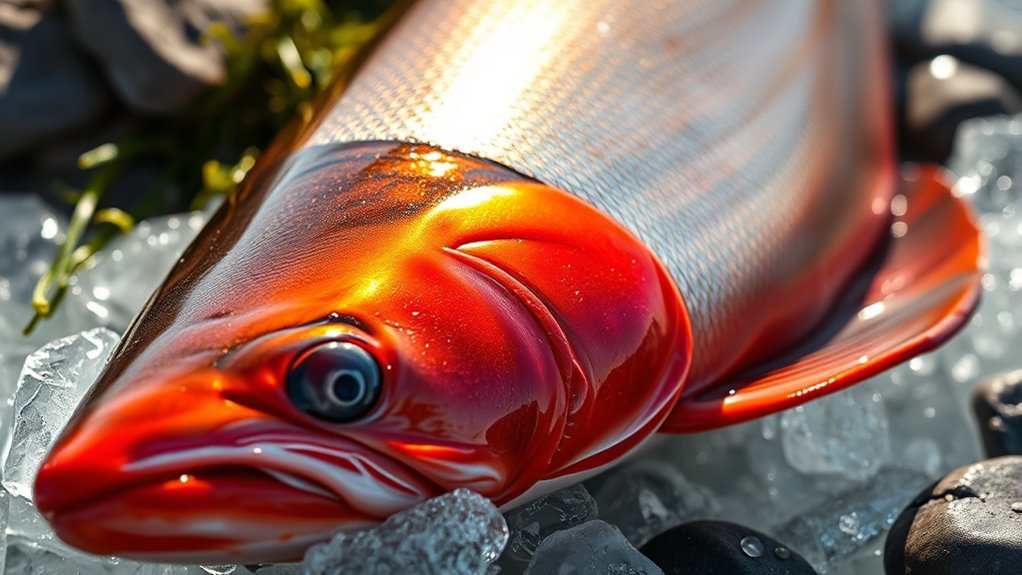

Keta salmon, often referred to as chum salmon, can be both wild-caught and farmed. Wild-caught varieties typically offer better flavor and higher nutritional value due to their diet and lifestyle. They are particularly rich in omega-3 fatty acids and have fewer contaminants. If sustainability is important to you, choosing wild-caught options can support healthier marine ecosystems. There’s much more to explore about fishing practices and environmental impacts of salmon farming.
Understanding Keta Salmon: Species Overview
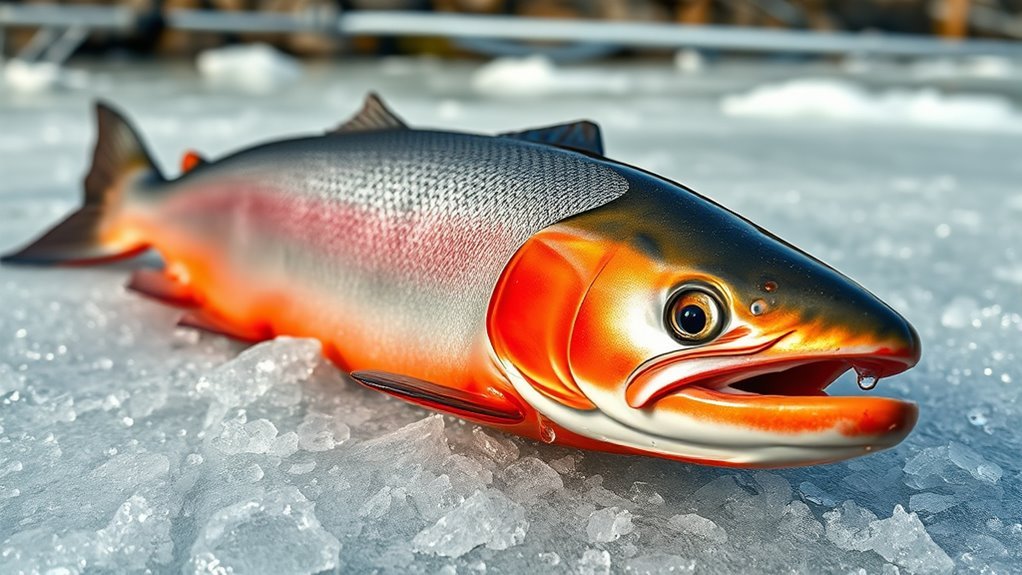
Although you might be familiar with various types of salmon, Keta salmon, also known as chum salmon, stands out due to its unique characteristics and habitat. Keta salmon is typically larger than other species, often weighing between 8 to 15 pounds, and features a distinct greenish-blue back with silvery sides. This species is found primarily in the North Pacific and is known for its mild flavor and firm texture. Nutritionally, Keta salmon offers significant benefits; it’s rich in omega-3 fatty acids, high-quality protein, and essential vitamins such as B12 and D. These attributes make it an excellent choice for those seeking a healthy and nutritious option while enjoying the freedom to explore diverse culinary possibilities.
Wild-Caught vs. Farmed: Key Differences
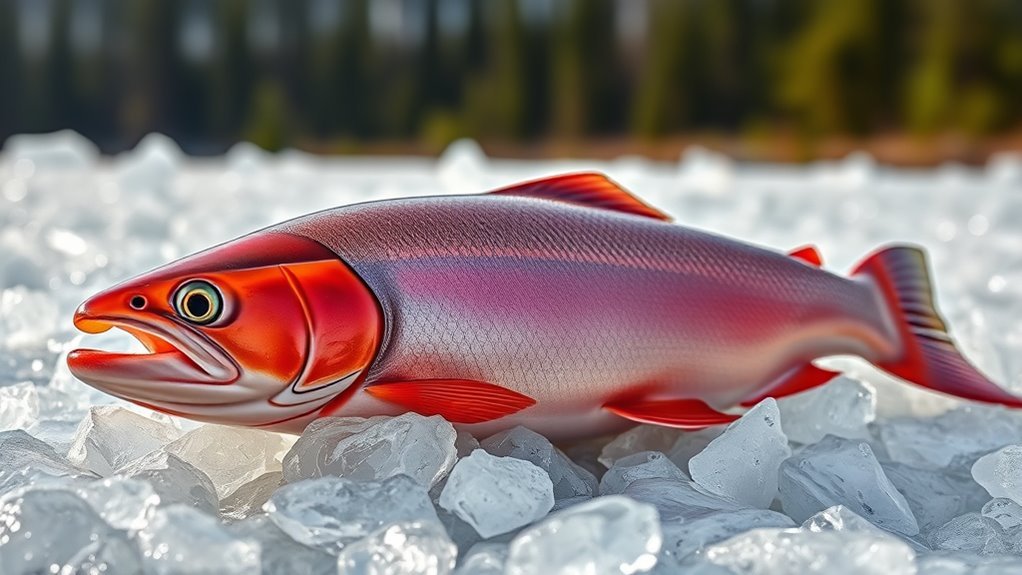
When considering Keta salmon, it’s important to understand the distinctions between wild-caught and farmed varieties. Wild-caught salmon typically boasts higher omega-3 fatty acids and fewer contaminants, offering significant wild-caught benefits to your health. These fish live in their natural habitat, feeding on a diverse diet that enhances their flavor and nutritional profile. In contrast, farmed salmon often faces disadvantages, such as higher levels of pesticides, antibiotics, and artificial coloring. The confined conditions in which they’re raised can lead to lower overall quality. By choosing wild-caught Keta salmon, you’re not just opting for superior taste and nutrition; you’re also supporting sustainable fishing practices, which can contribute to the health of our oceans and ecosystems.
Fishing Practices for Keta Salmon
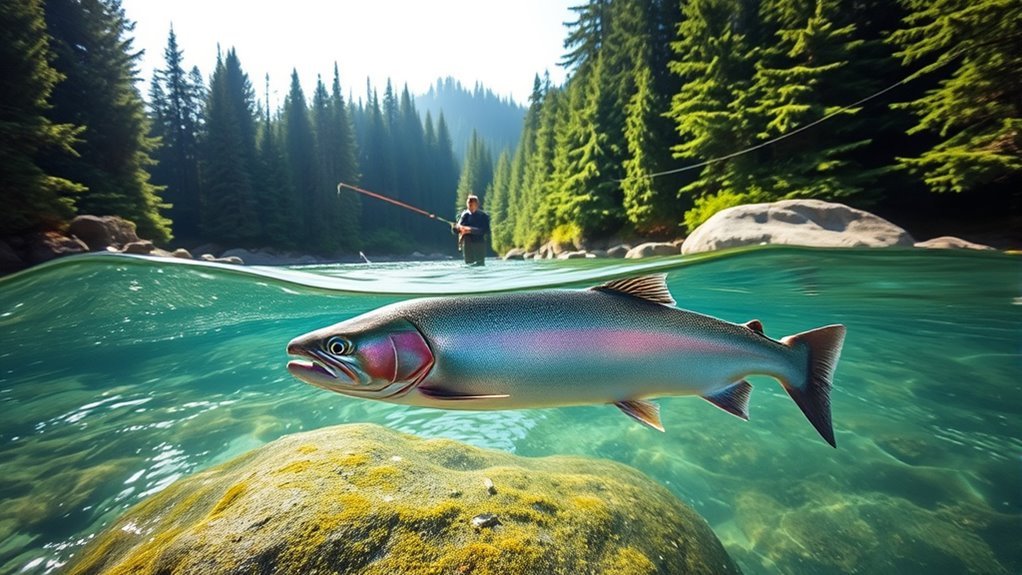
Understanding the fishing practices for Keta salmon is vital for making informed choices about your seafood. Keta salmon is primarily caught using various catch methods, including seine nets and gillnets, which help guarantee an efficient harvest while minimizing bycatch. The seasonal patterns of Keta salmon migration are significant; they typically spawn in the fall, making late summer and early fall prime fishing times.
Here’s a brief overview of some common catch methods and their characteristics:
| Catch Method | Characteristics |
|---|---|
| Seine Nets | Large nets encircle schools |
| Gillnets | Mesh nets entangle fish |
| Fly Fishing | Targeted, selective approach |
| Trawling | Bottom-dragging nets |
| Rod and Reel | Recreational, sustainable |
Environmental Impact of Keta Salmon Farming
As Keta salmon farming expands to meet rising consumer demand, it’s essential to examine its environmental impact. While aquaculture can reduce pressure on wild stocks, it often raises concerns about sustainability practices. Intensive farming may lead to habitat destruction, water pollution, and the spread of disease to wild populations. To mitigate these issues, it’s vital that farms adhere to strict environmental regulations. These regulations can promote responsible feed sourcing, waste management, and the preservation of local ecosystems. By prioritizing sustainability, the industry can balance economic growth with environmental responsibility. As a consumer, being informed about these practices allows you to make choices that support healthier ecosystems while enjoying Keta salmon. Your awareness can influence the future of sustainable seafood farming.
Making Sustainable Choices at the Seafood Counter
Choosing Keta salmon at the seafood counter requires careful consideration of sustainability factors. To make informed decisions, look for labels indicating sustainable seafood practices. This often means the fish is sourced from well-managed fisheries or farms adhering to ethical sourcing standards. Research the certifications, like the Marine Stewardship Council (MSC) or the Aquaculture Stewardship Council (ASC), which can guide you toward responsibly sourced options.
Avoid farmed Keta salmon if possible, as it can have a greater environmental impact. Instead, prioritize wild-caught varieties, ensuring they come from populations that are sustainably managed. By making these choices, you not only support healthier oceans but also contribute to the preservation of marine ecosystems. Ultimately, your selections can foster a more responsible seafood market.
Frequently Asked Questions
What Does “Keta” Mean in Relation to Salmon?
Keta, or chum salmon, originates from the Pacific Ocean, where it thrives in both freshwater and saltwater. You might find it interesting that keta salmon accounts for about 20% of the total salmon catch in Alaska. This species is known for its firm, reddish flesh and lower fat content compared to other salmon types. Its unique characteristics make it popular for smoking and canning, offering diverse culinary possibilities for your meals.
How Does Keta Salmon Taste Compared to Other Salmon Types?
Keta salmon has a milder flavor profile compared to other salmon types like Sockeye or Chinook, which are richer and more pronounced. Its texture is firmer and less oily, making it distinct in mouthfeel. You might find that Keta works well in dishes where a subtler taste is desired, allowing other ingredients to shine. Overall, if you appreciate a lighter, less fatty salmon, Keta could be a great choice for you.
Is Keta Salmon High in Omega-3 Fatty Acids?
Keta salmon’s packed with omega-3 fatty acids, making it a powerhouse of nutritional benefits! You’ll enjoy the health advantages, as these fatty acids support heart health and brain function. While it may not have as high an omega-3 content as some other salmon types, it still offers a solid dose, ensuring you’re making a smart choice for your diet. So, if you’re looking for healthy fats, keta salmon’s a great option!
What Are Common Cooking Methods for Keta Salmon?
Common cooking methods for Keta salmon include grilling and baking. For grilling, use techniques like marinating or seasoning to enhance flavor, and guarantee the grill is preheated for even cooking. When baking, consider tips such as wrapping the fish in foil to retain moisture and using a moderate temperature to prevent drying out. Both methods highlight Keta’s unique taste, allowing you to enjoy its rich, flaky texture while maintaining its nutritional benefits.
Can I Find Keta Salmon Year-Round?
You won’t find Keta salmon year-round. Its availability revolves around seasonal fishing, primarily occurring from late spring to early fall. During these months, you can enjoy the freshest catches, but outside this window, sourcing Keta becomes tricky. The peak season varies slightly depending on the region, so if you’re craving that rich flavor, keep an eye on local markets and fisheries. Timing is everything for securing this delicious fish!
Frequently Asked Questions about Keta Salmon
1. Is Keta Salmon wild caught?
Yes, Keta Salmon, also known as Chum Salmon, is primarily wild caught. They are found in the North Pacific Ocean and are commonly harvested in Alaska and the Pacific Northwest. While there are farmed varieties of salmon, Keta Salmon is most renowned for its wild-caught quality, which is often preferred for its flavor and nutritional benefits.
2. What are the benefits of eating wild-caught Keta Salmon?
Wild-caught Keta Salmon offers several health benefits. It is typically lower in fat compared to farmed salmon, making it a lean protein source. Additionally, it is rich in omega-3 fatty acids, which are essential for heart health. Wild-caught salmon also tends to have a better flavor and firmer texture due to its natural diet and environment.
3. How can I identify wild-caught Keta Salmon?
To identify wild-caught Keta Salmon, look for labels that specify “wild-caught” or “Alaskan.” It is also helpful to purchase from reputable fishmongers or stores that can verify the source. The flesh of wild-caught Keta Salmon is usually lighter in color compared to farmed salmon, which can have a deeper hue due to artificial feed.
4. Is there a difference in taste between wild-caught and farmed Keta Salmon?
Yes, there is a noticeable difference in taste between wild-caught and farmed Keta Salmon. Wild-caught Keta Salmon tends to have a more robust, rich flavor and a firmer texture due to its diet of natural forage in the ocean. In contrast, farmed Keta Salmon may have a milder taste and softer texture, often influenced by the feed they receive.
5. What is the sustainability of wild-caught Keta Salmon?
Wild-caught Keta Salmon is generally considered a sustainable seafood option, particularly when sourced from well-managed fisheries. The Alaskan fisheries, for example, are known for their sustainable practices that help maintain healthy fish populations and ecosystems. Always look for certifications like the Marine Stewardship Council (MSC) label to ensure that you are making environmentally responsible choices.
References
- https://www.fisheries.noaa.gov/species/chinook-salmon
- https://www.nmfs.noaa.gov/
- https://www.seafoodwatch.org/seafood-recommendations
- https://www.wildsalmoncenter.org/
- https://www.wildlife.ca.gov/
- https://www.oregon.gov/odfw/Pages/index.aspx
- https://www.fao.org/3/y5740e/y5740e0b.htm
- https://www.nature.com/articles/s41598-018-24427-9
- https://www.sciencedirect.com/science/article/pii/S0044523117303788
- https://en.wikipedia.org/wiki/Salmon