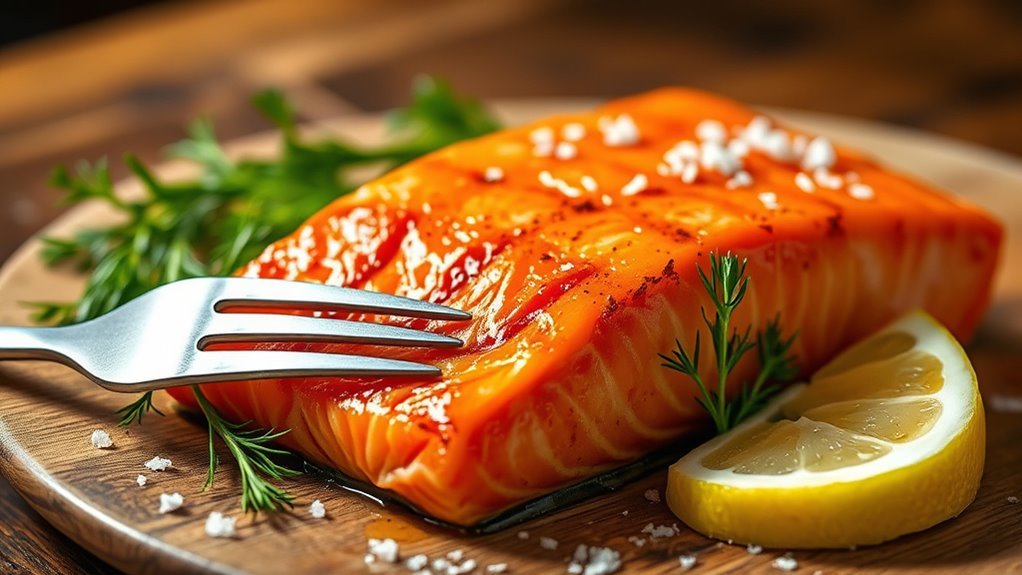

Keta salmon is a healthy choice, rich in protein and omega-3 fatty acids. It helps support heart health and provides essential vitamins and minerals. With lower mercury levels compared to larger fish, it’s also a safer seafood option for you. Plus, Keta salmon is more affordable than King and Sockeye varieties, making it a budget-friendly choice for nutritious meals. If you want to explore its versatility in cooking and other benefits, there’s more to discover.
Nutritional Profile of Keta Salmon
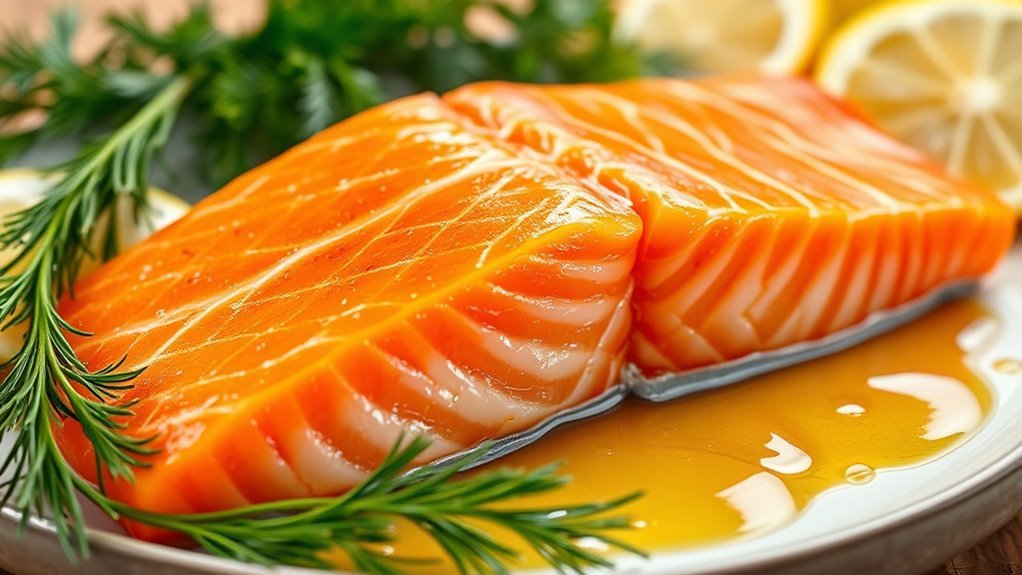
Keta salmon, often celebrated for its unique flavor and texture, boasts a robust nutritional profile that makes it a healthy choice for many diets. This fish is rich in protein, providing essential amino acids for muscle repair and growth. When you explore various cooking techniques like grilling, baking, or poaching, you’ll discover that Keta salmon retains its moisture and enhances its delicate flavor profiles. Compared to other salmon varieties, Keta offers a milder taste, making it versatile in culinary applications. Its lower fat content means it can be a lighter option while still delivering crucial nutrients. By incorporating Keta salmon into your meals, you’re not just enjoying a delicious dish; you’re also making a nutritious choice that complements your lifestyle.
Health Benefits of Omega-3 Fatty Acids

Incorporating Keta salmon into your diet not only offers a flavorful experience but also provides significant health benefits, particularly through its omega-3 fatty acids. These essential fats are vital for your overall well-being, especially in promoting heart health. Omega-3 fatty acids, found in various omega 3 sources like Keta salmon, have been linked to reduced inflammation and lower blood pressure, which can protect against heart disease. Studies show that regular consumption of omega-3s can help improve cholesterol levels and reduce the risk of arrhythmias. By adding Keta salmon to your meals, you’re taking a step toward a healthier lifestyle while enjoying a delicious and nutritious option. Embrace the freedom of choice in your diet and reap the benefits of these powerful nutrients.
Protein Content and Its Importance
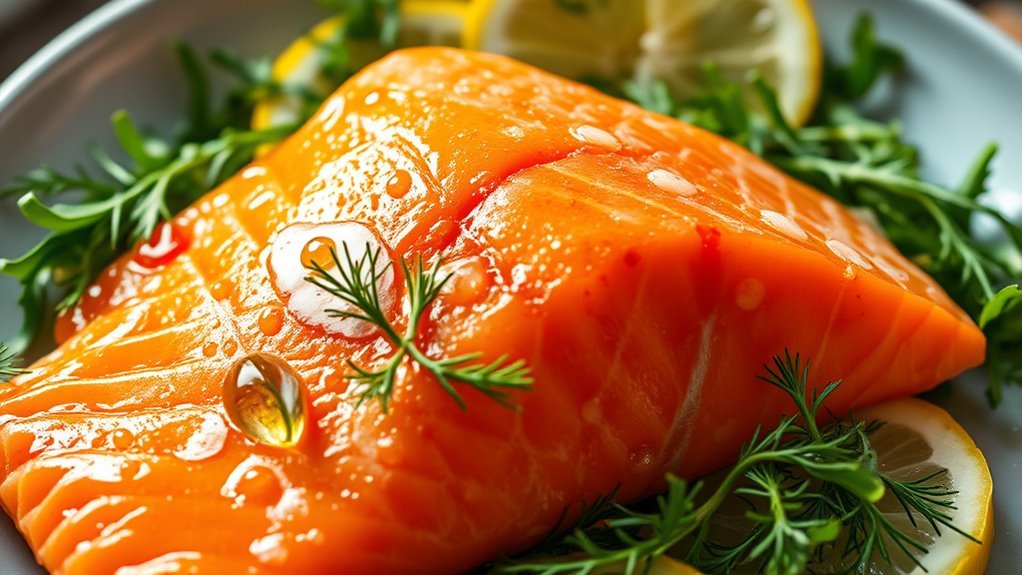
Keta salmon is a fantastic source of protein, which is essential for muscle growth and repair. Including it in your diet can help you feel fuller longer, aiding in weight management efforts. Understanding the role of protein in your nutrition can highlight the benefits of incorporating keta salmon into your meals.
High Protein Source
When it comes to nutrition, protein stands out as an essential macronutrient crucial for various bodily functions. Keta salmon is a high-protein source that offers excellent protein quality, providing all essential amino acids your body needs.
Consider these benefits of incorporating Keta salmon into your diet:
- Muscle Maintenance: Helps preserve lean muscle mass.
- Satiety: Keeps you feeling full longer, aiding in weight management.
- Metabolism Boost: Supports a healthy metabolic rate.
Muscle Growth Support
While many factors contribute to muscle growth, protein content plays a pivotal role in this process. Keta salmon is an excellent source of lean protein, which is essential for muscle recovery after workouts. Consuming adequate protein helps repair and build muscle fibers, ensuring you can achieve your fitness goals effectively.
Here’s a quick look at the protein benefits of Keta salmon:
| Nutrient | Amount per 3.5 oz (100g) |
|---|---|
| Protein | 20-25g |
| Omega-3 Fatty Acids | 1.5-2.5g |
| Calories | 140-200 |
Incorporating Keta salmon into your diet can support muscle growth and enhance your overall performance. So, consider adding it to your meals for ideal recovery and gains.
Satiety and Weight Management
Protein not only plays an essential role in muscle growth but also considerably contributes to satiety and weight management. Including keta salmon in your diet can help you regulate your appetite and maintain portion control, making it easier to manage your weight. Here’s why protein is key:
- Promotes feeling full: High protein content helps you feel satisfied longer, reducing the urge to snack.
- Supports metabolism: Protein requires more energy to digest, which can boost your metabolic rate.
- Aids weight loss: By managing appetite and encouraging healthier food choices, protein can assist in sustainable weight loss.
Incorporating keta salmon into your meals not only provides essential nutrients but also supports your journey toward balanced eating and effective weight management.
Sustainability and Environmental Considerations
As you explore the health benefits of Keta salmon, it’s important to contemplate its sustainability and environmental impact. Keta salmon is often sourced from well-managed fisheries, supporting wildlife conservation and habitat preservation efforts. However, understanding the fishing methods and farm practices is essential for making informed choices.
| Aspect | Wild-Caught | Farmed | Impact |
|---|---|---|---|
| Habitat Impact | Minimal | Significant | Disruption of ecosystems |
| Feed Efficiency | Natural diet | Processed feed | Nutritional quality |
| Bycatch Rate | Low | Moderate | Threat to other species |
| Certification | MSC Certified | Varies | Guarantees sustainable practices |
Choosing sustainably sourced Keta salmon not only benefits your health but also supports responsible environmental stewardship.
Potential Contaminants in Seafood
When considering keta salmon, it’s important to be aware of potential contaminants in seafood, such as mercury and other environmental pollutants. These substances can accumulate in fish and may pose health risks if consumed regularly. Choosing sustainably sourced seafood can help mitigate these concerns and support healthier choices.
Mercury Levels Concerns
How concerned should you be about mercury levels in keta salmon? While keta salmon is generally low in mercury compared to larger fish, it’s still wise to be aware of potential mercury exposure and its health risks. Here are a few key points to contemplate:
- Keta salmon is often sourced from cleaner waters, which helps reduce mercury levels.
- The FDA recommends limiting consumption of higher-mercury fish, but keta is considered safer.
- Pregnant women and young children should be particularly cautious about mercury exposure.
Environmental Pollutants Impact
While keta salmon is generally regarded as a safer choice regarding mercury levels, it’s important to contemplate other potential environmental pollutants that can affect seafood quality. Pollutant exposure from water pollution can lead to harmful substances like PCBs and pesticides in fish. Understanding these contaminants is essential for making informed choices.
| Pollutant | Environmental Impact |
|---|---|
| PCBs | Linked to cancer, immune issues |
| Pesticides | Disrupts aquatic ecosystems |
| Heavy Metals | Accumulates in the food chain |
Sustainable Sourcing Practices
As consumers increasingly seek healthier seafood options, understanding sustainable sourcing practices becomes essential for minimizing exposure to potential contaminants. Choosing seafood sourced through sustainable fishing and eco-friendly practices can help protect both your health and the environment. Here are some key practices to take into account:
- Wild-caught vs. farmed: Opt for wild-caught seafood when possible, as it typically has lower contaminant levels.
- Certification labels: Look for certification from organizations like the Marine Stewardship Council (MSC) or the Aquaculture Stewardship Council (ASC) to guarantee you’re supporting responsible sourcing.
- Seasonal and local options: Eating locally-sourced, seasonal fish can reduce the risk of contaminants and support sustainable fishing communities.
Cooking Methods and Recipe Ideas
When it comes to preparing keta salmon, you’ll find that various cooking methods can enhance its natural flavors and nutritional benefits. Grilling techniques, like marinating the fish beforehand, can add a smoky depth while preserving its healthy fats. You might enjoy using a medium heat to avoid drying it out. On the other hand, baking options offer a simple, hands-off approach. Wrapping keta salmon in foil with herbs and lemon can lock in moisture and flavor. Both methods allow you to experiment with spices and sides, letting you customize your meal. Whether you prefer the charred taste from the grill or the tender finish from the oven, keta salmon can be a nutritious and delicious choice for your dinner table.
Comparing Keta Salmon to Other Salmon Varieties
Keta salmon, often overshadowed by more popular varieties like King or Sockeye salmon, offers a unique blend of flavor and nutritional benefits that can be appealing to health-conscious consumers. In a Keta comparison with other salmon varieties, you’ll find some key differences:
- Lower Fat Content: Keta salmon typically has less fat than King salmon, making it a leaner option.
- Cost-Effective: It’s often more affordable compared to its pricier counterparts, allowing you to enjoy salmon without breaking the bank.
- Mild Flavor: Keta has a milder taste, which can be perfect if you prefer a less intense fish experience.
While Keta salmon may not have the same glamour as other varieties, it’s definitely a nutritious choice worth considering.
Frequently Asked Questions
How Does Keta Salmon Compare in Taste to Other Salmon Types?
Keta salmon has a milder flavor profile compared to other salmon types like King or Sockeye, which are richer and more robust in taste. When you do a taste comparison, you’ll notice that Keta’s texture is firmer and less oily, making it ideal for those who prefer a lighter fish. It’s versatile in recipes, and its subtle taste allows it to absorb seasonings well. Overall, it offers a unique experience for salmon lovers.
What Is the Best Way to Store Keta Salmon?
If you want to keep your keta salmon as fresh as a morning dew, proper storage is key. Use airtight storage containers to prevent freezer burn, and consider vacuum-sealing for the best freezing techniques. Make sure to label the containers with the date, so you know when to use them. For short-term storage, refrigerate it in a cold part of your fridge, but for long-term, freezing’s your best bet. Enjoy that delicious salmon!
Is Keta Salmon Safe for Pregnant Women?
Yes, keta salmon is generally safe for pregnant women. It offers nutritional benefits like omega-3 fatty acids, which are essential for fetal development. Plus, its mercury levels are lower compared to other fish, making it a healthier choice. However, moderation is key. It’s wise to consult your healthcare provider to guarantee it fits into your diet safely, allowing you the freedom to enjoy its benefits without worry.
Can Keta Salmon Help With Weight Loss?
Imagine savoring a perfectly grilled keta salmon, the rich, buttery flavor melting in your mouth. If you’re looking to shed some pounds, keta salmon can definitely help. Packed with protein and healthy fats, it fits beautifully into your keto diet. Try out some delicious salmon recipes that keep you satisfied without the extra carbs. Plus, its omega-3s support metabolism, making it a great choice for your weight loss journey.
How Often Should I Eat Keta Salmon?
You should aim to eat Keta salmon about twice a week to enjoy its nutritional benefits, like omega-3 fatty acids and high-quality protein. This frequency helps maintain a balanced diet while allowing you to explore various serving suggestions, like grilling, baking, or adding it to salads. Pair it with vegetables or whole grains for a complete meal. Just remember to balance it with other protein sources for ideal health.
Frequently Asked Questions about Keta Salmon
1. What is Keta Salmon?
Keta salmon, also known as chum salmon, is a species of salmon found in the North Pacific Ocean. It is recognized for its mild flavor and lower fat content compared to other salmon varieties, such as sockeye or king salmon. Keta salmon is often used in various culinary applications, including sushi, smoked dishes, and canned products.
2. Is Keta Salmon healthy to eat?
Yes, Keta salmon is considered a healthy choice. It is rich in high-quality protein, omega-3 fatty acids, and essential vitamins and minerals, such as vitamin D and selenium. The omega-3 fatty acids found in Keta salmon can help support heart health, reduce inflammation, and improve brain function. However, it is important to consume it in moderation as part of a balanced diet.
3. How does Keta Salmon compare to other types of salmon?
Keta salmon has a milder flavor and lower oil content compared to sockeye and king salmon, which tend to be richer and more flavorful. While Keta salmon is lower in fat, it still provides a good source of omega-3 fatty acids. Nutritionally, all salmon varieties are healthy, but Keta salmon is often considered a more economical option, making it a great choice for those looking to incorporate more fish into their diet without breaking the bank.
4. Can Keta Salmon be part of a weight loss diet?
Yes, Keta salmon can be a beneficial addition to a weight loss diet. It is low in calories while being high in protein, which can promote satiety and help reduce overall calorie intake. The omega-3 fatty acids in Keta salmon may also support metabolism and fat burning. Incorporating Keta salmon into meals can provide essential nutrients without excessive calories, making it a smart choice for those aiming to lose weight.
5. How should Keta Salmon be prepared to retain its health benefits?
To retain the health benefits of Keta salmon, it is best to prepare it using methods that do not add excessive fats or calories. Grilling, baking, steaming, or poaching are ideal cooking methods. Avoid deep-frying or heavy sauces, which can negate its health benefits. Adding herbs and spices can enhance flavor without compromising nutritional value. Additionally, serving it with a side of vegetables can create a well-balanced meal.
References
- https://www.wildsalmon.org/health-benefits-of-wild-salmon/
- https://www.fda.gov/food/food-labeling-nutrition/seafood-nutrition
- https://www.health.harvard.edu/staying-healthy/the-nutrition-and-health-benefits-of-fish
- https://ods.od.nih.gov/factsheets/Omega3FattyAcids-HealthProfessional/
- https://www.ncbi.nlm.nih.gov/pmc/articles/PMC6466246/
- https://www.eatright.org/health/wellness/preventing-illness/fish-and-health
- https://www.cdc.gov/foodsafety/communication/salmon.html
- https://www.heart.org/en/news/2021/11/19/fish-and-heart-health-what-you-need-to-know
- https://www.webmd.com/food-recipes/what-to-know-about-salmon
- https://www.sciencedirect.com/science/article/pii/S2214826417300074