
Yes, Keta salmon is good to eat! It’s lower in fat and packed with omega-3 fatty acids, supporting heart and brain health. Plus, it’s rich in essential vitamins and minerals. Its mild flavor and firm texture make it versatile for various dishes, whether grilling or baking. When sourced sustainably, it supports ethical fishing practices. However, there’s more to reflect on about its availability and nutritional differences. Discover further insights into Keta salmon’s culinary appeal and sourcing practices!
Nutritional Profile of Keta Salmon
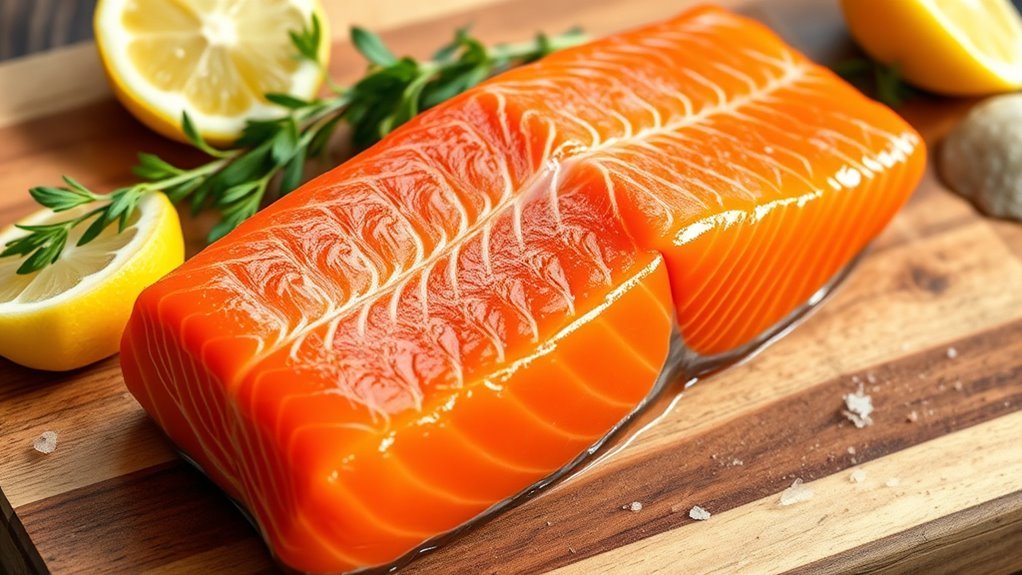
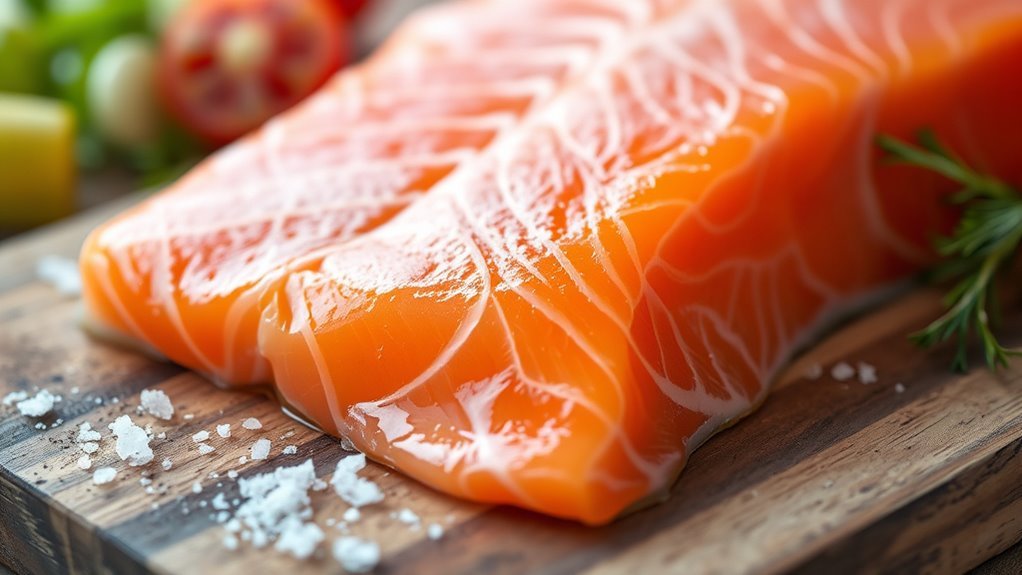
Keta salmon, also known as chum salmon, boasts a nutritional profile that makes it a healthy choice for many diets. Compared to other salmon varieties, Keta offers a moderate amount of omega-3 fatty acids, crucial for heart and brain health. It’s lower in fat than species like sockeye or king salmon, making it suitable for those following specific dietary recommendations aimed at managing calorie intake. When you look at nutritional comparisons, Keta salmon provides ample protein while being rich in essential vitamins and minerals, including B vitamins and selenium. Incorporating Keta salmon into your meals can meet your nutritional needs while diversifying your diet. It’s a smart choice for anyone seeking a balanced, health-conscious lifestyle.
Flavor and Texture Comparison
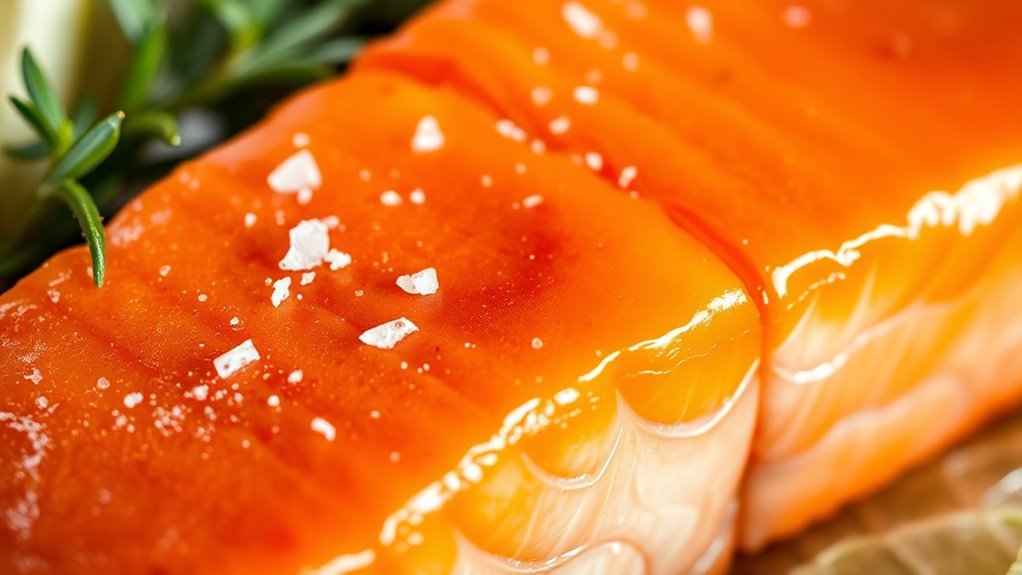
While many salmon varieties are celebrated for their distinct flavors and textures, Keta salmon presents a unique profile that’s worth exploring. Its flavor profile is milder than that of other salmon types, making it versatile for various dishes. You’ll find it has a slightly sweet taste, which pairs well with diverse seasonings. With regard to texture, Keta salmon is firmer and less oily, giving it a meatier bite compared to its counterparts.
Here’s a quick comparison:
| Salmon Type | Flavor Profile | Texture Comparison |
|---|---|---|
| Keta | Mild, slightly sweet | Firm, meaty |
| Sockeye | Rich, robust | Tender, oily |
| Coho | Medium, balanced | Flaky, moderate oiliness |
| King | Buttery, rich | Soft, very oily |
| Pink | Very mild, delicate | Soft, flaky |
This comparison can help you decide if Keta salmon fits your palate!
Health Benefits of Consuming Keta Salmon
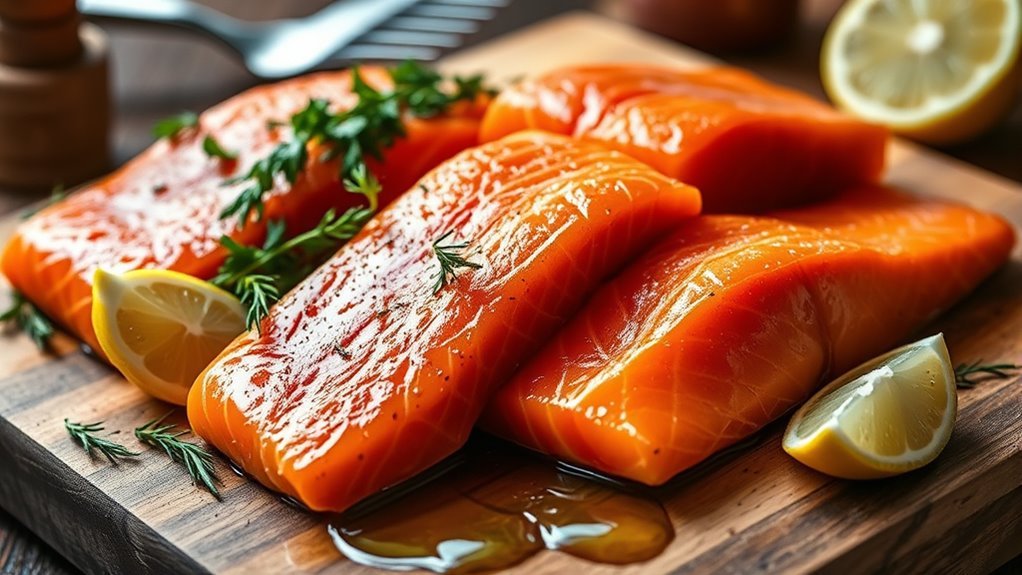
When you consider adding Keta salmon to your diet, you’re choosing a fish packed with essential nutrients. Its rich profile includes omega-3 fatty acids, which are known to promote heart health and reduce inflammation. Incorporating Keta salmon into your meals can be a delicious way to support your overall well-being.
Nutrient-Rich Profile
Salmon, particularly Keta salmon, boasts a nutrient-rich profile that offers a variety of health benefits. It’s an excellent source of high-quality protein, which is essential for muscle growth and repair. Keta salmon also provides a significant amount of omega-3 fatty acids, known for their anti-inflammatory properties. When considering dietary options, you’ll appreciate that Keta salmon is relatively low in calories yet packed with nutrients. Its vitamin content, including B vitamins and vitamin D, supports energy production and bone health. Incorporating Keta salmon into your meals can be a delicious way to enhance your nutrient intake while enjoying the freedom of a balanced diet. Just remember to source it responsibly for the best taste and health benefits.
Heart Health Benefits
Incorporating Keta salmon into your diet not only enhances your nutrient intake but also supports heart health. Rich in omega-3 fatty acids, Keta salmon can help with cholesterol management, reducing the risk of heart disease and promoting overall cardiovascular wellness. Regular consumption can benefit your heart by lowering triglycerides and blood pressure.
| Nutrient | Benefit | Source |
|---|---|---|
| Omega-3 Fatty Acids | Supports cholesterol management | Keta Salmon |
| Protein | Aids muscle repair and metabolism | Keta Salmon |
| Vitamin D | Supports heart function | Keta Salmon |
| Selenium | Antioxidant that protects heart health | Keta Salmon |
Sourcing and Sustainability Practices
Although many people enjoy Keta salmon for its flavor and health benefits, understanding its sourcing and sustainability practices is vital for making informed choices. When purchasing Keta salmon, look for brands committed to sustainable sourcing and ethical fishing methods. Wild-caught salmon, particularly from well-managed fisheries, tends to have a lower environmental impact than farmed alternatives. Certifications from organizations like the Marine Stewardship Council (MSC) can guide you in selecting responsibly sourced options. Additionally, consider the salmon’s origin; regions with stricter regulations often guarantee better sustainable practices. By prioritizing these factors, you not only support healthy ecosystems but also contribute to the demand for ethical fishing practices, guaranteeing that Keta salmon remains a viable choice for future generations.
Cooking Methods for Keta Salmon
Selecting Keta salmon for its sustainability is just the first step; knowing how to prepare it can enhance your dining experience. One popular method is grilling, where you can use techniques like marinating the fish to infuse flavor while keeping it moist. A medium heat works best to avoid overcooking. Alternatively, baking Keta salmon is a simple and healthy option. Preheat your oven to around 375°F, season the fillet, and wrap it in foil to lock in moisture. This method allows for even cooking while preserving the fish’s natural taste. Whichever technique you choose, remember that Keta salmon’s firm texture and mild flavor make it versatile, satisfying, and a great addition to any meal. Enjoy experimenting!
Keta Salmon in Culinary Traditions
As you explore various culinary traditions, you’ll find that Keta salmon holds a special place in many cuisines, particularly among indigenous peoples of the Pacific Northwest. This fish is not only a staple food but also carries cultural significance, often featured in traditional recipes passed down through generations.
Here are some common ways Keta salmon is enjoyed:
- Smoked: A time-honored method enhancing its flavor.
- Grilled: Perfect for summer gatherings with a hint of lemon.
- Canned: An enduring practice that preserves the fish for later use.
- Baked: A simple technique that keeps the fish moist.
- Dried: Often used in traditional dishes and snacks.
These preparations highlight Keta salmon’s versatility and its importance in culinary heritage.
Potential Drawbacks and Considerations
When considering Keta salmon, it’s important to weigh potential drawbacks. Concerns about mercury levels and sustainability issues may affect your choice, especially in the farmed versus wild debate. Understanding these factors can help you make a more informed decision about including Keta salmon in your diet.
Mercury Levels Concerns
Although Keta salmon is often praised for its nutritional benefits, concerns about mercury levels in fish remain significant. Mercury exposure can lead to various health risks, particularly for pregnant women and young children. While Keta salmon generally contains lower mercury levels compared to larger fish, it’s still wise to be cautious.
Here are some key points to reflect on:
- Source Matters: Wild-caught may have lower mercury than farmed.
- Frequency: Limiting your intake can reduce health risks.
- Cooking: Cooking methods don’t eliminate mercury.
- Dietary Balance: Combine Keta salmon with other low-mercury seafood.
- Consult Guidelines: Follow local advisories for safe fish consumption.
Being informed helps you enjoy Keta salmon while minimizing potential health risks.
Sustainability Issues
While Keta salmon is often seen as a healthy seafood option, it’s important to contemplate the sustainability issues surrounding its production. The environmental impact of Keta salmon farming can vary greatly based on the methods used. Some farms adopt responsible sustainability practices, minimizing habitat destruction and pollution. However, others may prioritize profit over environmental health, leading to overfishing or harmful practices that deplete local ecosystems.
When choosing Keta salmon, consider its source. Wild-caught fish typically have a lower environmental impact than those raised in less-regulated farms. Supporting companies committed to sustainable practices not only benefits your health but also helps protect marine environments for future generations. Making informed choices empowers you to enjoy Keta salmon while being mindful of its ecological footprint.
Farmed vs. Wild Debate
As you weigh the choice between farmed and wild Keta salmon, it’s crucial to contemplate the potential drawbacks and benefits of each option. Farmed practices can offer consistent availability and lower prices, but they may also raise concerns about environmental impacts and fish health. On the other hand, wild salmon thrives in its natural habitats, often boasting superior flavor and nutritional value. However, availability can be inconsistent, and overfishing poses risks.
Consider these points:
- Nutritional differences: Wild salmon may have higher omega-3 levels.
- Environmental impact: Farmed practices can pollute ecosystems.
- Taste: Wild salmon often has a richer flavor.
- Sustainability: Wild populations are at risk from overfishing.
- Cost: Farmed salmon is generally more affordable.
Ultimately, your choice should reflect your values and preferences.
Frequently Asked Questions
How Does Keta Salmon Compare to Other Salmon Types?
Keta salmon stands out with its unique flavor and nutritional profile compared to other salmon types. While its taste is milder and less fatty than sockeye or king salmon, Keta salmon nutrition offers a good balance of protein and healthy omega-3 fatty acids. It’s often considered more sustainable and economical, making it a practical choice. If you’re looking for a nutritious option without overwhelming flavor, Keta salmon might just be your perfect fit.
Is Keta Salmon Safe for Pregnant Women?
Yes, Keta salmon is generally safe for pregnant women when consumed in moderation. Notably, seafood can provide essential omega-3 fatty acids, which are important for pregnancy nutrition. However, it’s essential to take into account seafood safety. Pregnant women should avoid fish high in mercury and opt for lower-mercury choices like Keta salmon. Always consult your healthcare provider to confirm you’re making the best choices for your health and your baby’s development. Enjoy it wisely!
Can Keta Salmon Be Eaten Raw?
Yes, you can eat keta salmon raw, but it’s essential to verify it’s sushi-grade and sourced from a reputable supplier. Raw consumption carries risks, such as parasites or bacteria, so always prioritize freshness and quality. When preparing sushi, make certain to follow safe handling practices. If you’re uncertain about the source or quality, it’s better to cook the salmon to eliminate potential health risks. Enjoy your culinary freedom, but stay safe!
What Are Common Allergens Associated With Keta Salmon?
Common allergens associated with Keta salmon include proteins that can trigger seafood sensitivities, such as histamine and tropomyosin. If you’re allergic to fish or shellfish, you might experience reactions like hives, swelling, or gastrointestinal issues. It’s essential to be cautious and consult a healthcare professional if you’re unsure. Always remember, understanding your allergy triggers is key to enjoying seafood safely, so stay informed and prioritize your health while exploring new flavors.
How Should Leftover Keta Salmon Be Stored?
To store leftover keta salmon, wrap it tightly in plastic wrap or aluminum foil, or place it in an airtight container. This helps with salmon preservation, preventing moisture loss and contamination. Keep it in the refrigerator and aim to consume it within 3 days for best quality. If you need to store it longer, consider freezing it; just make sure to use a freezer-safe container to maintain freshness.
Frequently Asked Questions about Keta Salmon
1. What is Keta Salmon?
Keta Salmon, also known as Chum Salmon, is one of the five species of Pacific salmon. It is known for its firm flesh and mild flavor. Keta Salmon is often recognized for its rich, reddish-orange color and is commonly used for canning, smoking, and in sushi. It has a lower fat content compared to other salmon species, which makes it less oily but still nutritious.
2. Is Keta Salmon healthy to eat?
Yes, Keta Salmon is considered a healthy option. It is rich in omega-3 fatty acids, which are beneficial for heart health, reducing inflammation, and supporting brain function. Additionally, Keta Salmon is a good source of high-quality protein, vitamins (such as B12 and D), and essential minerals like selenium and potassium. Its lower fat content makes it a favorable choice for those looking to manage their calorie intake while still enjoying seafood.
3. How does Keta Salmon taste compared to other salmon species?
Keta Salmon has a milder flavor compared to other salmon species like King or Sockeye Salmon. While it does not have the same richness or oiliness, many people appreciate its firm texture and subtle taste. This makes it versatile for various cooking methods, including grilling, baking, and smoking, while also allowing it to absorb flavors from marinades and seasonings well.
4. Can Keta Salmon be used in sushi?
Yes, Keta Salmon can be used in sushi, although it is less common than other salmon varieties. Its firmer texture holds up well when sliced and served raw or seared. However, due to its milder taste, it is often paired with flavorful sauces or toppings to enhance the overall dish. If you are considering using Keta Salmon for sushi, ensure that you source it from a reputable supplier to guarantee freshness and safety.
5. Where can I buy Keta Salmon?
Keta Salmon can be found in various places, including grocery stores, seafood markets, and online retailers. Look for fresh Keta Salmon in the seafood section, or consider purchasing frozen fillets or canned varieties for convenience. When buying Keta Salmon, check for freshness, and if possible, ask about the sourcing to ensure it is sustainably harvested.
References
- https://www.fda.gov/food/food-labeling-nutrition/seafood-guidance-documents-regulatory-information
- https://www.ncbi.nlm.nih.gov/pmc/articles/PMC7898820/
- https://www.nmfs.noaa.gov/
- https://www.fisheries.noaa.gov/species/keta-salmon
- https://www.wildsalmon.org/
- https://en.wikipedia.org/wiki/Oncorhynchus_keta
- https://www.healthline.com/nutrition/salmon-benefits
- https://www.cdc.gov/foodsafety/communication/salmon.html