

Honeydew is not considered keto-friendly due to its relatively high carbohydrate content. While it can be enjoyed in moderation, those strictly following a ketogenic diet should be cautious with portion sizes. In this article, we will explore the nutritional profile of honeydew, its carbohydrate content, and how it fits into the keto lifestyle. Understanding these factors will help you make informed choices about including honeydew in your diet, ensuring you stay within your carb limits while still enjoying a variety of flavors.
Nutritional Profile of Honeydew
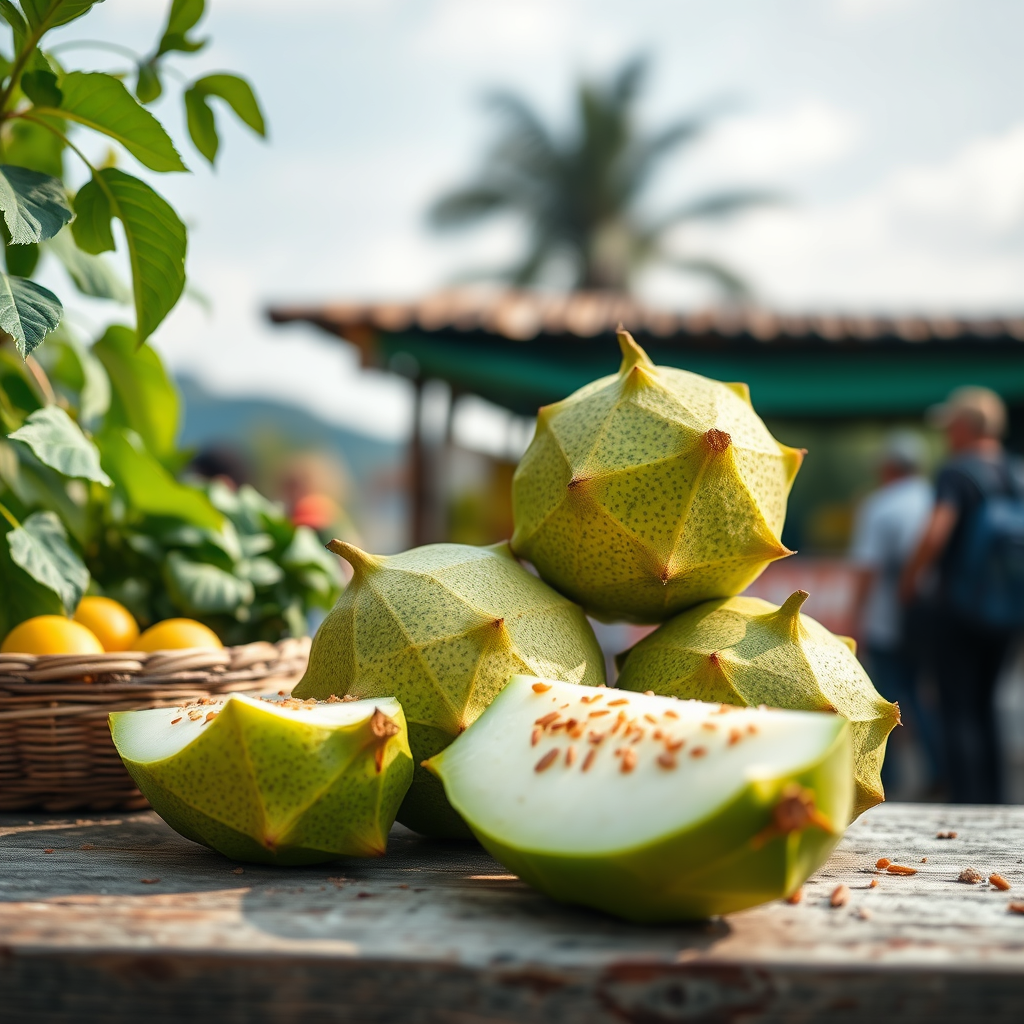
Honeydew melon, scientifically known as Cucumis melo, is a refreshing fruit often enjoyed in summer salads and fruit platters. It is low in calories, with about 60 calories per cup. This makes it an appealing option for those looking to manage their weight. Beyond its caloric content, honeydew is rich in essential vitamins and minerals, including Vitamin C. A single cup provides about 100% of the daily recommended intake of this vital nutrient, which plays a crucial role in immune function and skin health. Additionally, honeydew is a good source of potassium, an essential mineral that helps regulate blood pressure and fluid balance in the body. While these nutritional benefits are noteworthy, the carbohydrate content is a significant consideration for those adhering to a ketogenic diet.
Carbohydrate Content Explained
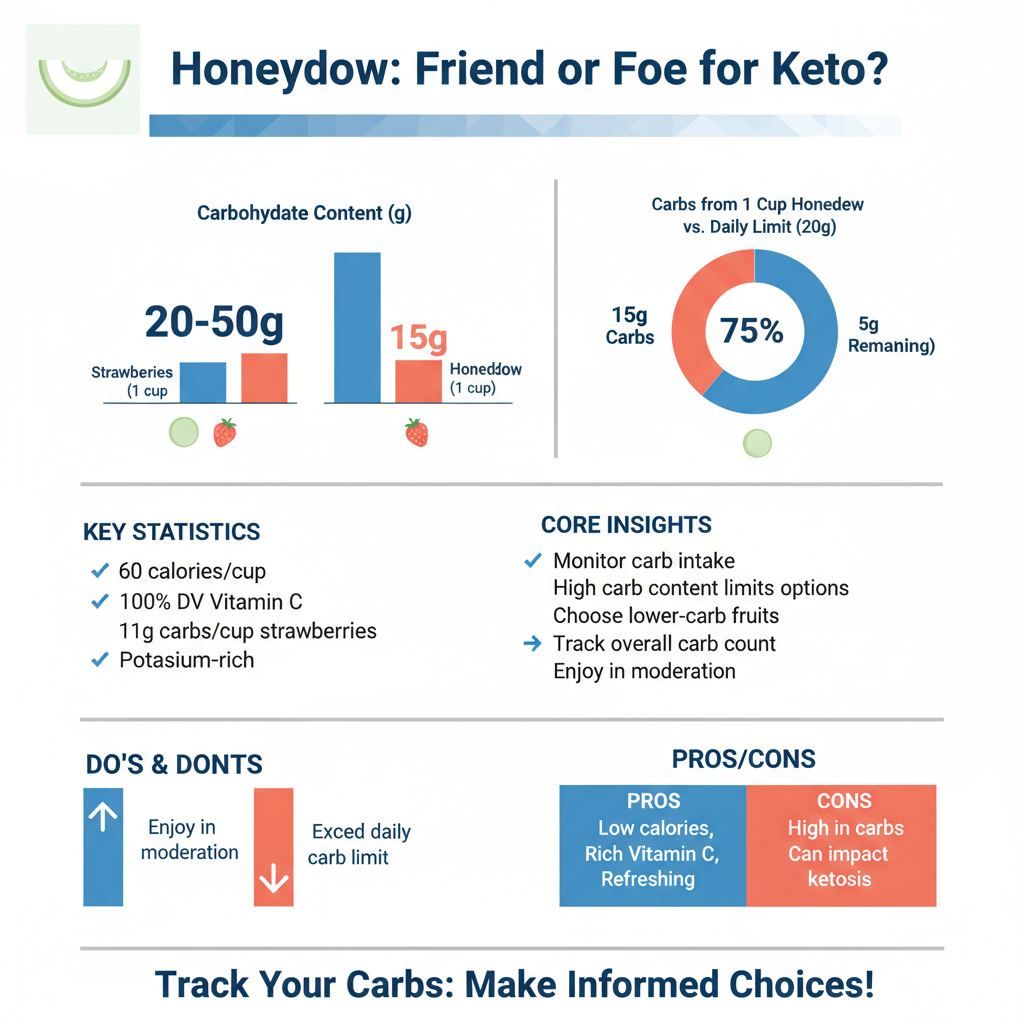
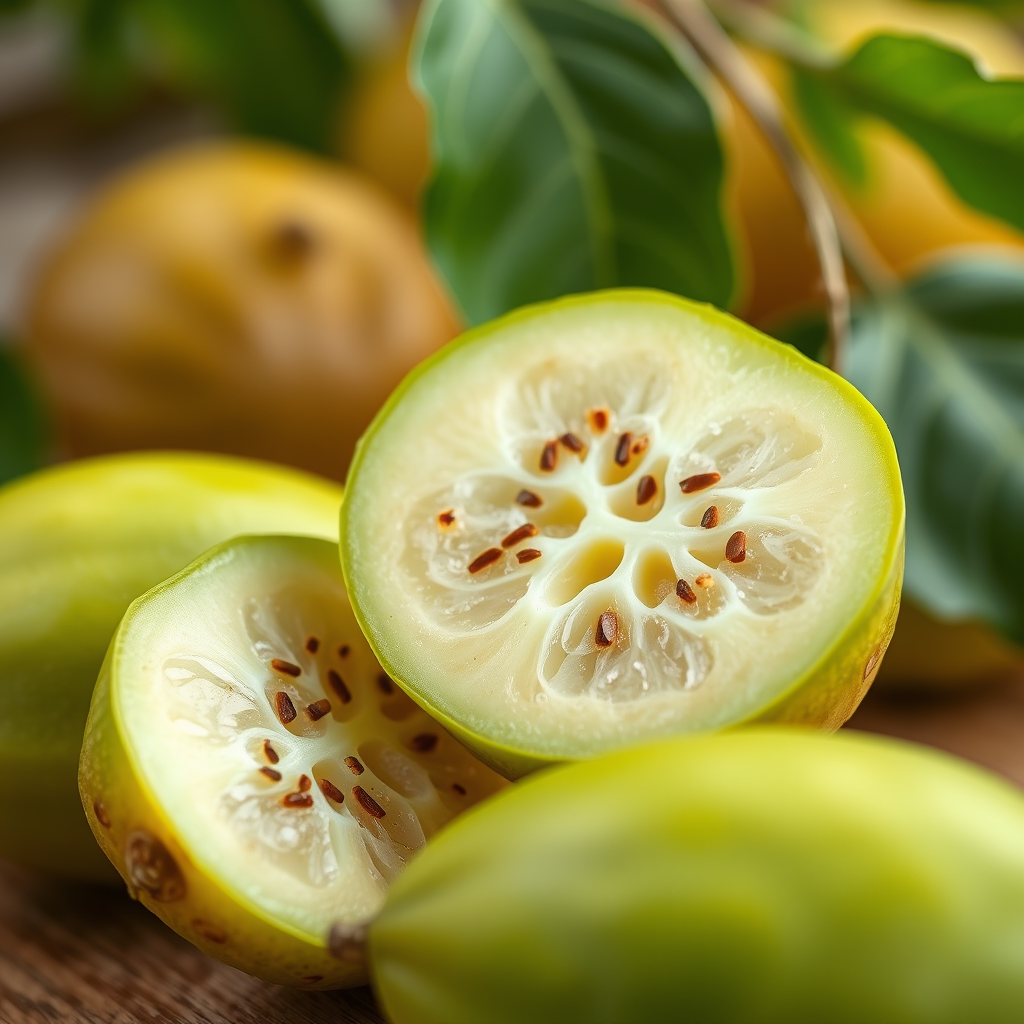
When evaluating whether honeydew is suitable for a ketogenic diet, it’s essential to look closely at its carbohydrate content. One cup of honeydew has approximately 15 grams of carbohydrates. For a strict keto diet, which typically limits daily carb intake to 20-50 grams, consuming a full cup of honeydew can take up a significant portion of your daily allowance. This could potentially push you over the limit, especially if you consume other carbohydrate-containing foods throughout the day. Therefore, while honeydew can be included in your diet, it’s crucial to monitor your intake closely to avoid exceeding your carb limit. For those working to stay in ketosis, understanding how honeydew fits into your overall carbohydrate count is vital for success.
How Honeydew Compares to Other Fruits
When comparing honeydew to other fruits, it becomes evident that it is less ideal for a ketogenic lifestyle. Fruits such as berries—strawberries, raspberries, and blackberries—are significantly lower in sugar and carbohydrates, making them more suitable for keto diets. For example, a cup of strawberries contains only about 11 grams of carbohydrates, while raspberries have approximately 7 grams. These alternatives provide satisfying sweetness without the risk of surpassing carb limits.
Furthermore, fruits like avocados and olives are excellent low-carb options that align well with the principles of a ketogenic diet. Avocados, for instance, are not only low in carbs but also high in healthy fats, making them a staple in many keto-friendly meals. By choosing these lower-carb fruits, individuals on a keto diet can enjoy a wider range of flavors while staying within their carbohydrate goals.
Moderation: The Key to Enjoying Honeydew
If you choose to include honeydew in your diet, moderation is the key to preventing any disruptions in your ketogenic journey. Limiting your serving size to a few small slices or a couple of tablespoons can help you enjoy its flavor without exceeding your carb limits. Pairing honeydew with high-fat foods, such as cream cheese or nuts, can help balance your meal. This combination not only enhances the flavor but also helps keep you satisfied. For example, incorporating honeydew into a salad with avocado and feta cheese can create a delicious and visually appealing dish while maintaining a low-carb profile.
Additionally, consider using honeydew in combination with other keto-friendly ingredients. For instance, blending honeydew into a smoothie with spinach, almond milk, and a scoop of protein powder can provide a refreshing and nutritious drink without a high carbohydrate count. This approach allows for creative culinary explorations while adhering to the principles of a ketogenic diet.
Alternatives to Honeydew on Keto
If you are looking for alternatives to honeydew that fit more seamlessly into a ketogenic diet, there are several options worth considering. Cucumbers, for instance, offer a similar texture and refreshing crunch while being extremely low in carbohydrates—about 4 grams per cup. Zucchini is another versatile vegetable that can be spiralized into noodles or used in salads, providing a satisfying alternative without the added carbs.
Radishes, often overlooked, can also serve as a crunchy addition to salads and dishes, contributing only about 4 grams of carbohydrates per cup. For those craving a sweet flavor, berries like strawberries or raspberries can be incorporated into your meals; they are not only lower in carbs but also rich in antioxidants. Each of these alternatives provides unique flavors and textures that can complement a ketogenic diet while keeping carbohydrate intake in check.
Tips for Including Honeydew in Your Diet
To effectively include honeydew in your diet without compromising your ketogenic goals, consider the following tips. First, use honeydew in small amounts as a garnish or in salads. A few slices can add a touch of sweetness to a dish without overwhelming your carb count.
Second, blending honeydew into smoothies can be an excellent way to enjoy its flavor without consuming excessive carbohydrates. For instance, combine honeydew with low-carb ingredients such as spinach, unsweetened almond milk, or protein powder to create a delicious and nutritious smoothie. This method allows you to savor the fruit while still keeping your overall carbohydrate intake manageable.
Lastly, experiment with using honeydew in savory dishes. For example, try incorporating it into a salsa with diced jalapeños, onions, and cilantro for a refreshing topping on grilled meats. This not only enhances the flavor profile of your meals but also allows you to enjoy honeydew in a more balanced way.
In summary, while honeydew can be enjoyed on a keto diet, it should be consumed in moderation due to its carbohydrate content. If you’re serious about staying in ketosis, consider alternatives that better fit your dietary goals. By understanding the nutritional profile of honeydew and how it compares to other fruits, you can make informed decisions about its inclusion in your meals. For more tips on navigating your keto journey, explore our other articles and resources!
Frequently Asked Questions
Is honeydew melon keto-friendly?
Honeydew melon is not typically considered keto-friendly due to its higher carbohydrate content compared to other low-carb fruits. A 1-cup serving of honeydew contains about 15 grams of carbohydrates, which can take up a significant portion of the daily carb allowance for those following a strict ketogenic diet. If you’re looking to maintain ketosis, it’s advisable to limit or avoid honeydew and opt for lower-carb fruits like berries or avocados.
How many carbs are in a serving of honeydew melon?
A standard serving size of honeydew melon, which is approximately 1 cup of diced melon, contains around 15 grams of carbohydrates. This includes about 1.4 grams of dietary fiber, leaving you with a net carb count of approximately 13.6 grams. For individuals on a ketogenic diet, monitoring net carbs is crucial, and consuming honeydew could hinder your ability to stay within your carb limits.
What are some low-carb alternatives to honeydew melon?
If you’re looking for low-carb alternatives to honeydew melon that fit within a ketogenic diet, consider options like strawberries, raspberries, blackberries, or cantaloupe. These fruits have lower carbohydrate counts and are rich in fiber and antioxidants, making them healthier choices for those aiming to maintain ketosis while still enjoying fruit. Always check the net carb content to ensure they align with your dietary goals.
Why do some people include honeydew in their keto diet?
Some individuals may choose to include honeydew melon in moderation on their keto diet due to its refreshing taste and hydrating properties. Honeydew is also a good source of vitamin C and can be enjoyed as a treat or in small portions as part of a balanced diet. For those who are more lenient with their carb intake or are in a targeted ketogenic diet approach, honeydew can be incorporated occasionally without significantly affecting their overall carb count.
Which fruits are best for a ketogenic diet?
The best fruits for a ketogenic diet are those that are low in carbohydrates and high in fiber. Some of the top choices include avocados, strawberries, blackberries, raspberries, and cantaloupe. These fruits typically contain fewer than 10 grams of net carbs per serving, making them suitable for maintaining ketosis while still providing essential vitamins and minerals. Always remember to monitor portion sizes to keep your carb intake in check.
References
- https://www.healthline.com/nutrition/keto-diet-foods
- Lump on breast: Types, diagnosis, and other symptoms
- https://www.livescience.com/health/keto-diet-explained
- https://www.ncbi.nlm.nih.gov/pmc/articles/PMC6313448/
- https://www.webmd.com/diet/what-is-the-keto-diet
- https://www.forbes.com/health/keto-diet-guide/
- https://www.verywellfit.com/what-is-the-keto-diet-5115130
- https://www.clevelandclinic.org/health/diet-nutrition/what-is-the-keto-diet