

Greek yogurt can be a keto-friendly option, but it depends on the type and serving size. Choosing the right Greek yogurt while being mindful of portions can help you enjoy its nutritional benefits without compromising your ketogenic diet. In this article, you’ll learn how to select the appropriate Greek yogurt for a keto lifestyle, delve into its nutritional profile, and discover practical tips for incorporating it into your daily meals.
Understanding Greek Yogurt

Greek yogurt is made through a process of straining regular yogurt to remove excess whey, resulting in a thicker texture and a concentration of nutrients. This straining process elevates the protein content while often reducing the carbohydrate levels compared to traditional yogurt. However, not all Greek yogurts are created equal; they can vary widely in carbohydrate content based on brand, flavor, and added ingredients. It is essential to read labels carefully, especially when considering flavored varieties, which commonly include added sugars that can significantly increase their carb count.
In general, plain Greek yogurt is the best option for anyone following a ketogenic diet because it typically contains fewer carbohydrates and no added sugars. This makes it more suitable for maintaining the low-carb requirements of a keto lifestyle.
Nutritional Profile of Greek Yogurt
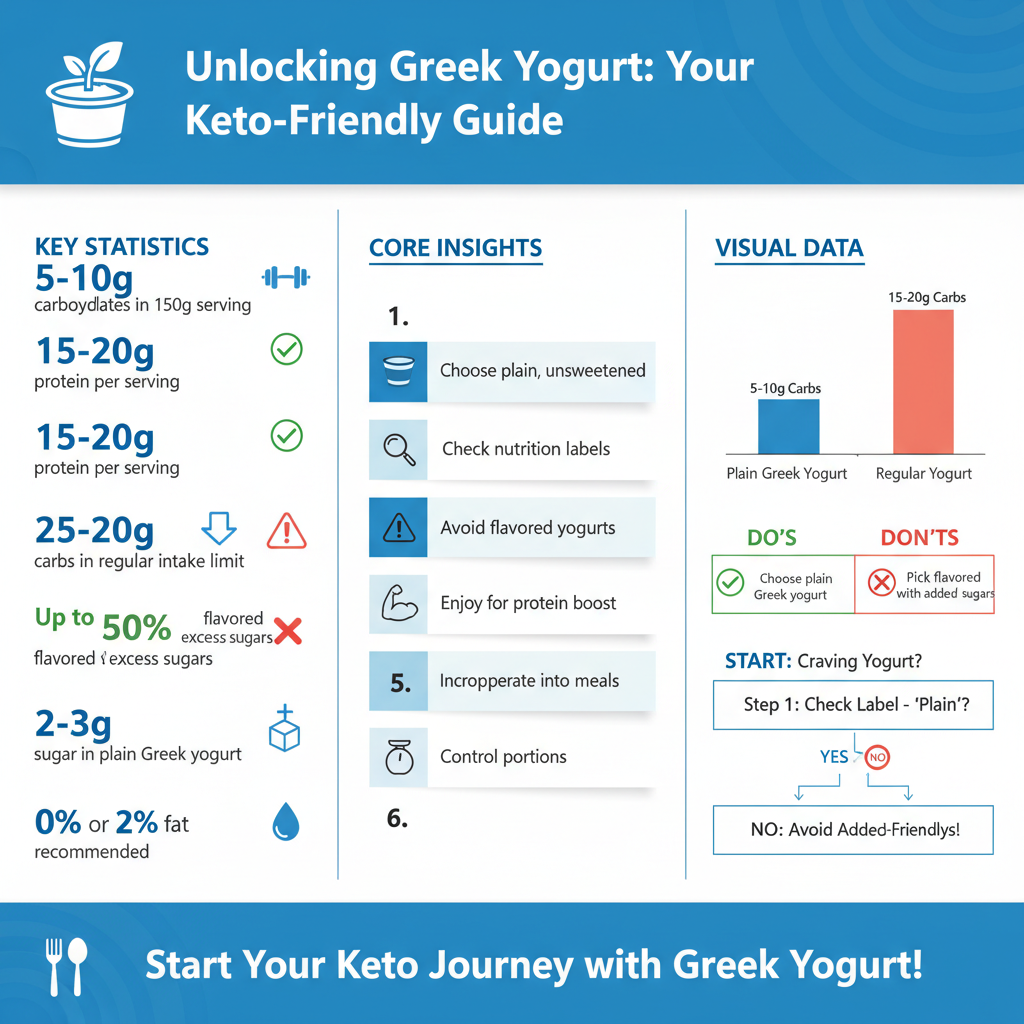

A typical serving of plain Greek yogurt, roughly 150 grams or about 5.3 ounces, contains approximately 5-10 grams of carbohydrates, making it a lower-carb alternative compared to regular yogurt, which can have upward of 15-20 grams per serving. This lower carbohydrate profile is crucial for those adhering to a ketogenic diet, which typically restricts daily carb intake to around 20-50 grams.
In addition to being lower in carbs, Greek yogurt is also higher in protein, offering around 15-20 grams per serving. This high protein content can promote satiety, helping to curb hunger and reduce cravings, which is vital when you’re cutting back on carbohydrates. Furthermore, Greek yogurt is a source of essential nutrients like calcium, potassium, and vitamin B12, contributing to overall health and well-being.
Choosing the Right Greek Yogurt
When selecting Greek yogurt for a keto diet, it is imperative to choose plain, unsweetened varieties. These options are free from added sugars that can elevate the carbohydrate count and derail your dietary goals. Look for products labeled as “0% fat” or “2% fat,” as they typically have similar carb content while still offering a creamy texture.
Always check the nutrition label for total carbohydrates per serving; a good rule of thumb is to look for options with 5 grams of carbs or less. Brands like Fage Total and Chobani Zero Sugar Greek Yogurt are popular choices among keto dieters due to their minimal carbohydrate content and high protein levels. Additionally, consider the fat content in Greek yogurt; full-fat varieties not only taste richer but can also help you feel fuller for longer, aligning well with the high-fat approach of the ketogenic diet.
Portion Control and Serving Ideas
Even though Greek yogurt can be keto-friendly, portion control is paramount. Stick to a moderate serving size, around ½ cup, to keep your carbohydrate intake manageable. It is easy to overindulge, especially when enjoying this versatile food as a snack or meal component.
To make your Greek yogurt more enjoyable while maintaining a keto-friendly profile, consider adding keto-friendly toppings. Options like chopped nuts, seeds, or a small handful of berries can enhance flavor without pushing you over your carb limits. For instance, a sprinkle of chia seeds can add a nutritional boost and fiber, while a few raspberries or blackberries provide natural sweetness with minimal carbs. You can also mix in a scoop of nut butter for added richness and healthy fats, creating a satisfying snack or breakfast option.
Alternatives to Greek Yogurt
If traditional Greek yogurt doesn’t fit your keto plan, there are alternatives to consider. Coconut yogurt is one such option, often lower in carbohydrates compared to dairy-based yogurts. However, it is essential to choose unsweetened varieties to avoid unnecessary sugars. Almond milk yogurt is another alternative that can be lower in carbs, depending on the specific brand and formulation.
If you are inclined to experiment, making your own Greek yogurt at home can be a rewarding endeavor. By using whole milk and a yogurt starter, you can control the ingredients and ensure it aligns with your keto needs. Additionally, homemade yogurt can be flavored with keto-friendly ingredients like vanilla extract or a dash of cinnamon, providing versatility while adhering to dietary goals.
Potential Health Benefits
In addition to being keto-friendly, Greek yogurt offers several health benefits. It is rich in probiotics, which can enhance gut health and improve digestion. A healthy gut flora is crucial for overall wellness and can assist in nutrient absorption, making Greek yogurt a beneficial addition to your diet.
Moreover, its high protein content is advantageous for those on a low-carb diet, as it helps in muscle maintenance and recovery. This is particularly important for individuals engaging in regular physical activity while following a ketogenic eating plan. The combination of protein and healthy fats in Greek yogurt can also contribute to stable energy levels throughout the day, reducing the likelihood of energy crashes often associated with carbohydrate-heavy diets.
Incorporating Greek yogurt into a ketogenic diet can be both enjoyable and beneficial for your health, provided you choose wisely and monitor your intake.
In summary, Greek yogurt can be a keto-friendly food if you choose the right type and monitor your serving sizes. By sticking to plain, unsweetened varieties and being mindful of your portions, you can enjoy this nutritious food while staying aligned with your keto goals. For more tips on maintaining a ketogenic lifestyle, explore our other articles and resources!
Frequently Asked Questions
Is Greek yogurt keto-friendly?
Yes, Greek yogurt can be keto-friendly, but it’s essential to choose the right varieties. Look for full-fat, unsweetened Greek yogurt with low carbohydrate content, ideally containing 5-8 grams of carbs per serving. This aligns well with the ketogenic diet’s goal of maintaining low daily carb intake while providing a good source of protein and healthy fats.
How many carbs are in Greek yogurt?
The carbohydrate content in Greek yogurt varies by brand and type. Generally, a typical serving (about 150 grams) of plain, full-fat Greek yogurt contains approximately 6-10 grams of carbohydrates. For those on a keto diet, it’s crucial to check the nutrition label to ensure that the yogurt fits within your daily carb limits.
Why is Greek yogurt a good option for a keto diet?
Greek yogurt is an excellent option for a keto diet due to its high protein content and low sugar levels compared to regular yogurt. The fermentation process also makes it easier to digest, and the presence of probiotics can support gut health. Moreover, the healthy fats in full-fat Greek yogurt help keep you satiated, making it a nutritious addition to your keto meal plan.
What are the best brands of Greek yogurt for keto?
Some of the best brands of Greek yogurt for a keto diet include Fage Total, Chobani Whole Milk Greek Yogurt, and Oikos Triple Zero. These brands typically offer full-fat options that are low in sugar and carbs, making them suitable for keto dieters. Always check the nutritional information to ensure you choose a product that fits your dietary goals.
Can I sweeten Greek yogurt on a keto diet?
Yes, you can sweeten Greek yogurt on a keto diet, but opt for low-carb sweeteners like stevia, erythritol, or monk fruit. These alternatives provide sweetness without adding significant carbs, allowing you to enjoy your yogurt while staying within your daily carb limit. Adding a few berries in moderation can also enhance flavor while still being keto-friendly.
References
- https://www.healthline.com/nutrition/greek-yogurt-keto
- https://www.medicalnewstoday.com/articles/318061
- https://www.ncbi.nlm.nih.gov/pmc/articles/PMC5901610/
- https://www.webmd.com/diet/obesity/ss/slideshow-keto-diet
- https://www.eatright.org/food/nutrition/dietary-guidelines-and-myplate/what-is-the-keto-diet
- https://www.mayoclinic.org/healthy-lifestyle/nutrition-and-healthy-eating/in-depth/keto-diet/art-20459960