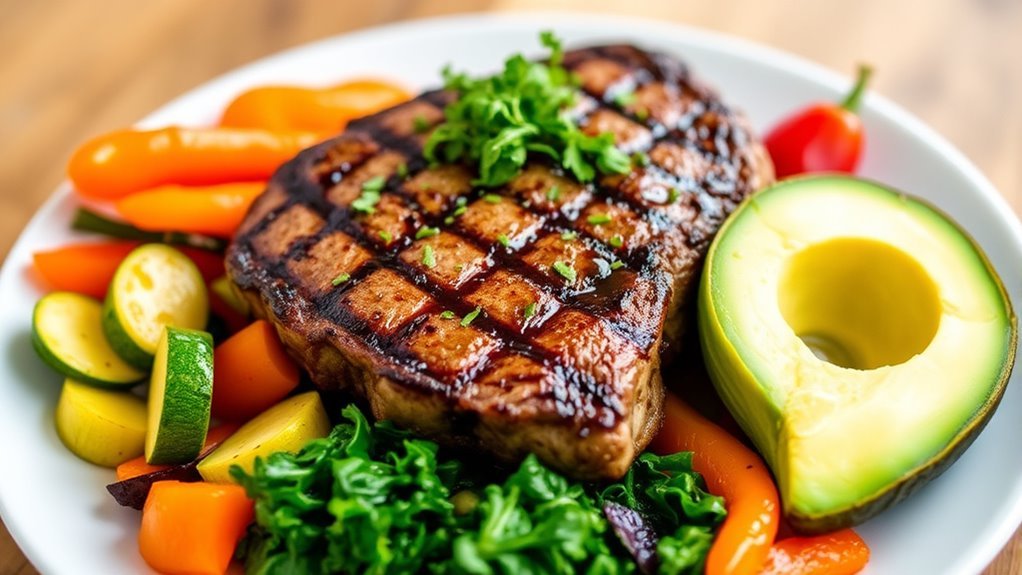

Yes, gluten-free can definitely be keto! By focusing on low-carb, high-fat options, you can avoid gluten while enjoying the benefits of a ketogenic diet. Substitutes like almond and coconut flour are great for cooking and baking, while vegetables and lean proteins can keep your meals balanced. It’s crucial to monitor your nutrient intake to prevent deficiencies. If you want to learn more about successfully adopting this combined lifestyle, there are plenty of tips and recipes available.
Understanding Gluten-Free Diets

When you think about gluten-free diets, it’s vital to understand their primary focus: avoiding gluten, a protein found in wheat, barley, and rye. Many people adopt these dietary restrictions due to celiac disease or gluten sensitivity, which can cause adverse health effects. By eliminating gluten sources like bread, pasta, and certain processed foods, you can experience improved digestion and overall well-being. However, it’s essential to guarantee you’re still getting a balanced diet, as cutting out gluten can sometimes lead to nutrient deficiencies. Embrace naturally gluten-free options like fruits, vegetables, and lean proteins, which provide freedom in your food choices while maintaining your health. Remember, being gluten-free doesn’t mean sacrificing flavor or variety in your meals.
Exploring the Ketogenic Diet

The ketogenic diet, often referred to as keto, is a high-fat, low-carbohydrate eating plan designed to shift your body into a state of ketosis, where it burns fat for fuel instead of carbohydrates. One of the primary ketogenic benefits is weight loss, as your body becomes efficient at burning stored fat. Additionally, many report increased energy levels and improved mental clarity. There are several diet variations within keto, such as targeted or cyclical approaches, allowing you to customize it to fit your lifestyle. Whether you’re looking to enhance athletic performance or simply enjoy sustained energy, understanding these variations can empower you to create a plan that meets your personal health goals. Embrace the freedom of exploring what works best for you!
The Compatibility of Gluten-Free and Keto
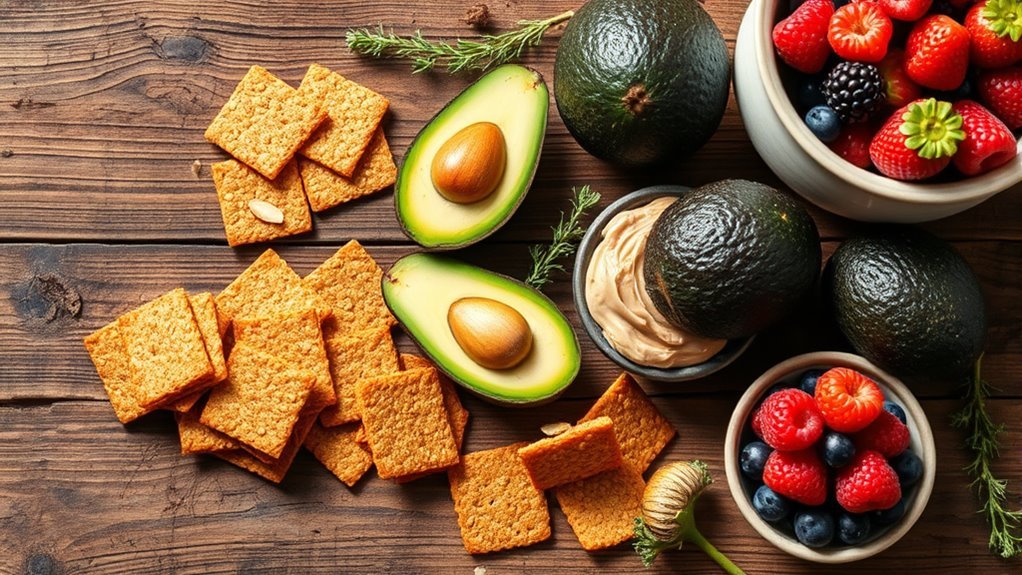
While many people associate gluten-free diets with celiac disease or gluten intolerance, it’s important to note that following a gluten-free plan can also align well with the ketogenic lifestyle. By focusing on low-carb, high-fat options, you can easily avoid gluten sources while still enjoying a variety of delicious foods.
Here’s a quick comparison of gluten sources and keto substitutes:
| Gluten Sources | Keto Substitutes | Benefits |
|---|---|---|
| Wheat | Almond flour | Low in carbs |
| Barley | Coconut flour | High in fiber |
| Rye | Chia seeds | Rich in nutrients |
| Bread | Lettuce wraps | Low-calorie option |
Nutritional Considerations for Gluten-Free Keto
Understanding the nutritional considerations for a gluten-free keto diet is fundamental, especially if you want to reap the benefits of both lifestyles without compromising your health. Achieving nutritional balance is essential; you’ll need to guarantee adequate intake of vitamins and minerals typically found in gluten-containing grains. Focus on ingredient substitutions that maintain low carbs while providing important nutrients. For example, use almond flour or coconut flour instead of wheat flour, and incorporate plenty of leafy greens, nuts, and seeds. Pay attention to potential nutrient deficiencies, especially in B vitamins and fiber. It’s crucial to plan meals wisely, so you enjoy a diverse, satisfying diet that supports your health goals while adhering to both gluten-free and keto principles.
Tips for Successfully Adopting a Gluten-Free Keto Lifestyle
Adopting a gluten-free keto lifestyle can feel challenging, but with some strategic planning, you can make the change smoother and more enjoyable. Here are some helpful tips to get you started:
Embrace the gluten-free keto lifestyle with strategic planning for a smoother, more enjoyable transition.
- Meal Planning: Create a weekly meal plan that highlights gluten-free, low-carb options, ensuring you have balanced meals ready to go.
- Explore Snack Options: Stock up on keto-friendly snacks like nuts, cheese, and veggies with dip to satisfy cravings without compromising your diet.
- Read Labels: Always check food labels for hidden gluten in packaged products; this helps avoid any unintended gluten intake.
- Experiment with Recipes: Try out new gluten-free keto recipes to keep your meals exciting and varied, making the alteration more enjoyable.
With these tips, you’ll find freedom in your gluten-free keto journey!
Frequently Asked Questions
1. What is the difference between gluten-free and keto diets?
The gluten-free diet is designed for individuals with celiac disease or gluten sensitivity, focusing on eliminating all sources of gluten, a protein found in wheat, barley, and rye. On the other hand, the ketogenic (keto) diet is a low-carb, high-fat diet aimed at inducing ketosis, where the body burns fat for fuel instead of carbohydrates. While both diets can overlap, they serve different purposes and have different nutritional focuses.
2. Can I follow a gluten-free keto diet?
Yes, you can absolutely follow a gluten-free keto diet. Many gluten-free foods, such as non-starchy vegetables, nuts, seeds, and gluten-free flours (like almond and coconut flour), can fit into a ketogenic framework. Just be mindful of the carbohydrate content of gluten-free products, as some can be high in carbs despite being gluten-free.
3. What foods should I avoid on a gluten-free keto diet?
On a gluten-free keto diet, you should avoid all sources of gluten, which includes traditional grains like wheat, barley, and rye. Additionally, you should steer clear of high-carb foods such as sugar, starchy vegetables (like potatoes and corn), fruits (except for small portions of berries), and most processed gluten-free products that may contain added sugars or high-carb ingredients.
4. Are there gluten-free grains that can be included in a keto diet?
While traditional grains are not suitable for a gluten-free diet, some gluten-free options are low in carbs and can be included in moderation on a keto diet. Quinoa and buckwheat can be considered, but they are higher in carbs than typical keto staples. Instead, focus on seeds (like chia and flaxseed) and low-carb alternatives such as almond flour and coconut flour for baking and cooking.
5. How can I ensure I am meeting my nutritional needs on a gluten-free keto diet?
To ensure you meet your nutritional needs on a gluten-free keto diet, focus on a variety of whole foods. Incorporate plenty of non-starchy vegetables, healthy fats (like avocados, olive oil, and fatty fish), and protein sources (like meat, eggs, and dairy). Additionally, consider consulting a healthcare professional or a registered dietitian to help monitor your nutrient intake and to address any potential deficiencies, particularly in fiber, vitamins, and minerals.
References
- https://www.ncbi.nlm.nih.gov/pmc/articles/PMC7071377/
- https://www.healthline.com/nutrition/keto-diet-and-gluten-free
- https://www.gluten.org/gluten-free-diet/
- https://www.celiac.org/live-gluten-free/gluten-free-lifestyle/
- https://www.verywellfit.com/what-is-the-gluten-free-diet-5118563
- https://www.ncbi.nlm.nih.gov/pmc/articles/PMC5803974/
- https://www.mayoclinic.org/healthy-lifestyle/nutrition-and-healthy-eating/expert-answers/gluten-free-diet/faq-20058420