

Flour, in its traditional form, is not keto-friendly as it is high in carbohydrates. However, there are several low-carb flour alternatives that can be seamlessly integrated into a ketogenic diet. This article will explore various types of flour, their carbohydrate content, and practical ways to incorporate these alternatives into your keto lifestyle, ensuring you can still enjoy baked goods without compromising your dietary goals.
Understanding Keto and Carbohydrates

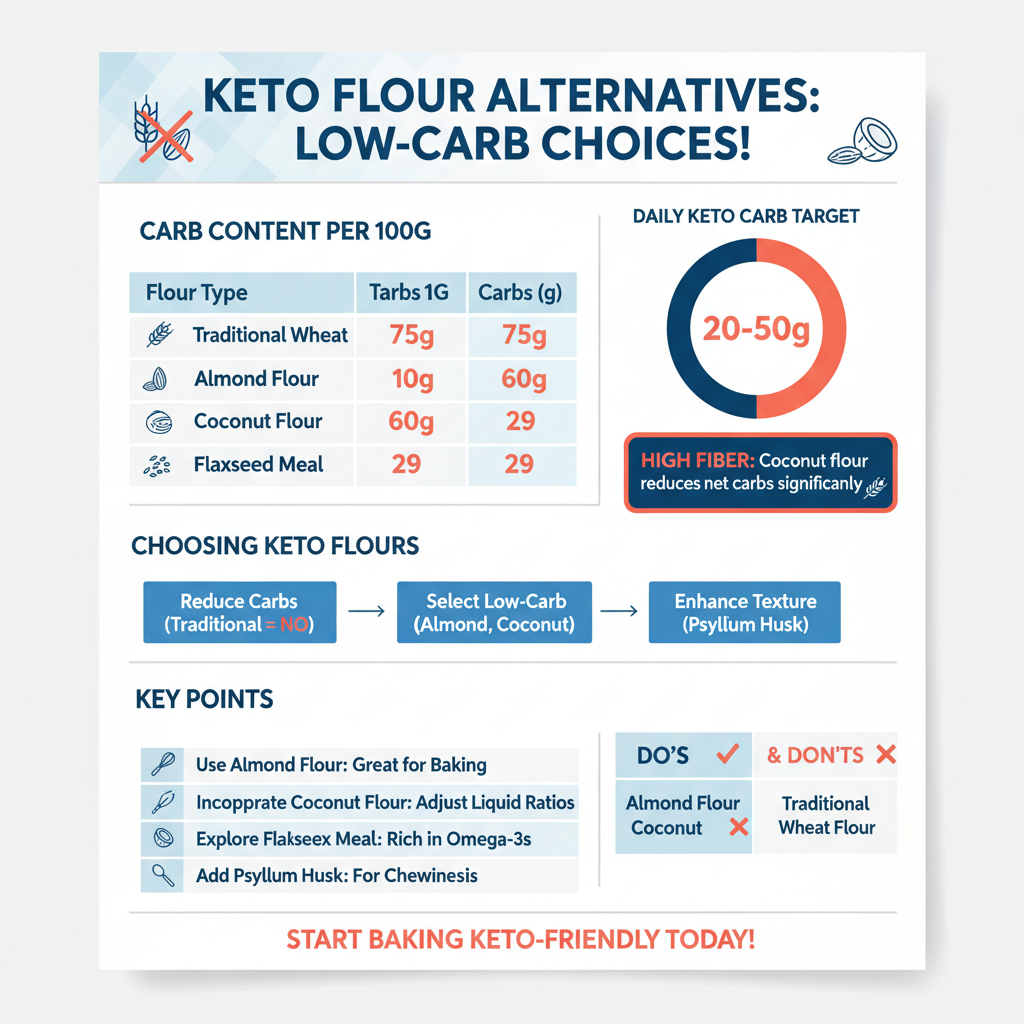
At the heart of a ketogenic diet lies the principle of drastically reducing carbohydrate intake to induce a metabolic state known as ketosis. In this state, the body shifts from burning glucose for energy to utilizing fat stores, which can promote weight loss and enhance mental clarity. Traditional wheat flour, often a staple in many diets, contains about 75 grams of carbohydrates per 100 grams, rendering it unsuitable for a keto lifestyle. This high carb content can easily exceed the daily carbohydrate limits set by ketogenic guidelines, which typically recommend staying below 20 to 50 grams of net carbs per day. Therefore, understanding and selecting low-carb alternatives becomes essential for anyone adhering to a ketogenic diet.
Common Types of Flour and Their Carb Content
When considering low-carb flour alternatives, two of the most popular options are almond flour and coconut flour.
– Almond flour is made from finely ground almonds and contains approximately 10 grams of carbohydrates per 100 grams. It also boasts a high fat content, primarily healthy monounsaturated fats, making it an excellent choice for keto baking. Its nutty flavor and moist texture lend themselves well to various recipes, from pancakes to bread.
– Coconut flour, on the other hand, contains around 60 grams of carbohydrates per 100 grams. However, it is particularly high in fiber, which can significantly reduce its net carb count (total carbohydrates minus fiber). This flour absorbs a considerable amount of liquid, which can be advantageous in certain recipes but requires adjustments to liquid ratios when baking.
Other low-carb flour options include:
– Flaxseed meal: This flour is made from ground flaxseeds and contains approximately 29 grams of carbohydrates per 100 grams but is rich in omega-3 fatty acids and fiber.
– Psyllium husk: Although not a flour in the traditional sense, psyllium husk can be used to improve the texture of baked goods, providing a chewy quality and helping to retain moisture. It contains negligible carbohydrates, making it a valuable addition to a low-carb pantry.
Low-Carb Flour Alternatives for Baking
Incorporating low-carb flour alternatives into your baking can open a new world of possibilities while adhering to keto guidelines. Both almond and coconut flour can serve as primary substitutes in various recipes. For instance, almond flour can replace wheat flour in a 1:1 ratio in many cases, although it is often recommended to use slightly less and add additional egg whites to improve structure. Coconut flour, due to its absorbent nature, typically requires a one-to-four ratio, where one part coconut flour replaces four parts wheat flour, along with additional liquid or eggs.
Beyond almond and coconut flour, flaxseed meal can be used in recipes like muffins or pancakes to enhance nutritional value and texture. Psyllium husk, when mixed with other low-carb flours, not only provides bulk but also contributes to the overall fiber content, which can help with digestive health.
How to Use Alternative Flours in Your Recipes
When transitioning to low-carb flours, it is crucial to adjust liquid ratios in your recipes due to the different absorbency levels of these flours. For example, if you are using coconut flour, it is generally advisable to increase the amount of liquid (such as water, milk, or eggs) in your recipe to prevent dryness. Conversely, almond flour typically requires less liquid than wheat flour, so starting with a smaller amount and adjusting as needed is a good strategy.
Experimenting with blending different flours can also yield optimal results. Combining almond flour with coconut flour can create a balanced texture that mimics traditional wheat flour. Additionally, incorporating ingredients such as eggs, yogurt, or cream cheese can enhance moisture and richness, producing baked goods that are both satisfying and keto-friendly.
Tips for Transitioning to Keto-Friendly Baking
Transitioning to a keto-friendly baking regimen can be a rewarding endeavor. Begin by seeking out recipes specifically designed for low-carb flours, as they will guide you through the unique properties of these ingredients. Many websites, cookbooks, and social media accounts specialize in keto recipes, providing a wealth of inspiration and resources.
As you become comfortable with these new flours, start gradually replacing traditional flour in your favorite recipes. This can help you adapt without feeling overwhelmed. For example, if you have a beloved chocolate chip cookie recipe, try substituting half of the wheat flour with almond flour. This incremental approach allows you to test flavors and textures while still enjoying familiar tastes.
Nutritional Benefits of Using Keto-Friendly Flours
One of the significant advantages of utilizing low-carb flours is their nutritional profile. Low-carb flours often come with added nutrients that traditional wheat flour lacks. For instance, almond flour is rich in vitamin E, magnesium, and protein, while coconut flour provides a substantial amount of fiber. These nutrients contribute to overall health, supporting metabolic functions and potentially aiding in weight management.
Moreover, low-carb flours can help maintain stable blood sugar levels, making them a suitable option for individuals who may be insulin resistant or managing diabetes. Their higher fat and fiber content can also promote greater satiety, reducing the likelihood of overeating and supporting weight loss efforts.
Exploring keto-friendly flour alternatives not only allows for continued enjoyment of baked goods but also encourages a more nutritious approach to eating.
In summary, while traditional flour is not suitable for a ketogenic diet, various low-carb alternatives can serve as excellent substitutes. Almond flour, coconut flour, flaxseed meal, and psyllium husk provide versatile options for baking while aligning with keto principles. By adjusting recipes and embracing these alternatives, you can maintain your keto lifestyle without sacrificing flavor or satisfaction. As you embark on this journey, remember to read ingredient labels carefully and be mindful of portion sizes to stay within your dietary goals. Embrace the opportunity to experiment and discover the delightful possibilities that low-carb baking has to offer.
Frequently Asked Questions
Is regular all-purpose flour keto-friendly?
No, regular all-purpose flour is not keto-friendly. It contains a high amount of carbohydrates, which can hinder ketosis—the state where your body burns fat for fuel instead of carbs. A single cup of all-purpose flour has approximately 95 grams of carbohydrates, far exceeding the daily carb limit typically recommended for those on a ketogenic diet.
What are the best low-carb flour alternatives for a keto diet?
Some of the best low-carb flour alternatives for a keto diet include almond flour, coconut flour, and flaxseed meal. Almond flour has about 6 grams of carbs per 1/4 cup, making it a popular choice for keto baking. Coconut flour is another great option but is much denser and requires adjusting the liquid in recipes, as it absorbs more moisture.
How can I substitute regular flour in keto recipes?
To substitute regular flour in keto recipes, you can use almond flour or coconut flour as alternatives, adjusting the quantity based on the specific flour’s absorption properties. Generally, you can replace one cup of all-purpose flour with 1/4 to 1/3 cup of coconut flour or about one cup of almond flour. Always check specific recipes for the best results, as different flours behave differently in baking.
Why is it important to avoid high-carb flour on a keto diet?
Avoiding high-carb flour on a keto diet is crucial because consuming too many carbs can disrupt the metabolic state of ketosis. When the body is in ketosis, it burns fat for energy instead of carbohydrates. High-carb flours can lead to increased blood sugar levels, cravings, and can ultimately derail weight loss efforts associated with the ketogenic lifestyle.
Which keto-friendly flours are best for baking bread?
The best keto-friendly flours for baking bread include almond flour and psyllium husk powder, as they create a texture similar to traditional bread. Almond flour provides a moist consistency, while psyllium husk powder helps bind the ingredients together, mimicking the elasticity of gluten. Combining these with eggs can also enhance the bread’s structure and moisture, yielding a delicious low-carb bread.
References
- https://www.healthline.com/nutrition/keto-diet-foods
- https://www.webmd.com/diet/what-is-the-keto-diet
- https://www.ncbi.nlm.nih.gov/pmc/articles/PMC6837396/
- Francis A. Farraye, M.D., M.S. – Doctors and Medical Staff – Mayo Clinic
- https://www.usda.gov/topics/food-and-nutrition
- https://www.sciencedirect.com/science/article/pii/S221226721500028X
- https://www.jamanetwork.com/journals/jama/fullarticle/2616321
- https://www.health.harvard.edu/staying-healthy/the-ketogenic-diet-a-keto-diet-primer