

Flaxseed is indeed keto-friendly, making it a great addition to low-carb diets. This nutrient-dense superfood is low in carbohydrates, high in fiber, and rich in healthy fats, which aligns perfectly with the principles of the ketogenic diet. As more individuals turn to keto for weight loss and overall health, understanding how flaxseed can fit into this dietary approach is essential. In this article, we’ll explore the benefits of flaxseed, its nutritional profile, and how to incorporate it into your keto lifestyle.
Nutritional Profile of Flaxseed
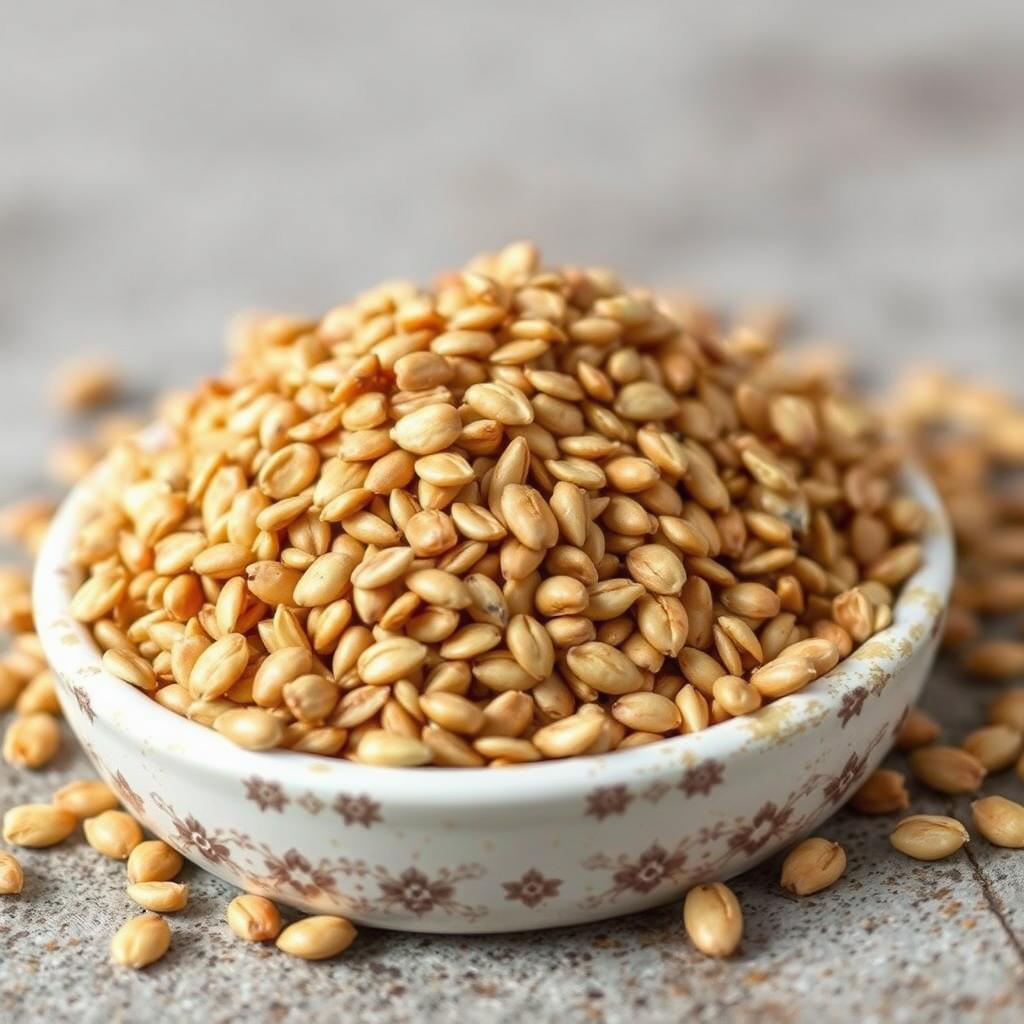
Flaxseed is a powerhouse of nutrition, primarily due to its impressive macronutrient composition.
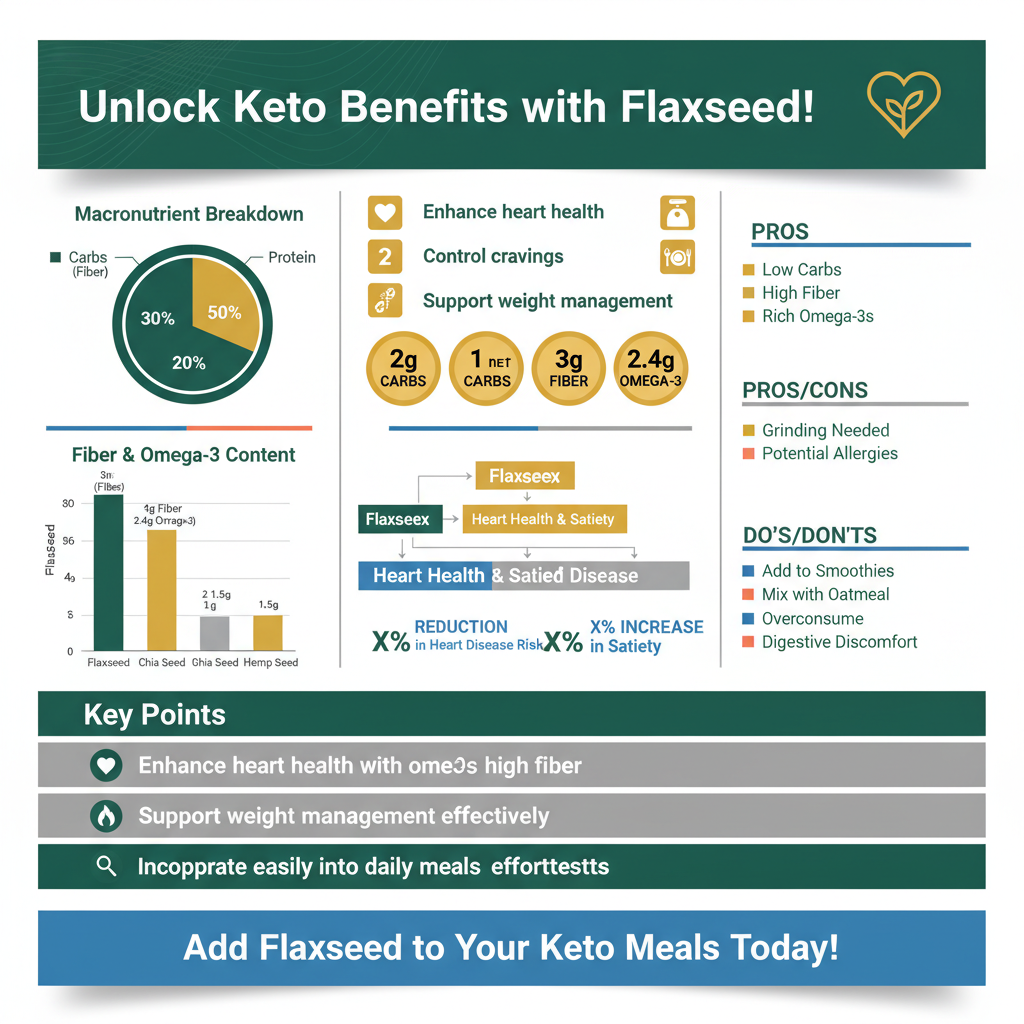
– Low in net carbs: One of the standout features of flaxseed is its remarkably low carbohydrate content. A single tablespoon of whole flaxseed contains about 2 grams of total carbohydrates, but because it is high in fiber, the net carbs (which are calculated by subtracting fiber from total carbs) are just about 1 gram. This low net carb count makes flaxseed a perfect fit for those adhering to a ketogenic diet.
– High in fiber: Flaxseed boasts an exceptional fiber content, with approximately 3 grams of fiber per tablespoon. This high fiber level not only aids in digestion but also promotes feelings of fullness, helping to manage hunger and cravings, which is vital for those on a restricted caloric intake.
– Rich in omega-3 fatty acids: Flaxseed is widely recognized as one of the best plant-based sources of alpha-linolenic acid (ALA), a type of omega-3 fatty acid. A single tablespoon provides about 2.4 grams of ALA, which plays a crucial role in heart health and inflammation reduction.
This unique combination of low carbs, high fiber, and healthy fats makes flaxseed a remarkable addition to a ketogenic diet.
Health Benefits of Flaxseed on Keto

Incorporating flaxseed into a keto diet can yield a plethora of health benefits, supporting not only weight loss but overall well-being.
– Supports heart health: The omega-3 fatty acids found in flaxseed are known for their heart-protective properties. They can help lower cholesterol levels and reduce blood pressure, contributing to improved cardiovascular health. Regular consumption of flaxseed may also decrease the risk of heart disease, making it a smart choice for those concerned about heart health.
– Aids weight management: The high fiber content in flaxseed promotes satiety, which can aid in weight management. By helping you feel fuller for longer, flaxseed can reduce the likelihood of overeating, thus supporting your weight loss goals while on a keto diet.
– Reduces inflammation: Flaxseed is rich in antioxidants, which can combat oxidative stress and inflammation in the body. The anti-inflammatory properties of flaxseed make it beneficial for individuals with inflammatory conditions and may support overall health by reducing inflammation-related diseases.
Ways to Incorporate Flaxseed into Your Diet
Flaxseed is versatile and can be easily integrated into various meals and snacks, enhancing both flavor and nutrition.
– Flaxseed meal: Ground flaxseed, often referred to as flaxseed meal, can be used as a flour substitute in keto baking. It can replace up to 25% of the flour in recipes, adding a nutty flavor and boosting nutritional content without significantly increasing carbs.
– Smoothies: Adding ground flaxseed to smoothies is an excellent way to enhance their nutritional profile. A tablespoon of flaxseed can provide an additional source of healthy fats and fiber, making your smoothie more satisfying and nutritious.
– Salad toppings: Whole or ground flaxseed can be sprinkled on salads for added crunch and nutrition. This simple addition not only enhances the flavor but also contributes to your daily intake of omega-3 fatty acids and fiber.
Flaxseed vs. Other Keto Seeds
When comparing flaxseed to other popular seeds in the keto diet, several distinctions emerge.
– Chia seeds: Chia seeds are also low in net carbs and high in fiber. However, flaxseed offers a higher concentration of omega-3 fatty acids. Both seeds are beneficial, but flaxseed may be preferred for those specifically looking to boost omega-3 intake.
– Pumpkin seeds: Pumpkin seeds are higher in protein and fat compared to flaxseed. While they provide essential nutrients, they contain slightly more carbohydrates. Flaxseed, with its lower net carb content, may be more suitable for strict keto followers.
– Sunflower seeds: Sunflower seeds contain more carbohydrates than flaxseed, along with a different profile of healthy fats. While sunflower seeds can still fit into a keto diet, flaxseed’s lower carbohydrate count makes it a more advantageous option for those monitoring their carb intake closely.
Potential Downsides of Flaxseed
While flaxseed offers numerous benefits, there are some potential downsides to consider.
– Phytoestrogens: Flaxseed contains phytoestrogens, which can mimic estrogen in the body. For certain individuals, particularly those with hormone-sensitive conditions, this could impact hormone balance. It is advisable to consult with a healthcare provider if you have concerns about hormone health.
– Possible digestive issues: Overconsumption of flaxseed can lead to digestive discomfort, including bloating or gas. It is essential to start with small amounts and gradually increase intake to allow your digestive system to adjust.
– Need for hydration: Given the high fiber content, it is crucial to stay adequately hydrated when incorporating flaxseed into your diet. Drinking plenty of water can help mitigate potential digestive issues associated with increased fiber intake.
Recipes Featuring Flaxseed
Incorporating flaxseed into your diet can be both delicious and straightforward. Here are a few recipes to try:
– Keto-friendly bread: Combine 1 cup of almond flour, 1/4 cup of ground flaxseed, 3 eggs, and a pinch of salt. Pour the mixture into a greased loaf pan and bake at 350°F (175°C) for 25-30 minutes. This bread is high in healthy fats and low in carbs, making it an excellent addition to your keto meals.
– Flaxseed pudding: Mix 2 tablespoons of ground flaxseed, 1 cup of unsweetened almond milk, and a dash of vanilla extract. Stir well and let it sit in the refrigerator for an hour or overnight to thicken. This pudding is not only tasty but also a fantastic source of fiber.
– Smoothie ideas: Combine spinach, half an avocado, 1 tablespoon of ground flaxseed, and unsweetened coconut milk in a blender for a nutrient-packed smoothie. This combination provides healthy fats, essential vitamins, and a low-carb option.
In summary, it is clear that flaxseed can play a significant role in a keto diet. With its low-carb, high-fiber, and healthy fat profile, flaxseed not only supports your nutritional goals but also adds variety to your meals. Consider incorporating flaxseed into your daily routine for improved health and wellness, and explore the myriad of ways it can enhance your keto lifestyle.
Frequently Asked Questions
Is flaxseed keto-friendly for low-carb diets?
Yes, flaxseed is considered keto-friendly due to its low carbohydrate content and high fiber content. One tablespoon of ground flaxseed contains approximately 1 gram of net carbs, making it an excellent addition to a ketogenic diet. It provides healthy omega-3 fatty acids and can help with satiety, which is beneficial for those following a low-carb lifestyle.
How can I incorporate flaxseed into my keto meal plan?
You can easily incorporate flaxseed into your keto meal plan by adding it to smoothies, yogurt, or oatmeal. You can also use it as a low-carb thickening agent in soups and sauces, or mix it into baked goods made with almond or coconut flour. Ground flaxseed can also be used as an egg substitute in keto-friendly recipes, providing both moisture and binding properties.
Why is flaxseed considered a superfood for the keto diet?
Flaxseed is regarded as a superfood for the keto diet due to its rich nutrient profile, which includes high levels of omega-3 fatty acids, lignans, and dietary fiber. These components help reduce inflammation, support heart health, and promote digestive health—key factors for those on a ketogenic diet. Additionally, the fiber content aids in maintaining gut health and can help manage hunger levels.
What are the health benefits of consuming flaxseed on a keto diet?
Consuming flaxseed on a keto diet offers numerous health benefits, including improved cholesterol levels, enhanced digestive health, and better weight management. The omega-3 fatty acids found in flaxseed can help reduce the risk of heart disease, while the high fiber content promotes healthy digestion and may help control blood sugar levels. Additionally, flaxseed’s antioxidants can contribute to overall well-being.
Which type of flaxseed is best for a keto diet—whole or ground?
Ground flaxseed is generally the best choice for a keto diet compared to whole flaxseeds. Ground flaxseed is easier for the body to digest and absorb the nutrients, maximizing its health benefits. Whole flaxseeds can pass through the digestive system largely undigested, limiting their nutritional value. Therefore, for optimal intake of fiber and omega-3s, opt for ground flaxseed in your keto meals.
References
- Flax
- https://www.ncbi.nlm.nih.gov/pmc/articles/PMC6831431/
- https://www.healthline.com/nutrition/flaxseed-keto-friendly
- https://www.medicalnewstoday.com/articles/flaxseed-nutrition
- https://www.hsph.harvard.edu/nutritionsource/what-should-you-eat/flaxseeds/
- https://www.ncbi.nlm.nih.gov/pmc/articles/PMC6295981/
- https://www.ncbi.nlm.nih.gov/pmc/articles/PMC7310846/
- https://www.health.harvard.edu/staying-healthy/flaxseed-the-super-food