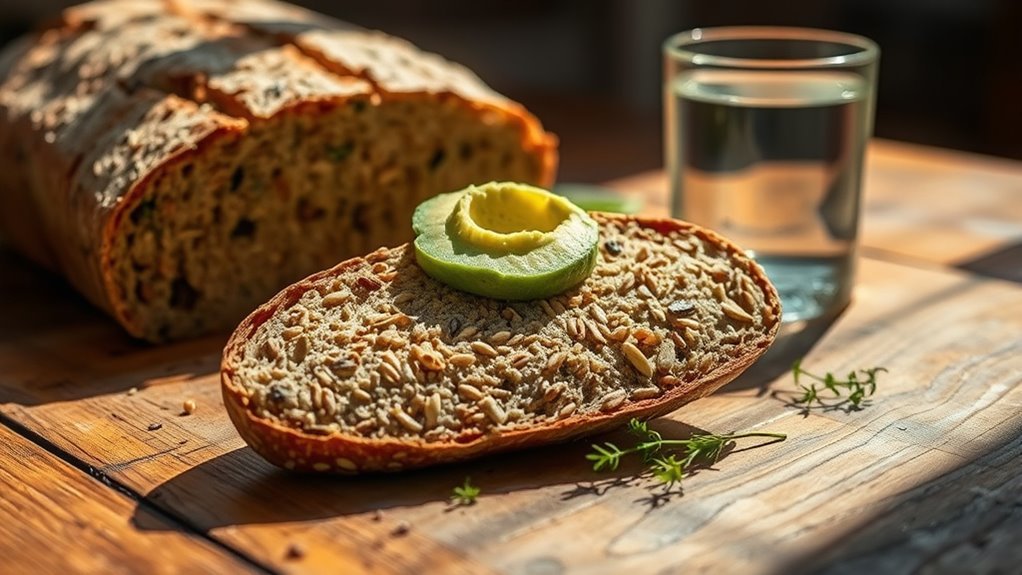

Ezekiel bread isn’t typically considered keto-friendly due to its carbohydrate content, with about 15 grams of carbs per slice. While it’s made from sprouted grains and legumes, which provide nutritional benefits, the carbs can interfere with maintaining a low carb lifestyle. If you’re following a strict keto diet, you might want to explore alternatives like almond or coconut flour bread instead. Stick around for tips on how to personalize your keto diet with bread choices that align better with your goals.
What Is Ezekiel Bread?
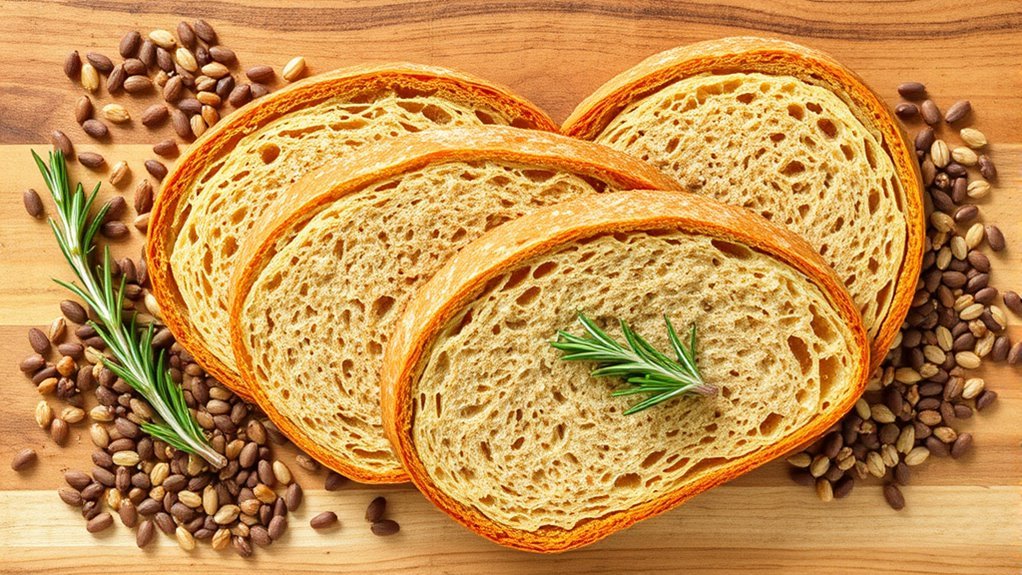
Ezekiel bread, often touted for its nutritional benefits, is a type of bread made from sprouted whole grains and legumes, which can enhance its digestibility and nutrient profile. This unique preparation method allows the grains to germinate, releasing enzymes that improve nutrient absorption. By utilizing sprouted grains, Ezekiel bread provides a range of bread benefits, including higher protein content and essential amino acids. You’ll also find it lower in gluten and phytic acid, making it easier on digestion for some individuals. Additionally, its rich fiber content supports gut health, promoting a sense of fullness. Overall, incorporating Ezekiel bread into your diet can be a flavorful way to enjoy the advantages of whole foods while maintaining a balanced lifestyle.
Nutritional Profile of Ezekiel Bread
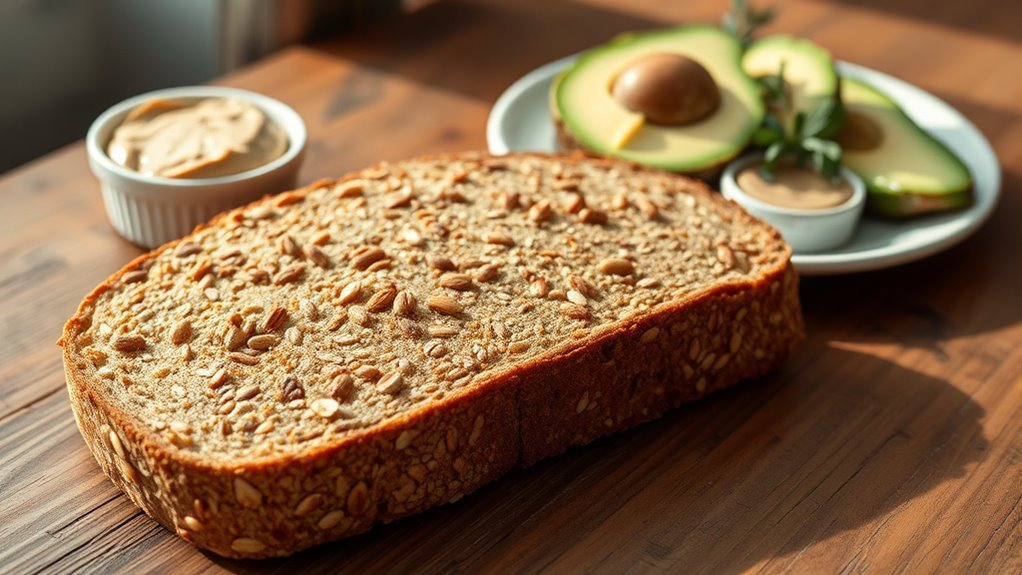
Sprouted whole grains and legumes come together in Ezekiel bread to create a unique nutritional profile. This bread offers several nutritional benefits that can complement your dietary considerations. Here are some key aspects:
- High Protein Content: The combination of grains and legumes provides a complete protein source.
- Rich in Fiber: This bread is high in dietary fiber, promoting digestive health.
- Vitamins and Minerals: Ezekiel bread contains essential nutrients like B vitamins, iron, and magnesium.
- Low Glycemic Index: Its unique ingredients help stabilize blood sugar levels.
These factors contribute to its appeal, especially for those seeking nutritious alternatives. Understanding these benefits allows you to make informed choices that align with your health goals.
Carbohydrate Content in Ezekiel Bread
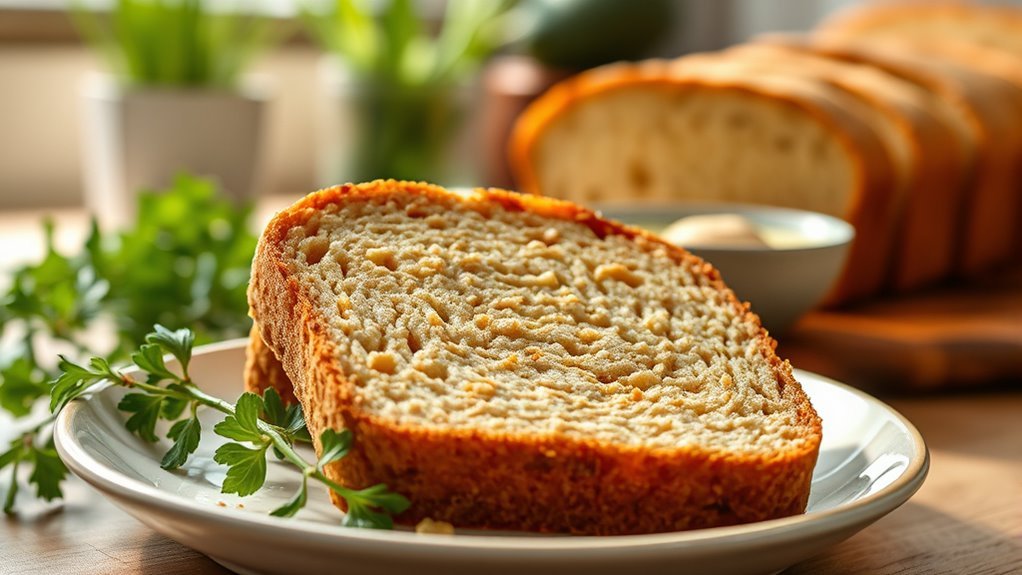
When considering nutritional choices, the carbohydrate content of Ezekiel bread plays a significant role, especially for those monitoring their carb intake. Typically, a slice of Ezekiel bread contains around 15 grams of carbohydrates, making it a higher carb option compared to many low carb alternatives. However, it’s worth noting that these carbs come from whole food sources, including sprouted grains and legumes, which provide essential nutrients and fiber. This means the impact on blood sugar may be less pronounced than with refined bread. If you’re looking for carbohydrate sources that offer nutritional benefits, Ezekiel bread could be a suitable choice, but moderation is key for maintaining a low-carb lifestyle. Always consider your overall dietary goals.
Comparing Ezekiel Bread to Regular Bread
When comparing Ezekiel bread to regular bread, you’ll notice distinct differences in their nutritional profiles, which can impact your dietary choices. Ezekiel bread often boasts a lower glycemic index and a simpler ingredient list, making it a more wholesome option for some. Understanding these factors can help you make informed decisions about which bread aligns better with your health goals.
Nutritional Profile Differences
Although both Ezekiel bread and regular bread are popular choices, their nutritional profiles differ markedly. Understanding these differences can help you make informed dietary decisions that align with your health goals.
- Whole Grains: Ezekiel bread is made from sprouted whole grains, offering higher fiber content.
- Protein Content: It’s typically richer in protein, providing more nutritional benefits.
- Vitamins and Minerals: Ezekiel bread contains more essential nutrients, such as B vitamins and iron.
- Lower Glycemic Load: Regular bread often has a higher glycemic index, which may have negative health implications like blood sugar spikes.
Glycemic Index Comparison
How does the glycemic index of Ezekiel bread compare to that of regular bread? When examining this aspect, you’ll find that Ezekiel bread generally has a lower glycemic index, leading to a more stable glycemic response. This means it can help regulate blood sugar levels better than traditional white or whole wheat bread. The unique combination of sprouted grains and legumes in Ezekiel bread contributes to its slower digestion, which can be beneficial for those watching their blood sugar. In contrast, regular bread often spikes blood sugar quickly, causing energy fluctuations. If you’re seeking a healthier alternative, Ezekiel bread may provide a more balanced option while still enjoying the freedom of incorporating bread into your diet.
Ingredient List Analysis
While considering the ingredients, it’s clear that Ezekiel bread stands out due to its unique composition. Unlike regular bread, which often contains refined flour and preservatives, Ezekiel bread is made from sprouted whole grains and legumes. This not only enhances ingredient sourcing but also boosts ingredient benefits. Here’s a breakdown:
- Sprouted Wheat: Increases nutrient availability and digestibility.
- Barley: Offers fiber and essential vitamins.
- Lentils: Adds protein and several minerals.
- Millet: Provides additional fiber and supports gut health.
These ingredients work together to create a bread that’s more nutritious and lower in glycemic impact than conventional options. So, if you’re seeking a healthier alternative, Ezekiel bread may be a great choice!
The Role of Sprouted Grains in Nutrition
Sprouted grains, like those found in Ezekiel bread, offer a range of nutritional benefits, including higher nutrient density compared to regular grains. You might find that these grains are easier to digest and absorb, which can enhance your overall nutrient intake. Additionally, sprouted grains typically have a lower glycemic index, making them a better option for blood sugar management.
Nutrient Density Benefits
When considering the nutritional value of Ezekiel bread, it’s important to recognize the role of sprouted grains, which enhance the bioavailability of vitamins and minerals. This improvement in nutrient absorption contributes greatly to the dietary benefits you can gain from consuming Ezekiel bread. Here are some key advantages:
- Increased Fiber: Promotes healthy digestion and satiety.
- Higher Protein Content: Supports muscle repair and growth.
- Rich in Antioxidants: Helps combat oxidative stress in the body.
- Enhanced Micronutrient Profile: Provides essential vitamins and minerals in more effective forms.
Digestibility and Absorption
Because sprouted grains undergo a natural process of germination, they often provide enhanced digestibility and nutrient absorption compared to their non-sprouted counterparts. This process activates digestive enzymes, which break down complex carbohydrates and proteins, making it easier for your body to absorb essential nutrients. Research indicates that sprouted grains can increase absorption rates of vitamins and minerals, such as B vitamins, iron, and zinc. This means that when you consume Ezekiel bread, you’re likely getting more nutritional benefits than from traditional bread. Furthermore, the increased fiber content in sprouted grains can support gut health, further optimizing your overall digestion. If you’re seeking a nutritious option, sprouted grains like those found in Ezekiel bread could be a compelling choice for your diet.
Glycemic Index Comparison
The digestibility and nutrient absorption benefits of sprouted grains extend to their impact on the glycemic index (GI), a measure of how quickly foods raise blood sugar levels. When you choose sprouted grains like those in Ezekiel bread, you may experience a more balanced glycemic response compared to traditional grains. Here are some key points to reflect on:
- Sprouted grains typically have a lower GI than regular grains.
- They release sugars more gradually, preventing spikes in blood sugar.
- Their fiber content helps improve satiety and regulate digestion.
- Including sprouted grains in your diet can support overall metabolic health.
How Ezekiel Bread Affects Blood Sugar Levels
Although it’s often touted as a healthier alternative to traditional bread, Ezekiel bread can still impact blood sugar levels. It’s made from sprouted grains and legumes, which can lead to a different glycemic response compared to white bread. However, it still contains carbohydrates that can elevate blood sugar. When you consume Ezekiel bread, your body releases insulin to help manage that blood sugar spike. For some, this insulin response may be more pronounced than expected, especially if consumed in large quantities. If you’re monitoring your blood sugar, it’s crucial to reflect on portion sizes and how Ezekiel bread fits into your overall diet. Ultimately, being informed allows you to make choices that best suit your health needs while enjoying your food freedom.
Can Ezekiel Bread Fit Into a Keto Diet?
Can Ezekiel bread really fit into a keto diet? While it’s nutritious, it may not align perfectly with low carb lifestyles. Here are four factors to take into account:
- Carbohydrate Content: Ezekiel bread contains around 15 grams of carbs per slice, which can add up quickly.
- Keto Bread Alternatives: There are better options available, like almond or coconut flour breads, that are lower in carbs.
- Portion Control: If you love Ezekiel bread, limit your intake to stay within your daily carb goals.
- Nutritional Value: Remember, its whole grains offer benefits, but balance is key for keto success. Additionally, maintaining carb limits is crucial for successful adherence to a ketogenic diet.
Ultimately, your choice should align with your personal goals and preferences in your keto journey.
Alternatives to Ezekiel Bread on Keto
If you’re looking for alternatives to Ezekiel bread while following a keto diet, there are several options that can help you stay within your carb limits. Low carb tortillas are a popular choice; they’re versatile and can be used for wraps or quesadillas without compromising your macros. Another great option is almond flour bread, which is low in carbs and high in healthy fats, making it a perfect substitute for traditional bread. You can easily find or make these alternatives to enjoy sandwiches or toast without the extra carbohydrates. Additionally, incorporating keto-friendly snacks into your diet can help satisfy cravings while keeping you on track with your macros. By incorporating these choices, you can maintain your keto lifestyle while still enjoying the textures and flavors you love.
Tips for Incorporating Low-Carb Bread Options
While shifting to a low-carb diet, incorporating low-carb bread options can enhance your meals without derailing your progress. Here are some tips to help you integrate these alternatives seamlessly:
- Explore Low Carb Recipes: Get creative with recipes that use almond flour or coconut flour for bread substitutes.
- Pair with Healthy Toppings: Opt for avocado, nut butters, or cottage cheese to boost nutrition and flavor.
- Make Your Own: Consider baking your own low-carb bread at home to control ingredients and flavors.
- Experiment with Spreads: Use low-carb spreads like hummus or pesto to add variety to your meals.
Additionally, understanding key ingredients in keto bread can help you make more informed choices and enhance your cooking skills.
These strategies can keep your meals exciting while you enjoy the benefits of a low-carb lifestyle.
Personalizing Your Keto Diet With Bread Choices
When you’re crafting a personalized keto diet, choosing the right bread options can make a significant difference in how well you stick to your plan. Exploring low carb alternatives is essential for maintaining ketosis while satisfying your cravings. You might consider options like almond flour bread or coconut flour tortillas, which align with your dietary preferences. These alternatives not only reduce carb intake but also offer healthy fats and fiber. Remember to check labels and ingredients to avoid hidden sugars. Experimenting with different recipes can keep your meals exciting and flavorful, allowing for more freedom in your choices. Ultimately, the key is to find bread options that fit seamlessly into your lifestyle while supporting your health goals. Additionally, incorporating lower glycemic index bread alternatives can help stabilize blood sugar levels, making it easier to manage cravings and energy levels.
Frequently Asked Questions
Is Ezekiel Bread Gluten-Free?
Ezekiel bread isn’t gluten-free. It’s made from sprouted whole grains like wheat, barley, and millet, which all contain gluten. If you have gluten intolerance or celiac disease, it’s best to avoid Ezekiel bread. While its ingredients offer nutritional benefits, they won’t help if you’re sensitive to gluten. Always check labels and consider gluten-free alternatives to guarantee your dietary needs are met. You deserve to enjoy bread without compromising your health!
Can I Make Ezekiel Bread at Home?
Absolutely, you can craft your own Ezekiel bread at home! By embracing the art of baking, you’re free to explore various homemade variations. An Ezekiel bread recipe typically involves sprouting grains like wheat, barley, and lentils, which enhances their nutritional profile. This wholesome approach not only enriches the taste but also allows you to avoid preservatives found in store-bought options. So roll up your sleeves and enjoy the process of baking your own!
What Are the Health Benefits of Ezekiel Bread?
Ezekiel bread offers numerous health benefits, thanks to its impressive nutritional profile. It’s made from sprouted grains, which enhances the bioavailability of nutrients, making them easier for your body to absorb. You’ll also enjoy digestive benefits, as the sprouting process breaks down gluten and phytic acid, improving gut health. Plus, it’s packed with protein and fiber, keeping you satiated and energized throughout the day. Embracing Ezekiel bread can be a nutritious choice for your diet.
How Long Does Ezekiel Bread Last?
Ezekiel bread typically lasts about 5 to 7 days when stored at room temperature. For longer shelf life, consider freezing it, which can extend freshness up to 3 months. To maintain quality, keep it in an airtight container or a resealable bag. Remember, proper storage tips can help you avoid mold and maintain flavor, giving you the freedom to enjoy your bread without worry. Always check for any signs of spoilage before consuming.
Is Ezekiel Bread Suitable for Vegans?
Yes, Ezekiel bread’s a great choice for vegans! Made from sprouted whole grains and legumes, it features vegan ingredients like wheat, barley, and lentils. Packed with nutritional values, it’s rich in protein and fiber, making it a wholesome option for plant-based diets. Just remember, while it’s nutritious, moderation is key. Enjoy this bread as part of a balanced diet, and you’ll be nourishing your body with every delicious bite!
References
- https://en.wikipedia.org/wiki/Ezekiel_bread
- https://www.ncbi.nlm.nih.gov/pmc/articles/PMC3408263/
- https://www.healthline.com/nutrition/what-is-ezekiel-bread
- https://www.medicalnewstoday.com/articles/ezekiel-bread-nutrition
- https://www.journalofethics.ama-assn.org/article/what-are-nutritional-benefits-ezekiel-bread/2020-04
- https://www.cdc.gov/healthyweight/healthy_eating/index.html