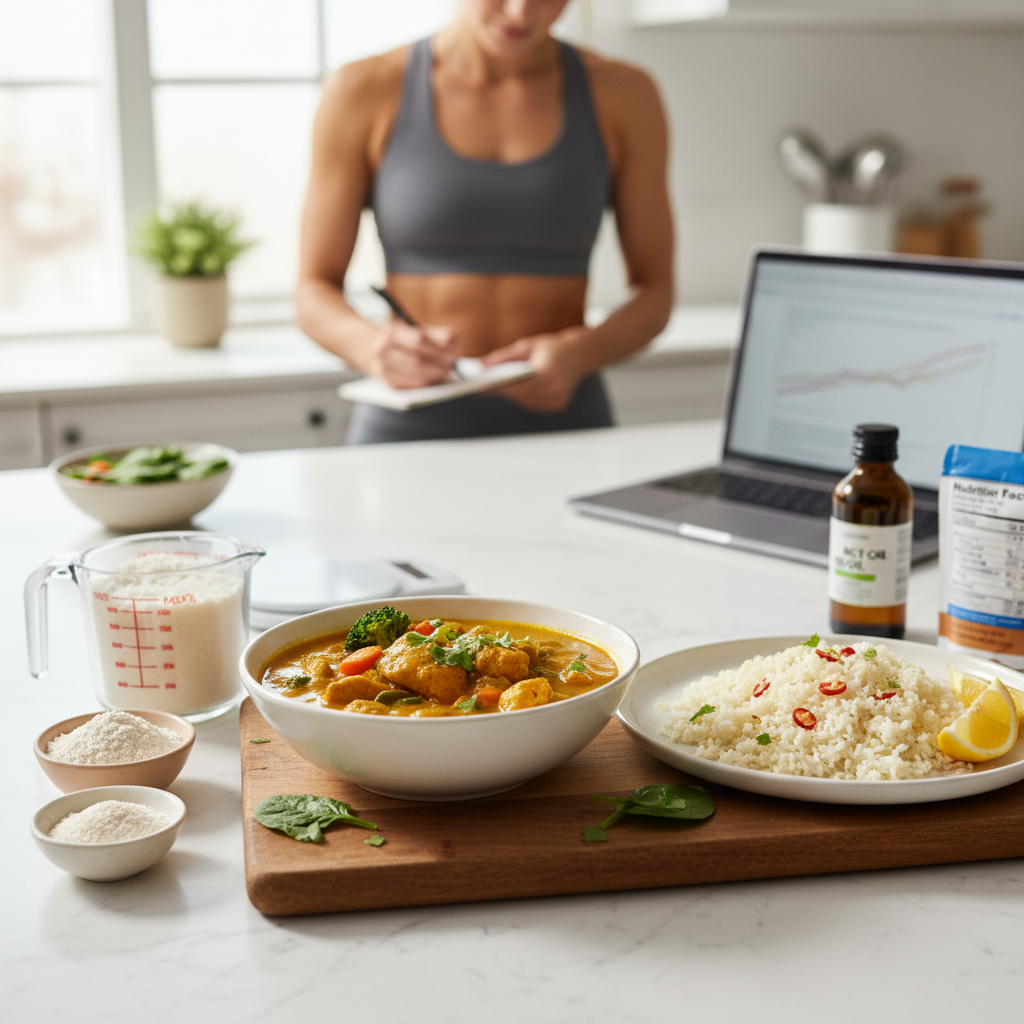

The answer is yes, curry can be keto-friendly, but it largely depends on the specific ingredients and preparation methods used. While traditional curry recipes may include high-carb elements, there are numerous ways to adapt these dishes for a ketogenic lifestyle. In this article, we’ll explore how to enjoy curry while maintaining your keto diet, including what to look for and what to avoid.
Understanding Keto and Its Requirements
Keto, short for ketogenic diet, is a low-carbohydrate, high-fat diet designed to shift the body into a state of ketosis. In ketosis, the body becomes highly efficient at burning fat for energy, which can lead to weight loss and improved mental clarity. Typically, your daily carbohydrate intake should be kept to around 20-50 grams to successfully maintain this metabolic state. This significant reduction in carbohydrates encourages the body to utilize fat stores, making it crucial for individuals on a keto diet to be vigilant about their food choices. Hence, understanding the carbohydrate content in meals, such as curry, is essential for anyone looking to remain in ketosis.
Common Ingredients in Curry
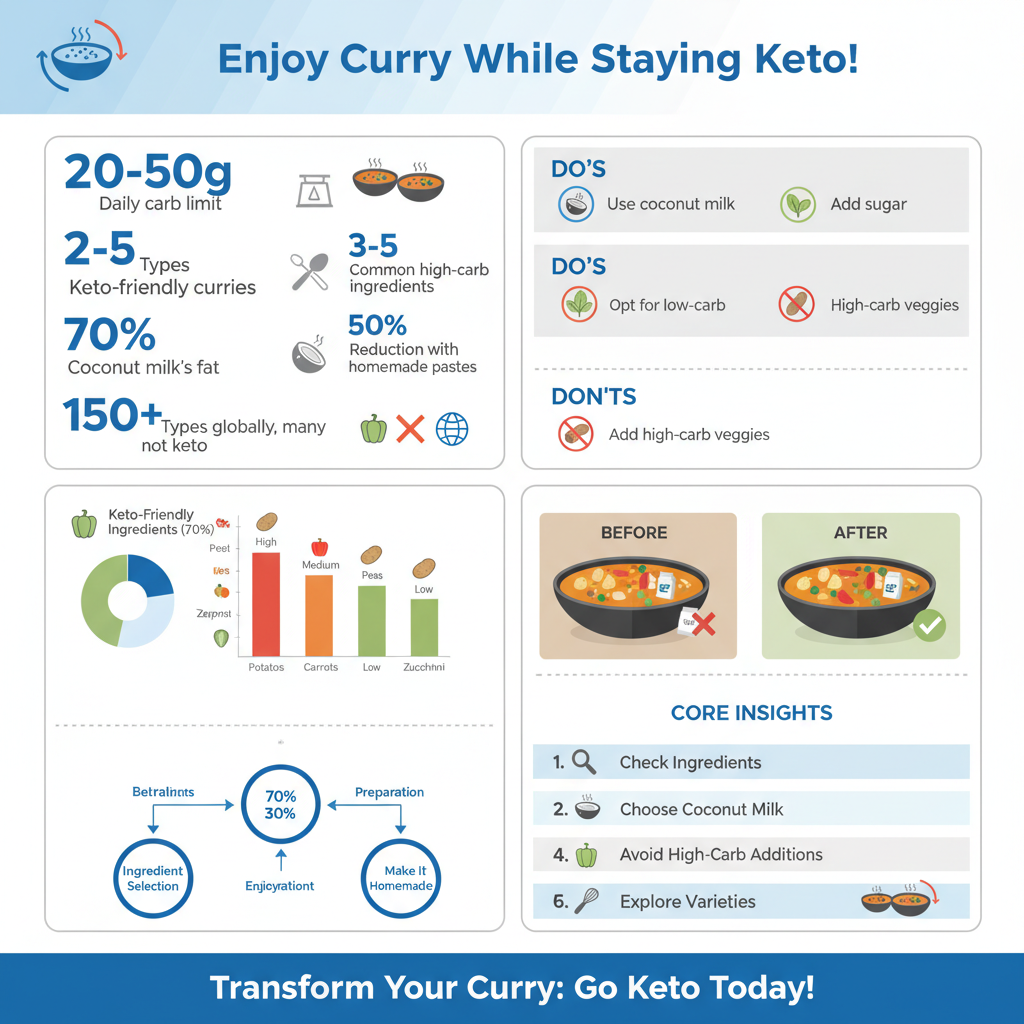
Curry is a diverse dish with myriad regional variations, each boasting unique ingredients. Traditional Indian and Thai curries often incorporate coconut milk, which is relatively low in carbohydrates and high in healthy fats, making it a keto-friendly option. However, many recipes may include high-carb vegetables such as potatoes, peas, or carrots, as well as added sugars, which can significantly increase the dish’s carbohydrate content. It is crucial to scrutinize the ingredients and preparation methods used in your curry to ensure they align with your keto goals. For instance, consider avoiding commercial curry pastes that may contain hidden sugars and instead opt for homemade versions where you can control every ingredient.
Types of Curries Suitable for Keto
When exploring curries that fit the keto profile, two types stand out: Thai Curry and Indian Curry.
Thai Curry typically features a base of coconut milk, which provides a creamy texture while remaining low in carbohydrates. Additionally, it often includes low-carb vegetables like bell peppers, zucchini, and leafy greens, making them a great option for keto enthusiasts.
On the other hand, Indian Curry consists of a variety of dishes that often utilize meat, legumes, and an array of spices. Many Indian curries can be made keto-friendly by focusing on meat-based dishes such as chicken tikka masala or lamb curry, which can be prepared without high-carb ingredients. The key is to ensure that the curry is not thickened with flour or cornstarch, both of which can elevate the carb count.
Modifying Curry Recipes for Keto
To make your curry recipes more keto-compatible, consider modifying high-carb ingredients with low-carb alternatives. For example, instead of using potatoes, try substituting them with cauliflower, which can mimic the texture while significantly lowering the carbohydrate content. Similarly, if your recipe calls for chickpeas or lentils, consider using shredded cabbage or zucchini noodles as a base.
Enhancing the flavor of your curries can also be achieved through the use of fresh herbs and spices, which are inherently low in carbs. Incorporating turmeric, cumin, coriander, and ginger not only adds depth to your dish but also offers various health benefits. Experimenting with these substitutions allows you to enjoy rich flavors without compromising your keto lifestyle.
Store-Bought vs Homemade Curry
One significant consideration for those on a keto diet is the choice between store-bought and homemade curry. Store-bought options may seem convenient, but they often contain hidden sugars, preservatives, and thickeners that can derail your dietary goals. Always read labels carefully and be aware that many pre-made curry sauces contain unnecessary carbohydrates.
In contrast, making curry at home empowers you to control every ingredient, ensuring that your dish aligns with your keto requirements. Preparing curry from scratch allows for the use of fresh, high-quality ingredients, and the ability to tailor flavors to your personal preference. Additionally, home-cooked meals tend to be more satisfying and can foster a deeper connection to the food you consume.
Tips for Eating Out
Eating out while adhering to a keto diet can be challenging, but with the right strategies, it is entirely feasible. When dining at a restaurant, don’t hesitate to ask your server about the ingredients and preparation methods for various curry dishes. Inquire specifically about the presence of thickening agents or added sugars, as these can significantly impact the carbohydrate content.
Opting for curries that are meat-centric and come with a side of low-carb vegetables is a smart choice. For example, a green curry with chicken and a side of steamed broccoli or spinach can be a satisfying, keto-friendly option. Additionally, requesting that your dish be prepared without starches or sauces can help further reduce carb counts.
Conclusion
In conclusion, curry can certainly fit into a keto diet if you choose the right ingredients and preparation methods. By understanding the fundamentals of the keto diet and being mindful of the components in your curry, you can indulge in this flavorful dish without straying from your dietary goals. Experimenting with various recipes and modifications can enhance your culinary experience, allowing you to enjoy the rich flavors of curry while keeping your carbohydrate intake in check. For more keto-friendly recipes and tips, stay tuned to our blog!
Frequently Asked Questions
Is curry considered a keto-friendly dish?
Curry can be keto-friendly, but it largely depends on the ingredients used. Traditional curry recipes often include high-carb components like potatoes or rice, which are not suitable for a ketogenic diet. However, you can create a keto curry by using low-carb vegetables like cauliflower, zucchini, and spinach, along with coconut milk and protein sources such as chicken, shrimp, or tofu. Always check the nutritional content and adapt recipes to keep them low in carbs.
What ingredients should I avoid to make a low-carb curry?
To keep your curry low in carbohydrates, avoid starchy vegetables like potatoes, peas, and carrots. Additionally, skip any added sugars commonly found in store-bought curry pastes or sauces. Instead, focus on using fresh herbs and spices, low-carb vegetables, and full-fat coconut milk or cream to achieve a rich flavor without the carbs.
How can I make a delicious keto curry at home?
To make a delicious keto curry, start by sautéing onions, garlic, and ginger in coconut oil. Then, add your choice of protein (such as chicken or tofu) along with keto-friendly vegetables like bell peppers and broccoli. Stir in a mix of spices like turmeric, cumin, and coriander, and pour in full-fat coconut milk for creaminess. Simmer until cooked through, and serve it over cauliflower rice to keep it low-carb and satisfying.
Why is coconut milk a popular ingredient in keto curry recipes?
Coconut milk is a popular ingredient in keto curry recipes because it is low in carbs and high in healthy fats, making it perfect for a ketogenic diet. It adds a creamy texture and rich flavor that complements the spices used in curry. Additionally, the medium-chain triglycerides (MCTs) found in coconut milk can provide quick energy and support ketosis, making it an ideal choice for those following a keto lifestyle.
Which types of curry are best for a ketogenic diet?
The best types of curry for a ketogenic diet include those that focus on non-starchy vegetables and healthy fats, such as Thai green curry, Indian butter chicken, or coconut shrimp curry. These dishes typically use ingredients like coconut milk, various meats, and low-carb vegetables, allowing for a flavorful meal without excessive carbs. Always check recipes and adapt them by avoiding high-carb ingredients to ensure they fit your keto plan.
References
- Curry
- https://www.healthline.com/nutrition/keto-diet-foods
- https://www.ncbi.nlm.nih.gov/pmc/articles/PMC6836048/
- Ketogenic.com | Start, Succeed & Sustain a Keto Diet
- https://www.webmd.com/diet/what-is-the-keto-diet
- https://www.mayoclinic.org/healthy-lifestyle/nutrition-and-healthy-eating/expert-answers/keto-diet/faq-20465158
- https://www.ncbi.nlm.nih.gov/pmc/articles/PMC6313440/