

Creatine is generally considered keto-friendly, as it contains no carbohydrates and does not interfere with ketosis. This makes it an appealing option for those following a ketogenic diet who are looking to enhance their athletic performance, muscle mass, and recovery. In this article, we’ll explore how creatine fits into a ketogenic diet, its benefits, potential concerns, and how to incorporate it effectively.
Understanding Creatine and Its Benefits

Creatine is a naturally occurring compound found in small amounts in certain foods and synthesized by the body, primarily in the kidneys and liver. It plays a crucial role in energy production, particularly during high-intensity exercises. By replenishing adenosine triphosphate (ATP) stores, creatine allows for extended bouts of exertion and improved performance in activities such as weightlifting and sprinting.
The benefits of creatine are well-documented. Numerous studies have shown that creatine supplementation can lead to significant improvements in exercise performance, including increased strength, power, and muscle endurance. Additionally, creatine has been found to promote muscle hypertrophy, helping individuals gain lean muscle mass. Beyond physical performance, creatine can enhance recovery by reducing muscle soreness and inflammation post-exercise, allowing for quicker returns to training.
How Creatine Fits into a Keto Diet
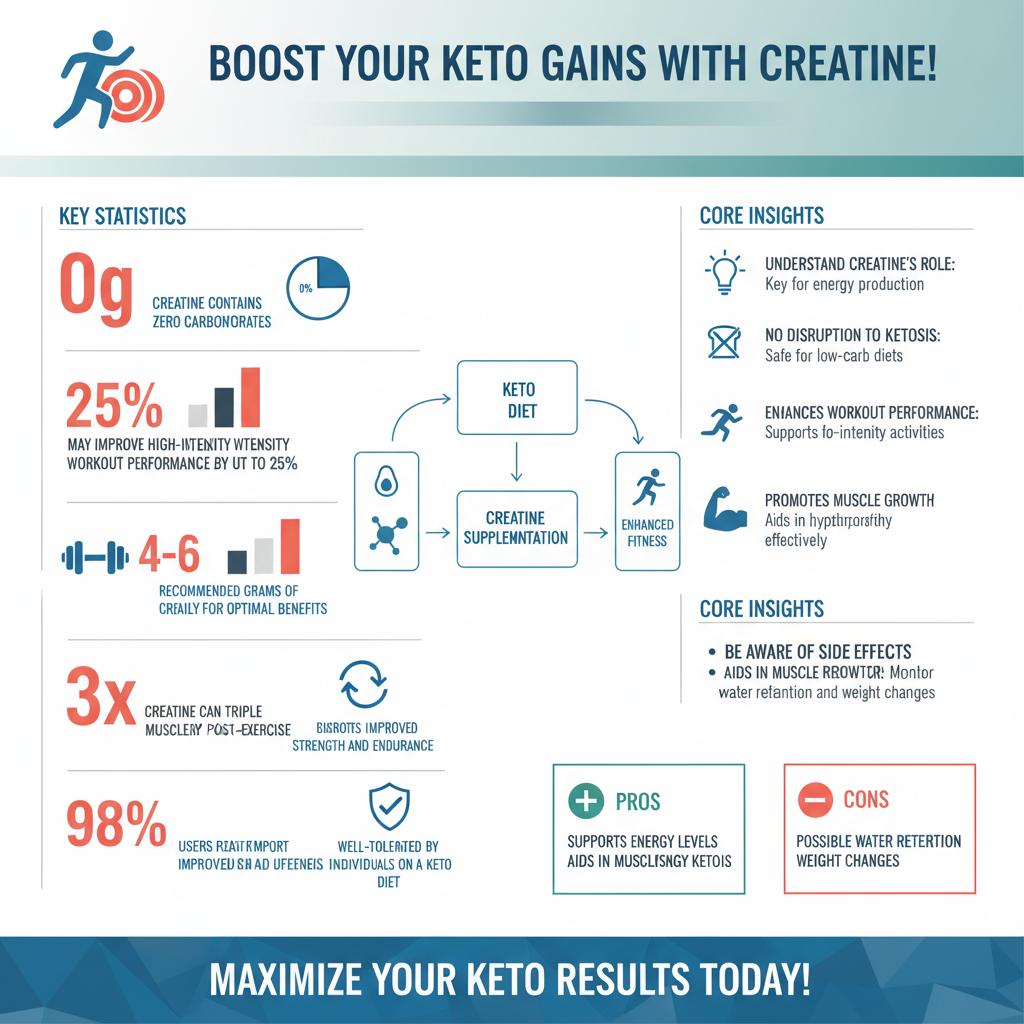

When considering dietary choices on a ketogenic diet, it is essential to focus on the macronutrient composition of foods and supplements. Creatine is an excellent fit for a keto diet because it does not contain carbohydrates or sugars. This means it can be consumed without disrupting ketosis, the metabolic state where the body burns fat for fuel instead of carbohydrates.
In fact, creatine can be particularly beneficial for those on a ketogenic diet. As many keto dieters experience limitations in carbohydrate intake, they may find a decrease in their ability to perform high-intensity workouts. Supplementing with creatine can help counteract this by providing the necessary energy to sustain performance during such workouts, aiding in maintaining overall fitness levels while adhering to a low-carb lifestyle.
Potential Concerns with Creatine on Keto
While creatine is generally safe and effective, there are potential concerns that users should be aware of, particularly when on a ketogenic diet. One of the most commonly reported side effects of creatine supplementation is water retention. Creatine draws water into muscle cells, which can lead to an increase in body weight and potentially alter body composition measurements. For individuals closely monitoring their weight, particularly those on a ketogenic diet, this may be a source of frustration.
Moreover, it is essential to monitor how your body responds to creatine while in ketosis. Some individuals may experience gastrointestinal discomfort or cramping when starting creatine supplementation, particularly during the loading phase. It’s advisable to start with a lower dose and gradually increase it to assess tolerance.
Recommended Dosage and Timing
When incorporating creatine into your routine, understanding the correct dosage and timing is crucial for maximizing its benefits. A common strategy is to begin with a loading phase, which involves taking around 20 grams of creatine per day for 5-7 days, divided into four doses. This allows for saturation of the muscles with creatine. Following this phase, a maintenance dose of 3-5 grams per day is typically recommended to keep muscle creatine levels elevated.
Timing can also play a role in the effectiveness of creatine supplementation. While some studies suggest that taking creatine post-workout is ideal for recovery and muscle repair, others indicate that pre-workout consumption can enhance performance. Ultimately, the best approach may depend on individual preferences and how your body responds, so experimentation may be necessary to determine the optimal timing that works for you.
Sources of Creatine
Creatine can be obtained from both dietary sources and supplements. Natural sources include red meat and fish, which contain creatine in varying amounts. For example, beef and salmon are particularly rich in creatine. However, many individuals, especially those following a vegetarian or vegan diet, may find it challenging to consume sufficient creatine through food alone, making supplementation a more practical option.
The most researched and widely used form of creatine is creatine monohydrate. This form has been shown to be effective in enhancing athletic performance and is relatively inexpensive. Other forms, such as creatine ethyl ester or buffered creatine, are also available, but they may not offer significant advantages over monohydrate. If considering supplementation, it’s advisable to select high-quality products that are third-party tested for purity and efficacy.
Combining Creatine with Other Supplements
Creatine can be safely combined with various other supplements to enhance overall fitness goals. For instance, pairing creatine with electrolytes can help maintain hydration and support muscle function, particularly important during strenuous workouts. Additionally, branching amino acids (BCAAs) or essential amino acids (EAAs) can be taken alongside creatine to further promote muscle recovery and reduce soreness.
Protein supplements, such as whey or plant-based protein powders, can also complement creatine use, providing the necessary building blocks for muscle repair and growth. However, as with any supplementation regimen, it is crucial to consult with a healthcare professional or a registered dietitian before adding new supplements to ensure they align with your specific health needs and dietary goals.
Frequently Asked Questions
Many individuals have questions regarding the use of creatine in conjunction with a ketogenic diet. One common query is whether creatine supplementation has any long-term effects on kidney health. Research indicates that creatine is safe for healthy individuals when taken at recommended doses. However, those with pre-existing kidney issues should exercise caution and consult a healthcare provider.
Another frequent concern is whether creatine will kick someone out of ketosis. Given that creatine has no carbohydrates, it will not interfere with ketosis when consumed as directed. Additionally, misconceptions surrounding creatine causing excessive weight gain often stem from water retention rather than true fat gain, which is an important distinction for those monitoring their body composition.
Summarizing the main points, creatine is a keto-friendly supplement that can enhance workout performance and support muscle maintenance. It is crucial to consider proper dosing, timing, and potential side effects while integrating creatine into a ketogenic lifestyle. If you’re considering adding it to your diet, start with a low dose and adjust based on your body’s response. Always consult a healthcare provider for personalized advice to ensure safe and effective use.
Frequently Asked Questions
Is creatine keto-friendly for those following a low-carb diet?
Yes, creatine is considered keto-friendly as it contains no carbohydrates, making it suitable for individuals adhering to a ketogenic diet. Since creatine primarily supports muscle energy and performance, it can enhance workouts without interfering with ketosis, allowing you to maintain low carb intake while still benefiting from its performance-enhancing properties.
How does creatine affect ketosis while on a ketogenic diet?
Creatine does not affect ketosis directly because it does not contain any sugars or carbohydrates that could disrupt the state of ketosis. However, some users may experience water retention when taking creatine, which can temporarily affect weight loss results. It’s important to monitor how your body responds and adjust your intake if necessary, but overall, creatine can be a valuable supplement for maintaining exercise performance on a keto diet.
What are the benefits of taking creatine while on a ketogenic diet?
Taking creatine while on a ketogenic diet can provide several benefits, including improved strength, enhanced muscle recovery, and increased energy during high-intensity workouts. Creatine helps replenish ATP (adenosine triphosphate), your muscles’ primary energy source, which can be particularly beneficial for those engaging in resistance training or high-intensity interval training while in ketosis. This can help you maintain or even build muscle mass despite the calorie restrictions of a keto diet.
Which type of creatine is best for someone on a ketogenic diet?
The most popular and researched form of creatine is creatine monohydrate, and it is generally the best option for individuals on a ketogenic diet. It is effective, affordable, and well-tolerated by most users. Other forms like creatine ethyl ester or buffered creatine may also be considered, but they often come with a higher price tag and limited evidence of superior benefits over monohydrate.
Can I take creatine and still remain in ketosis?
Yes, you can take creatine and still remain in ketosis, as it does not contain carbs that would kick you out of this metabolic state. However, it’s essential to ensure that your overall dietary intake aligns with your keto goals, focusing on maintaining low carbohydrate consumption while adequately hydrating and considering any potential weight fluctuations due to creatine’s water retention effects.
References
- Creatine
- https://www.ncbi.nlm.nih.gov/pmc/articles/PMC5922782/
- https://www.healthline.com/nutrition/creatine-keto
- Bodybuilding Workout App | Online Personal Trainer – Bodybuilding.com
- https://www.ncbi.nlm.nih.gov/pmc/articles/PMC5922703/
- https://www.sciencedirect.com/science/article/pii/S2212267218300059