

Coconut sugar is not considered keto-friendly due to its relatively high carbohydrate content, which can hinder ketosis. While it is often marketed as a healthier alternative to traditional sugar, its impact on blood sugar levels makes it less suitable for those following a ketogenic diet. In this article, we will explore the nutritional profile of coconut sugar, its effect on blood sugar levels, and viable alternatives for individuals committed to maintaining a keto lifestyle.
Understanding Coconut Sugar

Coconut sugar is derived from the sap of coconut palm trees, making it a natural sweetener that has gained popularity in recent years. It is often touted as a healthier alternative to refined sugar because it undergoes minimal processing and retains some nutrients from the coconut plant. Coconut sugar contains small amounts of minerals such as potassium, magnesium, zinc, and iron, contributing to its appeal among health-conscious consumers. However, despite these nutrients, coconut sugar has a glycemic index (GI) that is relatively high—estimated between 54 and 69—making it comparable to regular table sugar.
The misconception that coconut sugar is a “superfood” can lead individuals to overlook its carbohydrate content. For those following a ketogenic diet, which typically limits daily carbohydrate intake to around 20-50 grams, even the moderate carbohydrate content in coconut sugar can pose a risk of exceeding these limits. As such, it is crucial to understand the implications of incorporating coconut sugar into a keto diet.
Nutritional Profile of Coconut Sugar

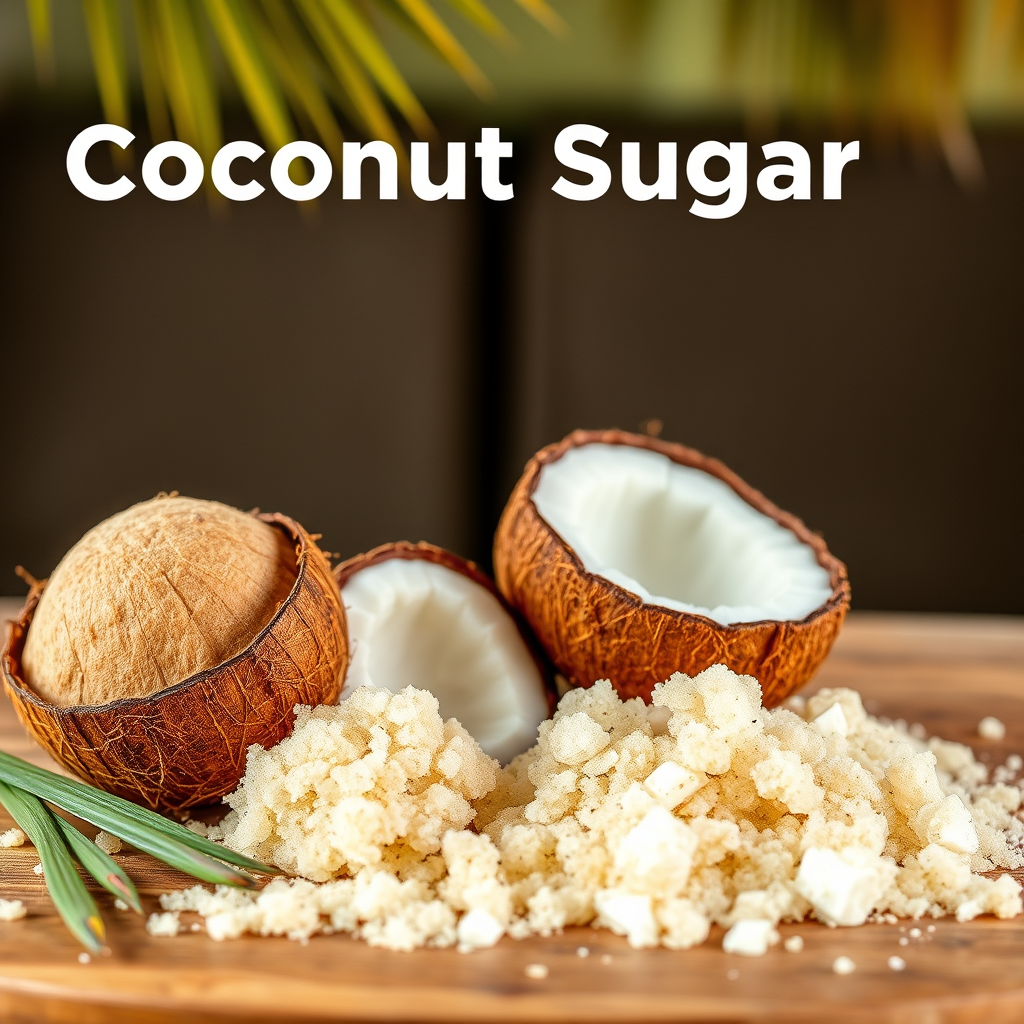
When examining the nutritional content of coconut sugar, one tablespoon contains approximately 15 grams of carbohydrates and 12 grams of sugar. Although it has a lower fructose content compared to standard table sugar, it is still high enough to significantly impact blood sugar levels. The carbohydrate composition is primarily sucrose, which is digested and metabolized by the body quickly.
For those on a ketogenic diet, the goal is to minimize carbohydrate intake to achieve and maintain ketosis, a metabolic state where the body relies on fat for fuel instead of carbohydrates. Given that just one tablespoon of coconut sugar can account for a substantial portion of the daily carb allowance on a keto diet, it becomes clear that its use is not advisable for strict keto adherents.
Impact on Ketosis
Consuming coconut sugar can disrupt the state of ketosis, which is essential for the effectiveness of a ketogenic lifestyle. When you consume carbohydrates, your body breaks them down into glucose, leading to an increase in blood sugar levels. This increase prompts the pancreas to release insulin, a hormone that helps regulate blood sugar levels but also signals the body to store fat rather than burn it. For individuals in ketosis, even small amounts of carbohydrates can lead to elevated glucose levels, potentially kicking them out of this desired metabolic state.
For example, if a person consuming a strict keto diet has a daily carb limit of 30 grams, just two tablespoons of coconut sugar would consume 30 grams of carbohydrates, leaving no room for other necessary nutrients or even fiber-rich vegetables. This scenario highlights the importance of understanding how seemingly small amounts of sugar can impact overall carbohydrate consumption and, ultimately, ketosis.
Alternatives to Coconut Sugar on Keto
Fortunately, there are numerous keto-friendly sweeteners available that can satisfy a sweet tooth without the associated risks of coconut sugar. Popular alternatives include:
– Stevia: A natural sweetener derived from the leaves of the Stevia plant, stevia is calorie-free and has no impact on blood sugar levels, making it an excellent choice for those on a ketogenic diet.
– Erythritol: This sugar alcohol contains almost no calories and does not spike blood sugar or insulin levels. Its sweetness is comparable to sugar, and it can be used in baking and cooking.
– Monk Fruit: Monk fruit extract is another natural sweetener that is calorie-free and does not affect blood sugar. It is often used in various food products marketed to keto dieters.
These alternatives provide the sweetness that many people crave while keeping carbohydrate intake to a minimum, thus supporting the goals of a ketogenic diet. When shopping for sweeteners, it’s essential to read labels carefully, as some products may contain hidden carbohydrates or fillers that could disrupt ketosis.
Incorporating Sweeteners in a Keto Diet
When incorporating sweeteners into a ketogenic diet, it is crucial to be discerning about what is consumed. Reading labels carefully is essential, as many commercially available sweeteners contain additional ingredients that can contribute to hidden carbohydrates. Additionally, focusing on whole foods and natural sweeteners that align with your dietary goals can help maintain ketosis effectively.
Consider using sweeteners in moderation, particularly when adjusting to a keto lifestyle. It can be beneficial to experiment with different types of sweeteners to find what best suits individual tastes while also being mindful of how they affect personal blood sugar levels. Some individuals may find that certain sweeteners can trigger cravings or digestive issues, so monitoring one’s response is essential.
Expert Opinions on Coconut Sugar and Keto
Nutritionists and dietitians often emphasize the importance of adhering to low-carbohydrate options when following a ketogenic diet. Many experts recommend avoiding coconut sugar altogether due to its high carbohydrate content and potential to disrupt ketosis. They highlight that while coconut sugar may offer some nutritional benefits over processed sugars, it pales compared to the advantages of keto-friendly sweeteners.
Moreover, health professionals advocate for a personalized approach to sweetener choices based on individual metabolic responses. What works for one person may not work for another, and understanding how your body reacts to different sweeteners can inform better dietary decisions. Consulting with a healthcare provider or nutritionist can provide tailored insights and recommendations, particularly for those with specific health goals or conditions.
In summary, coconut sugar is not a suitable sweetener for individuals following a ketogenic diet due to its high carbohydrate content, which can interfere with achieving and maintaining ketosis. While it does have some nutritional benefits, there are far more appropriate alternatives available that align with keto principles. By exploring low-carb options, individuals can satisfy their sweet cravings without compromising their dietary objectives, ensuring a successful and sustainable keto journey.
Frequently Asked Questions
Is coconut sugar keto friendly for my diet?
Coconut sugar is not typically considered keto friendly due to its carbohydrate content. It contains about 12 grams of carbohydrates and 9 grams of sugar per tablespoon, which can significantly impact your daily carb limit on a ketogenic diet. To stay in ketosis, it’s best to use low-carb sweeteners like stevia or erythritol instead.
What are the nutritional differences between coconut sugar and other sweeteners?
Coconut sugar contains trace amounts of nutrients like iron, zinc, and potassium, which is a benefit over refined sugars. However, it still has a high glycemic index, meaning it can raise blood sugar levels, unlike low-calorie sweeteners such as monk fruit or stevia, which have minimal impact on blood glucose. If you’re following a keto diet, it’s essential to consider these differences when choosing a sweetener.
How does coconut sugar affect ketosis and blood sugar levels?
Coconut sugar has a glycemic index of around 54, which can cause a moderate spike in blood sugar levels. For those following a strict keto diet, maintaining stable blood sugar levels is crucial for staying in ketosis. Therefore, using coconut sugar can potentially disrupt your metabolic state, making it less suitable for keto dieters compared to alternatives that have little to no impact on blood glucose.
What is the best sugar alternative for a keto diet?
The best sugar alternatives for a keto diet include stevia, erythritol, and monk fruit. These sweeteners are low in carbohydrates and calories, making them ideal for those looking to satisfy their sweet tooth without affecting their ketosis. Each has its own unique flavor profile and sweetness level, so you may want to experiment to find the one that best suits your taste preferences.
Why do some people consider coconut sugar a healthier option despite its carb content?
Many people consider coconut sugar a healthier option because it is less processed than traditional white sugar and retains some nutrients and antioxidants. Additionally, it has a lower glycemic index than regular sugar, which means it may cause a slower rise in blood sugar levels. However, for those on a keto diet, the carbohydrate content remains a significant drawback, and it’s essential to weigh these factors when making dietary choices.
References
- https://www.healthline.com/nutrition/coconut-sugar-keto
- https://www.medicalnewstoday.com/articles/coconut-sugar
- https://www.ncbi.nlm.nih.gov/pmc/articles/PMC6184791/
- https://www.cdc.gov/healthyweight/healthy_eating/sweets.html
- https://www.webmd.com/diet/what-is-coconut-sugar
- https://www.verywellfit.com/coconut-sugar-nutrition-facts-5180679
- https://www.nutrition.gov/topics/nutrition-101/sweeteners
- https://www.sciencedirect.com/science/article/pii/S2352914820300752