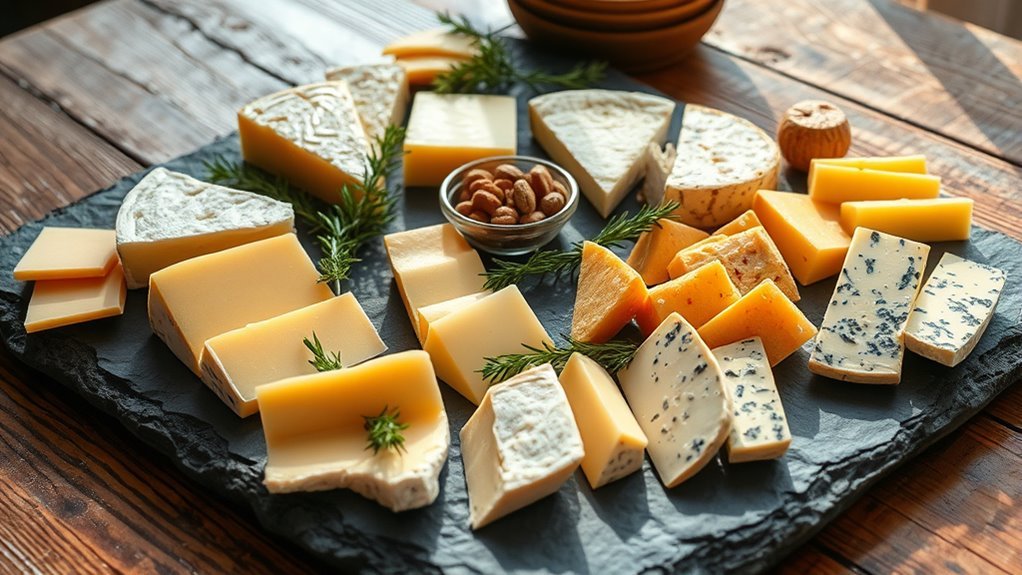

Yes, cheese is keto-friendly! It’s low in carbohydrates and high in healthy fats, making it a great option for your keto diet. Cheese also provides essential nutrients like calcium and protein, and there are many varieties to choose from. Just remember to enjoy it in moderation to avoid excess calories. You can enhance your meals with delicious cheese pairings or snacks that align with your goals. There’s so much more to discover about incorporating cheese into your keto lifestyle.
Understanding the Keto Diet and Its Macronutrient Goals
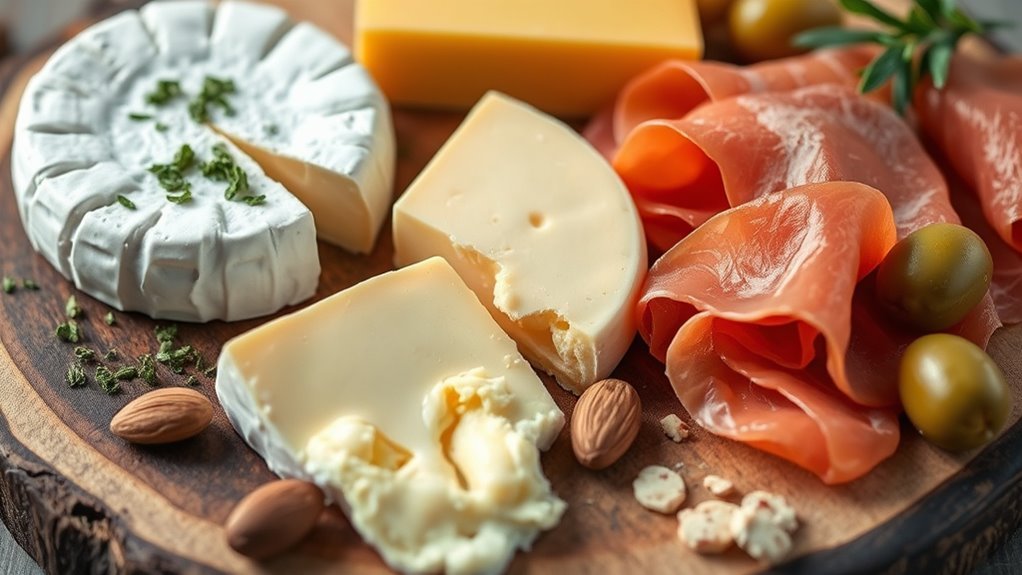
When you immerse yourself in the keto diet, it’s essential to grasp its macronutrient goals, as these dictate how your body will fuel itself. The keto basics revolve around a high-fat, moderate-protein, and very low-carbohydrate intake. Typically, you’ll aim for around 70-75% of your calories from healthy fats, about 20-25% from protein, and only 5-10% from carbs. This approach forces your body into ketosis, where it burns fat for energy instead of carbohydrates. While diet restrictions may seem limiting, they actually provide the freedom to explore a variety of delicious high-fat foods. Understanding these goals helps you make informed choices, ensuring you stay on track while enjoying the benefits of the keto lifestyle.
The Nutritional Profile of Cheese
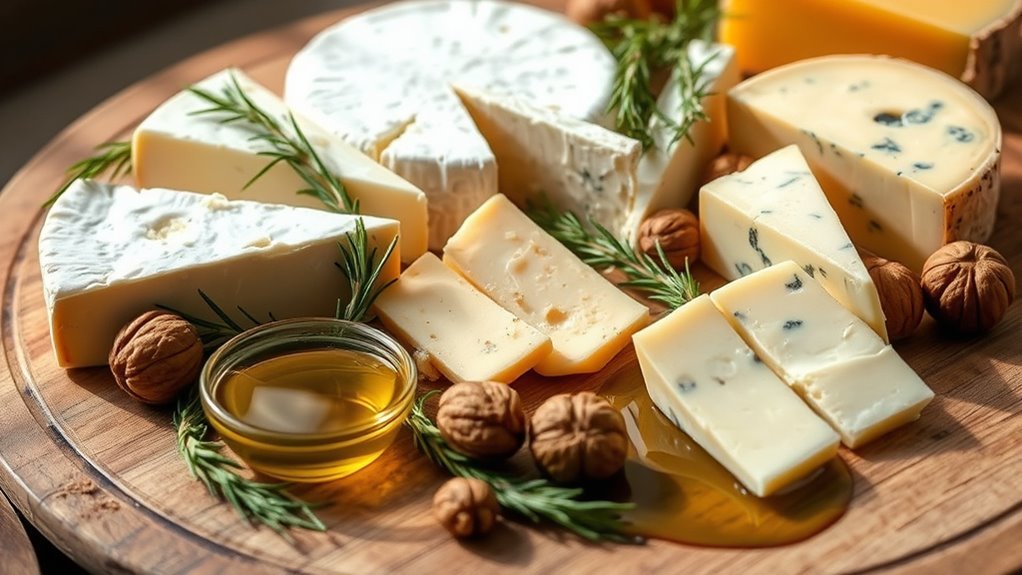
When considering cheese on a keto diet, it’s important to understand its nutritional profile. Cheese typically offers a high fat content with varying amounts of protein and very low carbohydrates, making it a suitable choice for your macronutrient needs. Additionally, it provides essential vitamins and minerals, which can support overall health while you follow this dietary approach.
Macronutrient Breakdown
Cheese is a popular choice among those following a ketogenic diet, primarily due to its favorable macronutrient profile. Most cheese varieties are low in carbohydrates and high in fat, making them highly keto-compatible. For instance, hard cheeses like Parmesan and Cheddar typically contain around 1 gram of carbs per ounce, while providing a substantial amount of protein and healthy fats. Soft cheeses like Brie and Cream Cheese also fit nicely within your macro goals, offering similar benefits. This balance allows you to enjoy flavorful additions to meals without straying from your ketogenic intentions. With so many options available, you can easily incorporate cheese into your diet while maintaining your desired freedom and flexibility.
Vitamins and Minerals
A variety of essential vitamins and minerals make cheese not just a delicious option but also a nutrient-dense one. Cheese is an excellent source of calcium, which supports strong bones and teeth, and vitamin B12, important for nerve function and energy production. These nutrients enhance nutrient absorption in your body, promoting overall health.
Moreover, cheese offers other vitamins like A and D, which are critical for immune function and skin health. While cheese shouldn’t be your only vitamin source, it can complement a well-rounded diet. By incorporating different types of cheese, you can enjoy these nutritional benefits while adhering to your keto lifestyle. Just remember to balance your intake with other nutrient-rich foods for ideal health.
Best Types of Cheese for a Keto Diet
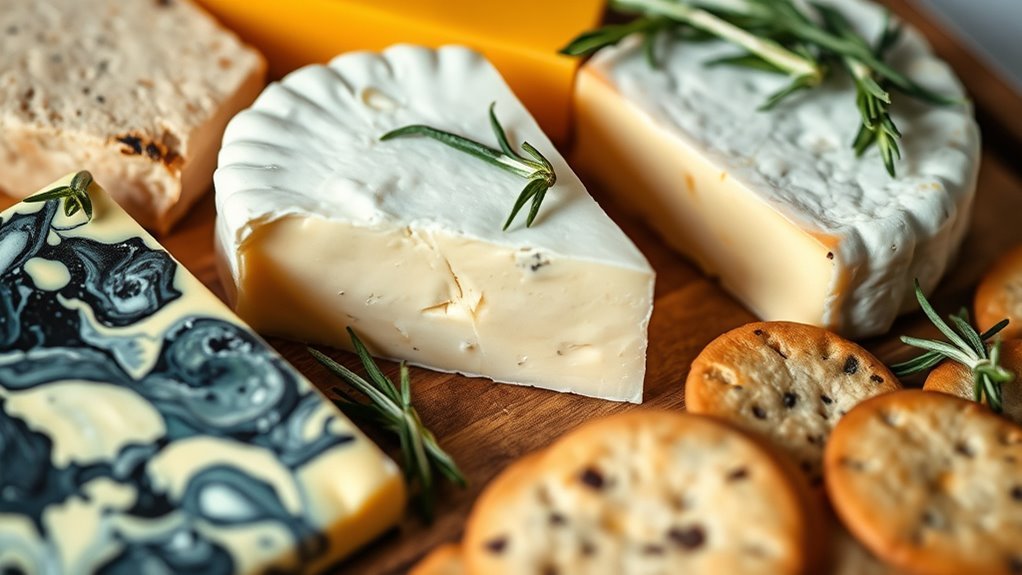
While you’re maneuvering through the keto diet, selecting the right types of cheese can enhance your meal plans without compromising your low-carb goals. Opt for cheese varieties like cheddar, mozzarella, cream cheese, and goat cheese, which are low in carbs and high in healthy fats. These cheeses not only fit perfectly into your keto lifestyle but also offer a rich flavor profile. For delicious cheese pairings, consider adding nuts or low-carb fruits like berries. Remember, moderation is key, as even keto-friendly cheeses can contribute to your overall calorie intake. By making informed choices about cheese, you can enjoy satisfying meals while staying aligned with your keto objectives, giving you the freedom to explore diverse flavors.
How to Incorporate Cheese Into Your Meals
Incorporating cheese into your meals can be both enjoyable and beneficial for your keto journey, as it adds flavor and texture without considerably increasing your carb intake. Start with cheese pairings—try sharp cheddar with olives or creamy brie with nuts. For meal ideas, consider cheesy casseroles or zoodles topped with a rich cheese sauce. Cheese snacks, like string cheese or cheese crisps, make great low-carb options between meals. You can also experiment with cheese spreads on keto-friendly crackers. If you’re looking for recipe substitutions, use ricotta in place of pasta or sprinkle feta over salads as cheese toppings. The versatility of cheese makes it easy to enhance your dishes while staying aligned with your keto goals.
Portion Control: How Much Cheese Can You Have?
How much cheese can you enjoy while staying within your keto limits? Portion control is key to maintaining your carb intake while savoring cheese. Here are some guidelines for cheese servings:
Portion control is essential for enjoying cheese on a keto diet while keeping carb intake in check.
- Hard cheeses (like cheddar or parmesan): Aim for 1 ounce, roughly 7 grams of carbs.
- Soft cheeses (like brie or cream cheese): Stick to 1-2 ounces, usually around 1-2 grams of carbs.
- Processed cheeses (like American cheese): Limit to 1 slice, which can have 2-4 grams of carbs.
- Feta or goat cheese: Enjoy up to 1 ounce, typically 1-2 grams of carbs.
Balancing your portion sizes guarantees you can indulge in cheese without exceeding your keto goals. Enjoy your cheese wisely!
Potential Health Benefits of Cheese on Keto
When you’re on a keto diet, cheese can offer notable health benefits due to its nutrient density. Packed with essential vitamins and minerals, it also provides a source of healthy fats that can support your overall well-being. Incorporating cheese mindfully into your meals might enhance your nutritional intake while helping you maintain ketosis.
Nutrient Density Benefits
Although cheese often gets a bad rap due to its fat content, it can offer significant nutrient density benefits, particularly for those following a keto diet. Many cheese varieties are rich in essential nutrients, which can enhance your overall health. Here are some key benefits:
- Calcium: Supports bone health and muscle function.
- Protein: Aids in muscle repair and growth, important for an active lifestyle.
- Vitamins: Provides B vitamins like B12, vital for energy and nutrient absorption.
- Healthy Fats: Contributes to satiety and supports ketosis.
Incorporating different cheese varieties into your diet can help you reap these benefits while enjoying flavorful meals. Embracing cheese can definitely enhance your keto journey!
Supports Healthy Fats
While many dieters shy away from high-fat foods, cheese can actually be a valuable source of healthy fats in a keto diet. Different cheese varieties, such as cheddar, gouda, and brie, are rich in fatty acids that support your body’s energy needs while keeping you in ketosis. These healthy fats are essential for hormone production and nutrient absorption, promoting overall wellness. Incorporating cheese into your meals can also help you feel fuller longer, reducing cravings for unhealthy snacks. Plus, with so many cheese options available, you can enjoy flavor without sacrificing your dietary goals. Just remember to choose full-fat options to maximize the benefits and savor the freedom that comes with a keto lifestyle.
Common Misconceptions About Cheese and Keto
Many people mistakenly believe that cheese is off-limits on a keto diet, but this isn’t necessarily true. In fact, cheese can be a delicious and nutritious part of your meal plan. Here are some common cheese myths that lead to keto confusion:
- All cheese is high in carbs – Many cheeses are low in carbs, making them keto-friendly.
- You can’t eat too much cheese – Moderation is key; overindulgence can lead to excess calories.
- Cheese causes weight gain – When consumed in moderation, cheese can support weight loss by keeping you full.
- All cheeses are created equal – Different cheeses have varying nutritional profiles; choose wisely!
Understanding these myths can help you enjoy cheese without guilt on your keto journey.
1. Is cheese allowed on a keto diet?
Yes, cheese is allowed on a keto diet. Cheese is low in carbohydrates and high in fat, making it an excellent choice for those following a ketogenic lifestyle. However, it’s important to choose full-fat cheese varieties and consume them in moderation to stay within your daily macronutrient limits.
2. What types of cheese are best for a keto diet?
The best types of cheese for a keto diet include cheddar, mozzarella, cream cheese, goat cheese, and blue cheese. These cheeses are low in carbs and high in fat, making them suitable for maintaining ketosis. It’s advisable to avoid processed cheeses that may contain added sugars and fillers.
3. How much cheese can I eat on a keto diet?
The amount of cheese you can eat on a keto diet varies based on your individual macronutrient goals. Generally, incorporating 1 to 2 ounces of cheese per serving is reasonable. Always consider the total carbohydrate intake from all food sources to ensure you remain within your daily limit, typically around 20-50 grams of carbs per day for ketosis.
4. Can cheese stall weight loss on a keto diet?
While cheese can be part of a keto diet, overconsumption may stall weight loss for some individuals. Cheese is calorie-dense, and eating large quantities can lead to exceeding your daily caloric intake. It’s essential to monitor portion sizes and consider how cheese fits into your overall diet to avoid unintended weight gain.
5. Are there any health concerns with eating cheese on a keto diet?
While cheese can be beneficial on a keto diet due to its nutrients and fats, some people may experience lactose intolerance or sensitivities. Additionally, excessive cheese consumption may lead to higher sodium intake or contribute to unhealthy cholesterol levels. It’s advisable to choose high-quality, minimally processed cheeses and to balance your diet with a variety of foods.
References
- https://www.healthline.com/nutrition/keto-diet-food-list#cheese
- https://www.ncbi.nlm.nih.gov/pmc/articles/PMC6068533/
- https://www.wisewell.com/blog/keto-diet-cheese/
- https://www.webmd.com/diet/what-is-the-keto-diet
- https://www.cdc.gov/healthyweight/assessing/bmi/adult_bmi/english_bmi_calculator/interactive_bmi_calculator.html
- https://www.frontiersin.org/articles/10.3389/fnut.2020.00040/full