Cassava isn’t keto-friendly due to its high carbohydrate content, which is about 38 grams per 100 grams. Eating cassava can knock you out of ketosis, causing spikes in blood sugar and hindering fat-burning. If you’re following a ketogenic diet, consider alternatives like cauliflower or zucchini, which align better with your macro needs. Exploring these options can help you maintain your goals while enjoying meals that satisfy your cravings. More insights on food choices can be beneficial for your journey.
Understanding the Ketogenic Diet
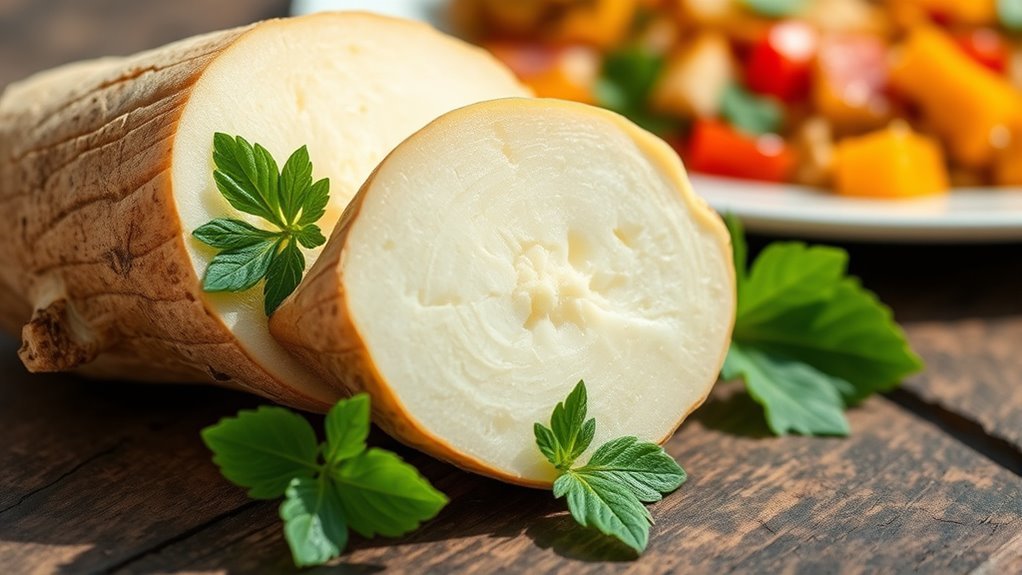
Understanding the ketogenic diet is essential if you’re considering its benefits and restrictions. At its core, the ketogenic principles focus on considerably reducing carbohydrate intake while increasing fats. This macro balance shifts your body into a state of ketosis, where it burns fat for fuel instead of glucose. To maintain this state, you’ll need to monitor your daily macronutrient ratios—typically around 70% fats, 25% protein, and only 5% carbohydrates. This allows for greater freedom in food choices that fit within these parameters. While the diet promotes weight loss and improved energy levels, it requires commitment and informed decisions. By grasping these fundamental aspects, you can better navigate the ketogenic lifestyle and its potential advantages for your health. Additionally, understanding macronutrient ratios is crucial for successfully maintaining ketosis and achieving your health goals.
Nutritional Profile of Cassava
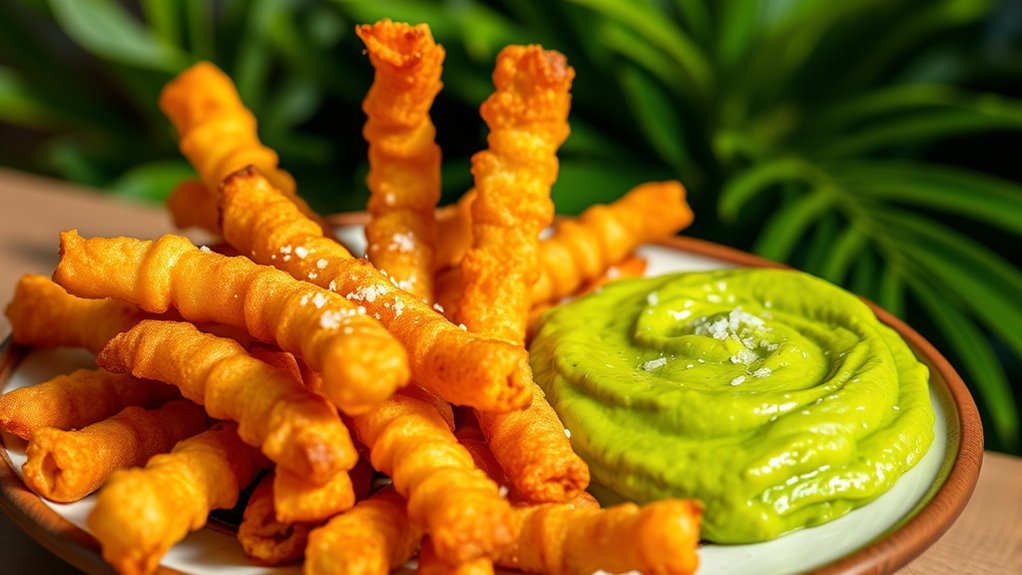
When considering cassava’s nutritional profile, you’ll find it primarily consists of carbohydrates, making it a significant source of energy. In addition to its carbohydrate content, cassava also provides dietary fiber and essential nutrients that can contribute to your overall health. Comparing cassava to other foods helps highlight its unique qualities and potential role in your diet.
Carbohydrate Content Overview
Cassava, a starchy root vegetable, is primarily known for its high carbohydrate content, which greatly influences its nutritional profile. It contains about 38 grams of carbohydrates per 100 grams, making it a significant source of energy. If you’re considering cassava preparation, be aware that cooking methods can affect its carbohydrate availability. Boiling, steaming, or baking can retain more nutrients, while frying may increase calorie density. Despite its nutritious aspects, the high carb content means it’s not typically aligned with a keto diet, which emphasizes low carbohydrate intake. Understanding the ketogenic diet is essential for making informed dietary choices, so if you’re watching your carb consumption, it might be best to enjoy cassava in moderation or explore alternatives that offer a lower carbohydrate count.
Fiber and Nutrients
A closer look at cassava reveals that it’s not only high in carbohydrates but also offers a variety of nutrients and fiber. While its carbohydrate content is significant, cassava also provides some fiber benefits, promoting digestive health and helping to regulate blood sugar levels. Each serving contains essential vitamins and minerals, contributing to its overall nutrient density. Despite being primarily a starchy food, cassava can still play a role in a balanced diet when consumed in moderation. The fiber found in cassava aids in satiety, which can be beneficial if you’re managing your weight. So, while you might need to limit your cassava intake on a keto diet, its nutrient profile and fiber benefits shouldn’t be overlooked entirely.
Comparison to Other Foods
Compared to other starchy foods, cassava has a distinctive nutritional profile that emphasizes its high carbohydrate content. With approximately 38 grams of carbs per 100 grams, it’s considerably higher than popular keto staples like cauliflower or zucchini, which offer lower carb options. While cassava provides energy, it lacks the protein and fat content found in other keto-friendly foods. If you’re looking for cassava alternatives, consider using cauliflower rice or shirataki noodles, which align better with a ketogenic lifestyle. Although cassava can contribute to a balanced diet, its high carb load makes it less suitable for those strictly adhering to keto principles. Monitoring portions is essential for maintaining ketosis and ensuring that your carb intake aligns with your dietary goals. Always weigh your options carefully to maintain your desired macronutrient balance.
Carbohydrate Content in Cassava
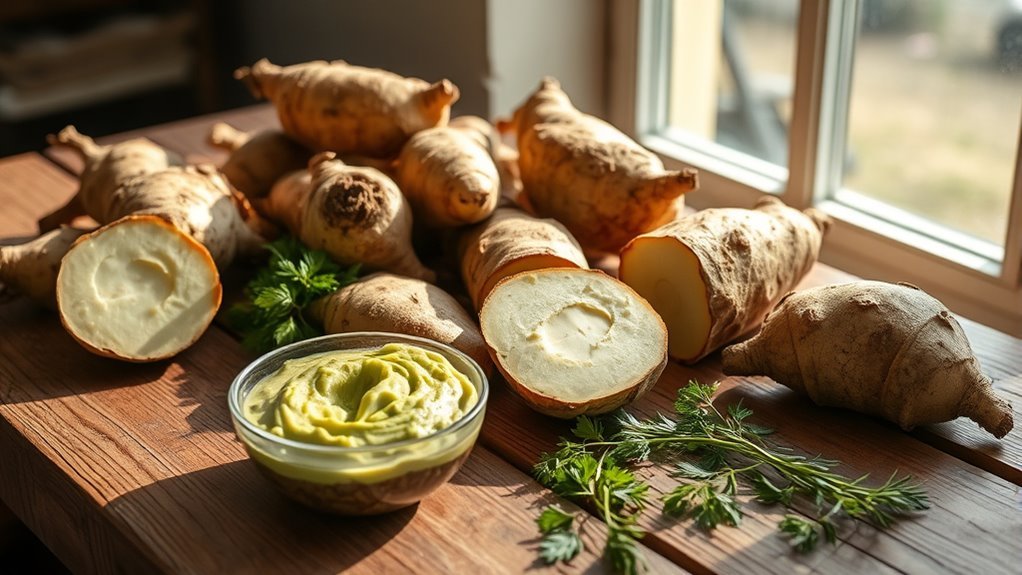
When considering cassava, it’s essential to look at its carbohydrate content, which is quite high compared to other low-carb foods. A typical serving of cassava can contain around 38 grams of carbohydrates, making it a significant contributor to your daily intake. Understanding this can help you assess its impact on achieving and maintaining ketosis.
Nutritional Breakdown of Cassava
Cassava, a starchy root vegetable, is primarily known for its high carbohydrate content, making it a staple in many diets around the world. Different cassava varieties exist, each boasting unique nutritional profiles. On average, 100 grams of raw cassava contains around 38 grams of carbohydrates, primarily starch. When you cook cassava—whether boiling, frying, or baking—the carbohydrate content remains significant, but cooking methods can affect digestibility. For instance, boiling can reduce certain antinutrients, making it easier for your body to absorb the nutrients. While cassava is versatile and delicious, it is crucial to weigh its high carb content against your dietary goals, especially if you’re considering a low-carb or keto lifestyle.
Carb Count Comparison
With around 38 grams of carbohydrates per 100 grams, cassava stands out as a high-carb food option, especially when stacked against other vegetables. When you compare cassava varieties, you’ll notice that they consistently contain more carbohydrates than many popular low-carb options. For instance, cauliflower has just 5 grams of carbs per 100 grams, making it a preferred choice for those on keto. Other keto alternatives like zucchini and spinach also fall notably lower on the carb scale. If you’re aiming to maintain ketosis, integrating cassava into your diet can be challenging. As a result, if you’re seeking freedom in your dietary choices, consider substituting cassava with these lower-carb vegetables to better align with your keto lifestyle. Additionally, the macronutrient ratio of a ketogenic diet emphasizes low-carb intake, making alternatives essential for success.
Impact on Ketosis
Since maintaining ketosis relies heavily on limiting carbohydrate intake, the high carb content in cassava can considerably disrupt your efforts. With approximately 38 grams of carbohydrates per 100 grams, consuming cassava can lead to significant ketosis impact. When you eat foods high in carbs, your body shifts back to glucose as its primary fuel source, which undermines the metabolic effects you aim for on a ketogenic diet. This means that even small portions of cassava can knock you out of ketosis, making it difficult to reap the benefits of fat-burning. If you’re committed to the keto lifestyle, it’s best to steer clear of cassava and focus on low-carb alternatives that support your goals without derailing your progress.
How Cassava Affects Ketosis
While many people turn to the ketogenic diet for its potential weight loss and health benefits, incorporating cassava can complicate your journey into ketosis. Cassava is high in carbohydrates, which can greatly hinder your ketosis impact. By consuming cassava, you may find it challenging to maintain the low-carb intake necessary to stay in ketosis. Its starch content can spike your blood sugar levels, prompting insulin release and pushing your body out of fat-burning mode. If you’re serious about adhering to a ketogenic lifestyle, you might want to explore cassava alternatives like cauliflower or zucchini. These options can provide similar textures in recipes without derailing your progress, allowing you the freedom to enjoy meals while still prioritizing your health goals. Additionally, focusing on low-carb options is essential for maintaining ketosis and achieving your dietary objectives.
Alternatives to Cassava for Keto Dieters
What can you use instead of cassava while sticking to a keto diet? Consider incorporating low carb vegetables like cauliflower, zucchini, and broccoli. These options are versatile and can be used in various dishes, from stir-fries to casseroles. If you’re looking for keto-friendly grains, explore alternatives such as almond flour or coconut flour. Both provide a low-carb base for baking and cooking, allowing you to enjoy familiar textures without derailing your diet. Additionally, you can try konjac noodles, which are extremely low in carbs and can substitute traditional pasta. Embracing these alternatives not only keeps your meals exciting but also helps you maintain a state of ketosis while enjoying a wide variety of flavors. Remember, low-carb alternatives support adherence to dietary goals without sacrificing taste.
Incorporating Low-Carb Foods Into Your Diet
Incorporating low-carb foods into your diet can greatly enhance your health and support weight loss goals. By focusing on nutrient-dense options, you’ll find it easier to maintain energy levels while enjoying delicious meals. Here are some strategies to get you started:
- Plan meals around leafy greens, lean proteins, and healthy fats.
- Stock up on keto snacks like nuts, cheese, and avocados for quick energy.
- Use meal planning to keep your grocery list focused and avoid impulse buys.
- Experiment with low-carb recipes that satisfy cravings without sacrificing flavor.
Health Benefits and Risks of Cassava
Although cassava is a popular source of carbohydrates in many diets, it brings both health benefits and risks that are important to evaluate. On the positive side, cassava is gluten-free and provides a good amount of dietary fiber, which aids digestion and promotes satiety. It’s also rich in vitamins C and B, supporting immune function and energy metabolism. However, there are potential risks to assess. Raw cassava contains cyanogenic glycosides, which can be toxic if not properly prepared. Additionally, its high carbohydrate content can spike blood sugar levels, making it less suitable for those on low-carb diets like keto. Understanding carb limits allows you to make informed choices regarding cassava in your diet.
Making Informed Food Choices on Keto
When considering a ketogenic diet, it’s important to evaluate food choices based on their macronutrient profiles. By prioritizing low-carb, high-fat foods, you can maintain ketosis and enjoy the freedom of varied meals. Meal planning and portion control are key to success on this journey.
Evaluating food choices by macronutrient profiles is essential for maintaining ketosis on a ketogenic diet.
- Focus on whole, unprocessed foods
- Incorporate healthy fats like avocados and olive oil
- Choose low-carb vegetables, such as spinach and zucchini
- Monitor protein intake, aiming for moderate levels
Frequently Asked Questions
Can I Eat Cassava While Intermittent Fasting on Keto?
While intermittent fasting, it’s best to avoid cassava if you’re following keto guidelines. Cassava is high in carbohydrates, which can disrupt ketosis and hinder your fasting goals. Instead, focus on low-carb vegetables and healthy fats during your eating windows. Staying within your carb limits is essential for maintaining ketosis and maximizing the benefits of intermittent fasting. Remember, you can enjoy plenty of delicious foods that align with both keto and fasting principles!
What Are the Best Cooking Methods for Cassava on a Keto Diet?
When it comes to cooking cassava, you’ve got a few tricks up your sleeve. Boiling cassava is a quick way to soften it, making it perfect for salads or side dishes. Baking cassava, on the other hand, brings out its natural sweetness and creates a crispy texture that’s hard to resist. Both methods keep the flavors intact, giving you a delicious, satisfying option while you enjoy your keto journey without feeling restricted.
Is Cassava Gluten-Free and Safe for Celiac Disease?
Yes, cassava is gluten-free and safe for those with celiac disease. It’s a great alternative to traditional gluten-containing grains, offering nutritional benefits like fiber and vitamin C. If you’re looking for celiac-safe alternatives, cassava flour can be used in various recipes, providing a similar texture to wheat flour. Just make certain you’re using it properly in your meals to enjoy its advantages while maintaining a gluten-free diet.
How Does Cassava Compare to Other Root Vegetables for Keto?
When weighing your root vegetable alternatives, cassava’s carbohydrate content can be quite concerning for keto. Compared to other root veggies like turnips or radishes, cassava nutrition shows a higher starch level, which can kick you out of ketosis. If you’re seeking to stay low-carb, consider options like cauliflower or zucchini instead. They offer fewer carbs while still providing nutritious benefits, allowing you to enjoy your meals without sacrificing your keto goals.
Can Cassava Be Used in Keto-Friendly Desserts?
Yes, you can use cassava in keto-friendly desserts, but with caution. While cassava provides a gluten-free base, it’s high in carbs, so balance is key. Consider using it in moderation, or explore keto alternatives like almond flour or coconut flour for lower-carb options. By blending cassava with these alternatives, you can create delicious, satisfying desserts that align with your keto lifestyle while still enjoying the flavors you love.
References
- https://en.wikipedia.org/wiki/Cassava
- https://ods.od.nih.gov/factsheets/Cassava-HealthProfessional/
- https://www.ncbi.nlm.nih.gov/pmc/articles/PMC4823507/
- https://www.healthline.com/nutrition/cassava
- https://www.bbcgoodfood.com/howto/guide/what-cassava
- https://www.verywellfit.com/cassava-nutrition-facts-4119603