

Cassava flour isn’t keto-friendly due to its high carbohydrate content, containing about 80 grams of carbs per 100 grams. This makes it challenging to fit into a ketogenic diet, where daily carb limits are typically between 20-50 grams. While it offers benefits like being gluten-free and versatile in cooking, those on a low-carb diet should consider alternatives like almond or coconut flour instead. Discovering more about these options can help you maintain your dietary goals.
Nutritional Profile of Cassava Flour
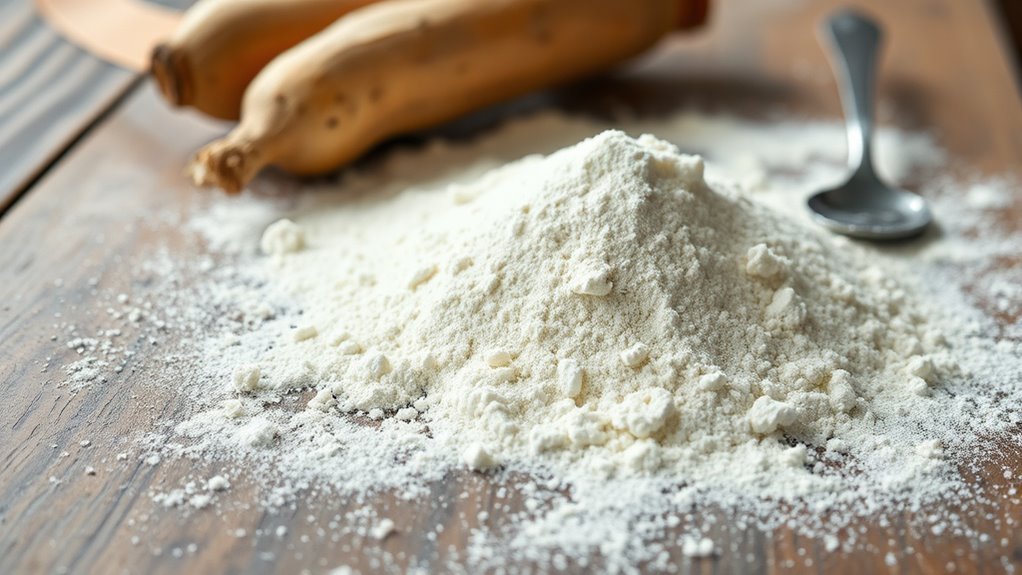
When evaluating the nutritional profile of cassava flour, it’s important to recognize its distinct characteristics. Cassava flour boasts a notable nutritional value, primarily derived from its rich carbohydrate content. However, its fiber content is relatively low compared to other gluten-free alternatives like almond or coconut flour. This can impact your digestive health, especially if you’re seeking to increase your fiber intake for greater satiety or improved gut function. While cassava flour serves as an excellent source of energy, its limited fiber might not align with everyone’s dietary goals. Understanding these aspects allows you to make informed choices, ensuring your culinary endeavors align with your health aspirations and lifestyle, fostering a sense of freedom in your dietary journey.
Carbohydrate Content and Keto Compatibility
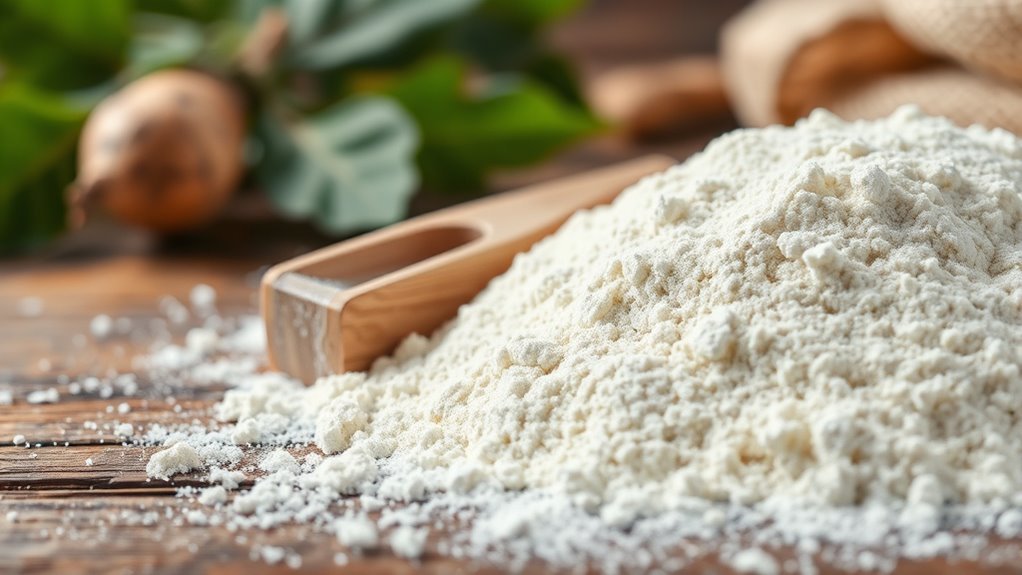
How does cassava flour stack up against the ketogenic diet’s strict carbohydrate guidelines? When you’re carb counting on keto, it’s vital to know that cassava flour contains around 80 grams of carbs per 100 grams. This high carbohydrate content makes it challenging to fit within keto restrictions, which typically limit daily carb intake to about 20-50 grams. If you’re aiming for a low-carb lifestyle, using cassava flour could quickly derail your progress, as even a small serving can consume a significant portion of your daily allowance. For those seeking to maintain ketosis, alternative low-carb flours like almond or coconut flour might be better options. Ultimately, understanding the carb content of cassava flour is important for making informed dietary choices.
Health Benefits of Cassava Flour

Although cassava flour isn’t suitable for a ketogenic diet, it does offer several health benefits that can be valuable in other dietary contexts. One major advantage is its gluten-free benefits, making it an excellent option for those with gluten sensitivities or celiac disease. Additionally, cassava flour boasts a high fiber content, which can aid in digestion and promote satiety.
Here’s a breakdown of some health benefits:
| Benefit | Description | Impact |
|---|---|---|
| Gluten-Free | Safe for those with gluten issues | Reduces inflammation |
| High Fiber Content | Supports digestive health | Enhances satiety |
| Rich in Vitamin C | Boosts immune function | Supports skin health |
| Low in Allergens | Hypoallergenic option | Suitable for many |
Incorporating cassava flour into your diet can provide these valuable advantages.
Alternatives to Cassava Flour on a Keto Diet
While cassava flour provides several health benefits, it isn’t a fit for those following a ketogenic diet due to its high carbohydrate content. Fortunately, there are excellent alternatives that can help you stay within your carb limits. Almond flour, for instance, is low in carbs and high in healthy fats, making it an ideal choice for baking and cooking. It also offers a pleasant nutty flavor. Coconut flour is another great option; it’s also low in carbs and high in fiber, which can aid digestion. Both almond and coconut flours can be used in a variety of recipes, allowing you to enjoy your favorite dishes without compromising your keto lifestyle. Embrace these alternatives for delicious, guilt-free meals! Additionally, almond flour’s nutritional profile makes it a preferred choice over traditional wheat flour, providing essential nutrients for dietary freedom.
How to Incorporate Cassava Flour in Your Meals
If you’re looking to incorporate cassava flour into your meals, it can be a versatile ingredient that adds texture and flavor to various dishes. Start with simple cassava recipes, like pancakes or bread, where you can easily substitute it for traditional flour. During meal prep, consider using cassava flour as a thickening agent for soups and sauces, enhancing both taste and consistency. You can also create gluten-free pasta or use it to coat proteins for frying, providing a crispy texture. Experimenting with cassava flour in your baking can yield delicious results, so don’t hesitate to try it in cookies or muffins. Embracing cassava flour can elevate your dishes while offering a gluten-free alternative that aligns with your dietary preferences.
Frequently Asked Questions
Can I Use Cassava Flour for Baking Bread on Keto?
You can use cassava flour for baking bread on keto, but it’s not the best choice. While it’s a gluten-free flour alternative, it’s high in carbs, which can hinder your keto goals. If you’re looking for keto baking options, consider almond or coconut flour instead. These alternatives are lower in carbs and can yield better results while keeping your carb count in check. Always check the nutritional content to stay aligned with keto principles.
Is Cassava Flour Gluten-Free?
Yes, cassava flour is gluten-free, making it a popular choice for those with gluten sensitivities. It offers several nutritional benefits, including being rich in carbohydrates and providing essential vitamins and minerals. In culinary uses, it’s versatile, working well in baking and thickening sauces. However, its high carb content means moderation is key if you’re watching your intake. Overall, it can be a great addition to gluten-free diets, offering both taste and texture.
How Does Cassava Flour Compare to Almond Flour?
Cassava flour and almond flour differ markedly in their nutritional profiles. Cassava flour is higher in carbohydrates, while almond flour offers more healthy fats and protein. When it comes to cooking methods, almond flour works well in baked goods, providing moisture and texture, whereas cassava flour mimics traditional flour, making it ideal for thickening and frying. If you’re seeking lower carbs, almond flour might be your best bet for keto-friendly recipes.
What Are the Origins of Cassava Flour?
Cassava flour’s origins are as rich as a treasure trove of culinary history. Derived from the cassava plant, native to South America, its flour production dates back centuries, as indigenous cultures utilized it for sustenance. The process involves peeling, soaking, and drying the cassava root, transforming it into a versatile ingredient. This flour not only nourishes but also empowers those seeking gluten-free options, making it a staple in various global cuisines.
Can Cassava Flour Cause Digestive Issues?
Yes, cassava flour can cause digestive issues for some individuals. Its high fiber content may lead to discomfort, especially for those with digestive sensitivity. While fiber is essential for gut health, too much can result in bloating or gas. If you’ve experienced digestive discomfort after consuming cassava flour, it’s wise to monitor your intake and consult a healthcare professional to determine what’s best for your body. Freedom in diet should come with awareness.
References
- https://www.healthline.com/nutrition/cassava-flour
- https://www.ncbi.nlm.nih.gov/pmc/articles/PMC6118226/
- https://www.cdc.gov/nutrition/index.html
- https://www.ncbi.nlm.nih.gov/pmc/articles/PMC6701761/
- https://www.sciencedirect.com/science/article/pii/S2352618119301164
- https://en.wikipedia.org/wiki/Cassava
- https://www.fs.usda.gov/wildflowers/ethnobotany/cassava.shtml