

Yes, carrots can be part of a ketogenic diet if consumed in moderation. They contain about 9 grams of carbohydrates per 100 grams, with a low glycemic index of 41, making them suitable for balanced carb intake. A medium carrot has roughly 6 grams of carbs, which is manageable within keto limits. To enjoy carrots on keto, consider mindful portion sizes and pair them with healthy fats. Interested in more tips to incorporate them into your diet?
Understanding Carbohydrates in Carrots

Although carrots are often praised for their health benefits, it is vital to understand their carbohydrate content, especially if you’re following a ketogenic diet. Carrots contain approximately 9 grams of carbohydrates per 100 grams, which can be a concern for those aiming to maintain a low-carb intake. Their glycemic index (GI) is relatively low, around 41, indicating that they have a minimal impact on blood sugar levels. However, it’s still essential to monitor portion sizes, as consuming large amounts can add up in carbs. If you want to enjoy carrots while staying in ketosis, consider incorporating them in moderation, focusing on balance with other low-carb vegetables. This way, you can enjoy the flavor and nutrients without compromising your dietary goals.
Nutritional Profile of Carrots

Carrots aren’t just about their carbohydrate content; they also boast a rich nutritional profile that can benefit your overall health. Packed with essential carrot vitamins like A, C, K, and several B vitamins, they support immune function, skin health, and vision. Carrot minerals such as potassium and manganese play significant roles in maintaining heart health and metabolic processes. Additionally, they contain antioxidants like beta-carotene, which may help reduce inflammation and promote overall wellness. With only 41 calories per 100 grams, carrots provide a nutrient-dense option for those looking to enhance their diet. Incorporating them can give you a satisfying crunch while fueling your body with essential nutrients that promote freedom and vitality in your lifestyle.
Carrots and the Ketogenic Diet
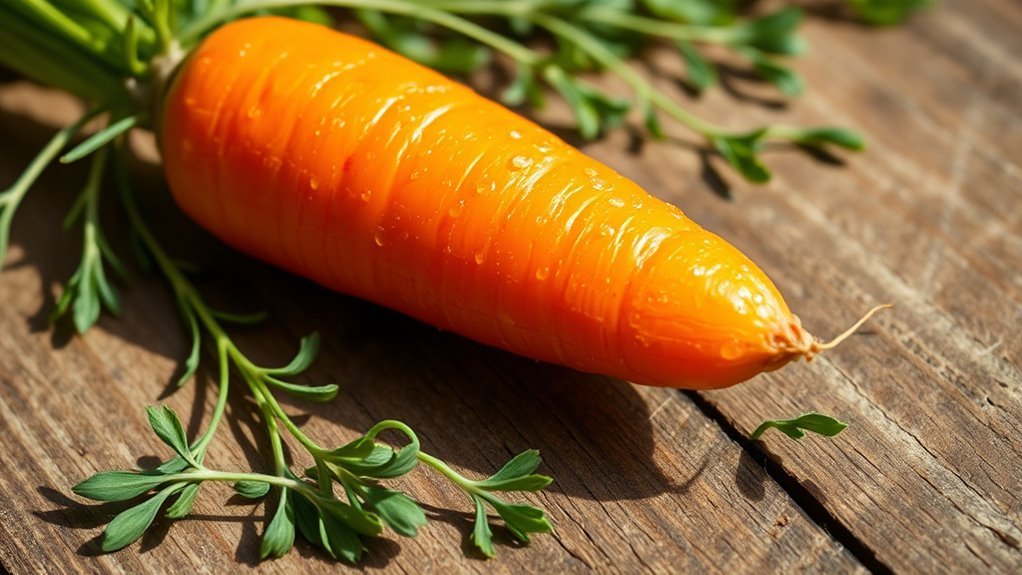
When considering a ketogenic diet, it is essential to evaluate the carbohydrate content of various vegetables, including carrots. While most carrot varieties contain more carbohydrates than some other low-carb vegetables, their nutritional benefits can still be appealing. A medium carrot has about 6 grams of carbs, which might fit into your daily carb limit if managed properly. The keto benefits of carrots include their high fiber content, which can aid digestion, and their rich supply of vitamins and antioxidants. If you’re looking to enjoy carrots while staying in ketosis, you might opt for smaller amounts or consider pairing them with higher-fat foods to balance your intake. Always assess your individual carb tolerance for the best results.
How to Incorporate Carrots on Keto
If you’re looking to incorporate carrots into your ketogenic diet, you’ll want to be mindful of portion sizes to keep your carbohydrate intake in check. Carrots can fit into your meal plan when enjoyed in moderation. Try incorporating them into carrot recipes like stir-fries or salads, where you can balance their carbs with healthy fats. You can also slice them into sticks for easy keto snacks paired with dips like guacamole or ranch dressing. Roasting carrots with olive oil and herbs adds flavor without overwhelming your carb count. Remember, a small serving can enhance your meals while still aligning with your goals. Embrace the versatility of carrots while staying within your keto framework for a satisfying diet experience.
Alternatives to Carrots for Low-Carb Diets
While carrots can be a tasty addition to a low-carb diet, there are several alternatives that can help you maintain your carbohydrate limits more easily. Cauliflower rice is a popular choice; it’s versatile and can be used in stir-fries or as a base for various dishes, offering a fraction of the carbs found in traditional rice. Zucchini noodles, or “zoodles,” are another excellent option. They can replace pasta in many recipes and provide a satisfying texture with much lower carb content. Both options are low in calories, nutrient-dense, and easy to prepare, allowing you the freedom to enjoy diverse meals without compromising your keto goals. By incorporating these alternatives, you can keep your meals exciting and your carb intake in check.
Final Thoughts on Carrots and Keto
Although carrots can fit into a keto diet in moderation, it is essential to be mindful of their carbohydrate content. While they offer numerous health benefits—including being rich in vitamins and antioxidants—carrots also have a notable amount of carbs. Their fiber content can aid digestion and promote a feeling of fullness, but you’ll want to track your intake carefully. If you’re aiming for a strict keto lifestyle, consider limiting your carrot consumption or opting for lower-carb vegetables. Ultimately, it’s about balance. Enjoying carrots occasionally can enhance your meals and provide essential nutrients, but be sure to prioritize your overall carb goals. Stay informed, and you can enjoy the versatility of carrots without derailing your keto journey.
-
1. Are carrots keto-friendly?
-
Carrots can be included in a ketogenic diet, but they should be consumed in moderation. While they are nutritious and provide essential vitamins and minerals, carrots are relatively higher in carbohydrates compared to other non-starchy vegetables. A medium-sized carrot contains approximately 6 grams of carbohydrates, which can add up if you consume them in large quantities. If you’re strictly following a keto diet, it’s best to limit your intake and opt for lower-carb vegetables such as spinach, kale, or zucchini.
-
2. How many carbs are in a serving of carrot?
-
A medium carrot (about 61 grams) contains around 6 grams of total carbohydrates, including about 1.5 grams of fiber. This means the net carbs are approximately 4.5 grams. If you’re tracking your carb intake on a keto diet, you’ll want to consider this when planning your meals. Remember that net carbs are calculated by subtracting fiber from the total carbohydrates.
-
3. Can I eat carrot juice on a keto diet?
-
Carrot juice is not typically recommended for a ketogenic diet due to its high carbohydrate content. A single cup of carrot juice can contain around 25 grams of carbohydrates, which is quite high for those aiming to stay under 20-50 grams of carbs per day on keto. It’s better to consume whole carrots in moderation or choose low-carb vegetable juices instead.
-
4. What are some low-carb alternatives to carrots?
-
If you’re looking for low-carb alternatives to carrots, consider vegetables like broccoli, cauliflower, spinach, zucchini, and bell peppers. These options have significantly lower carbohydrate counts and can be used in a variety of dishes while still providing essential nutrients and fiber.
-
5. Can I include carrots in keto recipes?
-
Yes, you can include carrots in keto recipes, but it’s important to balance them with other lower-carb ingredients. For instance, you might use shredded carrots in moderation as a topping for salads or incorporate them into soups. Just be mindful of portion sizes to ensure that you stay within your daily carb limits. Additionally, consider pairing carrots with high-fat ingredients such as avocado or nuts to help maintain your ketosis.
References
- https://www.healthline.com/nutrition/keto-diet-foods#vegetables
- https://www.ncbi.nlm.nih.gov/pmc/articles/PMC6470860/
- https://www.webmd.com/diet/obesity/what-is-a-ketogenic-diet
- https://www.verywellfit.com/what-is-the-ketogenic-diet-5113836
- https://www.nutrition.gov/topics/nutrition-101/dietary-guidelines-for-americans
- https://www.mayoclinic.org/healthy-lifestyle/nutrition-and-healthy-eating/expert-answers/keto-diet/faq-20462635
- https://www.hsph.harvard.edu/nutritionsource/keto-diet/