
Yes, canola oil can fit into a keto diet due to its low saturated fat content and versatility. It’s rich in monounsaturated fats and can be used for cooking and salad dressings. However, its high omega-6 fatty acid content raises concerns about inflammation if consumed excessively. Be mindful of portion sizes and balance it with healthier oils like olive or avocado oil. Explore more about its benefits, concerns, and how to use it effectively in your cooking.
Understanding the Keto Diet
When you start on the ketogenic (keto) diet, you’re fundamentally shifting your body’s primary energy source from carbohydrates to fats. This alteration can lead to several keto benefits, such as increased energy levels, enhanced mental clarity, and potential weight loss. However, it’s essential to understand the dietary restrictions that come with this lifestyle. You’ll need to limit your intake of high-carb foods—including grains, sugars, and certain fruits—while focusing on healthy fats, proteins, and low-carb vegetables. This shift not only promotes fat burning but also encourages your body to enter a state of ketosis, where it becomes more efficient at utilizing fat for fuel. Embracing these changes can offer a newfound sense of freedom in your dietary choices.
Nutritional Profile of Canola Oil
While many oils are available for cooking, canola oil stands out due to its unique nutritional profile. It’s lower in saturated fat compared to other oils, boasting a fatty acid composition rich in monounsaturated fats, which may support heart health. With about 120 calories per tablespoon, canola oil has a moderate caloric density, making it a suitable option for those watching their energy intake. Additionally, it contains omega-3 and omega-6 fatty acids, which are essential for various bodily functions. This balance of fats can provide flexibility in your cooking while still aligning with a health-conscious approach. Overall, canola oil offers a versatile choice for those looking to incorporate healthy fats into their diets.
The Role of Fats in a Keto Diet
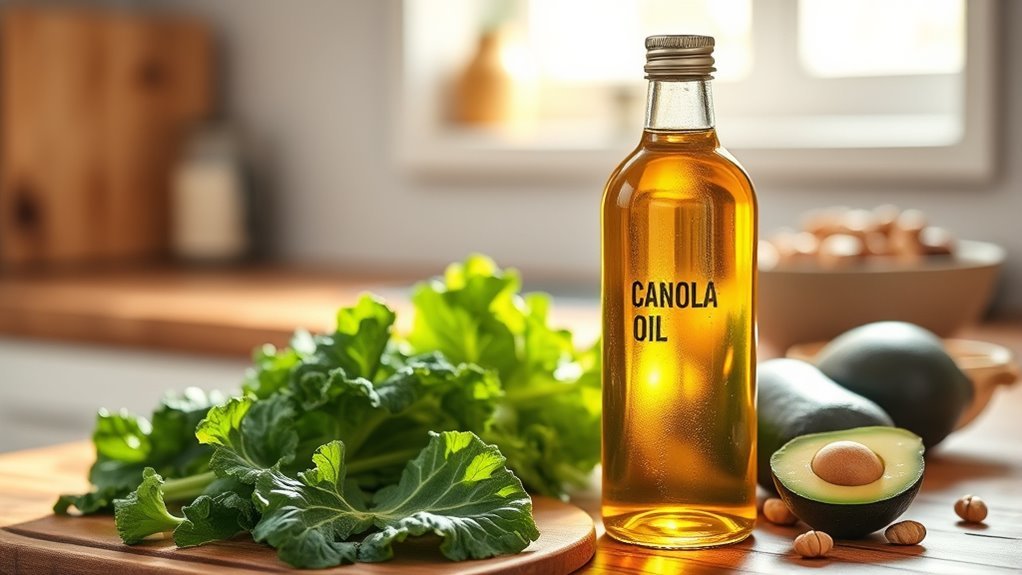
Fats play an essential role in a keto diet, as they serve as the primary source of energy while keeping carbohydrate intake low. Understanding different fat types helps you maintain dietary balance and optimize your keto journey. Here’s a quick overview:
| Fat Type | Sources |
|---|---|
| Saturated Fats | Coconut oil, butter |
| Monounsaturated | Olive oil, avocados |
| Polyunsaturated | Canola oil, nuts |
| Trans Fats | Processed foods (to avoid) |
| Omega-3 Fats | Fatty fish, flaxseeds |
Incorporating a variety of healthy fats can enhance your overall well-being while allowing you the freedom to enjoy your meals on a keto diet. Embrace the diversity of fats for the best results!
Potential Health Benefits of Canola Oil
Canola oil offers several potential health benefits that might interest you, especially if you’re focusing on heart health. It’s rich in omega-3 fatty acids and contains low levels of saturated fats, which can support cardiovascular function. Understanding these benefits can help you make informed choices about incorporating canola oil into your diet.
Heart Health Benefits
Although many people are cautious about the types of fats they consume, canola oil offers potential heart health benefits that are worth considering. Here are some reasons why it may be a good choice for your heart:
- Heart Disease Prevention: Canola oil can help reduce the risk of heart disease by promoting healthier arteries.
- Cholesterol Levels: Its unsaturated fats may improve cholesterol levels, lowering bad cholesterol (LDL) while raising good cholesterol (HDL).
- Cardiovascular Benefits: Regular use of canola oil can support overall cardiovascular health.
- Inflammation Reduction: It may help reduce inflammation, a key factor in heart disease.
Incorporating canola oil into your diet might just be a smart move for maintaining a healthy heart.
Omega-3 Fatty Acids
While many people associate healthy oils with omega-3 fatty acids, canola oil also offers a remarkable balance of these essential fats. It’s an excellent option if you’re looking to enhance your omega-3 intake without sacrificing flavor. Here’s a quick look at some omega-3 sources and their benefits:
| Omega-3 Sources | Omega-3 Benefits |
|---|---|
| Flaxseeds | Reduces inflammation |
| Chia seeds | Supports heart health |
| Walnuts | Enhances brain function |
| Fatty fish | Promotes healthy skin |
| Canola oil | Provides a balanced fat profile |
Including canola oil in your diet can help you enjoy these omega-3 benefits while supporting a ketogenic lifestyle. So, don’t hesitate to incorporate this versatile oil into your meals!
Low Saturated Fats
One of the standout features of canola oil is its low saturated fat content, which can be beneficial for heart health. This attribute contributes to its appeal, especially for those mindful of their health impacts. Here are some potential benefits of incorporating canola oil into your diet:
- Reduced cholesterol levels – Low saturated fats can help lower LDL cholesterol.
- Heart disease prevention – A diet low in saturated fats may decrease the risk of heart disease.
- Improved blood pressure – Replacing saturated fats with healthier options like canola oil can support better blood pressure regulation.
- Weight management – Lower saturated fat intake may assist in maintaining a healthy weight.
Choosing canola oil is a step toward a heart-healthy lifestyle, offering freedom in your dietary choices.
Concerns Surrounding Canola Oil
While canola oil is often praised for its health benefits, there are some concerns worth considering. One issue is its high omega-6 fatty acid content, which, when consumed in excess, may lead to an imbalance in your diet. Additionally, the processing methods used to create canola oil can raise questions about its overall healthfulness and impact on your body.
Omega-6 Fatty Acids
Although canola oil is often touted for its heart-healthy properties, its high omega-6 fatty acid content raises concerns among those following a ketogenic diet. Omega-6 fatty acids, while essential, can disrupt fatty acid balance when consumed in excess. Here are some points to take into account:
- Inflammation: High omega-6 intake may promote inflammation, which is counterproductive for those seeking ideal health.
- Keto Goals: A keto diet emphasizes low-carb, high-fat foods; canola oil’s omega-6 content could hinder your progress.
- Alternative Sources: Explore other omega-6 sources that might offer a better balance.
- Dietary Awareness: Understanding your overall fatty acid intake will help you make more informed choices.
Ultimately, moderation is key to achieving the right fatty acid balance in your diet.
Processing Methods Concerns
When considering canola oil, it’s essential to recognize the concerns surrounding its processing methods. Most canola oil undergoes industrial extraction methods, often using solvents like hexane, which can leave trace residues. While these processes are deemed safe by regulatory agencies, some people prefer oils with minimal processing for health reasons. Additionally, the refining processes can strip away beneficial nutrients and antioxidants, leading to concerns about nutritional quality. The high temperatures used during refining can also produce harmful compounds, which may not align with your health choices. If you’re looking for options that emphasize purity and minimal processing, exploring alternatives like cold-pressed oils might be worth considering. It’s all about finding what aligns best with your dietary goals.
Comparing Canola Oil to Other Cooking Oils
How does canola oil stack up against other popular cooking oils concerning keto-friendliness? When evaluating nutritional comparisons, it’s essential to look at how canola oil measures up against other oil alternatives. Here are some key points to keep in mind:
- Olive Oil: Rich in healthy fats, it’s often favored for its heart benefits and lower omega-6 content.
- Coconut Oil: High in medium-chain triglycerides (MCTs), making it a preferred choice for keto enthusiasts.
- Avocado Oil: Contains monounsaturated fats and has a high smoke point, suitable for various cooking methods.
- Vegetable Oil: Generally has a higher omega-6 ratio, which may not align with keto principles.
Ultimately, each oil has its place, but understanding their nutritional profiles helps you make informed choices.
How to Use Canola Oil in Keto Cooking
While many keto dieters may lean toward oils like coconut or olive oil, canola oil can still play a role in your cooking routine. It’s a versatile option, suitable for various keto recipes, from sautéing vegetables to dressing salads. When using canola oil, consider its neutral flavor profile, which won’t overpower your dishes, allowing other ingredients to shine. You can also use it for frying, as it has a high smoke point, making it ideal for various cooking techniques. Just be mindful of portion sizes to stay within your macro goals. Incorporating canola oil can provide you with flexibility in the kitchen, ensuring you enjoy your meals while adhering to your keto lifestyle.
Expert Opinions on Canola Oil
Although opinions on canola oil vary among nutrition experts, many agree that it’s a suitable option for those following a keto diet, particularly due to its favorable fatty acid profile. Here are some key points to evaluate regarding canola oil:
- Canola oil benefits: It’s low in saturated fats and high in heart-healthy monounsaturated fats, which can support cardiovascular health.
- Omega-3 fatty acids: Canola oil contains alpha-linolenic acid (ALA), beneficial for brain function.
- Canola oil risks: Some experts caution about high processing levels, which may diminish nutritional value.
- Allergies and sensitivities: A small number of people may experience reactions, so it’s wise to monitor your body’s response.
Making an Informed Decision on Canola Oil
When considering whether to incorporate canola oil into your keto diet, it’s essential to weigh both its benefits and potential drawbacks. Canola oil is versatile and can be used in various cooking techniques, from frying to salad dressings. It has a favorable fatty acid profile, which can align with keto principles. However, you should also be aware of potential health risks, such as its high levels of omega-6 fatty acids, which may contribute to inflammation if consumed excessively. Balancing your intake with healthier oils, like olive or avocado oil, can provide a more rounded approach. Ultimately, making an informed decision involves understanding how canola oil fits into your overall dietary goals and personal health considerations.
Frequently Asked Questions
Is Canola Oil Suitable for Vegan Keto Diets?
Absolutely, canola oil’s a suitable selection for vegan keto diets! With its light flavor and lipids, it offers a wonderful way to incorporate healthy fats. While canola oil’s extraction involves some processing, it’s a popular pick among plant-based eaters. Just remember, balance is key—pair it with other vegan alternatives to guarantee a diverse nutrient intake. By choosing canola, you can enjoy freedom in your culinary creations without compromising your dietary goals!
Can Canola Oil Impact Weight Loss on Keto?
Canola oil can impact weight loss on keto due to its caloric density and fat absorption properties. While it’s low in saturated fats and high in unsaturated fats, moderation is key. Excessive calorie intake, even from healthy fats, may hinder your weight loss efforts. Balancing your overall fat consumption with other nutrient-dense foods can help you stay on track. Remember, it’s about finding what works best for you in your keto journey.
What Is the Smoke Point of Canola Oil?
The smoke point of canola oil is around 400°F (204°C), making it suitable for various cooking methods like frying, sautéing, and baking. When you heat oil beyond its smoke point, it can break down, leading to harmful compounds and an unpleasant taste. For healthier cooking, consider using canola oil within its smoke point limit. This way, you can enjoy its benefits without compromising your dish’s flavor or your health.
Can Canola Oil Be Used in Salad Dressings?
Yes, you can use canola oil in salad dressings! It offers several benefits, like being low in saturated fat and high in omega-3 fatty acids. Plus, its mild flavor complements various salad dressing recipes. Just mix it with vinegar, herbs, or other ingredients for a tasty dressing. However, it’s essential to balance your oil choices, so consider incorporating other oils for diversity and additional nutrients in your meals. Enjoy your salads!
Is Canola Oil Safe for People With Allergies?
Canola oil is generally safe for most people, but if you have allergies, you should be cautious. Allergy reactions can occur, especially if you’re allergic to rapeseed, from which canola is derived. It’s wise to consult with a healthcare professional before using it. If you’re concerned, consider canola substitutes like olive oil or avocado oil. These alternatives can provide similar culinary benefits without the allergy risks. Always prioritize your health and safety!
Is canola oil keto-friendly?
Yes, canola oil is considered keto-friendly. It is low in carbohydrates and high in healthy fats, making it suitable for a ketogenic diet. In fact, canola oil contains about 14 grams of fat per tablespoon, with a very minimal amount of carbs, aligning with the macronutrient ratios of the keto lifestyle.
What are the health benefits of canola oil on a keto diet?
Canola oil is rich in omega-3 and omega-6 fatty acids, which can support heart health and reduce inflammation. When used in moderation within a ketogenic diet, canola oil can help provide essential fats needed for energy, support brain function, and maintain overall health while keeping carbohydrate intake low.
Are there any drawbacks to using canola oil on a keto diet?
While canola oil has its benefits, some individuals may prefer to avoid it due to its high omega-6 fatty acid content, which can contribute to inflammation if consumed in excess. Additionally, most canola oil is refined, which can strip away some nutrients. It’s essential to balance your fat sources and consider unrefined or cold-pressed oils for more health benefits.
How can I incorporate canola oil into my keto meals?
Canola oil can be used in various ways on a keto diet. It can be used for sautéing vegetables, as a base for salad dressings, or in marinades. Its neutral flavor makes it versatile for baking and cooking. Just be mindful of the quantity used, as fats should be balanced within your overall daily intake.
What are some alternatives to canola oil on a keto diet?
If you’re looking for alternatives to canola oil, consider using olive oil, coconut oil, avocado oil, or butter. These oils not only fit within the keto guidelines but also offer distinct flavors and additional health benefits. Each oil has a different smoke point and nutritional profile, so choose one that best fits your cooking needs and personal health goals.
References
- https://www.ncbi.nlm.nih.gov/pmc/articles/PMC6313445/
- https://www.healthline.com/nutrition/canola-oil
- https://www.webmd.com/diet/health-benefits-canola-oil
- https://www.verywellfit.com/what-is-canola-oil-5216530
- https://www.cdc.gov/nutrition/data-statistics/know-your-fats.html
- https://www.hsph.harvard.edu/nutritionsource/what-should-you-eat/
- https://www.unitedsoybean.org/soybean-oil/canola-oil-health-benefits/