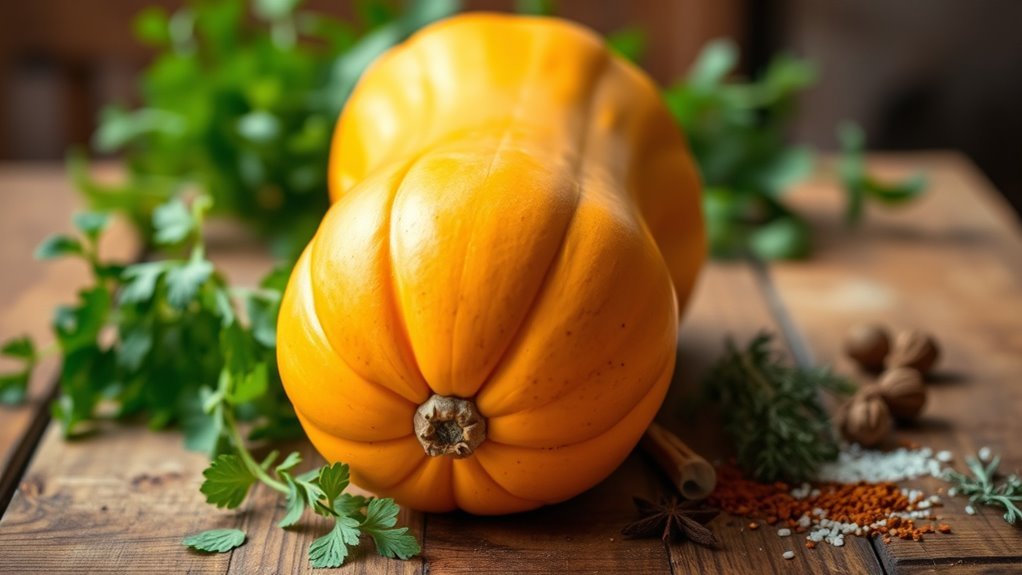

Butternut squash can be keto-friendly when consumed in moderation. It contains about 12 grams of carbohydrates per cup, so portion control is essential to stay within your carb limits. While it’s packed with vitamins A, C, and E, as well as antioxidants, the key is balancing its nutritional benefits with your dietary goals. Using small portions in soups, roasted dishes, or stuffed recipes can enhance your meals without derailing your keto journey. Discover more ways to enjoy it effectively.
Nutritional Profile of Butternut Squash
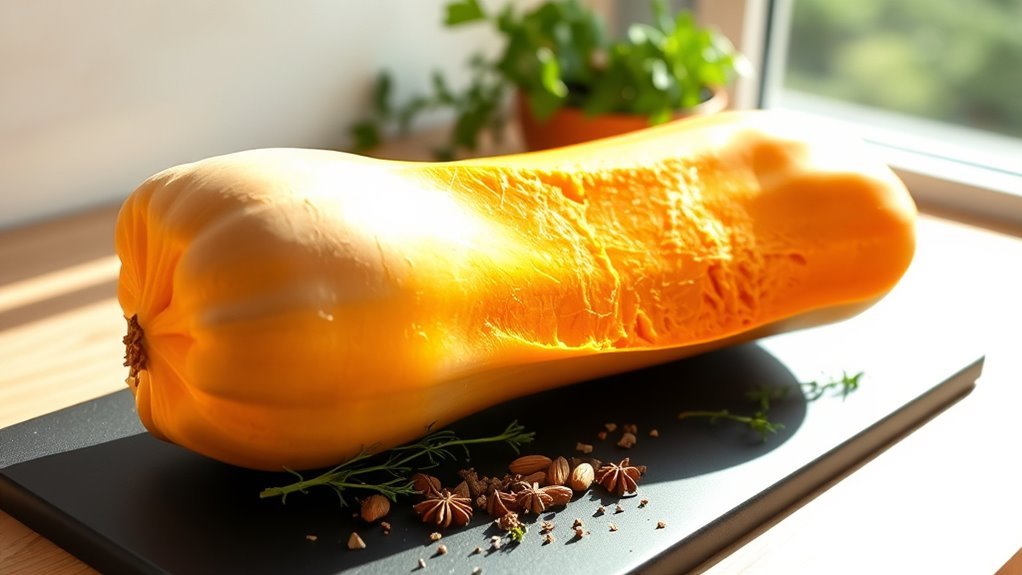
When considering whether butternut squash fits into a keto diet, it’s important to examine its nutritional profile. Butternut squash is packed with vitamins A, C, and E, offering significant health benefits, including improved immunity and skin health. Its rich fiber content can aid digestion, making it a valuable addition to your meals. When it comes to cooking methods, roasting, steaming, or pureeing can enhance its natural sweetness and flavor while preserving nutrients. You can enjoy it as a side dish, in soups, or even in salads, allowing for versatility in your keto meal planning. While it’s essential to monitor your portions, incorporating this nutritious vegetable can add variety and richness to your diet without feeling restricted.
Carbohydrates in Butternut Squash
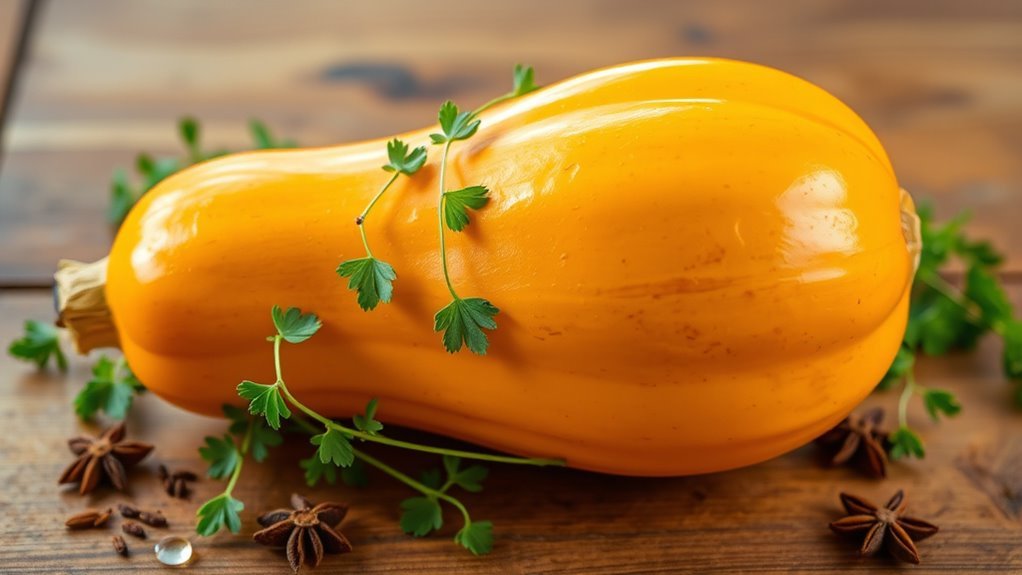
Butternut squash, while nutritious, does contain a notable amount of carbohydrates that you should consider if you’re following a ketogenic diet. It has around 12 grams of carbohydrates per cup, making it a significant carbohydrate source. This can be a concern, especially since a key aspect of keto is keeping your carb intake low to maintain ketosis. Additionally, butternut squash has a moderate glycemic index, which means it can cause a moderate rise in blood sugar levels. If you’re looking to minimize your carb consumption, you might want to enjoy butternut squash in moderation or pair it with low-carb foods. Ultimately, it’s about finding a balance that fits your lifestyle while still enjoying the flavors you love. Maintaining ketosis is crucial when considering higher-carb foods like butternut squash.
Health Benefits of Butternut Squash
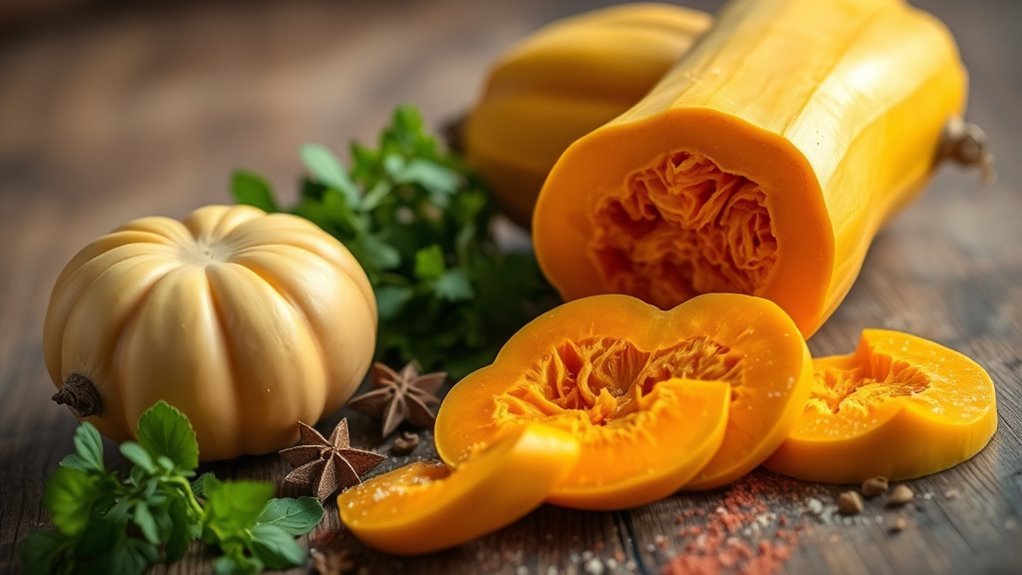
Rich in vitamins and minerals, butternut squash offers a variety of health benefits that can enhance your overall well-being. It’s packed with vitamins A and C, both vital for immune support, helping your body fend off illnesses. The antioxidants found in butternut squash, such as beta-carotene, may reduce inflammation and promote heart health. Plus, its fiber content aids digestion and can help maintain a healthy weight, which many people seek. Incorporating butternut squash into your meals can also provide essential nutrients without excessive calories. So, if you’re looking to boost your nutrition while enjoying delicious flavors, butternut squash could be a great choice for you. Embrace its health benefits and discover how it can contribute to your vibrant lifestyle!
How Butternut Squash Fits Into a Keto Diet
When considering butternut squash in your keto diet, it’s important to examine its nutritional profile, including its carbohydrate content. While this squash offers valuable vitamins and minerals, its carb count can impact your daily limits, so portion size is vital. Understanding these factors will help you incorporate butternut squash effectively without compromising your keto goals.
Nutritional Profile Overview
The nutritional profile of butternut squash presents a mix of benefits and considerations for those following a keto diet. Various butternut squash varieties offer distinct flavors and textures, making them versatile in culinary uses. Rich in vitamins A and C, it can support your immune system and promote healthy skin. However, it is essential to recognize that butternut squash contains carbohydrates, which can impact your daily intake on a keto plan. While its fiber content aids digestion, you’ll want to balance your portions carefully. If you’re seeking to incorporate butternut squash into your meals, consider using it in moderation as a flavorful addition to soups or roasted dishes, ensuring you maintain your keto goals without compromising on taste.
Carb Count Analysis
Butternut squash can present a challenge for those adhering to a keto diet, primarily due to its carbohydrate content. A typical serving can greatly impact your daily carb allowance, making it essential to evaluate keto alternatives. Here’s a quick comparison of butternut squash’s carb impact versus other vegetables:
| Vegetable | Net Carbs (per 100g) | Keto-Friendly? |
|---|---|---|
| Butternut Squash | 12g | No |
| Zucchini | 3g | Yes |
| Cauliflower | 3g | Yes |
| Spinach | 1g | Yes |
While butternut squash offers nutrients, its higher carb count may not align with your keto goals. Exploring these keto alternatives can keep your meals varied and compliant. Additionally, incorporating low-carb vegetables into your diet can help maintain ketosis while providing essential nutrients.
Portion Size Considerations
While you might crave the comforting flavors of butternut squash, portion size plays an essential role in its compatibility with a keto diet. To enjoy this delicious vegetable without derailing your carb intake, practicing portion control is key. A typical serving suggestion is around ½ cup of cooked butternut squash, which contains about 12 grams of carbs. Keeping your serving size in check allows you to savor its sweetness while maintaining your daily carb limits. You can incorporate it into soups or salads, but always be mindful of how much you’re adding. By being intentional about your portions, you can still relish butternut squash while staying aligned with your keto goals. Enjoy the flavors, but remember to manage your portions!
Recipes and Meal Ideas With Butternut Squash
If you’re looking to incorporate butternut squash into your keto meal plan, you’ll find that its versatility opens up a world of delicious possibilities. Here are three recipes to contemplate:
- Butternut Squash Soup: Blend roasted butternut squash with garlic, onion, and a splash of coconut milk for a creamy, comforting dish.
- Roasted Butternut Squash: Toss cubes of butternut squash with olive oil, salt, and pepper, then roast until caramelized. It makes a fantastic side dish or salad topper.
- Stuffed Butternut Squash: Fill halved squash with a mixture of spinach, cheese, and nuts, then bake for a filling, nutrient-dense meal.
These ideas let you enjoy the flavors of butternut squash while staying within your keto lifestyle. Enjoy experimenting!
Tips for Moderating Portion Sizes
To keep your butternut squash servings in check, start by measuring your portions to maintain an accurate intake of carbs. Using smaller plates can also help create the illusion of a fuller meal, which may prevent overeating. Finally, tracking your nutritional intake through apps or journals guarantees you stay mindful of your overall diet, making it easier to balance your meals while enjoying this delicious squash.
Measure Your Servings
Measuring your servings is essential for staying within your keto goals, especially when it comes to foods like butternut squash that can quickly add up in carbs. To effectively manage your portion control, consider these tips for measuring serving sizes:
- Use a kitchen scale: Weighing your butternut squash can help you understand how much you’re actually consuming, ensuring you stay within your carb limits.
- Keep a measuring cup handy: This allows you to accurately portion out your squash, making it easier to track your intake.
- Pre-portion your meals: By preparing single servings in advance, you’ll reduce the temptation to overindulge while enjoying the freedom of your keto lifestyle.
Use Smaller Plates
Using smaller plates can be an effective strategy for moderating portion sizes, as research shows that people tend to serve themselves more when using larger dishes. By opting for a smaller plate, you’re not just practicing portion control; you’re also encouraging mindful eating. This method tricks your brain into feeling satisfied with less food, making it easier to enjoy your meal without overindulging. It’s about finding that balance where you can savor your butternut squash or any other dish while still feeling in control of your choices. Plus, smaller plates can make your meals look more abundant, enhancing your dining experience. Embrace this simple yet powerful tactic to support your health goals without feeling deprived.
Track Nutritional Intake
Although tracking your nutritional intake may seem tedious at first, it can greatly enhance your ability to moderate portion sizes effectively. Embracing nutritional tracking aligns with your dietary preferences and empowers you to make informed choices. Here are three strategies to help you along the way:
- Use a food diary: Write down everything you eat, including portion sizes. This awareness fosters mindful eating habits.
- Utilize apps: Many apps can simplify tracking while offering insights on macronutrients, making it easier to stick to your goals.
- Pre-portion snacks: Instead of eating straight from the package, portion out servings in advance to avoid mindless munching.
Frequently Asked Questions
Can I Eat Butternut Squash on a Strict Keto Diet?
You can enjoy butternut squash on a strict keto diet, but moderation’s key. Imagine a person who loves to roast it with olive oil; they find it satisfying yet stay within their carb limits. Butternut squash nutrition shows it has about 12 grams of carbs per cup, so if you’re following keto diet guidelines, you might want to limit your portions. It’s all about balancing enjoyment with your dietary goals for freedom!
How Does Cooking Affect Butternut Squash’s Carb Content?
Cooking butternut squash can slightly affect its carb content due to the breakdown of starches. Different cooking methods, like roasting or steaming, may lead to a minimal reduction in carbs, as heat can convert some starches into sugars. However, the overall impact on carb count isn’t drastic. If you’re conscious about carbs, monitoring portion sizes post-cooking is key. Enjoying it in moderation can still fit into your dietary choices!
Is Butternut Squash Low Glycemic?
Butternut squash is like a gentle wave on the beach, with its low glycemic index making it a great choice for those watching their carbohydrate content. It typically scores around 51 on the glycemic index, classifying it as moderate. This means it can raise blood sugar levels slowly, providing a steady energy source. If you’re seeking a balanced diet, it’s a tasty option that won’t send your glucose levels skyrocketing.
Are There Any Keto-Friendly Substitutes for Butternut Squash?
Yes, there are keto-friendly substitutes for butternut squash. You might consider zucchini noodles, which are low in carbs and versatile for various dishes. Spaghetti squash is another great option; it has a similar texture and can be used in pasta dishes without the carbs. Both alternatives allow you to enjoy satisfying meals while staying within your keto guidelines, giving you the freedom to explore different flavors and recipes without sacrificing your diet goals.
How Can I Store Leftover Butternut Squash?
To store leftover butternut squash, you can refrigerate or freeze it. For refrigeration, place the squash in an airtight container and consume it within 3-5 days. If you want to keep it longer, consider freezing. Cut the squash into cubes, blanch them for a few minutes, then cool and pack in freezer bags, removing excess air. This method preserves flavor and texture, allowing you to enjoy it later without losing quality.
References
- https://www.healthline.com/nutrition/butternut-squash-keto-friendly
- https://www.prevention.com/food-nutrition/g20443047/are-squash-keto-friendly/
- https://www.ncbi.nlm.nih.gov/pmc/articles/PMC7066484/
- https://www.mayoclinic.org/healthy-lifestyle/nutrition-and-healthy-eating/expert-answers/what-is-the-keto-diet/faq-20459592
- https://www.verywellfit.com/is-butternut-squash-keto-friendly-5197065
- https://www.cdc.gov/healthyweight/healthy_eating/vegetables.html