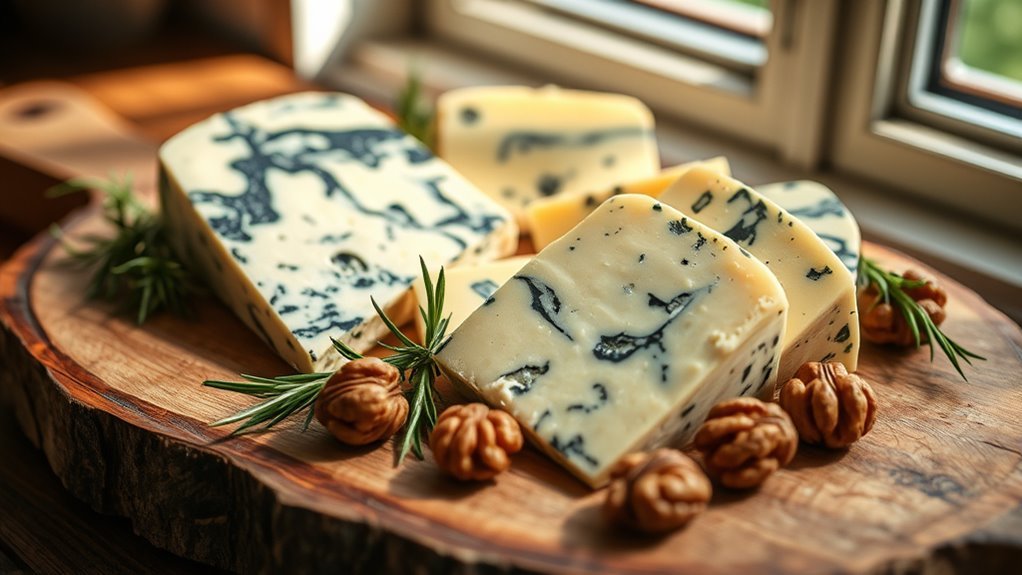

Yes, blue cheese is keto-friendly! It contains only about 0.5 to 1 gram of carbs per ounce, making it an excellent choice for your low-carb diet. Besides being low in carbs, it’s rich in healthy fats, protein, calcium, and probiotics, which are beneficial for gut health. You can easily incorporate blue cheese into various dishes, enhancing flavors without compromising your dietary goals. If you want to explore more about its benefits and uses, keep going!
Nutritional Profile of Blue Cheese
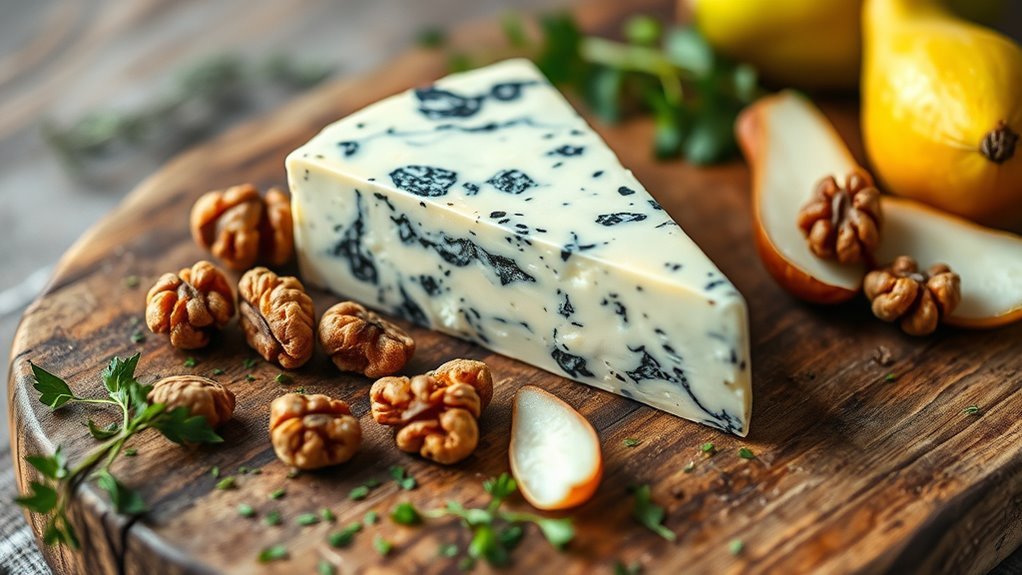
When considering the nutritional profile of blue cheese, it’s essential to note its unique composition. Blue cheese varieties, such as Roquefort and Gorgonzola, offer distinct flavor profiles and nutritional benefits. Typically, these cheeses are high in fat, which makes them a favored option for those following a low-carb or ketogenic diet. They also contain protein, calcium, and beneficial bacteria, contributing to gut health. The presence of mold in blue cheese introduces specific enzymes, enhancing its flavor and potential health properties. However, being aware of sodium content is key, as some varieties can be quite salty. Ultimately, incorporating blue cheese into your diet can provide rich taste and nutritional value, supporting your culinary creativity and dietary choices.
Carb Content in Blue Cheese
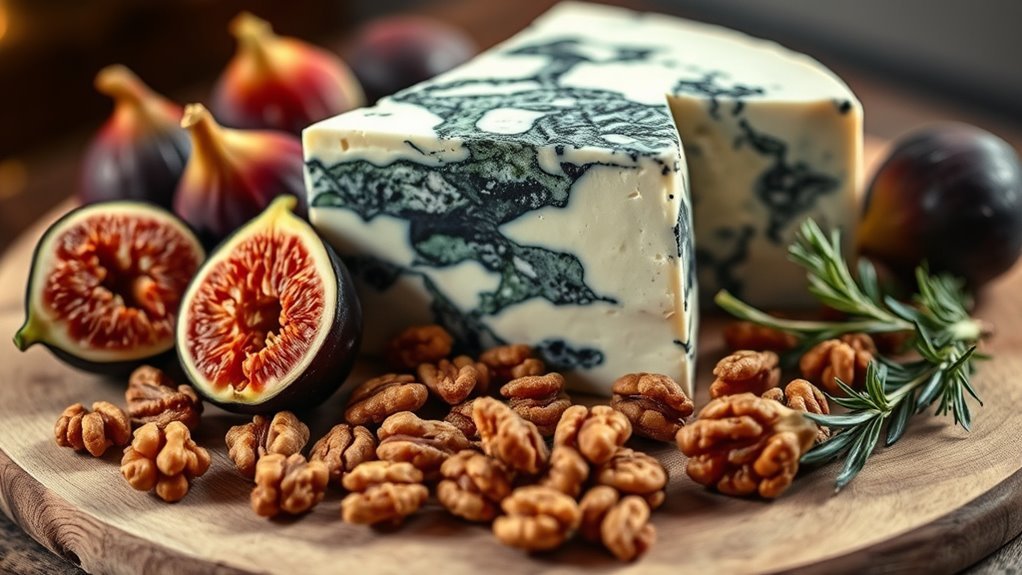
Although blue cheese is rich in flavor and fat, its carbohydrate content is surprisingly low, making it a suitable choice for those on a ketogenic diet. Typically, blue cheese contains about 0.5 to 1 gram of carbs per ounce, depending on the brand and specific cheese varieties. Compared to other common carb sources, like bread or pasta, blue cheese stands out as a low-carb option. This low carb content allows you to enjoy its bold taste without jeopardizing your keto goals. By incorporating blue cheese into your meals, you can add depth and richness while keeping your carbohydrate intake in check. So, if you’re seeking delicious cheese options that align with your dietary choices, blue cheese is a fantastic pick.
Health Benefits of Blue Cheese
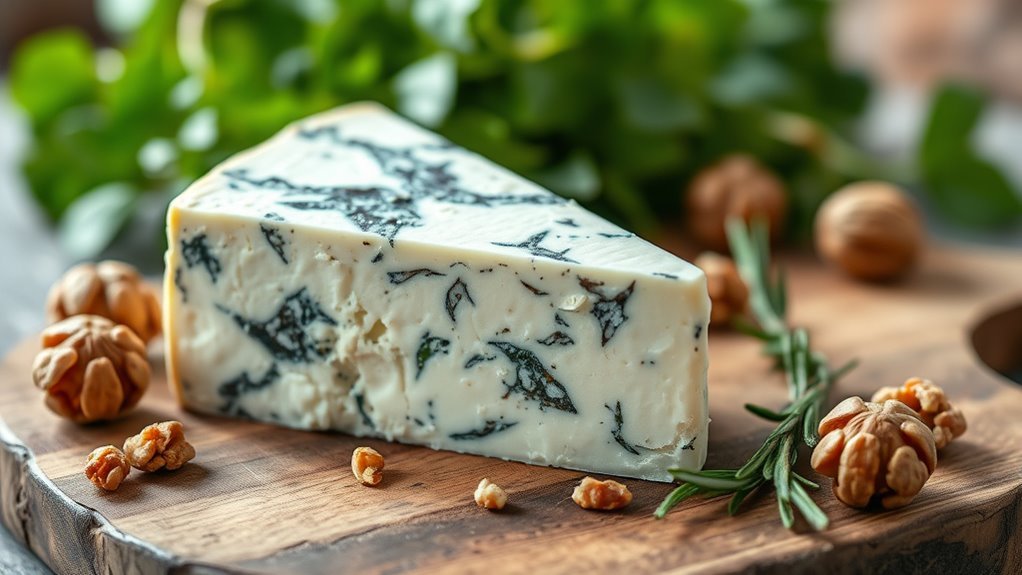
Blue cheese is packed with essential nutrients, providing a good source of calcium, protein, and vitamins. Its unique probiotic properties can support gut health by promoting beneficial bacteria in your digestive system. Understanding these health benefits can help you make informed choices about incorporating blue cheese into your diet.
Nutrient Density Analysis
The nutrient density of blue cheese makes it a valuable addition to a ketogenic diet. With its nutrient breakdown featuring high levels of fat, moderate protein, and low carbohydrates, blue cheese can fit well within your dietary restrictions. It’s rich in essential vitamins, including vitamin A, vitamin B12, and vitamin K2, all of which contribute to overall health. These vitamins play significant roles in supporting immune function, bone health, and cellular metabolism. Additionally, blue cheese contains beneficial minerals like calcium and phosphorus, further enhancing its nutritional profile. By incorporating this flavorful cheese into your meals, you can enjoy its taste while reaping its health benefits, making it an excellent choice for those seeking freedom in their keto journey.
Probiotic Properties Explained
When you think about blue cheese, you might not immediately consider its probiotic benefits, yet this type of cheese is a source of live cultures that can positively impact gut health. These live cultures, primarily Lactobacillus and Penicillium species, help maintain a balanced gut microbiome. By incorporating blue cheese into your diet, you can support digestion and improve nutrient absorption. Studies suggest that probiotics can also boost immunity and reduce inflammation, contributing to overall wellness. However, moderation is key, as blue cheese is high in fat and sodium. So, enjoy its rich flavor while reaping the potential probiotic benefits, keeping your gut health in mind. Blue cheese can be a delicious addition to your keto lifestyle!
How to Incorporate Blue Cheese Into Keto Meals
Incorporating blue cheese into your keto meals can enhance both flavor and nutrition. You can use it as a topping for salads or in homemade dressings, pair it on a cheese board with low-carb accompaniments, or add it to savory meat dishes for a rich taste. These options not only keep your meals interesting but also align with your low-carb goals.
Salad Toppings and Dressings
Adding blue cheese to your salads can elevate both flavor and nutritional value, especially for those following a keto diet. It’s a rich source of healthy fats and protein, making it an excellent choice for maintaining ketosis. For salad topping ideas, consider pairing blue cheese with mixed greens, avocado, walnuts, or bacon for a satisfying crunch. You can also enhance your salads by incorporating blue cheese into dressing variations. Try mixing it with olive oil, vinegar, and herbs for a creamy dressing that complements your greens. Remember, the bold flavor of blue cheese can transform a simple salad into a gourmet meal, allowing you to enjoy delicious, keto-friendly options without sacrificing taste.
Cheese Board Pairings
While cheese boards are often associated with indulgence, they can also be tailored to fit a keto lifestyle, and blue cheese makes a standout addition. Its bold flavor profile pairs beautifully with various cheese types and accompaniments. Consider including nuts, olives, and low-carb vegetables for a balanced selection. Here’s a simple pairing guide to elevate your cheese board:
| Cheese Type | Flavor Profile |
|---|---|
| Blue Cheese | Sharp, tangy, creamy |
| Aged Cheddar | Nutty, complex, firm |
| Brie | Soft, buttery, mild |
Incorporating blue cheese will not only satisfy your cravings but also enhance your keto meals, giving you the freedom to enjoy rich flavors while sticking to your dietary goals.
Savory Meat Dishes
When you’re looking to elevate your savory meat dishes on a keto diet, blue cheese can play a pivotal role in enhancing both flavor and nutritional value. For a delicious blue cheese steak, simply top a grilled ribeye with crumbled blue cheese and let it melt slightly before serving. The rich, tangy flavor complements the meat perfectly. If you’re prepping savory chicken, consider making a blue cheese cream sauce to drizzle over grilled or baked chicken breasts. This adds creaminess without sacrificing your keto goals. Not only does blue cheese provide healthy fats, but it also offers protein and calcium. Incorporating blue cheese into your meals can make your keto journey more enjoyable and satisfying.
Alternatives to Blue Cheese on Keto
If you’re looking for alternatives to blue cheese on a keto diet, several flavorful options can satisfy your cravings without compromising your carbohydrate intake. Creamy alternatives like goat cheese or cream cheese can provide that rich texture you enjoy. You might also consider feta cheese, which offers a tangy kick with fewer carbs. For a stronger flavor, aged cheddar or gouda can be excellent choices, delivering depth without the blue cheese profile. If you want something truly unique, try nutritional yeast for a cheesy flavor that’s completely dairy-free. Finally, don’t underestimate the potential of a homemade dressing using olive oil, vinegar, and spices to achieve that tangy substitute feeling. These options let you enjoy delicious meals while staying firmly within your keto guidelines.
Common Misconceptions About Blue Cheese and Keto
Many people on a keto diet wonder about the compatibility of blue cheese with their nutritional goals. One common misconception is that blue cheese is too high in carbs to fit into a keto lifestyle. In reality, most blue cheese varieties contain minimal carbohydrates, making them keto-friendly. Another myth is that the strong flavor of blue cheese means it’s unhealthy; however, its richness can actually help you feel satisfied with smaller portions. Additionally, some believe that all cheeses are processed, but many blue cheeses are made from natural ingredients. Understanding these blue cheese myths can help clarify its keto compatibility, allowing you to enjoy this flavorful cheese without guilt while sticking to your dietary guidelines.
Recipes Featuring Blue Cheese for a Keto Diet
While following a keto diet, incorporating blue cheese into your meals can enhance flavor and variety without compromising your carb limits. One delicious option is to create a homemade blue cheese dressing, perfect for drizzling over salads or as a dip for veggies. Simply mix blue cheese, sour cream, mayonnaise, and a dash of vinegar for a creamy, tangy treat.
For gourmet appetizers, try wrapping blue cheese-stuffed olives in prosciutto or creating baked mushrooms filled with a blue cheese mixture. These dishes not only satisfy your taste buds but also align with your keto lifestyle. By creatively using blue cheese, you can elevate your meals while enjoying the freedom of a low-carb diet. Explore different combinations and enjoy the rich flavors blue cheese brings.
Is blue cheese keto-friendly?
Yes, blue cheese is considered keto-friendly. It is low in carbohydrates and high in fats, making it an excellent choice for those following a ketogenic diet. Typically, blue cheese contains about 0.7 grams of carbs per ounce, which fits well within the daily carb limit of a keto diet.
What are the nutritional benefits of blue cheese on a keto diet?
Blue cheese offers several nutritional benefits, including a good source of calcium, protein, and essential vitamins like B12 and K2. The high-fat content can help maintain satiety and provide energy, making it a suitable addition to meals or snacks while adhering to a keto lifestyle.
Can I eat blue cheese if I am lactose intolerant?
Many people who are lactose intolerant can enjoy blue cheese in moderation. The aging process of blue cheese reduces its lactose content significantly. However, everyone’s tolerance level is different, so it’s advisable to start with a small amount to see how your body reacts.
How can I incorporate blue cheese into my keto meals?
You can incorporate blue cheese into your keto meals in various ways. Add it to salads for a tangy flavor, use it as a topping on grilled meats or vegetables, mix it into sauces, or enjoy it with keto-friendly snacks like nuts. It pairs well with low-carb fruits like pears and figs as well.
Are there any downsides to eating blue cheese on a keto diet?
While blue cheese is keto-friendly, it is also high in sodium and saturated fats. Consuming it in moderation is key to avoiding excessive sodium intake, which can lead to health issues such as high blood pressure. Additionally, some individuals may have allergies or sensitivities to mold, which is present in blue cheese, so it’s important to be mindful of your personal health and dietary needs.
References
- https://www.healthline.com/nutrition/blue-cheese-keto
- https://www.medicalnewstoday.com/articles/blue-cheese-nutrition
- https://www.ncbi.nlm.nih.gov/pmc/articles/PMC5821692/
- https://www.wisewell.com/blogs/news/is-blue-cheese-keto-friendly
- https://www.verywellfit.com/what-is-blue-cheese-nutrition-facts-5195993
- https://www.ketovale.com/blue-cheese-keto/
- https://www.eatthis.com/blue-cheese-nutrition-facts/
- https://www.nutritionvalue.org/cheese%2C_blue_nutritional_value.html