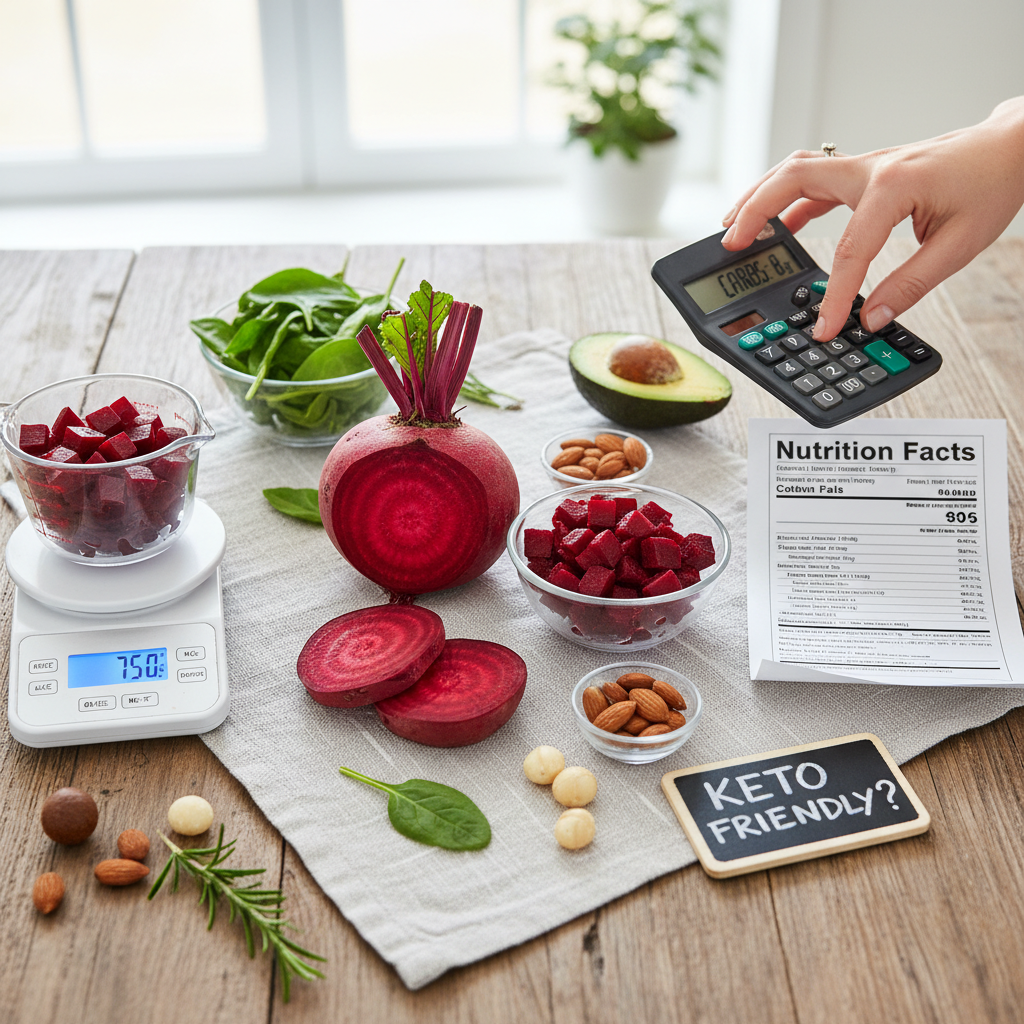

Beetroot is not typically considered keto-friendly due to its higher carbohydrate content compared to other vegetables. However, it can be enjoyed in moderation as part of a well-planned ketogenic diet. Understanding the nutritional profile of beetroot and how to incorporate it into your meals without exceeding your carb limits is essential for maintaining ketosis. In this article, we’ll delve into the specifics of beetroot’s nutritional makeup, its health benefits, and practical ways to include it in a keto diet.
Nutritional Profile of Beetroot
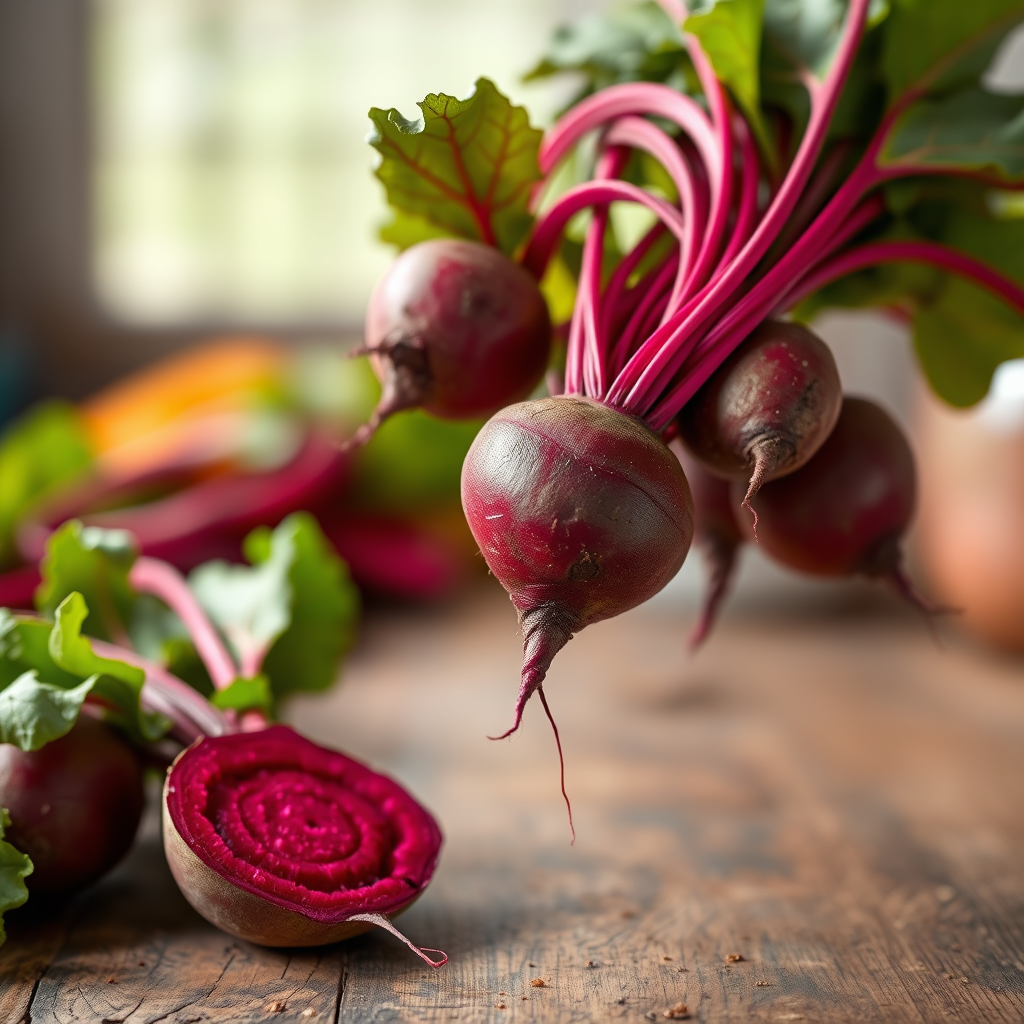
Beetroot, often simply referred to as beets, contains approximately 9 grams of carbohydrates per 100 grams. This carbohydrate content is significantly higher than that of many other non-starchy vegetables, which makes it a less favorable option for strict keto followers. However, beetroot is also a rich source of essential vitamins and minerals. It is particularly high in folate, a B-vitamin critical for DNA synthesis and repair, and manganese, a mineral that plays a role in metabolism and antioxidant defense. Additionally, beetroot is an excellent source of vitamin C, which supports immune function and skin health.
In terms of fiber, beetroot provides about 2.8 grams per 100 grams, which can contribute to digestive health. It is also low in calories, with around 43 calories per serving, making it a nutritious addition to meals when consumed in moderation.
The Impact of Carbohydrates on Keto
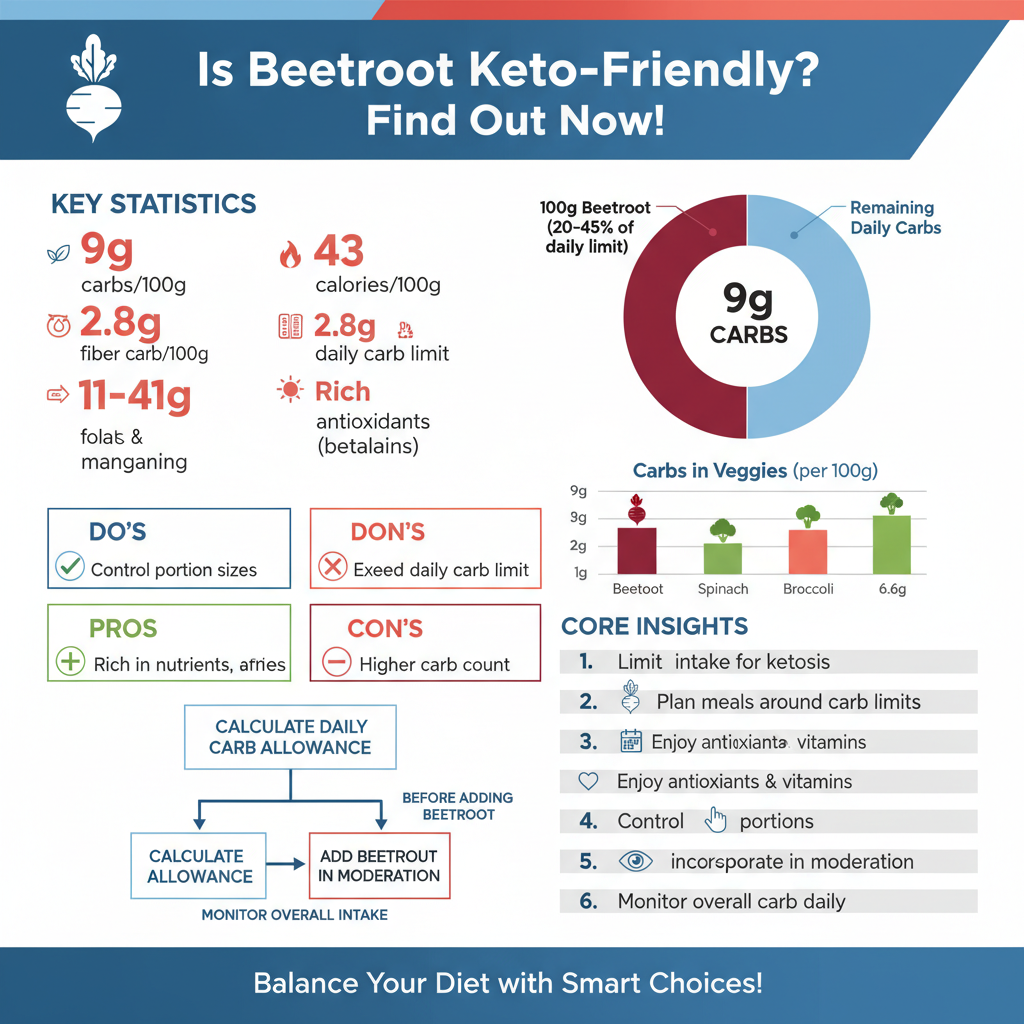

The ketogenic diet is characterized by a significant reduction in carbohydrate intake, typically limiting daily carb consumption to between 20-50 grams. This drastic reduction aims to induce a state of ketosis, where the body shifts from using glucose as its primary energy source to utilizing fat. Understanding how beetroot fits into your daily carb allowance is crucial for successfully adhering to a keto diet.
Given that a 100-gram serving of beetroot contains approximately 9 grams of carbohydrates, it can consume a substantial portion of your daily carb limit. For instance, if you were to consume 100 grams of beetroot, you would have only 11-41 grams of carbs left for the day, depending on your specific target. Therefore, careful portion control is vital when incorporating beetroot into your meals.
Benefits of Beetroot
Despite its higher carbohydrate content, beetroot offers several health benefits that can be advantageous even for those on a ketogenic diet. One of the most notable advantages of beetroot is its rich antioxidant content, particularly betalains, which have anti-inflammatory and detoxifying properties. These antioxidants can support overall health and may help reduce the risk of chronic diseases.
Moreover, beetroot has been shown to improve exercise performance. Studies suggest that the nitrates found in beetroot can enhance blood flow, reduce the oxygen cost of exercise, and potentially improve endurance. Additionally, beetroot consumption has been linked to lower blood pressure, which could be beneficial for those managing cardiovascular health.
These health benefits make beetroot an intriguing addition to a keto diet, especially for individuals seeking to enhance their physical performance or overall well-being.
How to Incorporate Beetroot in a Keto Diet
Incorporating beetroot into a keto diet requires creativity and moderation. Here are some practical tips on how to enjoy beetroot while keeping your carb intake in check:
1. Salads: Use beetroot sparingly in salads, complementing it with low-carb ingredients such as leafy greens, avocado, nuts, and cheese. A small portion can add flavor, texture, and vibrant color to your dish without overwhelming your carb count.
2. Natural Coloring Agent: Beetroot can serve as a natural coloring agent in various dishes. For example, you can add a small amount of beet juice to dressings, sauces, or even cauliflower mash to achieve a beautiful hue without significantly increasing carbohydrates.
3. Roasting and Pickling: Roasting beetroot can enhance its natural sweetness and flavor. When roasted, consider using smaller portions as a side dish or topping for grilled meats. Pickling beetroot in vinegar can also be a flavorful way to preserve it while controlling portion size.
4. Smoothies: While smoothies are often high in carbs, you can create a low-carb beetroot smoothie by using a small amount of beetroot combined with low-carb ingredients like spinach, avocado, and unsweetened almond milk. This balances flavors while keeping your carb count low.
Beetroot Alternatives for Keto Dieters
For keto dieters looking for alternatives to beetroot, several low-carb vegetables can be excellent substitutes. Here are some options:
1. Spinach: This leafy green is incredibly low in carbohydrates and high in nutrients, making it an ideal alternative for salads or smoothies. Spinach can provide a similar earthy flavor without the carb content.
2. Kale: Another leafy green, kale is nutrient-dense and low in carbs, perfect for salads, smoothies, or sautéed as a side dish.
3. Zucchini: With a mild flavor and versatile texture, zucchini can be spiralized into noodles or used in various dishes to replace higher-carb ingredients.
4. Cauliflower Rice: For those seeking a rice substitute, cauliflower rice is an excellent low-carb option. It can be paired with various seasonings and ingredients to create filling meals.
Recipes Featuring Beetroot on Keto
If you’re keen on including beetroot in your keto diet, here are two simple recipes to try:
Beetroot Salad with Feta and Olive Oil
Ingredients:
– 100 grams of cooked beetroot, diced
– 50 grams of feta cheese, crumbled
– 1 tablespoon of olive oil
– A handful of arugula or spinach
– Salt and pepper to taste
– A squeeze of lemon juice
Instructions:
1. In a bowl, combine the diced beetroot with arugula or spinach.
2. Drizzle olive oil and lemon juice over the salad.
3. Add crumbled feta cheese on top.
4. Season with salt and pepper to taste and serve immediately.
Low-Carb Beetroot Smoothie
Ingredients:
– 30 grams of beetroot, cooked and chopped
– 1 cup of unsweetened almond milk
– 1/2 avocado
– A handful of spinach
– A scoop of protein powder (optional)
– Ice cubes
Instructions:
1. Combine all ingredients in a blender.
2. Blend until smooth and creamy.
3. Serve chilled for a refreshing, nutritious drink.
[CONCLUSION PARAGRAPH]
While beetroot is higher in carbs, it can still play a role in a keto diet if consumed in moderation. By understanding its nutritional value and incorporating it strategically into your meals, you can enjoy its health benefits without jeopardizing your ketosis. The key is to be mindful of portion sizes and balance beetroot with other low-carb vegetables. For more tips and recipes, consider subscribing to our blog for regular updates on keto-friendly foods.
Frequently Asked Questions
Is beetroot keto-friendly for someone on a low-carb diet?
Beetroot can be included in a ketogenic diet, but moderation is key due to its natural sugar content. A 100-gram serving of beetroot contains about 9 grams of carbohydrates, which can impact your daily carb allowance on a strict keto plan. If you enjoy beets, consider using them sparingly as a flavorful addition to salads or side dishes, but be mindful of your overall carb intake.
How many carbs are in beetroot, and can it fit into a keto meal plan?
Beetroot contains approximately 9 grams of carbohydrates per 100 grams, with around 7 grams being net carbs after accounting for fiber. While this may seem high for a keto meal, you can still fit beetroot into your meal plan if you limit portion sizes and balance it with low-carb foods. Using a small amount of beetroot, like in a salad or as a garnish, can add color and nutrients without exceeding your carb limit.
Why should I consider including beetroot in my keto diet?
Including beetroot in your keto diet can provide several health benefits, such as improved blood flow and lower blood pressure, thanks to its high nitrate content. Additionally, beetroot is rich in antioxidants, vitamins, and minerals that can support overall health. By consuming it in moderation, you can enjoy its nutritional benefits while maintaining your ketogenic goals.
What are the best ways to prepare beetroot on a keto diet?
The best ways to prepare beetroot on a keto diet include roasting, pickling, or spiralizing it into salads. Roasting enhances its natural sweetness without adding any carbs, while pickling can provide a tangy flavor that complements many dishes. Avoid frying or using high-carb dressings to keep your beetroot preparations keto-friendly.
Which alternatives can I use if I want to avoid beetroot on a keto diet?
If you’re looking for alternatives to beetroot that are more keto-friendly, consider options like radishes, zucchini, or cauliflower. These vegetables are lower in carbohydrates and can be used in similar recipes, such as salads or stir-fries, without compromising your carb intake. Each of these substitutes offers unique flavors and textures that can enhance your keto meals while keeping you within your dietary guidelines.