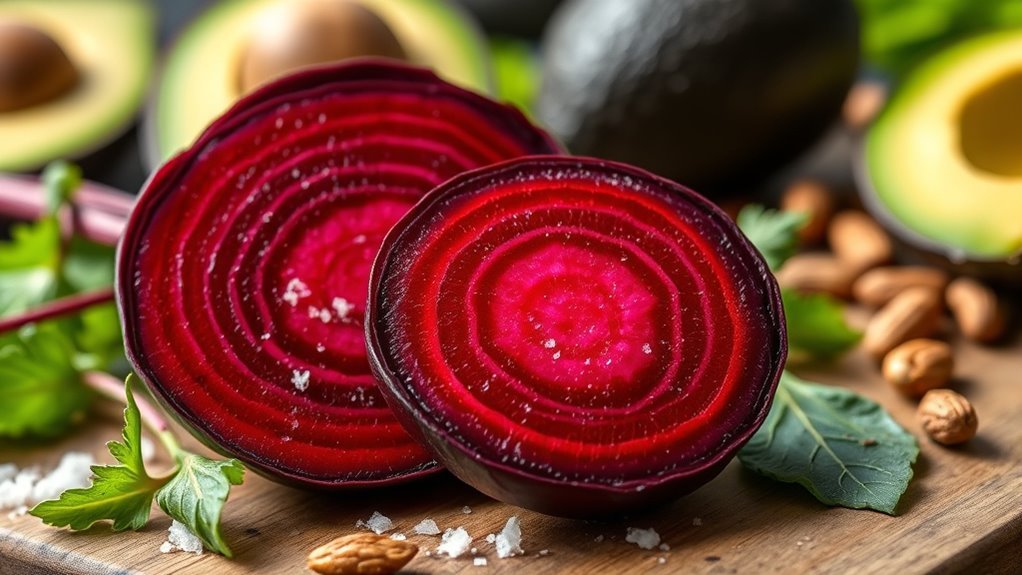

Beetroot can be included in a keto diet, but you need to watch your portion sizes. It contains about 9 grams of carbs per 100 grams, which is higher than many other low-carb veggies. While it offers health benefits like antioxidants and improved blood flow, moderation is key to staying within your daily carb limit. By pairing beetroot with high-fat foods and using it creatively in recipes, you can still enjoy its flavor while adhering to your keto goals. There’s more to explore on making smart veggie choices!
Understanding the Keto Diet
To grasp the nuances of the keto diet, it’s essential to understand its fundamental principles. At its core, the keto diet emphasizes a high-fat, low-carbohydrate intake, which encourages your body to enter a state of ketosis. In ketosis, your body efficiently burns fat for energy instead of carbohydrates. This shift can lead to weight loss and improved energy levels. However, you’ll need to adhere to certain diet restrictions, limiting your carbohydrate intake to about 20-50 grams per day. Understanding these keto principles is vital, as they dictate your food choices and overall approach to eating. By embracing this lifestyle, you can experience newfound freedom in managing your health and weight, provided you stay committed to the guidelines. Additionally, the body shifts from carbohydrates to fats as its primary energy source when following the keto diet.
Nutritional Profile of Beetroot
When considering beetroot’s nutritional profile, you’ll want to focus on its carbohydrate content and the range of vitamins and minerals it offers. Despite being relatively low in calories, beetroot does contain natural sugars that can impact your carb intake. Understanding these aspects is essential for determining whether it fits into your keto lifestyle.
Carbohydrate Content Analysis
Although beetroot is often celebrated for its vibrant color and health benefits, its carbohydrate content raises questions for those following a ketogenic diet. With approximately 9 grams of carbs per 100 grams, beetroot can contribute considerably to your daily carb limit. The beetroot glycemic index measures around 64, indicating that it can impact blood sugar levels, an essential consideration for keto meal planning. While this root vegetable offers valuable nutrients, its carb content may challenge your ability to maintain ketosis. If you’re keen on incorporating beetroot into your diet, moderation is key. You might consider using smaller amounts to balance flavor and nutrition while adhering to your ketogenic goals.
Vitamins and Minerals Overview
Beetroot isn’t just a colorful addition to your plate; it’s packed with essential vitamins and minerals that can enhance your overall health. The nutritional profile of beetroot reveals numerous beetroot benefits, including its rich vitamin content, contributing to various bodily functions.
| Vitamin | Amount per 100g | Benefits |
|---|---|---|
| Vitamin C | 7 mg | Boosts immunity, skin health |
| Folate | 109 mcg | Supports DNA synthesis, cell function |
| Vitamin B6 | 0.1 mg | Aids in metabolism, brain health |
Integrating beetroot into your diet can provide these crucial nutrients, making it a valuable option for those seeking a nutrient-dense, low-carb addition to their meals while following a keto lifestyle.
Carb Content Comparison
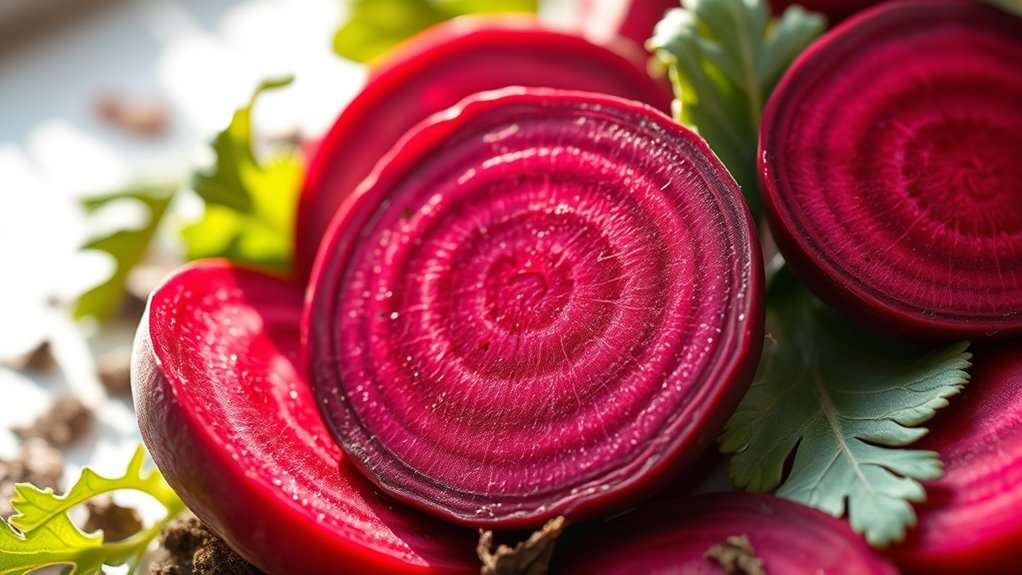
When evaluating beetroot’s keto compatibility, it’s essential to compare its carb content with that of other vegetables. Beetroot contains about 9 grams of carbs per 100 grams, which can be higher than options like spinach or zucchini. Understanding these differences can help you make informed choices for your low-carb diet.
Beetroot Nutritional Profile
While exploring the nutritional profile of beetroot, it’s essential to focus on its carbohydrate content, especially for those following a ketogenic diet. Beetroot varieties, such as red, golden, and striped beets, all present varying levels of carbs. On average, a cup of cooked beetroot contains around 13 grams of carbohydrates, with about 4 grams being dietary fiber. This fiber can help mitigate the net carb impact, as it’s not fully absorbed. If you’re aiming for a strict keto lifestyle, it’s vital to take these numbers into account when planning your meals. Incorporating beetroot in moderation can add valuable nutrients while keeping your carb intake in check. Ultimately, understanding beetroot’s nutritional profile allows for informed dietary choices.
Comparing Other Vegetables
Considering the carbohydrate content of various vegetables is essential for anyone adhering to a ketogenic diet. While beetroot contains about 9 grams of carbs per 100 grams, you might want to explore beetroot substitutes and other vegetable alternatives that align better with your low-carb goals. For instance, spinach and kale are excellent choices, offering around 1 and 3 grams of carbs per 100 grams, respectively. Zucchini, another fantastic option, clocks in at just 3 grams. If you’re looking for crunch, radishes provide only 2 grams of carbs. By comparing these options, you can maintain your keto lifestyle while still enjoying a variety of flavors and textures. Additionally, incorporating vegetables like rutabagas can provide essential nutrients while keeping your carb intake in check. Make informed decisions that empower your journey towards health and freedom.
Health Benefits of Beetroot
Beetroot is often celebrated for its impressive array of health benefits, making it a valuable addition to a balanced diet. Its high levels of antioxidants help combat oxidative stress, protecting your cells from damage. You might be interested to know that beetroot can also aid in lowering blood pressure. Studies suggest that the nitrates found in beetroot can enhance blood flow, which may lead to improved cardiovascular health. Incorporating beetroot into your diet not only supports overall well-being but also promotes endurance during exercise. These benefits make beetroot a powerhouse food, particularly for those seeking to maintain peak health. Embracing this vibrant vegetable can empower you to make more informed dietary choices that align with your wellness goals.
Incorporating Beetroot Into a Keto Diet
Incorporating beetroot into a keto diet can be a bit tricky due to its relatively high carbohydrate content. However, you can still enjoy it in moderation. Consider using beetroot in keto smoothies, where you can blend a small amount with low-carb ingredients like spinach, avocado, and almond milk. This way, you can benefit from its nutrients without exceeding your carb limit.
You can also explore various beetroot recipes that pair it with other low-carb vegetables and proteins, ensuring a balanced meal. When using beetroot, focus on portion control and combine it with foods high in healthy fats to maintain your keto goals. With a little creativity, you can incorporate beetroot while staying true to your dietary preferences.
Alternative Low-Carb Vegetables
While beetroot can add vibrant color and nutrients to your meals, there are plenty of alternative low-carb vegetables that can better align with your keto goals. Utilizing keto alternatives like zucchini, cauliflower, and spinach can help you maintain a low-carb intake while still enjoying nutritious vegetable options. These vegetables are low in carbs and high in essential nutrients, making them excellent choices for a keto diet.
| Vegetable | Net Carbs (per 100g) |
|---|---|
| Zucchini | 3.1g |
| Cauliflower | 2.9g |
| Spinach | 1.4g |
| Kale | 3.4g |
These vegetables not only provide essential vitamins and minerals but also offer versatility in recipes. By choosing these low-carb options, you can stay within your macro limits while enjoying a variety of flavors in your keto lifestyle.
Frequently Asked Questions
Can Beetroot Affect Blood Sugar Levels on a Keto Diet?
Think of your blood sugar as a delicate dance, where each ingredient influences the rhythm. Beetroot, with a glycemic index of around 64, can impact blood sugar regulation. While it’s packed with nutrients, if you consume it on a keto diet, you might notice fluctuations in your levels. It’s essential to monitor how your body reacts, ensuring you maintain that graceful balance without disrupting your overall progress.
Is Beetroot Juice Suitable for a Keto Lifestyle?
Beetroot juice isn’t typically considered suitable for a keto lifestyle due to its higher carb content. While it offers beneficial beetroot nutrition, including antioxidants and nitrates, the sugars can spike your blood sugar levels. If you’re seeking keto benefits, it’s best to consume whole beetroots in moderation. Keeping track of your carb intake is essential, so weigh the nutritional advantages against the possible impact on your ketosis.
How Does Cooking Affect Beetroot’s Carb Content?
Cooking beetroot can actually change its carb content. For instance, boiling beetroot may reduce its sugar concentration by around 25%, making it a better choice if you’re watching carbs. On the other hand, roasting can concentrate sugars, potentially increasing the carb content. If you’re looking for options, consider how you prepare it; boiling might align better with your keto goals than roasting, which intensifies those natural sugars.
Can I Eat Pickled Beetroot on Keto?
Yes, you can enjoy pickled beetroot on keto, but moderation’s key. Pickled beetroot retains some of its carb content, so be mindful of portion sizes. The pickled benefits include added flavor and potential probiotics, enhancing your gut health. For serving suggestions, try adding small amounts to salads or as a tangy topping on grilled meats. Balancing flavors while keeping your carb count in check allows you the freedom to enjoy this tasty addition!
Are There Any Keto-Friendly Beetroot Recipes Available?
Absolutely, there are keto-friendly beetroot recipes you can try! For a revitalizing option, whip up a beetroot smoothie recipe using unsweetened almond milk, spinach, and a scoop of protein powder. Alternatively, roast beetroot with olive oil, salt, and pepper for a delicious side dish. Both options allow you to enjoy beetroot while keeping your carb intake in check, giving you the freedom to explore flavorful dishes without compromising your keto goals.
References
- https://www.healthline.com/nutrition/beetroot-keto-friendly
- https://www.ncbi.nlm.nih.gov/pmc/articles/PMC6831315/
- https://www.medicalnewstoday.com/articles/322694
- https://www.sciencedirect.com/science/article/pii/S2351978916300711
- https://www.nutrition.org.uk/healthyliving/basics/the-ketogenic-diet.html
- https://www.bbcgoodfood.com/howto/guide/keto-diet-what-to-eat-and-avoid
- https://www.webmd.com/diet/obesity/what-is-the-keto-diet
- https://www.usda.gov/fooddata-central