
Beer often contains a high carb content, which can make sticking to a ketogenic diet tricky. However, there are low-carb beer options available that have 3 grams of carbs or less, like Michelob Ultra and Budweiser Select 55. Light beers also tend to be more keto-friendly. Moderation is key to maintaining ketosis, and it’s essential to watch your overall caloric intake. If you’re curious about enjoying beer on keto, there’s more to explore about it.
Understanding the Ketogenic Diet
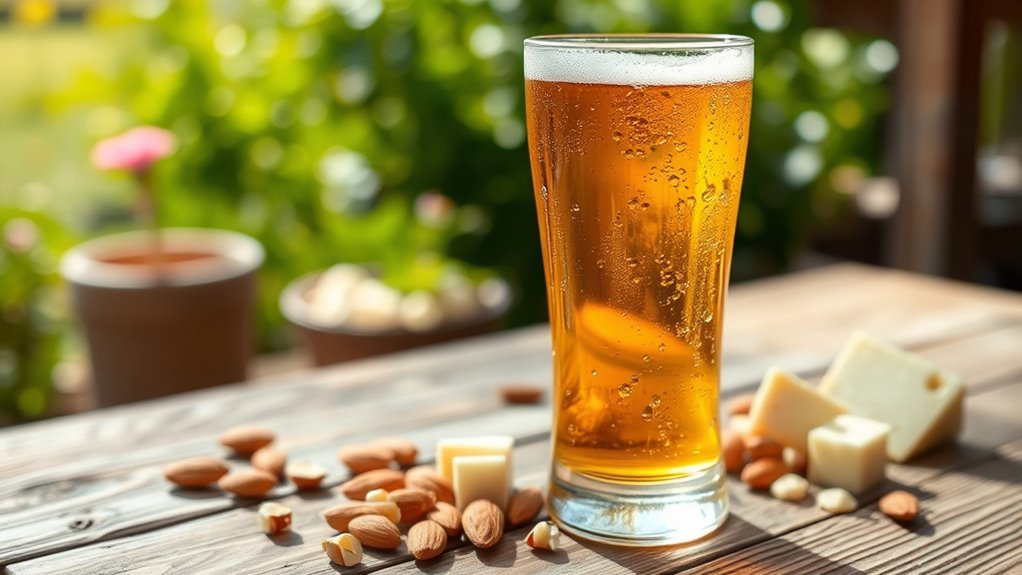
When you plunge into the ketogenic diet, you’ll find it’s more than just a trend; it’s a well-researched approach to nutrition that emphasizes low carbohydrate intake and high fat consumption. The ketogenic principles revolve around shifting your body’s primary energy source from carbs to fats, which can lead to improved mental clarity and weight loss. By considerably reducing your carb intake, your body enters a state of ketosis, where it burns dietary fat for fuel. This shift not only enhances energy levels but also can help regulate blood sugar. Balancing your dietary fat intake is vital; focus on healthy fats like avocados, nuts, and olive oil. Embracing these principles opens up a world of culinary freedom while promoting overall well-being.
The Carb Content in Beer
When considering beer on a ketogenic diet, it’s important to look at the carbohydrate content. Regular beers can contain anywhere from 10 to 20 grams of carbs per serving, which can quickly add up. However, there are low-carb beer options available that typically have 3 grams of carbs or less, making them more suitable for your keto lifestyle.
Low-Carb Beer Options
Although many beers can be high in carbohydrates, there are several low-carb options available that fit well within a ketogenic diet. When searching for low-carb options, you’ll find brands like Michelob Ultra, Budweiser Select 55, and Coors Light, which typically contain around 2-3 grams of carbs per serving. These beer brands offer a revitalizing way to enjoy a drink without derailing your diet. Additionally, craft breweries are increasingly producing low-carb beers, so keep an eye out for local options. Always check the label for carb content, but with a little research, you can enjoy your favorite social moments while staying true to your keto lifestyle. Cheers to that!
Regular Beer Carbohydrates
While low-carb beer options can be a great fit for a ketogenic diet, it’s important to understand the carbohydrate content in regular beers. Regular beers typically contain between 10 to 15 grams of carbohydrates per 12-ounce serving, which can greatly impact your daily carb limit on a keto diet. The primary carbohydrate sources in these beers are malted grains, such as barley and wheat, which contribute to both flavor and body. If you’re aiming for ketosis, you’ll need to be mindful of how many carbs you’re consuming from regular beer. Enjoying these beverages occasionally can be part of your lifestyle, but moderation is key to maintaining your keto goals while still enjoying the freedom of choice.
Low-Carb Beer Options
If you’re following a keto diet but still want to enjoy a cold beer, there are several low-carb options available that can fit your lifestyle. Many popular brands have recognized the demand for low-calorie options, making it easier to indulge without derailing your diet.
Here are some great choices:
| Brand | Carbs (per 12 oz) |
|---|---|
| Michelob Ultra | 2.6g |
| Budweiser Select 55 | 1.9g |
| Miller Lite | 3.2g |
These beers allow you to enjoy a rejuvenating drink while keeping your carb intake in check. Remember, moderation is key, so you can maintain your keto journey without sacrificing your freedom to enjoy life’s simple pleasures!
Craft Beer vs. Light Beer
When comparing craft beer and light beer, you’ll notice a significant difference in carb content and flavor profiles. Craft beers often have higher carbohydrate levels due to their rich ingredients and brewing techniques, while light beers are designed to be lower in carbs and calories. Understanding these factors can help you make an informed choice that aligns with your dietary goals.
Carb Content Comparison
Craft beer often boasts a rich and diverse flavor profile, but it typically comes with a higher carbohydrate content compared to light beer. Most craft beers, which embrace various beer styles and ingredients, can contain anywhere from 10 to 20 grams of carbs per serving. In contrast, light beers usually range from 3 to 7 grams of carbs, making them a more keto-friendly option. If you’re mindful of your carb sources while enjoying a cold one, understanding these differences is essential. Choosing a light beer allows you to indulge without greatly impacting your carb intake, giving you the freedom to enjoy your beverage while maintaining a keto lifestyle. Always check labels for the exact carb count to make informed choices.
Flavor Profiles Explored
While light beers are often favored for their lower carbohydrate content, craft beers offer a unique and complex flavor experience that many enthusiasts cherish. Craft beers boast diverse aroma profiles and intricate flavor notes driven by ingredient influences like hops and malts. You’ll find taste variations that range from fruity to earthy, with seasonal flavors enhancing the experience further. The mouthfeel characteristics also differ considerably; light beers tend to be crisp and invigorating, while craft options may present a fuller body due to unique brewing techniques. Understanding these style differences can help you appreciate the richness of craft beers while still enjoying light options. Ultimately, it’s about what suits your palate and lifestyle preferences best.
How to Calculate Carb Intake
How can you effectively calculate your carb intake on a keto diet? Start by understanding the keto guidelines, which suggest limiting your daily carbohydrate intake to about 20-50 grams. Begin your carb counting by reading nutrition labels and tracking all food items, including drinks. Use apps or journals to log what you consume, making it easier to stay within your limits. Remember to focus on net carbs, which is total carbs minus fiber and certain sugar alcohols. This approach allows you to enjoy more low-carb foods while maintaining ketosis. By diligently tracking your intake, you’ll gain the freedom to choose foods that fit your lifestyle without sacrificing your keto goals.
Alternatives to Beer on Keto
If you’re looking to enjoy a drink while sticking to your keto diet, there are several alternatives to beer that can satisfy your cravings without derailing your carb count. Here are some great options:
- Keto Cocktails: Mix vodka, gin, or rum with soda water and a splash of citrus for a revitalizing drink with minimal carbs.
- Low Carb Spirits: Enjoy spirits like whiskey or tequila neat or on the rocks. They contain zero carbs, making them perfect for keto.
- Dry Wine: Opt for dry red or white wines, which typically have lower sugar content compared to sweeter varieties.
Tips for Enjoying Beer on a Keto Diet
Although beer is often considered off-limits for those on a keto diet due to its carbohydrate content, there are ways to enjoy it without completely compromising your goals. Start by choosing low-carb beers, which typically contain fewer than 5 grams of carbs per serving. Look for options labeled as “keto-friendly” or “craft light beers.” Pair your drink with keto beer pairings like cheese platters, charcuterie boards, or low-carb snacks such as nuts or veggie sticks. These snacks not only keep your carb count in check but also enhance your beer experience. Remember, moderation is key; enjoy your beer while staying mindful of your daily carb limit. With a little planning, you can savor that cold one without guilt!
The Impact of Alcohol on Ketosis
Enjoying a cold beer can raise questions about its effect on ketosis. When you drink alcohol, your body prioritizes alcohol metabolism over fat burning, which can impact your ketosis effects. Here are three key points to evaluate:
- Ketosis Disruption: Alcohol can slow down the production of ketones, making it harder to maintain a ketogenic state.
- Caloric Intake: Beer contains carbohydrates, contributing extra calories that can hinder your keto goals.
- Dehydration and Cravings: Alcohol may lead to dehydration, increasing your cravings for carbs and potentially derailing your diet.
Ultimately, understanding these impacts can help you make more informed choices while enjoying your social life on a keto diet. Balance is key!
Frequently Asked Questions about Beer and Keto
1. Is beer allowed on a keto diet?
While traditional beers are generally high in carbohydrates, which can hinder ketosis, there are low-carb and keto-friendly beer options available. It’s essential to check the labels and look for beers that have 3-5 grams of carbs per serving. Light beers or those specifically marketed as low-carb can fit into a keto lifestyle when consumed in moderation.
2. What types of beer are best for a keto diet?
The best types of beer for a keto diet are those labeled as low-carb or light beers. Some examples include Michelob Ultra, Budweiser Select 55, and Coors Light. Some craft breweries also offer low-carb options. Generally, ales and stouts tend to have higher carb counts, so it’s best to avoid these if you’re trying to maintain ketosis.
3. How many carbs are in a typical beer?
The carbohydrate content in beer can vary widely depending on the type. Standard lagers and ales can contain 10-20 grams of carbs per 12-ounce serving, whereas light beers may contain between 3-7 grams. Always check the nutrition label for specific carb counts to ensure they fit within your daily intake on a keto diet.
4. Can I drink beer and still lose weight on keto?
Yes, you can still lose weight on a keto diet while enjoying beer, but moderation is key. Consuming low-carb beer can help you enjoy social occasions without significantly affecting your carb intake. It’s important to account for the calories and carbs in the beer you consume and balance them with your overall daily nutritional goals to stay in ketosis.
5. What are some alternatives to beer on a keto diet?
If you’re looking for alternatives to beer while following a keto diet, consider options like dry wines, spirits (such as vodka, gin, whiskey), and cocktails made with low-carb mixers. Hard seltzers and keto-friendly flavored beverages are also popular choices. Always verify the carb content in any drink to ensure it aligns with your dietary goals.
References
- https://www.healthline.com/nutrition/is-beer-keto
- https://www.webmd.com/diet/obesity/news/20200807/is-beer-keto-friendly
- https://www.ncbi.nlm.nih.gov/pmc/articles/PMC6111154/
- https://www.cdc.gov/alcohol/fact-sheets/alcohol-use.htm
- https://www.verywellfit.com/beer-and-keto-diet-5192529
- https://www.nutrition.gov/topics/nutrition-101/alcohol-and-nutrition
- https://en.wikipedia.org/wiki/Beer#Nutritional_content
- https://www.hopculture.com/keto-beer-guide/