

Asparagus is definitely keto-friendly! With just 3.7 grams of carbohydrates per 100 grams, it’s low in carbs while rich in essential nutrients like vitamins A, C, E, and K. This makes it a fantastic addition to your ketogenic meal plan. Its health benefits, including high fiber content and antioxidants, support overall wellness too. If you’re curious about creative ways to enjoy asparagus or how it compares to other vegetables, stick around for more insights!
Understanding the Ketogenic Diet
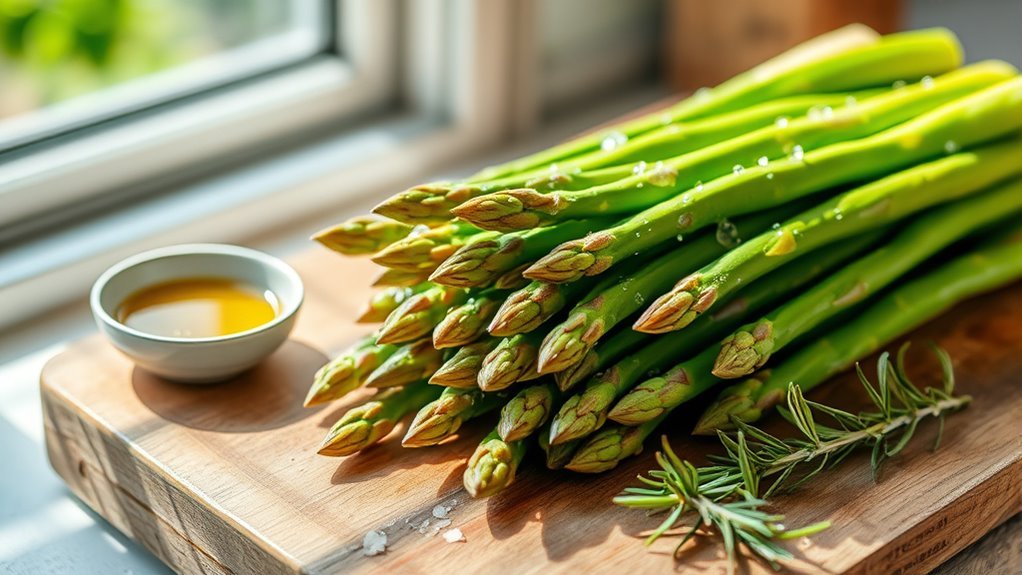
When you’re exploring the ketogenic diet, it’s essential to understand its core principles to determine what foods fit within its framework. At its essence, the ketogenic diet emphasizes high-fat, moderate-protein, and low-carbohydrate intake. This means you’ll need to adjust your macronutrient ratios to typically around 70-75% fats, 20-25% proteins, and only 5-10% carbohydrates. By adhering to these ketogenic principles, your body enters a state of ketosis, where it burns fat for energy instead of carbohydrates. Understanding this balance allows you to make informed food choices, ensuring you enjoy the freedom of a variety of meals while still achieving your dietary goals. Exploring options that align with these guidelines can lead to a fulfilling and sustainable lifestyle.
Nutritional Profile of Asparagus
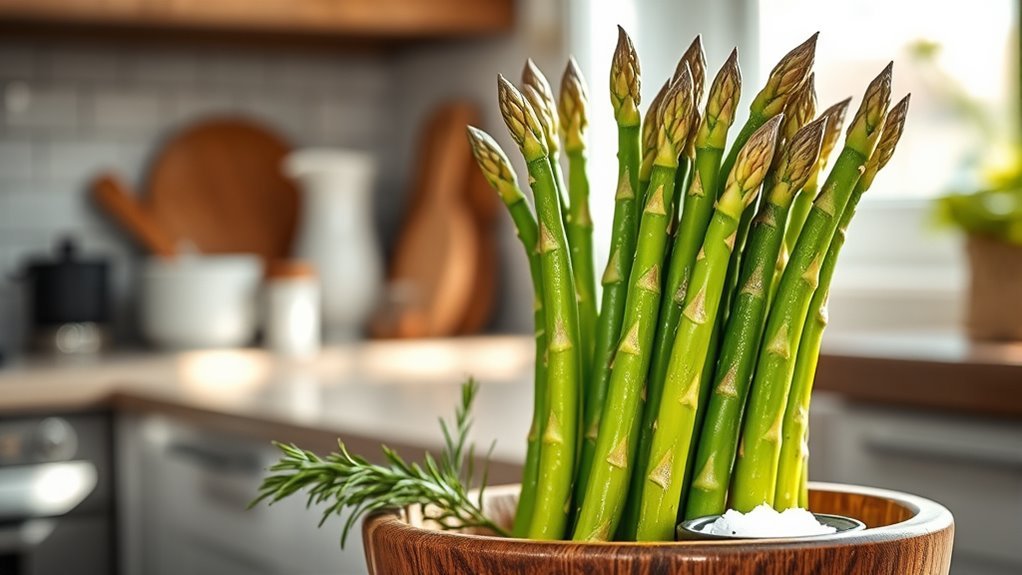
As you explore the nutritional profile of asparagus, you’ll find it’s a low-calorie vegetable packed with essential nutrients. This vibrant green food is not only delicious but also a great addition to your diet. Here’s what makes asparagus stand out:
Discover the nutritional benefits of asparagus, a delicious, low-calorie vegetable rich in essential nutrients.
- Rich in vitamins A, C, E, and K
- Contains important minerals like iron, calcium, and magnesium
- Offers a good source of dietary fiber
- Low in carbohydrates, making it keto-friendly
Asparagus vitamins help support your immune system and overall health, while the asparagus minerals play a vital role in bone health and muscle function. Including this nutritious vegetable in your meals can enhance your well-being without compromising your dietary goals.
Carb Count: Is Asparagus Low in Carbs?

Although many vegetables can be high in carbohydrates, asparagus stands out as a low-carb option that’s perfect for those following a keto diet. In a typical serving size of about 100 grams, asparagus contains only 3.7 grams of carbohydrates, making it an excellent choice for your meal plans. When you do a carb comparison with other vegetables, such as potatoes or corn, asparagus clearly provides a lighter carb load. This low carb count allows you to enjoy it freely without derailing your ketosis. Plus, its versatility means you can incorporate it into various dishes easily. So, whether you’re grilling, steaming, or roasting, asparagus is a delicious way to stay within your carb limits while savoring your meals.
Health Benefits of Asparagus
Asparagus isn’t just low in carbs; it’s also packed with nutrients that offer various health benefits. You’ll find it rich in antioxidants, which help combat oxidative stress, and its fiber content promotes digestive health. By adding asparagus to your meals, you can enjoy these advantages while keeping your keto diet in check.
Nutrient-Dense Profile
Packed with essential vitamins and minerals, asparagus is a powerhouse of nutrients that can support a healthy diet, especially for those following a keto lifestyle. Its impressive nutrient density offers various health benefits that can enhance your well-being.
- Rich in vitamins A, C, E, and K
- Good source of folate, vital for cell function
- Contains fiber, promoting digestive health
- Low in calories, making it a guilt-free addition
Incorporating asparagus into your meals can help you meet your nutritional needs while keeping carbs in check. You’ll not only enjoy its unique flavor but also benefit from its variety of vitamins and minerals, making it a smart choice for your keto-friendly plate.
Antioxidant Properties
Antioxidants play an essential role in protecting your body from oxidative stress, and asparagus is a fantastic source of these beneficial compounds. Packed with a rich phytochemical content, asparagus provides significant antioxidant benefits that can help combat inflammation and lower the risk of chronic diseases.
Here’s a quick overview of some key antioxidants in asparagus:
| Antioxidant | Benefits |
|---|---|
| Vitamin C | Boosts immune function |
| Vitamin E | Protects cell membranes |
| Glutathione | Detoxifies harmful substances |
| Quercetin | Reduces inflammation |
| Beta-carotene | Supports eye health |
Incorporating asparagus into your diet not only adds flavor but also enhances your overall health with its impressive antioxidant profile. Enjoy the freedom of better health with every bite!
Digestive Health Benefits
While many people focus on the taste and versatility of asparagus, its digestive health benefits are equally remarkable. This nutrient-rich vegetable can help you maintain a healthy gut and improve digestion. Here’s how asparagus supports your digestive health:
- High fiber content promotes regular bowel movements.
- Contains prebiotics that feed beneficial gut bacteria.
- Packed with digestive enzymes that aid nutrient absorption.
- May reduce bloating and discomfort after meals.
Including asparagus in your diet can enhance your overall digestive wellness. By enjoying this keto-friendly vegetable, you’re not only satisfying your palate but also nurturing your gut. So, next time you prepare a meal, consider adding asparagus for a tasty and beneficial boost to your digestive health!
How Asparagus Fits Into a Keto Meal Plan
Asparagus is a nutrient-dense vegetable that can easily fit into your keto meal plan, thanks to its low carbohydrate content and high fiber. Understanding its nutritional profile will help you incorporate it effectively, and there are plenty of delicious recipe ideas to explore. By adding asparagus to your meals, you can enhance both flavor and health benefits while staying within your keto guidelines.
Nutritional Profile Overview
When it comes to maintaining a ketogenic diet, understanding the nutritional profile of various foods is essential, and asparagus stands out as a green powerhouse. This low-carb vegetable can really enhance your meal plan. Here’s why it’s a great choice:
- Low in Carbs: Just 2 grams of net carbs per 100 grams.
- Rich in Nutrients: Packed with vitamins A, C, E, and K.
- Versatile: Various asparagus varieties can be prepared using different cooking techniques like grilling, steaming, or roasting.
- Supports Digestive Health: High in fiber, promoting gut health and satiety.
Incorporating asparagus into your meals not only aligns with keto principles but also adds vibrant flavor and nutrition to your plate.
Recipe Ideas Included
Incorporating asparagus into your keto meal plan is not only simple but can also elevate your dishes with its unique flavor and texture. This versatile vegetable pairs beautifully with healthy fats, making it a perfect fit for keto compatibility. You might enjoy roasting asparagus with olive oil and garlic, or adding it to a stir-fry with your choice of protein.
Consider making a creamy asparagus soup or tossing it in a salad with avocado for added asparagus benefits. Whether you grill, steam, or sauté, asparagus adds a nutritious crunch to your meals. With its low carb count and high fiber content, it’s a fantastic option for maintaining your keto lifestyle while enjoying delicious flavors.
Cooking Methods for Keto-Friendly Asparagus
While many vegetables are easy to prepare for a keto diet, choosing the right cooking methods for asparagus can enhance its flavor and maintain its nutritional benefits. Here are some delicious options you might consider:
- Steamed asparagus: Preserves nutrients while keeping it tender.
- Roasted asparagus: Adds a rich, caramelized flavor that’s irresistible.
- Sautéed asparagus: Quick and perfect for a vibrant side dish.
- Grilled asparagus: Infuses a smoky taste, ideal for summer meals.
You can also experiment with recipes like asparagus soup, asparagus casserole, or even asparagus quiche and frittata for a satisfying meal. Each method brings out unique qualities, allowing you to enjoy keto-friendly asparagus in various delightful ways.
Creative Ways to Incorporate Asparagus Into Your Diet
Asparagus is a versatile vegetable that can add flavor and nutrition to your meals. You can easily incorporate it into your diet by trying grilled asparagus recipes that enhance its natural taste, or by whipping up invigorating asparagus salads packed with healthy ingredients. These creative options not only keep your meals exciting but also align well with a keto-friendly lifestyle.
Grilled Asparagus Recipes
If you’re looking for delicious and nutritious ways to enjoy grilled asparagus, you’ve come to the right place. Grilled asparagus is a fantastic addition to your keto-friendly meals, and with the right asparagus seasoning, it can be a flavor-packed side dish or a light snack. Here are some creative ideas to incorporate grilled asparagus into your diet:
- Lemon Garlic Grilled Asparagus: Toss with olive oil, minced garlic, and lemon zest.
- Balsamic Glazed Asparagus: Drizzle with balsamic reduction for a sweet twist.
- Spicy Chili Lime Asparagus: Season with chili powder and lime juice for a kick.
- Parmesan Crusted Asparagus: Sprinkle grated Parmesan before grilling for a savory finish.
These recipes not only taste great but also keep your meals exciting!
Asparagus Salad Ideas
Salads can be a vibrant way to enjoy the many benefits of asparagus, which is low in carbs and rich in nutrients. You can create delicious asparagus salads by pairing blanched or roasted asparagus with leafy greens, cherry tomatoes, and a sprinkle of feta cheese. For added crunch, consider tossing in some nuts or seeds.
Experiment with different salad dressings, like a lemon vinaigrette or a creamy avocado dressing, to enhance the flavors. You might also try an Asian-inspired salad with sesame oil and soy sauce for a unique twist. By incorporating asparagus into your salads, you not only elevate the taste but also boost your nutrient intake while keeping it keto-friendly. Enjoy the freedom to mix and match!
Comparing Asparagus With Other Vegetables
While you might be curious about how asparagus stacks up against other vegetables on a keto diet, it’s essential to evaluate the nutritional profiles of various options. Asparagus varieties, such as green, white, and purple, each offer unique benefits, but they generally have low carbs and high fiber.
Asparagus comes in various types, each offering unique benefits with low carbs and high fiber, making it a keto-friendly choice.
Here are some vegetable comparisons that can also fit well in your keto meals:
- Broccoli: High in fiber and vitamins, low in carbs.
- Cauliflower: Versatile and low in carbs, a great rice substitute.
- Spinach: Nutrient-dense with minimal carbs, excellent for salads.
- Zucchini: Low in calories and carbs, perfect for noodles.
Considering these options can help you diversify your keto-friendly meals while enjoying the freedom of choice!
Potential Considerations for Keto Dieters
As you consider incorporating asparagus into your keto diet, it’s important to keep a few factors in mind. First, different asparagus varieties can have varying carbohydrate content, so it’s wise to choose those lower in carbs. Green asparagus is typically the best option for keto meal prep, as it offers a balance of nutrients and fewer carbs compared to other varieties. Portion control matters, too; while asparagus is low in calories, consuming large amounts can still affect your carb intake. Finally, remember to pair asparagus with healthy fats, like olive oil or butter, to enhance flavor and maintain your keto goals. By being mindful of these considerations, you can enjoy asparagus while staying on track with your diet.
Final Thoughts on Asparagus and Keto
Incorporating asparagus into your keto diet can be a delicious and nutritious choice. This versatile vegetable not only adds flavor but also complements various asparagus varieties that can fit seamlessly into your meal plan. When keto meal prepping, consider the following benefits:
- Low in carbohydrates, making it perfect for keto.
- Rich in vitamins A, C, E, and K.
- High in fiber, promoting digestive health.
- Versatile for different cooking methods, from grilling to roasting.
Frequently Asked Questions about Asparagus and Keto
1. Is asparagus low in carbohydrates?
Yes, asparagus is low in carbohydrates, making it a great choice for a ketogenic diet. One cup of cooked asparagus contains approximately 4 grams of carbohydrates, of which 2.8 grams are fiber. This means that the net carbs are around 1.2 grams per serving, making it very keto-friendly.
2. What are the nutritional benefits of asparagus on a keto diet?
Asparagus is packed with essential vitamins and minerals, including vitamins A, C, E, and K, as well as folate and iron. It is also rich in antioxidants and has anti-inflammatory properties. These nutrients support overall health, aid in digestion, and can help reduce the risk of chronic diseases, making asparagus a beneficial addition to a keto diet.
3. How can I incorporate asparagus into my keto meal plan?
Asparagus can be easily incorporated into your keto meal plan in various ways. You can grill, roast, or steam it as a side dish, add it to salads, or blend it into soups. It also pairs well with proteins like chicken and fish. For a quick snack, you can enjoy raw asparagus with a keto-friendly dip.
4. Are there any potential drawbacks to eating asparagus on a keto diet?
While asparagus is generally safe and healthy for most people, some may experience digestive discomfort, such as gas or bloating, due to its high fiber content. Additionally, individuals with certain kidney conditions may need to moderate their intake of asparagus due to its purine content. As always, it’s best to consult with a healthcare provider if you have specific dietary concerns.
5. Can I eat asparagus while on a strict keto diet?
Absolutely! Asparagus fits well within the guidelines of a strict keto diet due to its low carbohydrate content. It can be consumed in moderation as part of your daily vegetable intake while still allowing you to maintain ketosis. Just be mindful of portion sizes and balance it with other low-carb vegetables for a varied diet.
References
- https://www.healthline.com/nutrition/vegetables-keto-friendly
- https://www.medicalnewstoday.com/articles/what-vegetables-are-keto-friendly
- https://www.webmd.com/diet/obesity/keto-diet-foods
- https://www.ncbi.nlm.nih.gov/pmc/articles/PMC6341003/
- https://www.washingtonpost.com/food/2021/07/28/keto-diet-vegetables/
- https://www.verywellfit.com/low-carb-vegetables-to-eat-on-keto-5188475
- https://www.cdc.gov/healthyweight/healthy_eating/vegetables.html