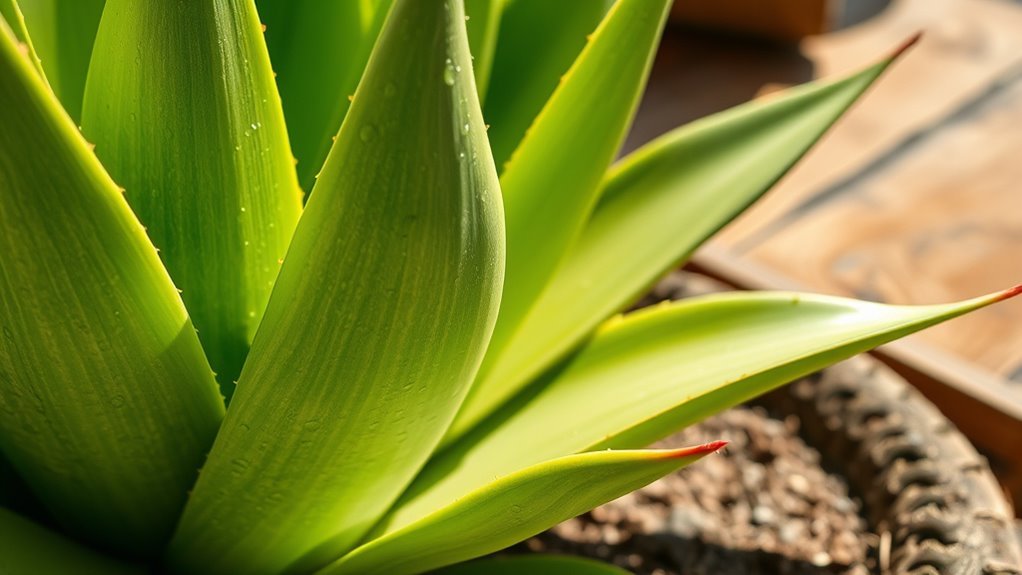

Agave nectar isn’t considered keto-friendly due to its high fructose content and significant carbohydrate levels. With about 76 grams of carbs per 100 grams, it can disrupt ketosis, which is vital for your weight loss goals. Although it has a low glycemic index, the excessive sugar can hinder progress on a ketogenic diet. If you’re looking for sweetener alternatives that support your keto lifestyle, there are options worth exploring.
Understanding the Ketogenic Diet
The ketogenic diet, often referred to as keto, is a low-carb, high-fat eating plan designed to shift your body into a state of ketosis. By adhering to ketogenic principles, you’ll considerably reduce your carbohydrate intake while increasing healthy fats. This shift can lead to various low carb benefits, such as improved energy levels, reduced hunger, and enhanced fat burning. Many people find that it allows for greater dietary freedom, as it encourages whole foods and nutrient-dense options. You may also experience mental clarity and stable blood sugar levels, making it easier to maintain focus throughout the day. Ultimately, understanding these principles empowers you to make informed choices that align with your health goals while enjoying a satisfying lifestyle.
What Is Agave Nectar?

Agave nectar, often marketed as a natural sweetener, comes from the sap of the agave plant, primarily found in Mexico. Known for its low glycemic index, agave benefits include a slower rise in blood sugar levels compared to traditional sugars, making it appealing for those seeking alternatives. Its origins trace back to ancient Mesoamerican cultures, where it was used both as a food source and in traditional medicine. While it offers a unique flavor profile, it’s important to evaluate its high fructose content, which can impact health if consumed excessively. As you explore agave, weigh the sweetener’s potential benefits against its nutritional implications to make informed choices that align with your lifestyle.
Nutritional Profile of Agave
When considering agave, it’s important to look at its sugar content and glycemic index. While agave nectar is often marketed as a healthier alternative to traditional sweeteners, its high fructose levels can impact blood sugar differently than you might expect. Understanding these factors can help you make more informed choices about incorporating agave into your diet.
Sugar Content Comparison
Although many people regard agave a natural sweetener, its sugar content raises questions about its suitability for a keto diet. Different agave varieties, like blue agave and raw agave nectar, have varying sugar levels. Typically, agave syrup contains around 60-90% fructose, which is considerably higher than traditional sweeteners like honey or maple syrup. While its sweetener origins may suggest a healthier alternative, the high sugar content can impact your daily carb intake, making it tricky to fit into a strict keto lifestyle. If you’re seeking lower-carb options, you might want to take into account other sweeteners like stevia or erythritol that align better with ketogenic guidelines. Always read labels to guarantee you know what you’re consuming!
Glycemic Index Impact
While many consider agave a healthier alternative to refined sugars, its glycemic index (GI) deserves careful examination, especially for those on a keto diet. Agave has a GI ranging from 10 to 19, which is lower than table sugar, but it’s still significant when you’re monitoring carb intake. The agave benefits, such as its low GI, may appeal to those looking for sweetener alternatives, yet it’s essential to remember that it’s still a form of sugar. For keto dieters, even low-GI sweeteners can hinder ketosis if consumed in excess. Balancing your sweetener choices while staying aware of their effects on blood sugar can empower you to make informed decisions about your diet.
Carbohydrate Content in Agave
Understanding the carbohydrate content in agave is essential for anyone following a keto diet, as it can greatly impact your daily intake. Agave syrup contains around 76 grams of carbohydrates per 100 grams, primarily from fructose. While it’s a natural sweetener, these carbs can quickly add up, making it challenging to stay in ketosis. If you’re looking for lower-carb options, consider other sweeteners like stevia or erythritol as agave alternatives. These options provide sweetness without the hefty carbohydrate load. Be mindful of your total carbohydrate sources, as even small amounts of agave can interfere with your keto goals. Always check labels to make informed choices that align with your dietary freedom and health objectives.
Glycemic Index: Agave vs. Sugar
When comparing the glycemic index (GI) of agave to that of sugar, it’s important to recognize that agave typically has a lower GI, which means it may lead to a slower rise in blood sugar levels. This is one of the agave benefits, making it appealing for those monitoring their glucose. However, it’s important to take into account agave drawbacks as well. While its lower GI can be beneficial, agave is often high in fructose, which, in excess, could have negative health implications. Balancing your sweeteners is key. If you value lower blood sugar spikes, agave might seem like a better choice, but moderation is essential to guarantee you’re making the healthiest decisions for your body.
How Agave Affects Blood Sugar Levels
Agave’s impact on blood sugar levels can be quite significant, especially for those who are mindful of their carbohydrate intake. While agave syrup has a lower glycemic index than regular sugar, it still contains high levels of fructose, which can affect your blood sugar differently. When consumed, agave can lead to a slower insulin response compared to glucose, but this doesn’t mean it’s a guilt-free option. Relying on agave might mask the need to monitor your overall sugar consumption. If you’re aiming for stable blood sugar levels, it’s essential to evaluate how much agave you incorporate into your diet. Ultimately, being informed allows you the freedom to make choices that align with your health goals.
The Role of Sweeteners in a Keto Diet
While many sweeteners can disrupt a keto diet, choosing the right ones can keep your carb intake in check. You’ll want to take into account both artificial sweeteners and natural alternatives that fit your lifestyle. For instance, erythritol and stevia are popular keto-friendly options that won’t spike your blood sugar. When making sweetener choices, it’s essential to read labels carefully, as some products contain hidden carbs. Balancing your sweet cravings with low-carb alternatives allows you to enjoy delicious foods without derailing your diet. Remember, moderation is key, even with sweeteners. By being mindful of what you’re adding to your meals, you can satisfy your sweet tooth while maintaining the freedom that a keto lifestyle offers.
Alternatives to Agave for Keto-Friendly Sweetening
If you’re looking for sweetening options that align with a keto lifestyle, agave might not be your best bet due to its high fructose content, which can increase carb intake. Fortunately, there are plenty of natural sweeteners that serve as great keto substitutes. Here are three popular options:
Exploring keto-friendly sweeteners? Avoid agave due to high fructose; consider stevia, erythritol, and monk fruit instead.
- Stevia: This plant-derived sweetener contains zero calories and carbs, making it a top choice for keto enthusiasts.
- Erythritol: A sugar alcohol with minimal calories, erythritol doesn’t spike blood sugar levels and works well in baking.
- Monk Fruit Sweetener: Extracted from monk fruit, it’s calorie-free and has a sweet taste without impacting insulin levels.
These alternatives can help you satisfy your sweet tooth while staying true to your keto goals.
Incorporating Agave Into Your Diet
Incorporating agave into your diet can be a challenging endeavor, especially for those adhering to a keto lifestyle. While agave offers certain benefits, like being a natural sweetener with a lower glycemic index than sugar, it’s important to use it sparingly. You might consider integrating agave in small amounts to sweeten your favorite recipes or beverages, balancing it with other keto-friendly sweetener alternatives like stevia or erythritol. This combination can help satisfy your sweet tooth while keeping carb counts in check. Remember, moderation is key; even natural sweeteners can impact your daily carb intake. By being mindful of your portions, you can enjoy the unique flavor of agave without compromising your keto goals.
Final Thoughts on Agave and Keto
As you navigate the complexities of a keto diet, it is vital to understand the role agave can play in your overall nutrition. While agave offers some benefits, it’s important to weigh these against keto challenges. Here are three key takeaways:
- Agave’s Low Glycemic Index: It can provide a sweet taste without spiking your blood sugar levels dramatically.
- Natural Sweetener Alternative: If you’re craving something sweet, agave may satisfy your taste buds while fitting into a more holistic diet.
- Moderation is Key: Remember, even natural sugars can impact ketosis if consumed in excess.
Ultimately, finding a balance between enjoying agave benefits and adhering to keto principles can empower you in your health journey.
Frequently Asked Questions about Agave and Keto
1. Is agave syrup keto-friendly?
Agave syrup is not considered keto-friendly because it is high in carbohydrates, particularly fructose. A typical serving of agave syrup can contain around 16 grams of carbs, which is significant for a keto diet that usually limits daily carb intake to about 20-50 grams. While it may be a natural sweetener, its high glycemic index can lead to blood sugar spikes, making it unsuitable for those following a ketogenic lifestyle.
2. What is agave and how is it used?
Agave is a succulent plant native to the hot and arid regions of Mexico and the southwestern United States. The sap extracted from the agave plant is commonly processed into agave syrup, a sweetener often used as an alternative to sugar or honey. It is used in various culinary applications, such as in beverages, desserts, and sauces. However, due to its high carbohydrate content, it should be used cautiously in a keto diet.
3. What are some keto-friendly alternatives to agave syrup?
If you’re looking for keto-friendly alternatives to agave syrup, consider options like stevia, monk fruit sweetener, or erythritol. These sweeteners are low in carbohydrates and have minimal impact on blood sugar levels. They can be used in various recipes to provide sweetness without the carbs associated with agave syrup.
4. Can agave have any health benefits?
Agave syrup does contain some health benefits due to its natural origins. It has a lower glycemic index compared to regular sugar, meaning it may not spike blood sugar levels as quickly. Additionally, it contains small amounts of vitamins and minerals. However, these benefits are overshadowed by its high fructose content and calorie density, making it less favorable for those on a keto diet or anyone looking to reduce sugar intake.
5. How can I incorporate sweeteners into my keto diet effectively?
To effectively incorporate sweeteners into your keto diet, choose low-carb options like stevia, erythritol, or monk fruit. Always check the nutrition labels for hidden carbs. Start with small amounts to gauge your body’s response and adjust as necessary. Use these sweeteners in moderation in recipes for baked goods, beverages, and sauces to satisfy your sweet tooth without exceeding your daily carb limit.
References
- https://www.healthline.com/nutrition/keto-sweeteners#agave-nector
- https://www.ncbi.nlm.nih.gov/pmc/articles/PMC6520981/
- https://www.webmd.com/diet/obesity/what-is-agave-nectar
- https://www.verywellfit.com/agave-nectar-and-the-keto-diet-5193960
- https://www.sciencedirect.com/science/article/abs/pii/S2212267217300283