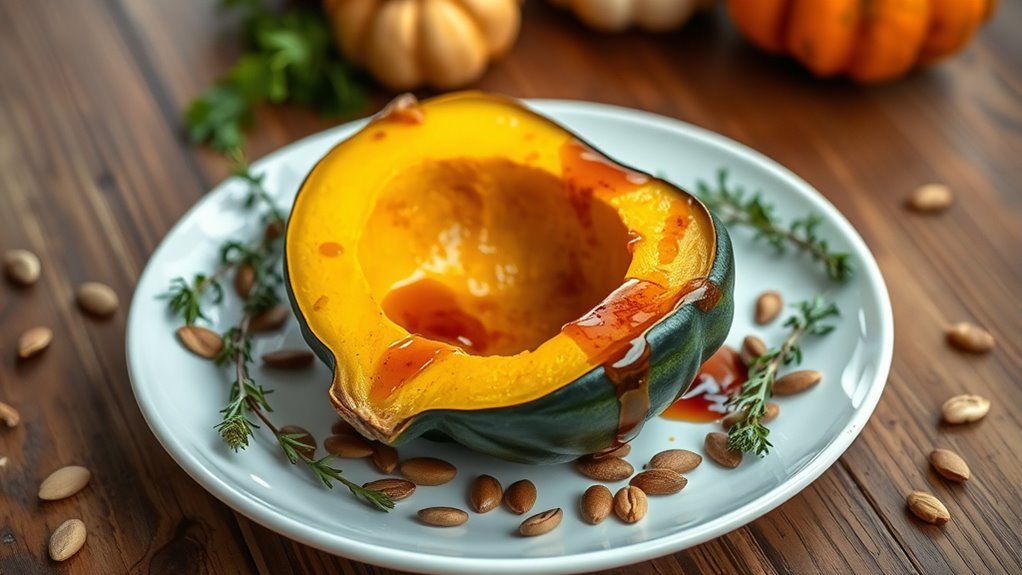

Acorn squash can fit into a keto diet with some caution. It contains about 15 grams of carbohydrates per cup, primarily coming from complex carbs, which makes portion control essential. Moderation will help you avoid spikes in insulin levels while enjoying its rich nutrients. You can roast it, mash it, or pair it with high-fat proteins. If you want to know more about incorporating acorn squash into your meals, there are plenty of tips available.
Nutritional Profile of Acorn Squash
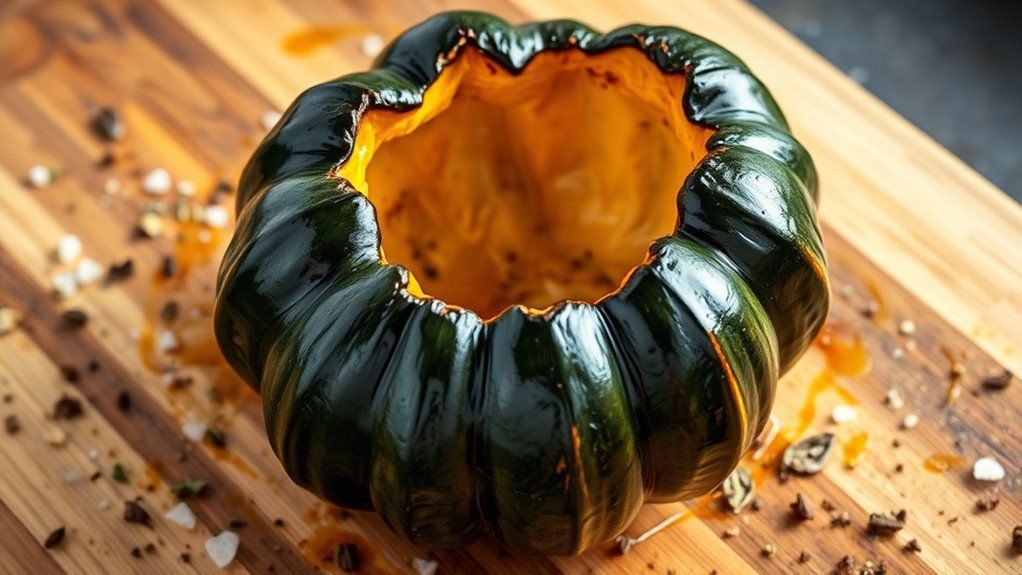
When considering the nutritional profile of acorn squash, it’s essential to acknowledge that this vibrant winter squash is relatively low in calories yet packed with essential nutrients. You’ll find it rich in vitamins A and C, which support immune function and skin health. Additionally, acorn squash is a good source of potassium, promoting healthy blood pressure levels. It also contains dietary fiber, aiding digestion and helping you feel full longer. These nutritional benefits make acorn squash a fantastic choice for those looking to enhance their diet without adding excessive calories. Whether roasted, mashed, or stuffed, its versatility allows you to enjoy its flavors while reaping the rewards of its healthful components. Embrace acorn squash as a nourishing addition to your meals!
Carbohydrate Content in Acorn Squash
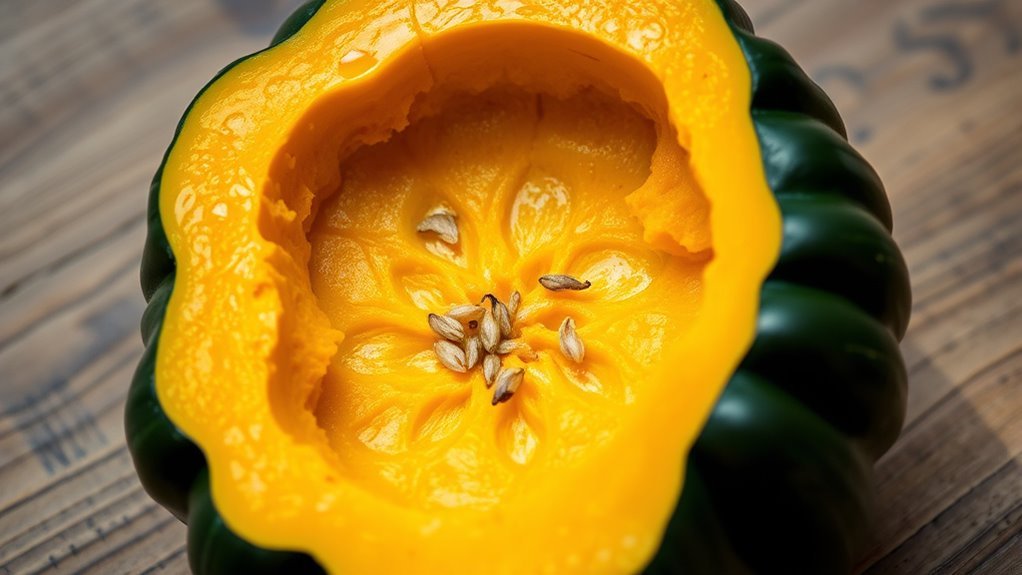
Although acorn squash offers numerous health benefits, its carbohydrate content is an important consideration for those following a ketogenic diet. With about 15 grams of carbohydrates per cup, it’s vital to understand how this fits into your daily macro goals. The carbohydrate breakdown reveals that acorn squash primarily consists of complex carbohydrates, which can affect blood sugar levels. Its glycemic index is relatively low, making it less likely to cause rapid spikes in insulin. However, moderation is key; incorporating it into a keto diet may require careful portion control. If you’re seeking to maintain ketosis, knowing how acorn squash impacts your carbohydrate intake can help you make informed dietary choices. Enjoying it occasionally can still align with your keto lifestyle.
Fiber in Acorn Squash and Its Benefits
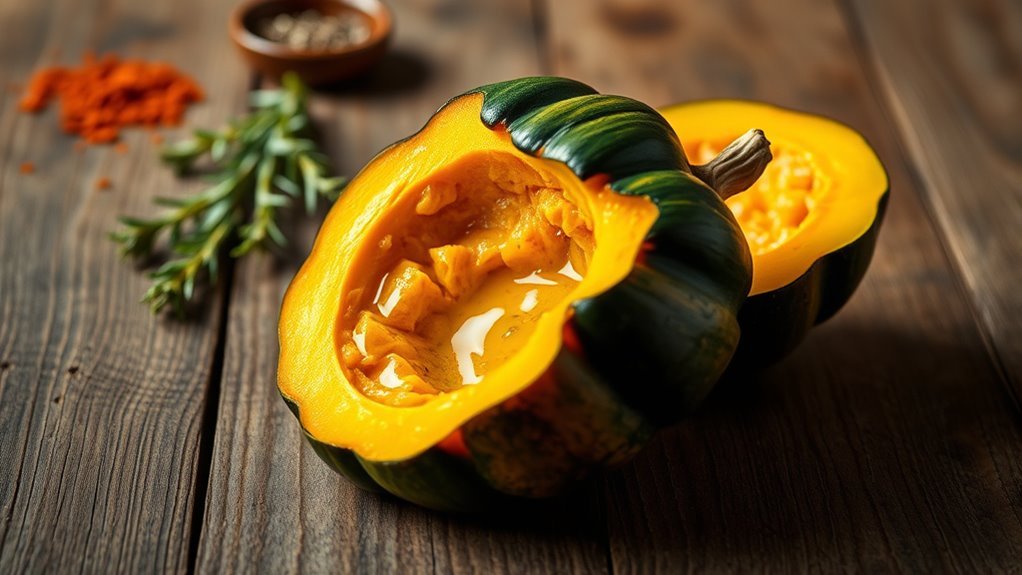
Fiber plays an essential role in your diet, and acorn squash is a great source. Including fiber in your meals can enhance digestive health, helping to keep everything running smoothly. Acorn squash provides not only fiber but also essential nutrients.
Here’s a quick look at fiber sources and their benefits:
| Fiber Source | Benefits |
|---|---|
| Acorn Squash | Supports digestive health |
| Whole Grains | Lowers cholesterol levels |
| Beans | Aids in weight management |
Incorporating acorn squash into your meals can be a delicious way to boost your fiber intake. It can help you feel fuller longer, making it easier to maintain your desired lifestyle while enjoying flavorful dishes.
Comparing Acorn Squash to Other Squash Varieties
How does acorn squash stack up against other popular squash varieties? When you look at acorn squash varieties, they’re typically lower in carbs than butternut or pumpkin squashes. For instance, a cup of cooked acorn squash contains about 15 grams of carbohydrates, compared to butternut squash’s 22 grams. However, acorn squash packs a punch with fiber and nutrients, making it a balanced option. In squash comparisons, zucchini offers even fewer carbs, sitting around 4 grams per cup. If you’re mindful of your carb intake, knowing these differences can help you make informed choices. While acorn squash is nutritious, consider how it fits into your overall dietary goals, especially if you’re exploring a keto lifestyle.
How to Incorporate Acorn Squash Into a Keto Diet
While acorn squash may not be the lowest-carb option among squash varieties, it can still be incorporated into a keto diet with a bit of planning. One way to enjoy it is by creating keto meal prep recipes that balance portions. For instance, you might roast acorn squash with olive oil and herbs, keeping your serving size moderate to manage carb intake. You can also mash it with butter and spices for a comforting side dish. Consider pairing acorn squash with high-fat proteins like chicken or pork to maintain ketosis. By being mindful of your overall carb count and utilizing creative acorn squash recipes, you can enjoy this seasonal vegetable while adhering to your keto lifestyle.
Potential Health Benefits of Acorn Squash
Although acorn squash is often considered a starchy vegetable, it offers several health benefits that can enhance your diet. Here are three notable advantages:
Acorn squash is a nutrient-rich vegetable that enhances your diet with its numerous health benefits.
- Antioxidant Properties: Acorn squash is rich in vitamins A and C, which help combat oxidative stress and reduce inflammation in your body.
- Immune Support: The nutrients in acorn squash can bolster your immune system, helping you fend off illnesses and infections.
- Digestive Health: Its high fiber content aids digestion, promoting a healthy gut and regular bowel movements.
Including acorn squash in your meals not only adds flavor but also contributes to overall wellness. So, if you’re looking for a nutritious option, consider incorporating this versatile vegetable into your diet.
Alternatives to Acorn Squash on a Keto Diet
If you’re following a keto diet and looking for alternatives to acorn squash, there are several low-carb vegetables that can fit seamlessly into your meal plan. Consider zucchini, which is versatile and can be spiralized into noodles or roasted. Cauliflower is another great option; you can use it to make rice or mash as a substitute for traditional starches. Broccoli and Brussels sprouts also provide fiber and nutrients while keeping your carb count low. For a bit of sweetness, try turnips or radishes, which can be roasted for added flavor. These keto substitutes allow you to enjoy variety without compromising your dietary goals, making it easier to stick to your low-carb options while enjoying delicious meals.
Frequently Asked Questions About Acorn Squash and Keto Diet
1. Is acorn squash considered keto-friendly?
Acorn squash is not typically considered keto-friendly due to its carbohydrate content. A 1-cup serving of cooked acorn squash contains approximately 15 grams of carbohydrates, which can be a significant portion of the daily carb limit for those following a strict ketogenic diet. While it can be enjoyed in moderation, it is generally better to opt for lower-carb vegetables like leafy greens or zucchini.
2. How many carbs are in acorn squash?
A 1-cup serving of cooked acorn squash contains around 15 grams of carbohydrates, including about 2 grams of fiber. The fiber content is beneficial as it can help offset some of the net carbs, bringing the effective carb count down to about 13 grams. However, this is still higher than what many keto dieters aim for, so it’s important to consider portion sizes if including acorn squash in your diet.
3. Can I eat acorn squash on a low-carb diet?
Yes, you can eat acorn squash on a low-carb diet, but it’s crucial to monitor your portion size and overall carbohydrate intake. While it is higher in carbs compared to many other vegetables, it can still fit into a low-carb lifestyle if consumed in moderation. Consider balancing it with other lower-carb vegetables to maintain your daily carb goals.
4. What are some keto-friendly alternatives to acorn squash?
If you’re looking for keto-friendly alternatives to acorn squash, consider options like zucchini, cauliflower, or broccoli. These vegetables are lower in carbohydrates and can be used in a variety of dishes. For instance, zucchini noodles can serve as a great substitute for pasta, while cauliflower can be riced or mashed as a low-carb alternative to grains.
5. How can I include acorn squash in a keto diet plan?
If you choose to include acorn squash in your keto diet, moderation is key. You can use it as a side dish paired with a protein source, ensuring that the rest of your meal remains low in carbs. Another option is to use small amounts of acorn squash in recipes that incorporate other low-carb ingredients. Consider roasting it with spices or using it in a soup, balancing the carbs with plenty of non-starchy vegetables.
References
- https://www.healthline.com/nutrition/acorn-squash-nutrition
- https://www.ncbi.nlm.nih.gov/pmc/articles/PMC6521006/
- https://www.dietitiansofcanada.ca/YourHealth/HealthyEating/Vegetables
- https://www.webmd.com/diet/health-benefits-acorn-squash
- https://www.nutritionvalue.org/Acorn_squash_nutritional_value.html
- https://www.usda.gov/fooddata-nutrition
- https://www.eatright.org/food/nutrition/dietary-guidelines-and-myplate/what-are-the-health-benefits-of-squash
- https://www.mayoclinic.org/healthy-lifestyle/nutrition-and-healthy-eating/in-depth/food-choices/art-20045255