

A keto diet can be beneficial for some individuals, particularly those looking to lose weight or manage certain health conditions. However, it may not be suitable for everyone. In this article, we’ll explore the advantages and potential drawbacks of the ketogenic diet, helping you determine if it’s the right choice for you.
Benefits of a Keto Diet

One of the most compelling advantages of the keto diet is its capacity to promote weight loss through fat burning. By significantly reducing carbohydrates and replacing them with fats, the body enters a metabolic state known as ketosis. In ketosis, the body becomes highly efficient at burning fat for energy, which can lead to a substantial reduction in body weight and fat percentage. Studies have shown that individuals on a ketogenic diet often experience more significant weight loss compared to those following low-fat diets.
Additionally, the keto diet may improve blood sugar levels and insulin sensitivity, making it particularly beneficial for individuals with type 2 diabetes or prediabetes. By limiting carbohydrate intake, the diet reduces blood glucose spikes and can lead to improved glycemic control. Some research indicates that the keto diet can result in lower hemoglobin A1c levels, a key marker for long-term blood sugar levels.
Potential Risks of a Keto Diet
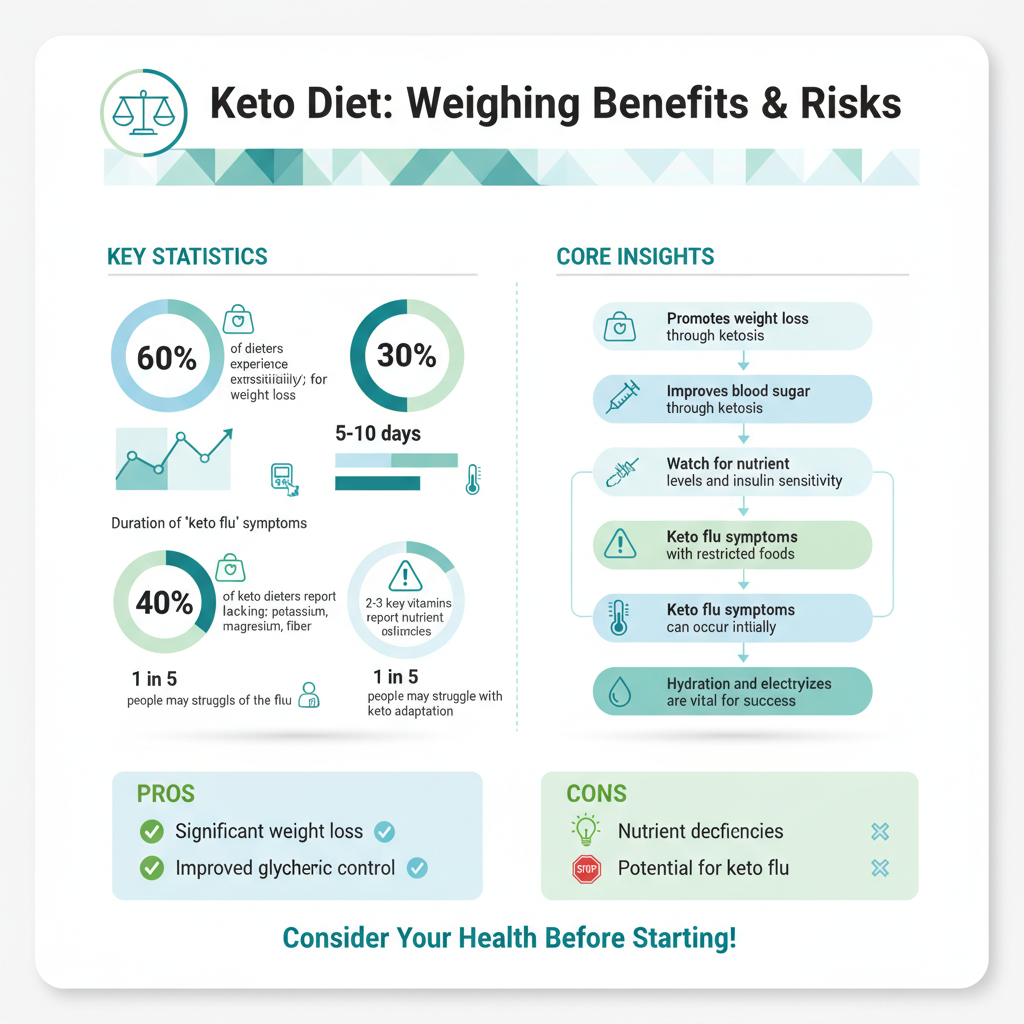

Despite its benefits, the keto diet also carries potential risks that should not be overlooked. One significant concern is the possibility of nutrient deficiencies due to the restriction of various food groups. Many fruits, whole grains, and starchy vegetables are limited in a traditional ketogenic diet, which can lead to insufficient intake of essential vitamins and minerals such as potassium, magnesium, and fiber. This deficiency can result in adverse health outcomes over time if not managed properly.
Moreover, some individuals may experience adverse effects commonly referred to as the “keto flu.” This phenomenon can include symptoms such as fatigue, irritability, headaches, and nausea as the body adjusts to a new metabolic state. These symptoms typically occur in the initial phase of the diet and can last for several days. It is crucial for individuals embarking on a keto diet to be aware of these potential side effects and to take steps to mitigate them, such as staying hydrated and ensuring adequate electrolyte intake.
Who Should Consider a Keto Diet?
The ketogenic diet may be particularly suited for individuals with obesity or metabolic syndrome, as it has been shown to facilitate significant weight loss and metabolic improvements in these populations. For those struggling with excess weight, the diet’s emphasis on fat as a primary energy source can help curb appetite and reduce caloric intake naturally, leading to sustained weight loss.
Additionally, people with diabetes who are seeking better blood sugar control might find a keto diet beneficial. By minimizing carbohydrate intake, the diet can stabilize blood glucose levels, reduce insulin requirements, and improve overall metabolic health. A healthcare professional can help tailor the diet to ensure it meets individual needs while monitoring blood sugar levels closely.
Who Should Avoid a Keto Diet?
Not everyone is a good candidate for the keto diet. Individuals with certain health conditions, such as pancreatitis or liver disease, should avoid this dietary regimen due to the high-fat content that can exacerbate these conditions. Furthermore, those with a history of eating disorders may find the restrictive nature of the keto diet triggering, potentially leading to negative mental health outcomes.
Pregnant or breastfeeding women should also approach the keto diet with caution, as it may not provide the necessary nutrients required for the healthy development of the baby. Consulting with a healthcare provider is essential for anyone considering the keto diet, especially individuals with pre-existing health conditions or those who are pregnant.
Key Nutritional Components of a Keto Diet
A well-formulated ketogenic diet includes various high-fat foods that provide essential nutrients while maintaining low carbohydrate intake. Foods such as avocados, nuts, seeds, and olive oil are excellent sources of healthy fats that can enhance satiety and provide energy. Fish, particularly fatty fish like salmon and mackerel, are also encouraged due to their omega-3 fatty acid content, which supports cardiovascular health.
Low-carb vegetables play a critical role in ensuring proper micronutrient intake while following a keto diet. Leafy greens, broccoli, cauliflower, and zucchini are all nutrient-dense options that can help maintain overall health. Incorporating these vegetables not only adds essential vitamins and minerals but also aids in promoting digestive health due to their fiber content.Tips for Starting a Keto Diet
If you decide to embark on a keto diet, starting gradually can significantly reduce potential side effects. Instead of making drastic changes overnight, consider slowly reducing your carbohydrate intake over the course of a week or two. This approach can help your body adjust to utilizing fat for fuel instead of carbohydrates, thereby minimizing the risk of experiencing the “keto flu.”
Monitoring Your Progress on a Keto Diet
Monitoring your progress while on a keto diet is essential for understanding its effectiveness and ensuring you are meeting your health objectives. Regularly tracking weight changes and energy levels can provide valuable insights into how your body is responding to the diet. Many individuals find that keeping a food diary helps them stay accountable and identify any patterns in their eating habits.
Consider consulting with a healthcare professional to conduct blood tests that can monitor ketone levels, blood sugar, and overall health markers. These assessments can guide dietary adjustments and help you achieve optimal results while minimizing potential risks.
By weighing the benefits and potential risks, you can make an informed decision about whether a keto diet is good for you. If you decide to try it, ensure you approach it thoughtfully and consult with a healthcare professional to optimize your health outcomes. A well-planned ketogenic diet can lead to significant health improvements for many, but it is essential to tailor the approach to your individual needs and lifestyle.
Frequently Asked Questions
What are the main benefits of a keto diet?
The ketogenic diet, commonly known as the keto diet, offers several benefits, including weight loss, improved blood sugar control, and enhanced mental clarity. By significantly reducing carbohydrate intake and increasing healthy fats, the body enters a state of ketosis, where it burns fat for fuel, potentially leading to more efficient weight loss. Additionally, many people report increased energy levels and reduced hunger, making it easier to adhere to dietary changes.
How does the keto diet affect energy levels during workouts?
Many individuals experience varying energy levels when transitioning to the keto diet, particularly during workouts. Initially, energy may dip as the body adjusts to burning fat instead of carbs, a period often referred to as the “keto flu.” However, as the body adapts to ketosis, users often report improved endurance and stable energy levels, which can enhance performance in both aerobic and anaerobic exercises.
Why do some people struggle with the keto diet?
While the keto diet can be effective for many, some individuals struggle due to various reasons, such as difficulty adjusting to the restrictive nature of the diet or experiencing side effects like fatigue and digestive issues. Additionally, the challenge of meal planning and finding suitable low-carb foods can contribute to frustration. Understanding these pain points can help individuals prepare better and find solutions to common difficulties.
Which foods should I avoid on a keto diet?
On a keto diet, it’s crucial to avoid high-carbohydrate foods that can hinder the body’s ability to reach ketosis. This includes sugary snacks, bread, pasta, rice, and most fruits. Instead, focus on incorporating healthy fats, proteins, and low-carb vegetables into your meals, such as avocados, nuts, eggs, and leafy greens, to maintain nutritional balance while sticking to keto guidelines.
What is the best way to start a keto diet for beginners?
For beginners looking to start a keto diet, it’s essential to educate yourself about macronutrient ratios, aiming for a typical breakdown of approximately 70% fats, 25% protein, and 5% carbohydrates. Begin by clearing out high-carb foods from your pantry, creating a meal plan that includes keto-friendly recipes, and considering tracking your food intake with an app. Gradually adjusting your carb intake can make the transition smoother and more sustainable.
References
- Ketogenic diet
- https://www.ncbi.nlm.nih.gov/pmc/articles/PMC6078422/
- https://www.health.harvard.edu/staying-healthy/the-ketogenic-diet
- https://www.nhlbi.nih.gov/health-topics/obesity
- https://www.cdc.gov/healthyweight/assessing/bmi/adult_bmi/english_bmi_calculator/bmi_calculator.html
- https://www.eatright.org/health/wellness/healthy-aging/the-keto-diet-what-you-need-to-know
- https://www.sciencedirect.com/science/article/abs/pii/S0899900717303579

