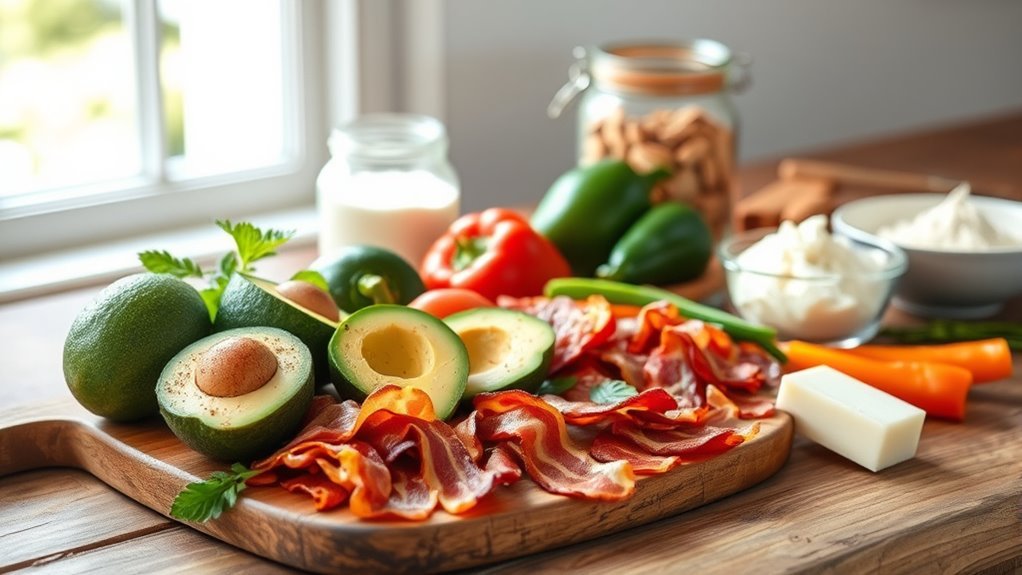

Yes, a ketogenic diet is inherently gluten-free. It focuses on high fats and low carbohydrates, allowing you to enjoy a variety of naturally gluten-free foods like meats, vegetables, and nuts. However, it’s essential to be aware of hidden gluten in processed items and to watch for cross-contamination. By choosing whole, nutrient-dense foods, you can adhere to both keto and gluten-free guidelines seamlessly. There’s more to explore about maintaining this lifestyle efficiently.
Understanding the Ketogenic Diet Basics
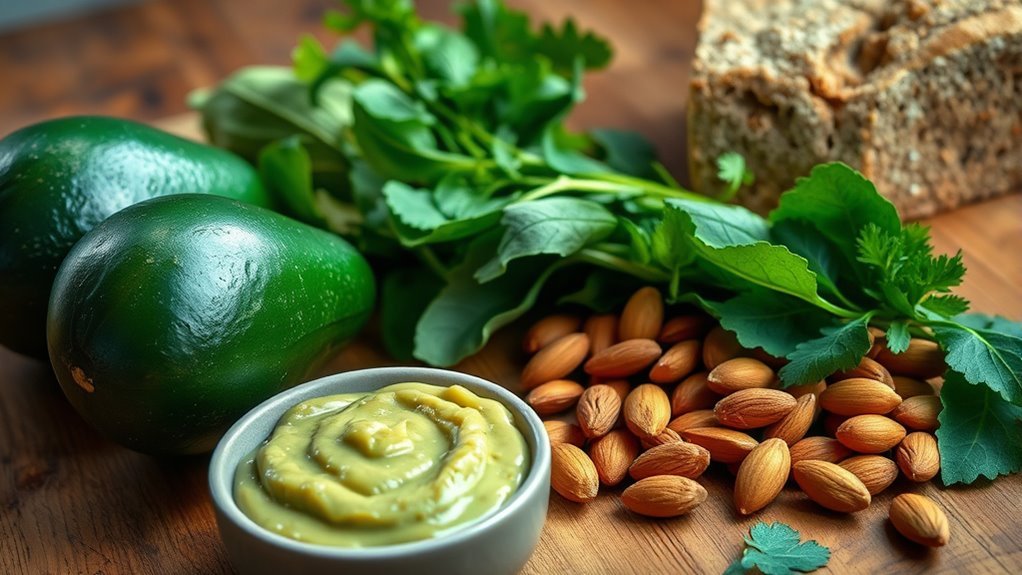
When you immerse yourself in the ketogenic diet, it’s vital to understand its core principles. This diet revolves around achieving a specific macronutrient balance: high fats, moderate proteins, and very low carbohydrates. By minimizing carbs, you encourage your body to enter ketosis, where it burns fat for fuel instead of glucose. To make the shift smoother, effective keto meal prepping is essential. Planning your meals ahead helps you stay on track, ensuring you meet your macronutrient goals without temptation. Focus on whole, nutrient-dense foods like avocados, nuts, and leafy greens. By understanding these fundamentals, you empower yourself to embrace the freedom and energy that the ketogenic lifestyle can offer, steering clear of gluten and other unwanted ingredients. Additionally, it’s crucial to calculate ideal fat, protein, and carbohydrate intake to ensure you are meeting your dietary needs effectively.
The Role of Gluten in Our Diet
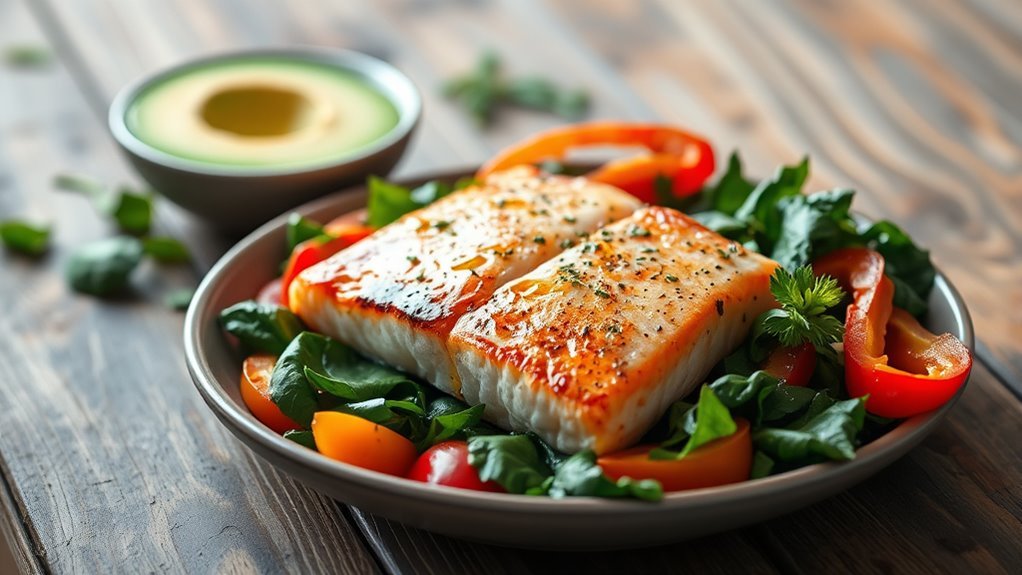
Gluten is found in many common foods, especially those made from wheat, barley, and rye. For some people, it can lead to health issues like digestive discomfort or autoimmune responses, while others may tolerate it just fine. Understanding the sources of gluten and its potential effects on your health is key, especially if you’re considering a gluten-free or ketogenic diet.
Gluten Sources in Foods
While many people may not realize it, gluten is a protein found in various grains that play a significant role in our diets. Understanding gluten sources is essential, especially if you’re considering a keto diet. Here are three common gluten sources to watch for on food labels:
- Wheat – This includes all varieties, like spelt and durum.
- Barley – Often found in malt products and some beverages.
- Rye – Commonly used in bread and certain cereals.
If you’re looking to maintain a gluten-free lifestyle, always check food labels carefully. Many processed foods can contain hidden gluten, so being informed gives you the freedom to choose what’s best for your health while still enjoying your meals.
Effects on Health
Understanding gluten’s presence in various foods leads to a deeper look at its role in our diets and health. For many, gluten can trigger adverse reactions, particularly in those with gluten sensitivity. If you’re on a keto diet, you might notice a reduction in inflammation, as cutting out gluten-rich foods often helps alleviate symptoms for sensitive individuals. This is essential since keto inflammation can hinder your health goals. By focusing on whole, gluten-free foods, you not only embrace the keto lifestyle but also promote better overall wellness. It’s about freedom in your choices—selecting foods that nourish you and keep unwanted inflammation at bay. Ultimately, understanding how gluten affects your body empowers you to make more informed dietary decisions. Additionally, being mindful of potential nutrient deficiencies is crucial for maintaining overall health on a keto diet.
Common Gluten-Containing Foods
Many everyday foods contain gluten, which can be a hidden challenge for those following a keto or gluten-free diet. To help you navigate this, here are some common gluten-containing grains and gluten-rich snacks you should be aware of:
- Wheat – Found in bread, pasta, and baked goods, wheat is a primary source of gluten.
- Barley – Often used in soups and malt products, barley can sneak into many meals.
- Rye – Common in rye bread and some cereals, rye also contains gluten. Additionally, reading labels is crucial to avoid hidden sources of gluten in processed foods.
Keto-Friendly Foods That Are Naturally Gluten-Free
When following a keto diet, you can enjoy a variety of foods that are naturally gluten-free. Think about incorporating options like meat and poultry, fresh vegetables, and nuts and seeds into your meals. These foods not only fit your dietary needs but also provide essential nutrients for your health. Additionally, including low-carb vegetables in your meals can enhance your nutrient intake while maintaining your ketogenic goals.
Meat and Poultry
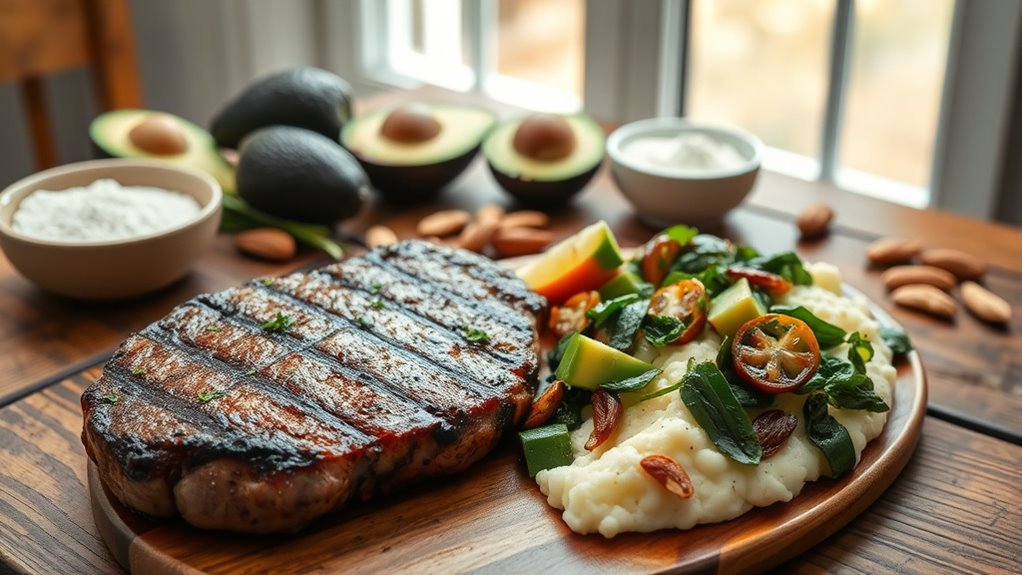
If you’re following a keto diet and looking for gluten-free options, meat and poultry are among the best choices you can make. These foods are not only naturally gluten-free but also rich in healthy fats and proteins, perfect for maintaining ketosis. Here are some great meat sources and poultry options:
- Beef – Opt for grass-fed varieties for higher omega-3 content.
- Chicken – Skin-on options provide more fat, helping you stay in ketosis.
- Pork – Enjoy cuts like bacon or pork belly, which are deliciously fatty.
When you choose these meats, you’re fueling your body with clean, nutrient-dense foods. Plus, they give you the freedom to create satisfying meals while sticking to your keto goals! Additionally, be mindful of processed lunch meats that may contain fillers or added sugars, as they can disrupt your ketosis.
Fresh Vegetables
Fresh vegetables are a cornerstone of the keto diet, offering a wealth of nutrients while being naturally gluten-free. Incorporating a variety of fresh vegetable varieties into your meals not only boosts your nutrient intake but also keeps your diet exciting. Leafy greens like spinach and kale, cruciferous options such as broccoli and cauliflower, and colorful peppers are excellent choices.
Consider seasonal vegetable options, as they tend to be fresher and more flavorful. Opting for locally sourced produce can enhance your meals and support your community. Remember, loading your plate with vibrant, keto-friendly vegetables allows you the freedom to enjoy diverse flavors while sticking to your dietary goals. Embrace these options to thrive on your keto journey! Additionally, including high fiber content in your meals can support digestion and enhance fullness.
Nuts and Seeds
Incorporating nuts and seeds into your keto diet can enhance both flavor and nutrition while keeping your meals gluten-free. These power-packed foods offer numerous benefits and are incredibly versatile. Here are some nut benefits and seed varieties to evaluate:
- Almonds: High in healthy fats, they can help reduce hunger and maintain energy levels.
- Chia Seeds: Packed with fiber and omega-3s, they support digestive health and heart function.
- Walnuts: Rich in antioxidants, they promote brain health and can help fight inflammation. Additionally, selecting low-carb nuts can support your keto goals while providing healthy fats.
Reading Labels: Identifying Gluten in Processed Foods
How can you confidently identify gluten in processed foods? Start by mastering gluten labeling. Look for clear statements like “gluten-free” or “contains wheat.” Ingredient awareness is essential; always read the full list. Familiarize yourself with common gluten sources, such as barley, rye, and various derivatives like malt. Be cautious with ingredients that sound unfamiliar; research them if needed. Some products may hide gluten under vague terms, so don’t hesitate to dig deeper. If you’re ever uncertain, reach out to the manufacturer for clarity. Remember, your freedom to choose a gluten-free lifestyle hinges on your ability to read and understand labels effectively. Equip yourself with this knowledge, and you’ll navigate the grocery store with confidence. Understanding hidden carbs can also help you make informed choices on your gluten-free journey while following a keto diet.
Cross-Contamination Concerns With Gluten
One in five people following a gluten-free diet experience cross-contamination, which can lead to unwanted symptoms and health issues. To guarantee you’re protected, consider these practical steps for cross contamination prevention:
- Separate Cooking Utensils: Use dedicated pots, pans, and utensils for gluten-free meals.
- Clean Surfaces: Always sanitize countertops and cutting boards before preparing gluten-free foods to avoid gluten detection from previous meals.
- Storage Awareness: Store gluten-free products in sealed containers and keep them away from gluten-containing items.
Gluten-Free Alternatives for Keto Dieters
When you’re following a keto diet and need to avoid gluten, finding suitable alternatives can make all the difference in maintaining both your health and your culinary enjoyment. Consider incorporating gluten-free grains like almond flour or coconut flour into your baking. These options are low in carbs and can provide the texture you crave without the gluten. For snacking, look for low carb snacks such as cheese crisps or nut mixes. You can also explore veggie chips or seaweed snacks for a crunchy alternative. Always check labels to verify they’re both gluten-free and low-carb. With these alternatives, you can enjoy a flavorful and satisfying keto diet without compromising your gluten-free lifestyle. Additionally, using almond flour in recipes can enhance flavor and provide essential nutrients while keeping your carb intake low.
Health Benefits of Combining Keto and Gluten-Free
Combining a keto diet with a gluten-free lifestyle can offer numerous health benefits, especially for those with gluten sensitivities or celiac disease. Here are a few key advantages:
- Reduced Inflammation: Both diets can lower inflammation levels, helping you feel more energetic and less bloated.
- Improved Digestion: By eliminating gluten, you may experience better gut health, which is essential for nutrient absorption and overall wellness.
- Enhanced Weight Management: The keto benefits, such as appetite control and fat burning, work well with a gluten-free approach, making it easier to maintain a healthy weight. Additionally, the emphasis on listening to the body can enhance your overall dietary experience and satisfaction.
Tips for Maintaining a Gluten-Free Keto Lifestyle
Maintaining a gluten-free keto lifestyle can be straightforward with the right strategies in place. Here are some tips to keep your meals delicious and worry-free:
| Meal Planning | Snack Ideas |
|---|---|
| Plan meals ahead | Avocado with salt |
| Batch cook for the week | Cheese crisps |
| Use ingredient swaps | Nuts and seeds |
When grocery shopping, always read labels for hidden gluten. For food prep, keep gluten-free spices and sauces on hand. Cooking tips like using cauliflower rice instead of grains can help in recipe swaps. Don’t forget to check for gluten-free options when dining out, ensuring your choices align with your keto goals. Enjoy your freedom in food choices!
Frequently Asked Questions
Can I Eat Oats on a Gluten-Free Keto Diet?
You can’t eat traditional oats on a gluten-free keto diet, as they’re often high in carbs. However, you might consider gluten-free oats, but they still contain more carbs than you’d typically want on keto. Instead, look for oat alternatives like chia seeds, flaxseeds, or coconut flour. These options can help you maintain your low-carb goals while enjoying a variety of textures and flavors. Always check labels to verify they’re truly gluten-free!
Is Rice Keto-Friendly and Gluten-Free?
While rice is gluten-free, it’s not considered keto-friendly due to its high carbohydrate content. Isn’t it better to explore rice alternatives that align with your goals? Options like cauliflower rice or shirataki noodles can provide the texture you crave without derailing your keto diet. If you’re looking for keto grains, consider flaxseed meal or almond flour instead. These alternatives can help you stay within your carb limits while enjoying delicious meals.
Are There Gluten-Free Keto Snacks Available?
Yes, there are plenty of gluten-free keto snacks available! You can enjoy low carb options like cheese crisps, beef jerky, nuts, or veggie sticks with guacamole. Many brands also offer gluten-free protein bars and chips made from almond or coconut flour, which fit your dietary needs. Always check labels to verify they meet your gluten-free and low carb requirements, giving you the freedom to snack without worry while staying on track with your keto journey.
What Are the Symptoms of Gluten Sensitivity on Keto?
If you’re experiencing gluten sensitivity on keto, you might notice symptoms like bloating, fatigue, headaches, or digestive issues. These keto symptoms can disrupt your progress and overall well-being. While the keto diet can offer freedom from sugar cravings, it’s essential to identify and eliminate gluten-containing foods to avoid these uncomfortable reactions. By paying attention to your body and adjusting your diet accordingly, you can enjoy a healthier, more liberated keto lifestyle.
How to Handle Eating Out on a Gluten-Free Keto Diet?
When you’re eating out on a gluten-free keto diet, focus on dining options that feature fresh proteins and low-carb veggies. Use restaurant strategies like asking for modifications to meals, ensuring no hidden gluten ingredients. Opt for grilled meats, salads without croutons, and oil-based dressings. Don’t hesitate to communicate your dietary needs clearly; most places can accommodate. With a little planning, you can enjoy meals out while sticking to your keto and gluten-free goals.
References
- https://www.ncbi.nlm.nih.gov/pmc/articles/PMC6313445/
- https://www.healthline.com/nutrition/keto-diet-and-gluten
- https://www.celiac.org/live-gluten-free/gluten-free-diet/
- https://www.mayoclinic.org/healthy-lifestyle/nutrition-and-healthy-eating/in-depth/keto-diet/art-20459637
- https://www.hsph.harvard.edu/nutritionsource/healthy-weight/diet-reviews/keto-diet/
- https://www.wheatintolerance.org/gluten-free-keto-diet/